
How to Make a Glass Bottle in Minecraft
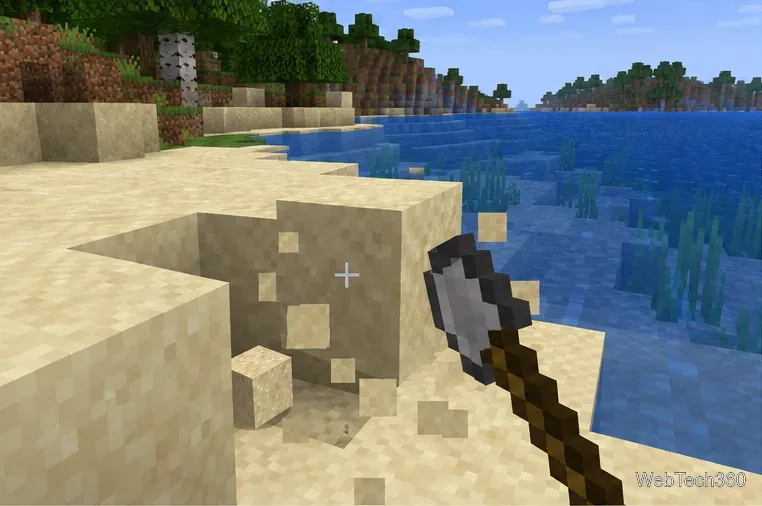
Learn the exact three-glass recipe, smelt sand into glass, and fill your Minecraft bottles with water for brewing.
Is your Windows 11 PC feeling sluggish because of the Antimalware Service Executable? You're not alone. This essential component of Windows Defender often spikes CPU usage, turning your smooth machine into a fan-whirring beast. But don't worry— we've got your back with straightforward, effective troubleshooting tips to tame it. Let's dive in and get your system running like new! 🚀
The Antimalware Service Executable (MsMpEng.exe) is the heart of Windows Defender, Microsoft's built-in antivirus in Windows 11. It scans files, monitors threats, and keeps your data safe in real-time. While it's a hero against malware, it can become a resource hog during full scans or when dealing with large folders, leading to high CPU usage that slows everything down.
Recent updates to Windows 11 have improved its efficiency, but issues persist for many users. Common culprits include cluttered drives, outdated definitions, or conflicts with third-party software. The good news? You can troubleshoot without disabling protection entirely. Stick with us as we explore fixes that balance security and speed.
Ready to roll up your sleeves? Follow these targeted steps to diagnose and resolve Antimalware Service Executable problems. We'll start simple and escalate as needed. Each fix is tested for the latest Windows 11 builds, ensuring you get reliable results.
First, verify the issue. Press Ctrl + Shift + Esc to open Task Manager. Under the Processes tab, look for Antimalware Service Executable. If it's eating up 50%+ CPU, proceed. This quick check confirms it's not another app causing the slowdown. 😊
Outdated virus definitions can force endless scans. Open Windows Security (search for it in the Start menu), go to Virus & threat protection, and run a Quick scan. Then, click Check for updates under Virus & threat protection updates. This often resolves spikes by refreshing the database— a simple win that feels great!
If scans target huge folders like Downloads or OneDrive, it overloads the CPU. In Windows Security > Virus & threat protection > Manage settings > Add or remove exclusions, add folders wisely. For example, exclude temp files or large media libraries if you're sure they're clean. Pro tip: Don't exclude system folders to maintain security.
Temporarily tweak settings to test. In Windows Security, turn off Real-time protection (it'll re-enable automatically). Monitor CPU in Task Manager. If usage drops, the issue might be overzealous scanning. For a permanent fix, schedule scans during idle times via Task Scheduler—search for it and edit Microsoft\Windows\Windows Defender tasks.
A cluttered PC amplifies Windows 11 troubleshooting woes. Use the built-in Disk Cleanup tool (search in Start) to remove junk. Also, run sfc /scannow in an elevated Command Prompt to fix corrupted files. These steps indirectly ease the load on MsMpEng, making your entire system snappier.
Conflicting antivirus software? Uninstall it immediately—Windows Defender doesn't play well with others. In Task Manager's Startup tab, disable non-essential apps. For deeper issues, use the Autoruns tool from Microsoft (download from their site) to spot hidden conflicts.
| Common Conflict | Symptom | Fix |
|---|---|---|
| Third-Party Antivirus | Double scanning, 100% CPU | Uninstall via Settings > Apps |
| Too Many Startup Programs | Constant background load | Disable in Task Manager |
| Full Drive (Low Space) | Slow scans, high usage | Free up space with Storage Sense |
For stubborn cases, adjust power plans. Go to Settings > System > Power & battery > Power mode, and select Balanced. If comfortable, edit the registry (backup first!): Run regedit, navigate to HKEY_LOCAL_MACHINE\SOFTWARE\Policies\Microsoft\Windows Defender, create a DWORD named DisableAntiSpyware with value 1 (revert after testing). ⚠️ Use caution— this is for experts.
Still stuck? Reset Windows Defender via PowerShell: Run as admin, then Set-MpPreference -DisableRealtimeMonitoring $true (re-enable later). These tweaks can dramatically cut high CPU usage without risks.
Once fixed, keep things smooth. Enable Storage Sense in Settings > System > Storage to auto-clean. Regularly update Windows via Settings > Windows Update— the latest patches optimize Defender's performance. Consider upgrading to an SSD if you're on an HDD; it speeds up scans immensely.
For more insights, check Microsoft's official guide on Windows Defender optimization. It's a goldmine for staying ahead.
There you have it— a complete roadmap to troubleshoot Antimalware Service Executable in Windows 11. By following these steps, you'll not only fix the high CPU drain but also boost your PC's overall vibe. If issues persist, consider a clean boot or professional help. Your frustration ends here; enjoy the smoother rides ahead! 👏 Have a tip that worked for you? Share in the comments below—we love hearing success stories.
Learn the exact three-glass recipe, smelt sand into glass, and fill your Minecraft bottles with water for brewing.
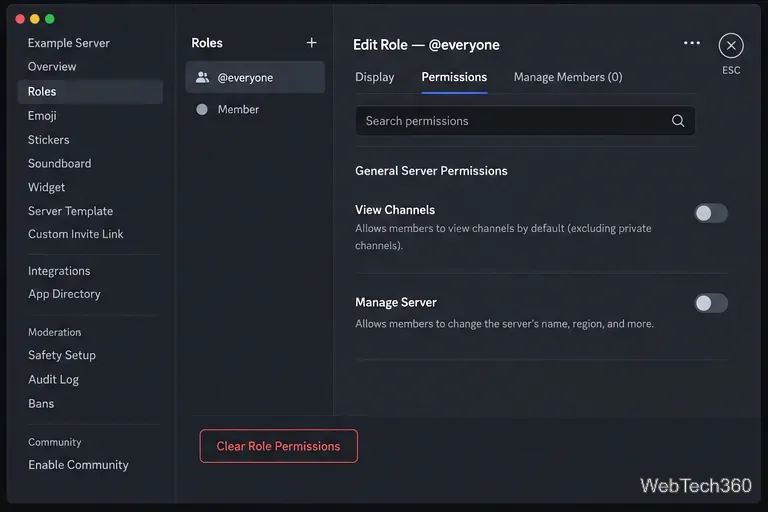
Control who can join, see channels, and find your Discord server with role permissions, invite links, and Discovery settings.
Create a Discord server in the desktop app or browser, organize channels, set permissions and safety tools, then share an invite that fits your group.
Build a renewable lava farm with pointed dripstone, one lava source, and a cauldron. Follow the setup, collection steps, and fixes for a cauldron that will not fill.
Fix a Minecraft skin that will not load by checking Bedrock Dressing Room, your Microsoft account, Marketplace downloads, updates, and Java skin settings.
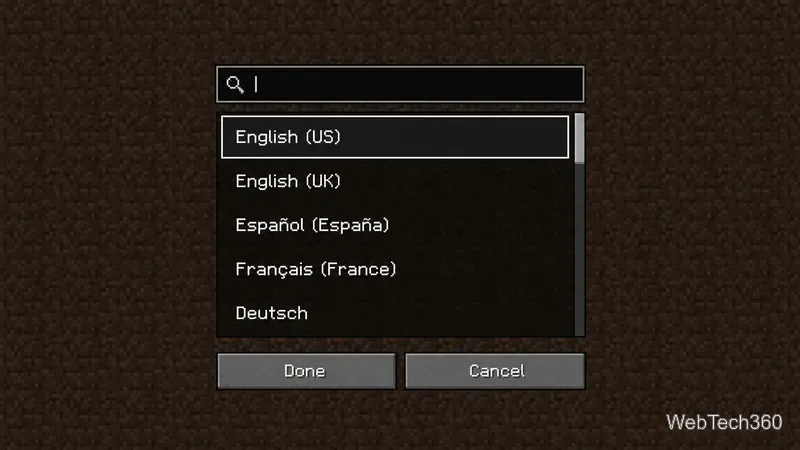
Minecraft language options differ between Java and Bedrock. See common languages, why old counts are unreliable, and where to check your edition.
Plan a practical Minecraft survival base with the essentials for safety, food, storage, and crafting, plus useful upgrades to add as your world grows.
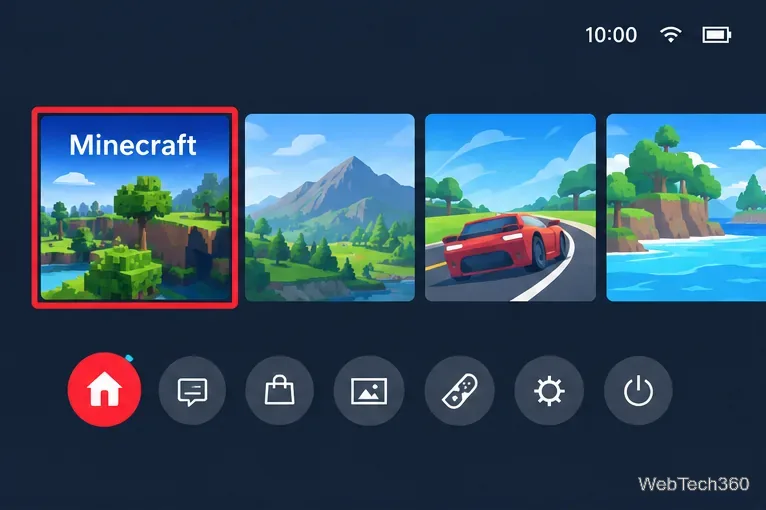
Update Minecraft on Nintendo Switch from the HOME Menu, enable automatic updates, and troubleshoot when the console cannot find or install one.
Learn the official ways to get Minecoins in Minecraft, redeem a prepaid code, spend coins on Marketplace content, and fix a missing balance.
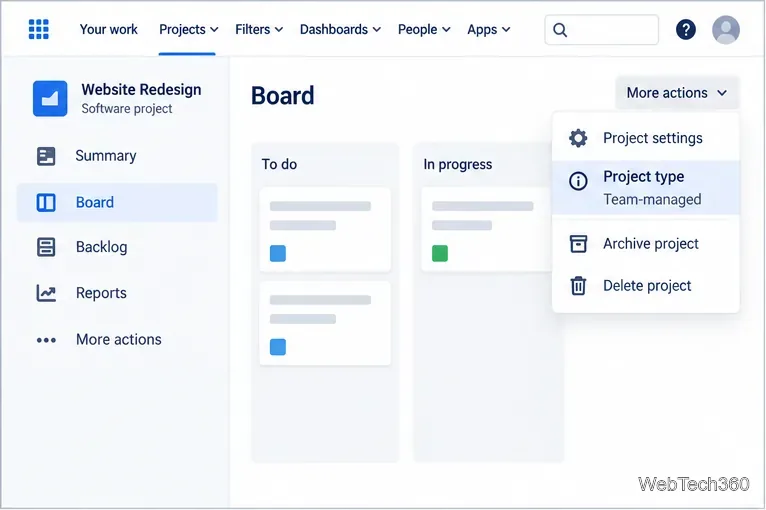
Learn how to add Jira users to team-managed and company-managed projects, assign the right role, and share a board’s saved filter safely.