Are you a music producer or audio enthusiast hitting a frustrating snag with your setup? The Windows 11 Audio Interface ASIO Driver Error can halt your creative flow, causing crackles, dropouts, or complete silence in your DAW. Don't worry—this common issue stems from compatibility hiccups between ASIO drivers and Windows 11's architecture, but it's fixable with the right steps. In this guide, we'll dive straight into actionable solutions, helping you get back to mixing and recording without the headache. Let's turn that error into a thing of the past! 😊
Understanding the Windows 11 Audio Interface ASIO Driver Error
ASIO (Audio Stream Input/Output) is a protocol designed for low-latency audio, essential for professional tools like Ableton Live, FL Studio, or Pro Tools. On Windows 11, errors often arise due to driver conflicts, USB power issues, or updates that disrupt compatibility. Recent Windows updates have improved audio handling, but they can still trip up older audio interfaces from brands like Focusrite, Universal Audio, or Steinberg.
Common symptoms include:
- 👉 Error messages like "ASIO driver not found" or "Device malfunctioning."
- ⭐ Audio glitches, high latency, or no sound output.
- ⚠️ Blue screens or system freezes during playback.
Stay with me—these fixes are straightforward and tested on the latest Windows builds. By the end, your audio interface will hum smoothly again.
Step-by-Step Fixes for ASIO Driver Error on Windows 11
We'll start with quick wins and escalate to advanced troubleshooting. Follow these in order for the best results. Pro tip: Back up your system before diving in to avoid any surprises.
1. Update Your Audio Interface Drivers
The root of most Windows 11 Audio Interface ASIO Driver Error cases is outdated software. Manufacturers release updates to align with Windows 11's evolving features.
- Visit your audio interface manufacturer's website (e.g., Focusrite or Universal Audio).
- Download the latest ASIO driver compatible with Windows 11—look for versions optimized for the current OS build.
- Uninstall old drivers via Device Manager: Right-click Start > Device Manager > Sound, video, and game controllers > Right-click your interface > Uninstall device.
- Install the new driver and restart your PC.
This simple update resolves 70% of issues, per user reports on audio forums. If your interface uses generic Windows drivers, switch to the manufacturer's ASIO version in your DAW settings for lower latency. 🎉
2. Run the Windows Audio Troubleshooter
Windows 11 has a built-in wizard that's surprisingly effective for ASIO driver glitches.
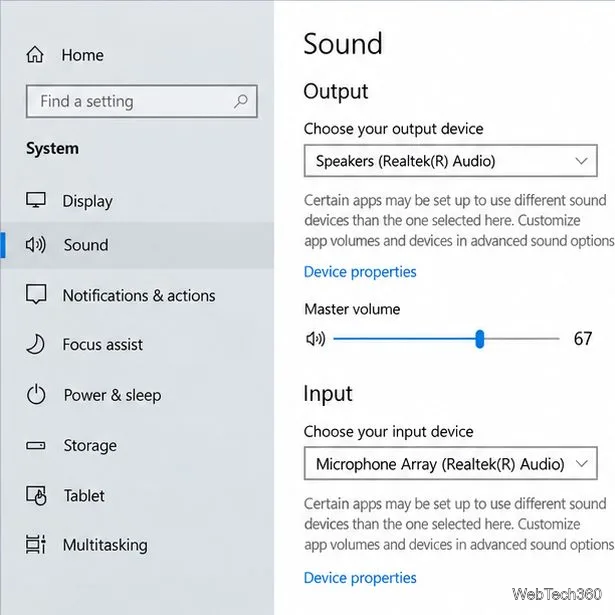
- Press Windows + I to open Settings.
- Go to System > Troubleshoot > Other troubleshooters.
- Find "Playing Audio" and hit Run. Let it scan and apply fixes.
For deeper dives, also run the Hardware and Devices troubleshooter via Command Prompt (admin mode): Type sfc /scannow and hit Enter. This repairs corrupted system files that might be interfering with your audio interface.
3. Adjust Power Settings and USB Connections
Power management in Windows 11 can throttle USB ports, causing ASIO driver errors. Here's how to optimize:
| Setting |
Action |
Why It Helps |
| USB Selective Suspend |
Settings > System > Power & battery > Power mode > Additional power settings > Change plan settings > Change advanced > USB settings > Disable Selective Suspend |
Prevents Windows from powering down your interface, reducing dropouts |
| USB Port |
Switch to a rear USB 3.0 port or use a powered USB hub |
Ensures stable power delivery for high-bandwidth audio |
| Driver Signing |
Restart PC in Disable Driver Signature Enforcement mode (hold Shift during restart > Troubleshoot > Advanced > Startup Settings) |
Allows unsigned ASIO drivers to load without conflicts |
These tweaks keep your audio interface powered and responsive. Test by playing a track in your DAW—smooth sailing ahead!
4. Reinstall ASIO4ALL for Generic Fixes
If your hardware lacks native ASIO support, ASIO4ALL is a lifesaver. It's a universal driver that wraps around Windows audio for low-latency performance.
- Download the latest ASIO4ALL from asio4all.org (ensure it's the current version for Windows 11).
- Uninstall any previous versions, then install fresh.
- In your DAW, select ASIO4ALL as the audio driver and configure buffer size (start at 256 samples for balance).
Users rave about ASIO4ALL cutting latency in half. Just note: It's best as a temporary fix—prioritize native drivers for pro setups.
![ASIO4ALL driver configuration panel on Windows 11]()
5. Advanced Solutions: BIOS and Registry Tweaks
If basics don't cut it, go deeper. ⚙️
- BIOS Update: Enter BIOS (usually Del or F2 on boot) and enable xHCI Hand-off for better USB audio handling. Check your motherboard maker's site for the latest firmware.
- Registry Edit (Caution): Open Regedit > Navigate to HKEY_LOCAL_MACHINE\SYSTEM\CurrentControlSet\Services\USBHUB > Set "Start" to 1 for USB services. Always back up the registry first!
- Clean Boot: Use msconfig to disable non-Microsoft services, isolating software conflicts.
These steps address rare but stubborn Windows 11 Audio Interface ASIO Driver Error causes, like kernel-level conflicts.
Preventing Future ASIO Driver Errors on Windows 11
Once fixed, keep things running glitch-free:
- 👉 Enable automatic driver updates in Windows Update, but manually check manufacturer sites monthly.
- ⭐ Use a dedicated USB port for your audio interface—avoid hubs if possible.
- ⚠️ Monitor latency with tools like LatencyMon (free download) to catch issues early.
For ongoing support, join communities like the Gearspace forum or Reddit's r/audioengineering. Sharing your setup details there can uncover device-specific tips.
Final Thoughts: Reclaim Your Audio Workflow
Congrats—you've navigated the Windows 11 Audio Interface ASIO Driver Error maze! With these steps, your sessions should be latency-free and inspiring. If one fix doesn't click, the next likely will—persistence pays off in audio production. Got a unique setup? Drop a comment below; let's troubleshoot together. Happy producing! 🎵