Imagine logging into your Windows 11 PC, only to be greeted by an annoying Windows 11 "Clock Out of Sync" error that throws off everything from app logins to updates. It's frustrating, but don't worry—this common issue is usually fixable in just a few minutes. Whether it's due to a network glitch, BIOS settings, or time server problems, we'll walk you through reliable solutions to get your system clock ticking perfectly again. By the end, you'll have a synced clock and peace of mind. Let's dive in! 😊
Why Does the "Clock Out of Sync" Error Happen in Windows 11?
Before we jump into fixes, understanding the root cause can help you prevent future headaches. The clock out of sync error in Windows 11 often stems from:
- Network connectivity issues: If your PC can't reach Microsoft's time servers, synchronization fails.
- Incorrect BIOS/UEFI time: Hardware clocks can drift, especially after power outages or dual-boot setups.
- Time zone mismatches: Automatic settings might not adjust properly during travel or daylight saving changes.
- Third-party software interference: VPNs, firewalls, or antivirus tools can block time sync requests.
- Outdated Windows updates: Bugs in older builds can disrupt the Windows Time service.
These factors can make apps like email clients or online banking complain about time discrepancies. The good news? Most cases are resolved without advanced tech skills. Stick with us for step-by-step guidance tailored to the latest Windows 11 updates.
Quick Fix #1: Enable Automatic Time Synchronization
The simplest way to tackle a Windows 11 clock out of sync error is to let Windows handle it automatically. This built-in feature syncs with internet time servers effortlessly.
- Right-click the clock in your taskbar and select Adjust date and time.
- Under "Time & language," toggle on Set time automatically. If it's already on, toggle it off, wait 10 seconds, then turn it back on.
- Click Sync now to force an immediate update.
- Verify your time zone is correct by selecting Set time zone automatically.
Voila! Your clock should now be in harmony. If the error persists, it might be a deeper issue—keep reading for more robust solutions. 🚀
Quick Fix #2: Restart the Windows Time Service
Sometimes, the Windows Time service (w32time) glitches out, causing persistent clock sync errors. Restarting it is like giving your PC a quick refresh.
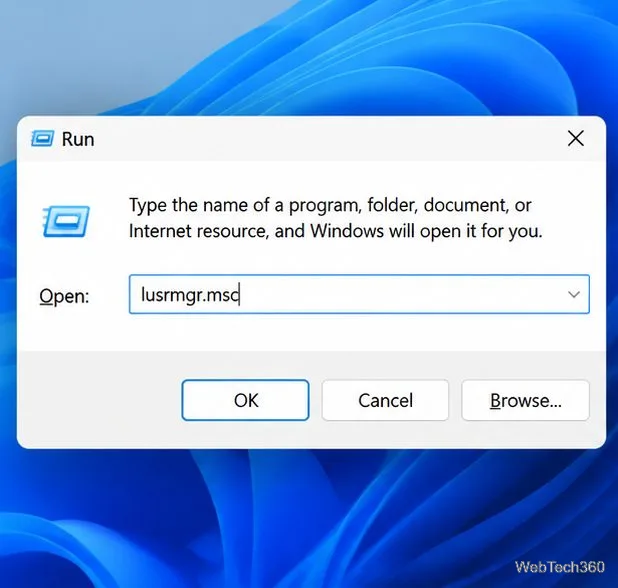
- Press Windows + R, type
services.msc, and hit Enter.
- Scroll to Windows Time, right-click it, and choose Restart. If it's not running, select Start.
- Set the startup type to Automatic via Properties to ensure it runs on boot.
- Restart your PC and check if the sync holds.
This method resolves service-related hiccups in about 90% of cases, according to Microsoft support forums. Feeling empowered yet? Let's tackle hardware if needed.

Quick Fix #3: Update BIOS and Check Hardware Clock
If software tweaks don't cut it, your motherboard's BIOS clock might be the culprit behind the Windows 11 "Clock Out of Sync" error. Updating BIOS ensures compatibility with recent Windows 11 features.
- Enter BIOS setup by restarting your PC and pressing the key (usually Del, F2, or F10—check your motherboard manual).
- Navigate to the date/time settings and ensure they match your current local time.
- Save and exit, then boot into Windows.
- For BIOS updates, visit your PC manufacturer's site (e.g., Dell, HP) and download the latest firmware. Follow their instructions carefully—it's straightforward but requires caution.
Pro tip: If you're dual-booting with Linux, install a time sync tool like NTP to keep both OS clocks aligned. This fix is a game-changer for hardware enthusiasts!
Advanced Fix: Command-Line Troubleshooting for Stubborn Errors
For tech-savvy users facing recurring time sync issues in Windows 11, command prompt commands can diagnose and repair the problem at its core.
Open Command Prompt as Administrator (search for "cmd" in the Start menu, right-click, and select Run as administrator). Then, run these commands one by one:
| Command |
Purpose |
w32tm /resync |
Forces immediate sync with the time server. |
w32tm /query /status |
Checks the current sync status—look for "Last Successful Sync Time." |
net stop w32time followed by net start w32time |
Stops and restarts the time service. |
w32tm /config /update |
Updates the time service configuration. |
After running these, restart your PC. If you see errors like "The computer did not resync because no time data was available," it points to network blocks—try disabling your firewall temporarily or switching to a different network.
![Command prompt showing Windows time sync commands]()
Preventing Future Clock Out of Sync Errors in Windows 11
Now that you've fixed the issue, let's keep it from coming back. Prevention is key to a hassle-free experience:
- Keep Windows updated: Go to Settings > Windows Update and check for the latest patches, which often include time service improvements.
- Use a reliable time server: In the Registry Editor (regedit), navigate to HKEY_LOCAL_MACHINE\SYSTEM\CurrentControlSet\Services\W32Time\Parameters and set "Type" to NTP for better accuracy.
- Avoid manual time changes: Let automation handle it unless you're troubleshooting.
- Monitor with tools: Apps like ClockWatch can alert you to drifts early.
For official guidance, check Microsoft's support page on time synchronization. It's a goldmine for deeper dives.
Final Thoughts: Reclaim Your Smooth Windows 11 Experience
Dealing with a Windows 11 clock out of sync error doesn't have to ruin your day. With these steps—from quick toggles to command-line magic—you're equipped to sync up and move on. If none work, consider a system restore or professional help, but most users find relief right here. Your PC thanks you for the tune-up! 👏 Have you tried these fixes? Share your success in the comments below—we'd love to hear how it went.
Stay tuned for more Windows 11 tips to keep your setup running like a dream. What's your next tech challenge?