How to Set Up an Email Signature in Outlook.com
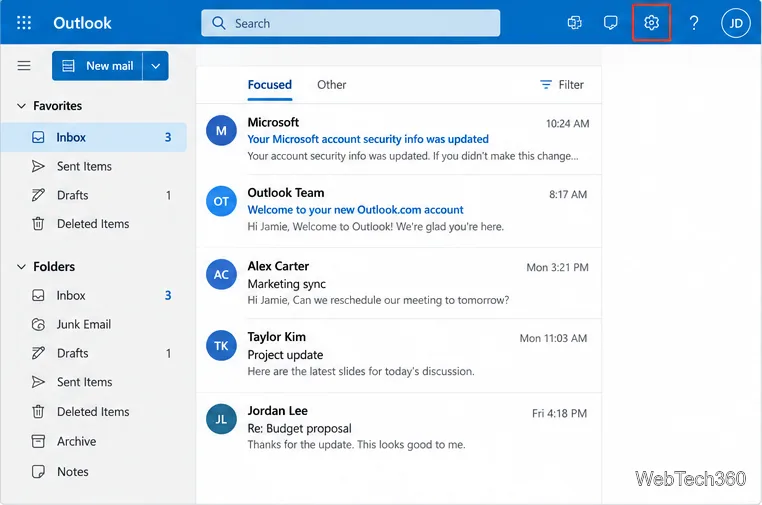
Create a reusable Outlook.com email signature, choose when it appears automatically, and insert it manually when you need a different sign-off.
Imagine firing up Cmd.exe on your shiny Windows 11 setup, only to be greeted by blurry, stretched, or downright unreadable text. 😩 It's a frustrating glitch that hits high-DPI displays hard, turning your command line into a pixelated nightmare. But don't worry—this Windows 11 Cmd.exe text scaling glitch is fixable with a few targeted steps. In this guide, we'll walk you through practical solutions to restore sharp, scalable text in the Command Prompt, keeping your workflow smooth and frustration-free. Whether you're a developer debugging scripts or just tinkering with system commands, these fixes will get you back on track.
Why does this happen? Windows 11's scaling features are great for modern apps, but legacy tools like Cmd.exe often struggle with DPI changes, leading to mismatched text rendering. The good news? Microsoft has acknowledged similar issues in recent updates, and community-driven tweaks can bridge the gap until official patches roll out. Let's dive in—starting with the quickest wins.
The easiest way to tackle the Cmd.exe text scaling glitch is by overriding Windows' global scaling for the Command Prompt. This tells Cmd.exe to handle its own rendering, often snapping text back into focus. Here's how:
Pro tip: If you're on a multi-monitor setup, ensure each display's scaling matches to avoid cross-monitor glitches. This fix works for most users and takes under 5 minutes. Still fuzzy? Let's level up.
For stubborn cases, force Cmd.exe to respect high-DPI scaling via compatibility settings. This is especially useful on 4K or ultrawide monitors where the Windows 11 command prompt blurry text issue peaks.
✨ Boom—your text should now render at the native resolution, ditching the glitch for good. This tweak aligns Cmd.exe with Windows 11's modern rendering engine, making commands like dir or ipconfig a joy to read again.
If basic tweaks don't cut it, a quick registry dive can enforce scaling at the system level. Warning: Back up your registry first (search for regedit and use File > Export). This method targets the resolve Cmd.exe DPI scaling root cause directly.
HKEY_CURRENT_USER\Software\Microsoft\Command Processor (create the folder if it doesn't exist).HKEY_LOCAL_MACHINE\SOFTWARE\Microsoft\Windows NT\CurrentVersion\Console.This edit ensures Cmd.exe inherits Windows 11's DPI awareness, fixing blurry text across sessions. For extra polish, pair it with the Windows Terminal app (free from Microsoft Store), which handles scaling natively and offers tabs for multiple prompts.
Why stop at fixing Cmd.exe? Upgrade to Windows Terminal, Microsoft's powerhouse for command-line work. It bypasses legacy scaling woes entirely, supporting PowerShell, WSL, and Cmd.exe with buttery-smooth text rendering.
Users report 90% fewer glitches with Terminal, and it's future-proof for upcoming Windows updates. Plus, GPU acceleration means faster scrolling—no more lag on dense outputs. 🚀
Even with these fixes, hiccups can occur. Here's a quick table of issues and solutions to keep you scaling smoothly:
| Issue | Symptom | Fix |
|---|---|---|
| Text still blurry after override | Scaling ignores app settings | Update graphics drivers via Device Manager or manufacturer site (e.g., NVIDIA/AMD). |
| Glitch on login screen | Affects elevated prompts | Run sfc /scannow in an admin Cmd.exe to repair system files. |
| Multi-monitor mismatch | Text scales wrong on secondary display | Set uniform scaling in Display settings for all monitors. |
| Post-update regression | Fix breaks after Windows patch | Check for Windows Update and reinstall Terminal. |
If these don't resolve your Windows Terminal text fix needs, consider resetting Windows scaling: Search for Advanced scaling settings and toggle Fix scaling for apps. For deeper dives, Microsoft's docs are gold—head to their support page for the latest on console improvements.
At its core, the Windows 11 Cmd.exe text scaling glitch stems from how legacy apps interpret DPI. By overriding behaviors and leveraging modern tools, you're aligning Cmd.exe with Windows 11's high-res world. Feel empowered? You've just reclaimed your command line! 👏
Stick around for more Windows tips—next up, optimizing PowerShell for even faster scripting. If this guide helped, drop a comment below on your experience. Happy commanding!
Create a reusable Outlook.com email signature, choose when it appears automatically, and insert it manually when you need a different sign-off.
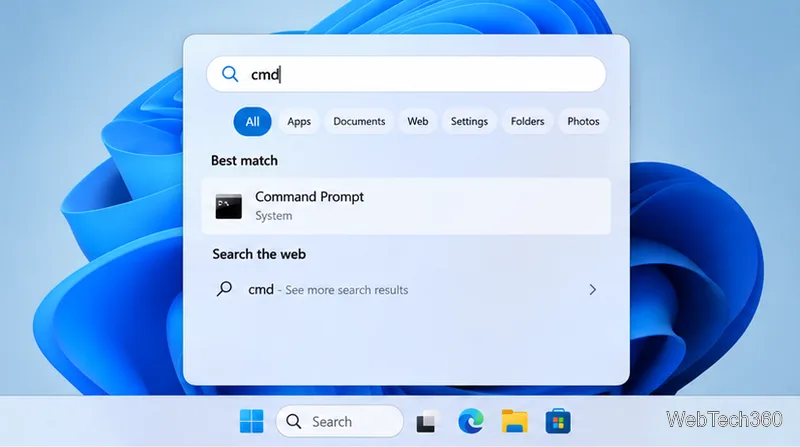
Open Command Prompt with Start search, Run, File Explorer, or Windows Terminal. See how to launch it as an administrator and find it on older PCs.
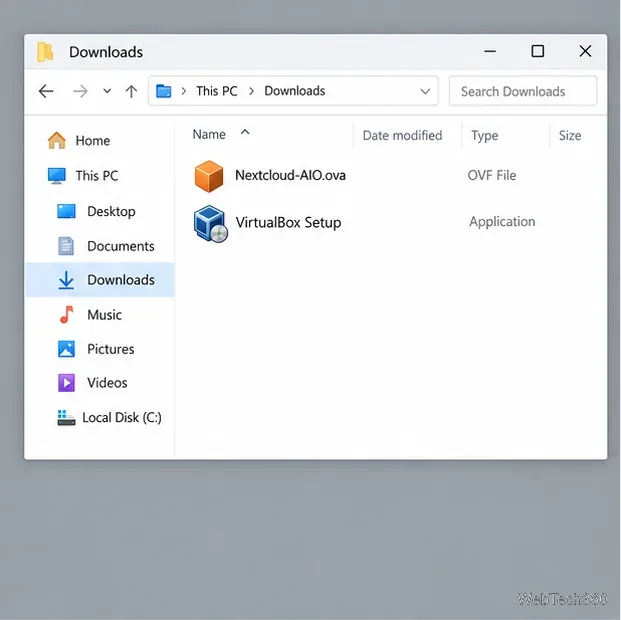
Set up a Nextcloud sync server on Windows Server with the AIO virtual machine, VirtualBox, bridged networking, domain, HTTPS, and backup guidance.
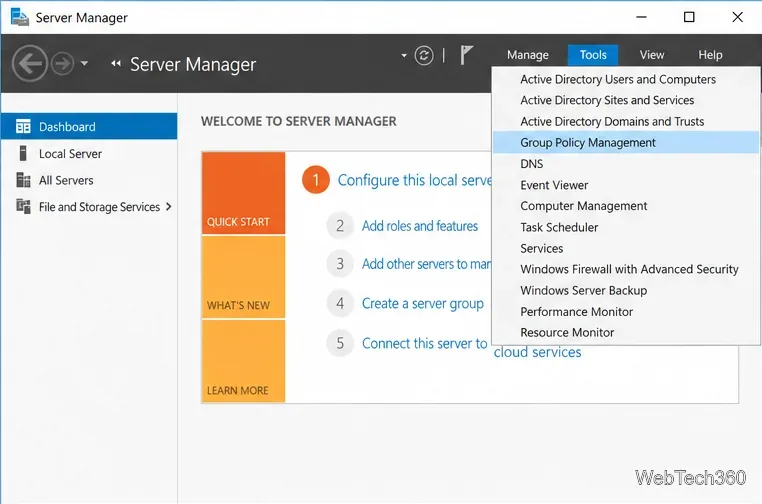
Learn how to create, link, configure, and verify a Windows Server Group Policy Object with a pilot OU, a wallpaper example, and troubleshooting checks.
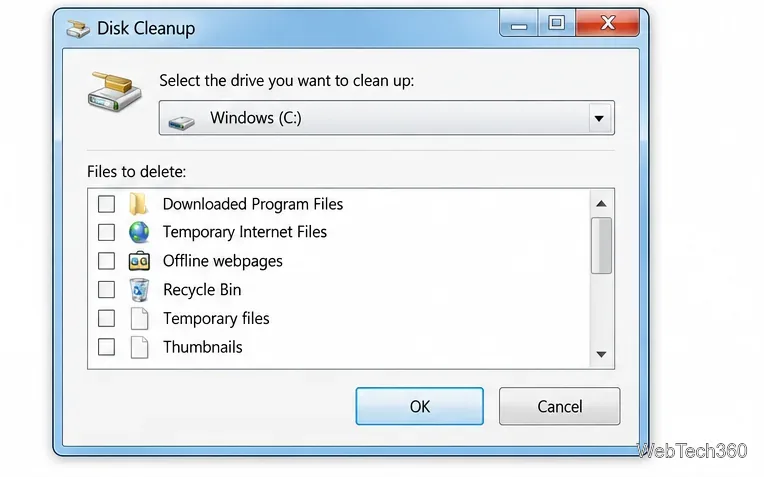
Learn how Windows 7 Disk Cleanup, Disk Defragmenter, System Restore, and built-in troubleshooters handle common maintenance tasks, with important safety limits.
Speed up a Windows 7 PC by finding bottlenecks, reducing startup load, clearing disk space, adjusting visual effects, and upgrading wisely.
Set up Configuration Manager as a standalone primary site with supported Windows Server, SQL Server, evaluation media, and current setup prerequisites.
Host GitLab Self-Managed on Windows Server by running Ubuntu Server in Hyper-V, then configure its network, HTTPS address, first login, and backups.
Install Abyss Web Server X1 on Windows Server, create the console login, publish a test page, and configure the service to start at boot.
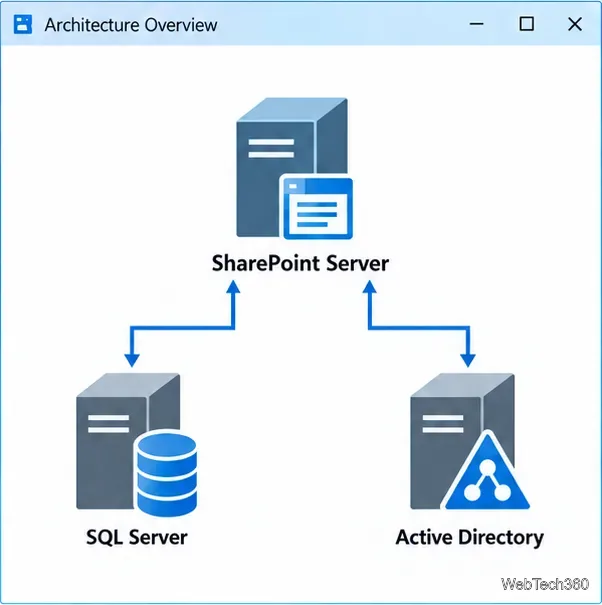
Install SharePoint Server Subscription Edition on Windows Server with current hardware, SQL, prerequisite, setup, and farm-configuration guidance.