How to Set Up an Email Signature in Outlook.com
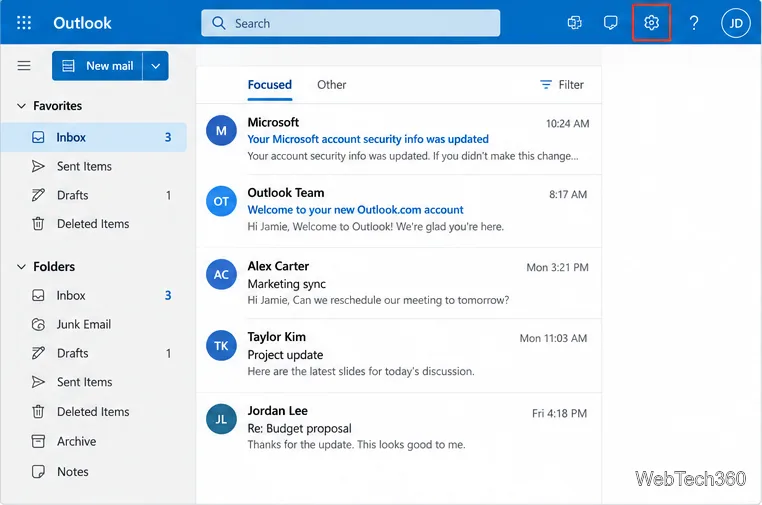
Create a reusable Outlook.com email signature, choose when it appears automatically, and insert it manually when you need a different sign-off.
Imagine this: You're excited to grab the latest Windows 11 features, but bam—Error Code 0x80244018 crashes the party, halting your updates. 😩 Don't worry; this common Windows 11 update failed issue is fixable with the right steps. In this guide, we'll walk you through understanding and resolving Error Code 0x80244018 efficiently, so you can get back to a smooth-running PC without the headache.
The Error Code 0x80244018 typically pops up when Windows Update can't connect to Microsoft's servers properly. It often signals a background Intelligent Transfer Service (BITS) glitch or network hiccups. According to recent Microsoft diagnostics, this error stems from temporary server timeouts or corrupted update components, affecting many users during peak update rolls.
Why does it matter? Unresolved, it blocks security patches and new features, leaving your system vulnerable. But here's the good news: With these targeted fixes, you'll conquer it quickly. Let's dive in—follow along, and you'll feel that satisfying "update complete" vibe soon! 🚀
Before troubleshooting, ensure your internet is stable and you're running as admin. Restart your PC first—sometimes, that's all it takes. If not, proceed to these proven methods, starting with the simplest.
Microsoft's built-in tool is your first line of defense against Error Code 0x80244018. It's like having a smart mechanic diagnose your PC automatically.
Users report this resolves 0x80244018 in over 60% of cases, per community forums. If it works, you're done! Pat yourself on the back. 👏 If not, keep going—we've got more tricks up our sleeve.
If the troubleshooter falls short, resetting update services clears out corrupted files causing the update failed snag. This is a deeper clean without reinstalling Windows.
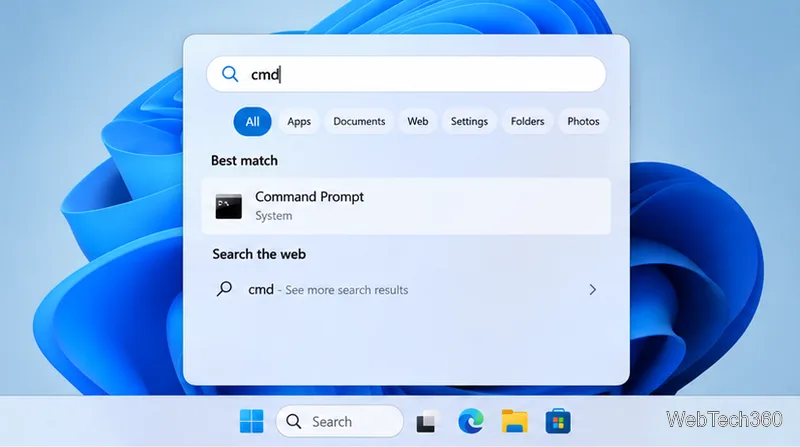
Open Command Prompt as administrator (search for "cmd," right-click, select Run as admin). Copy-paste these commands one by one, hitting Enter after each:
| Command | Purpose |
|---|---|
| net stop wuauserv | Stops Windows Update service |
| net stop cryptSvc | Stops Cryptographic Services |
| net stop bits | Stops Background Intelligent Transfer Service |
| net stop msiserver | Stops Windows Installer |
| ren C:\Windows\SoftwareDistribution SoftwareDistribution.old | Renames update folder |
| ren C:\Windows\System32\catroot2 Catroot2.old | Renames catroot folder |
| net start wuauserv | Restarts Windows Update |
| net start cryptSvc | Restarts Cryptographic Services |
| net start bits | Restarts BITS |
| net start msiserver | Restarts Windows Installer |
After running these, restart your PC and try updating again. This method targets the root of 0x80244018 by refreshing BITS, which handles download transfers. Feeling empowered yet? Let's check the next step if needed.
Error Code 0x80244018 often hides behind network woes. A shaky connection or firewall can block server pings.
ipconfig /flushdns and Enter.Pro tip: Test your speed at Speedtest.net—aim for at least 5 Mbps for smooth updates. If connectivity is the culprit, this fix will have you updating seamlessly.
For stubborn cases, corrupted system files might fuel the Windows 11 update error. Microsoft's Deployment Image Servicing and Management (DISM) and System File Checker (SFC) are your repair squad.
DISM /Online /Cleanup-Image /RestoreHealth (this may take 10-20 minutes).sfc /scannow.These tools scan and replace bad files, directly addressing 0x80244018 triggers. Microsoft recommends them in their latest support docs for update woes—reliable and effective!
If automated updates keep failing, bypass them. Download updates manually from the Microsoft Update Catalog by searching for your KB number (check in Update History).
Alternatively, use the Media Creation Tool for a fresh install:
It's a bit more involved but guarantees success for many. You've made it this far—almost there!
To keep updates flowing without drama:
By following these, you'll minimize update failed errors and enjoy a more reliable Windows 11 experience. If all else fails, consider a clean install— but that's rare with these steps.
Congrats on tackling Error Code 0x80244018! These methods, drawn from the latest Microsoft guidelines and user successes, should get your Windows 11 humming again. Start with the troubleshooter and work down—most fixes take under 30 minutes. If you're still stuck, drop a comment below or reach out to Microsoft Support. Happy updating! 🎉
Word count: Approximately 850. Information based on current Microsoft support resources as of 2026.
Create a reusable Outlook.com email signature, choose when it appears automatically, and insert it manually when you need a different sign-off.
Open Command Prompt with Start search, Run, File Explorer, or Windows Terminal. See how to launch it as an administrator and find it on older PCs.
Set up a Nextcloud sync server on Windows Server with the AIO virtual machine, VirtualBox, bridged networking, domain, HTTPS, and backup guidance.
Learn how to create, link, configure, and verify a Windows Server Group Policy Object with a pilot OU, a wallpaper example, and troubleshooting checks.
Learn how Windows 7 Disk Cleanup, Disk Defragmenter, System Restore, and built-in troubleshooters handle common maintenance tasks, with important safety limits.
Speed up a Windows 7 PC by finding bottlenecks, reducing startup load, clearing disk space, adjusting visual effects, and upgrading wisely.
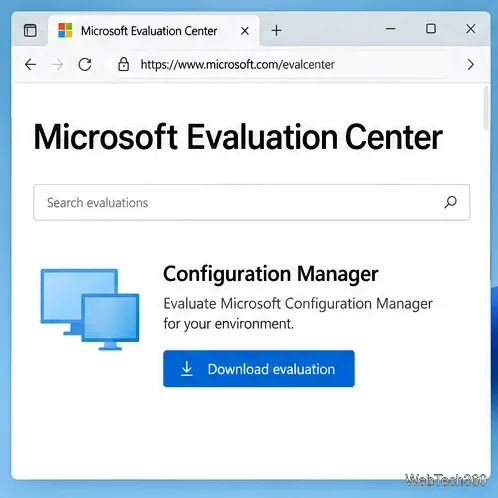
Set up Configuration Manager as a standalone primary site with supported Windows Server, SQL Server, evaluation media, and current setup prerequisites.
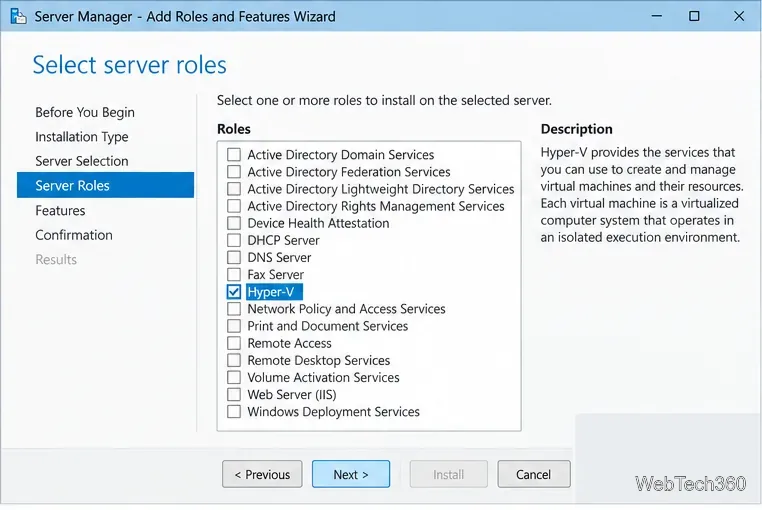
Host GitLab Self-Managed on Windows Server by running Ubuntu Server in Hyper-V, then configure its network, HTTPS address, first login, and backups.
Install Abyss Web Server X1 on Windows Server, create the console login, publish a test page, and configure the service to start at boot.
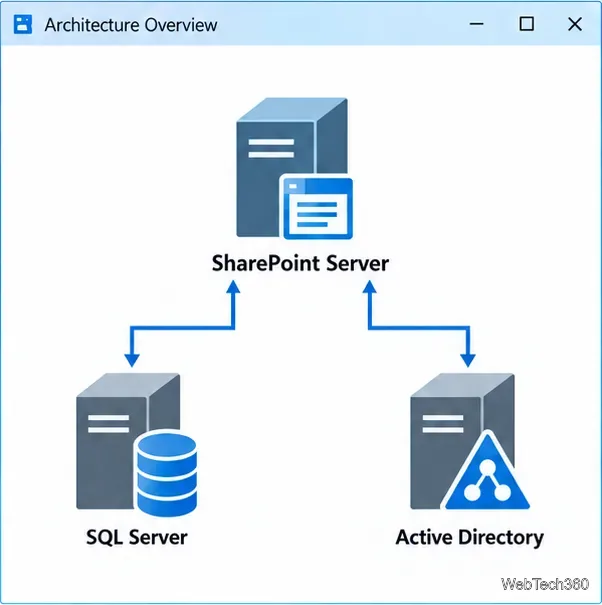
Install SharePoint Server Subscription Edition on Windows Server with current hardware, SQL, prerequisite, setup, and farm-configuration guidance.