Set Up VMware Workstation Pro on Windows Server
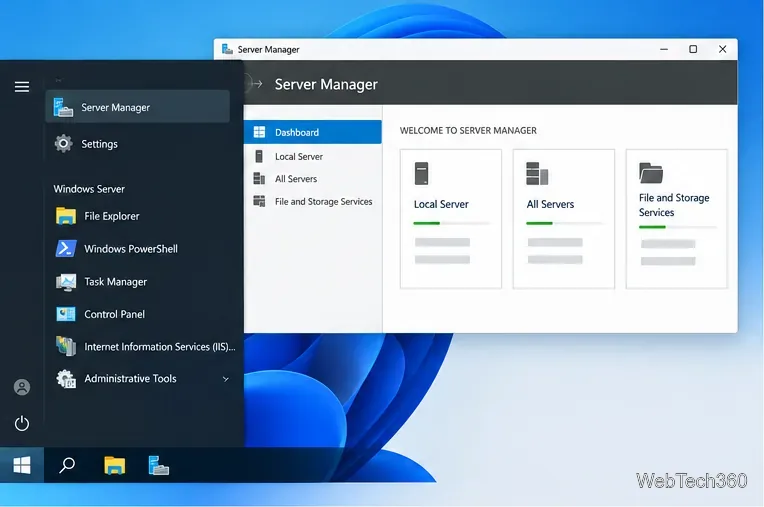
Install VMware Workstation Pro on a compatible Windows Server host, from checking support and downloading the right build to creating your first VM.
Imagine unlocking your Windows 11 PC with a quick glance—seamless and secure. But when the Windows 11 Face ID camera IR error strikes, that convenience vanishes, leaving you frustrated with login failures or endless error messages. Don't worry! This guide is your friendly roadmap to diagnosing and fixing Face ID issues caused by IR (infrared) camera glitches. We'll keep things straightforward, focusing on practical steps that work with the latest Windows updates, so you can get back to effortless logins in no time. Let's dive in and turn that frown upside down! 😊
The Windows 11 Face ID camera IR error typically occurs with devices using Windows Hello facial recognition, like laptops with built-in IR cameras (e.g., Surface or Dell models). The IR sensor detects your face even in low light, but errors can arise from driver conflicts, hardware glitches, or software bugs. Common symptoms include:
These issues often stem from outdated drivers, Windows updates interfering with hardware, or temporary glitches. The good news? Most can be resolved without tech expertise. Follow these steps in order for the best results.
Start simple—many camera IR errors resolve with a fresh start. 👆
If the error persists, it's time to dig deeper. These quick wins resolve about 40% of cases, based on Microsoft forums and user reports.
Outdated or corrupted drivers are a top culprit for Windows 11 Face ID woes. Here's how to refresh them:
| Step | Action | Why It Helps |
|---|---|---|
| 1. Device Manager Access | Right-click Start > Device Manager. Expand Imaging devices or Cameras. | Locates your IR camera quickly. |
| 2. Update Driver | Right-click your camera (e.g., "Integrated Webcam" or "IR Camera") > Update driver > Search automatically. | Pulls the latest compatible drivers from Microsoft. |
| 3. Uninstall and Reinstall | If no update, right-click > Uninstall device. Restart PC—Windows will reinstall automatically. | Clears corrupted files for a clean slate. |
| 4. Manufacturer-Specific | Visit your device maker's site (e.g., Dell, HP) for custom IR drivers. | Ensures optimal Windows 11 support. |
Pro tip: For Intel-based systems, download the latest Intel Driver & Support Assistant from Intel's official site. It scans and updates camera-related drivers automatically. After this, test Face ID setup again in Settings > Accounts > Sign-in options > Facial recognition (Windows Hello).
Sometimes, the issue isn't the camera but how Windows handles it. Let's tweak those settings:
Feeling stuck? Microsoft recommends clearing the TPM (Trusted Platform Module) if you're on a compatible device: Search for "tpm.msc" and reset if needed—but back up data first, as this affects security features.
If basics don't cut it, try these targeted solutions. Stay calm; we're almost there! ⭐
sfc /scannow to repair system files, then DISM /Online /Cleanup-Image /RestoreHealth for deeper fixes. Restart after.For Surface users, Microsoft's latest diagnostics tool (available via the Surface app) often pinpoints IR-specific issues. Download it from the Microsoft Store for tailored advice.
Once fixed, keep your setup smooth:
By following these steps, you'll likely resolve the troubleshooting Windows 11 Face ID camera IR error and enjoy secure, hands-free logins again. If nothing works, reach out to Microsoft Support or your device manufacturer—they offer free diagnostics for hardware faults. You've got this! If this guide helped, share your success story in the comments below. Ready to test your fix? Head to Settings now and set up Face ID—it's quicker than ever. 🚀
For official troubleshooting, visit Microsoft's Windows Hello support page.
Install VMware Workstation Pro on a compatible Windows Server host, from checking support and downloading the right build to creating your first VM.
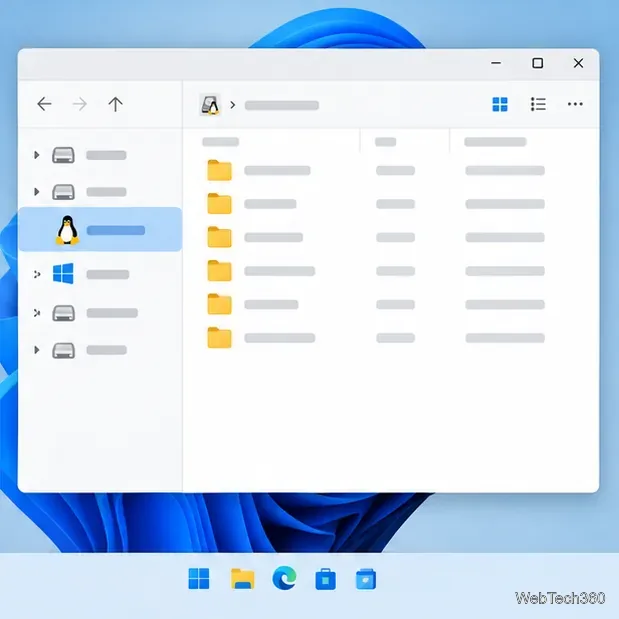
Browse and copy Ext2, Ext3, or Ext4 files on Windows with a read-only workflow. See what Linux Reader’s free edition supports and when WSL fits.
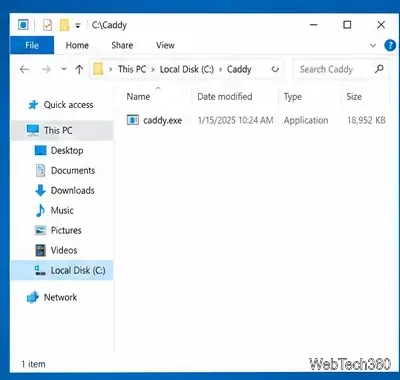
Install Caddy’s native Windows binary, serve a test site, enable automatic HTTPS for a domain, and run Caddy as a Windows Server service.
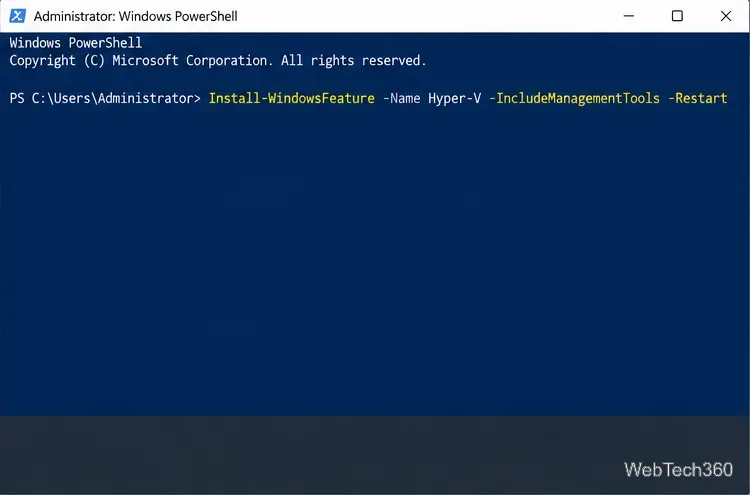
Run Linux Docker containers alongside Windows Server by creating an Ubuntu Hyper-V VM, installing Docker Engine, and publishing a test service safely.
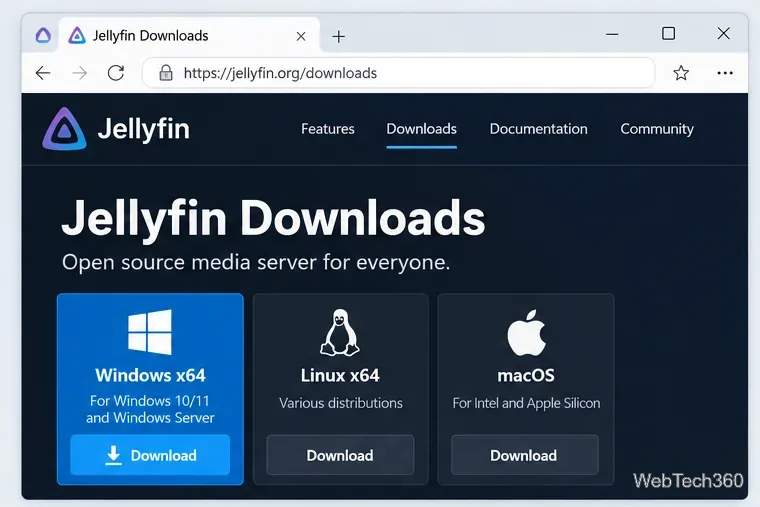
Install Jellyfin as a Windows service, grant it limited access to your media, finish setup, and connect clients on your LAN or through a safer remote connection.
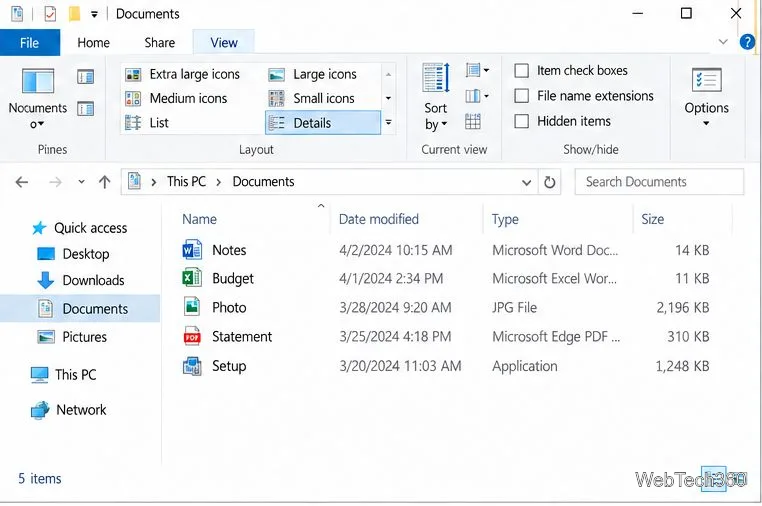
Turn on file name extensions in Windows 10 with File Explorer or Folder Options. Learn what endings like .pdf and .exe reveal and why renaming one does not convert a file.
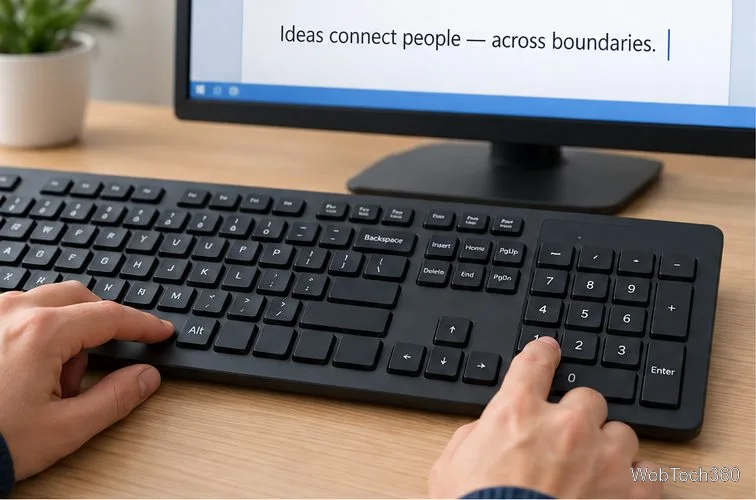
Learn five reliable ways to type an em dash, from Windows Alt codes and Mac keys to the symbol menus in Microsoft Word and Google Docs.
Install Python with the official Windows install manager, verify your interpreter, repair pip with ensurepip, and install packages in a project-specific virtual environment.
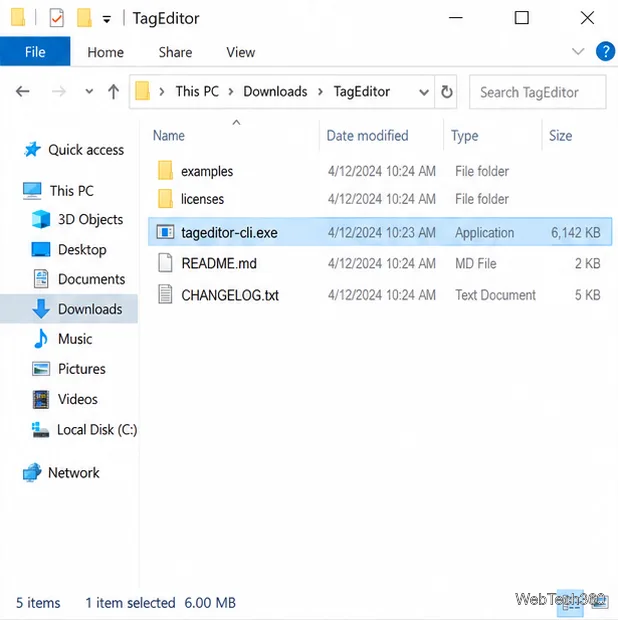
Learn how to embed a custom video thumbnail image on Windows 10 with Tag Editor, verify the saved cover, and understand when File Explorer may not display it.
Install a Windows Server container runtime, choose a compatible Windows image, and use Docker commands to start, inspect, and remove containers.