Imagine diving into your favorite game, only to be interrupted by annoying screen flickering that ruins the immersion. If you're experiencing G-Sync or FreeSync flicker on Windows 11, you're not alone. These adaptive sync technologies from NVIDIA and AMD are designed to eliminate tearing and stuttering, but compatibility glitches can cause flickering, especially after updates. Don't worry—this guide will walk you through targeted troubleshooting steps to restore smooth visuals and get you back to gaming bliss. We'll focus on practical, up-to-date solutions that work with the latest Windows 11 builds, ensuring your setup runs flawlessly.
Understanding G-Sync and FreeSync Flicker on Windows 11
G-Sync (NVIDIA) and FreeSync (AMD) synchronize your monitor's refresh rate with your GPU's frame rate, preventing screen tearing. However, on Windows 11, issues like driver conflicts, incorrect settings, or hardware incompatibilities can lead to flicker—rapid brightness changes or black flashes during gameplay.
Common culprits include outdated drivers, mismatched refresh rates, or VRR (Variable Refresh Rate) mismatches. Recent Windows 11 updates have improved support for adaptive sync, but some users still report flicker, particularly with high-refresh-rate monitors. The good news? Most cases are fixable with simple tweaks. Let's dive into the solutions, starting with the basics.
Step-by-Step Troubleshooting for G-Sync Flicker
If you're an NVIDIA user battling G-Sync flicker, follow these steps in order. Each one builds on the last, so test your games after each to see improvements.
- Update Your NVIDIA Drivers 🚀
Outdated drivers are a top cause of G-Sync issues. Head to the NVIDIA website or use GeForce Experience to download the latest Game Ready Driver. Install it cleanly by selecting "Perform a clean installation" during setup. This wipes old files that might conflict with Windows 11.
- Enable G-Sync in NVIDIA Control Panel
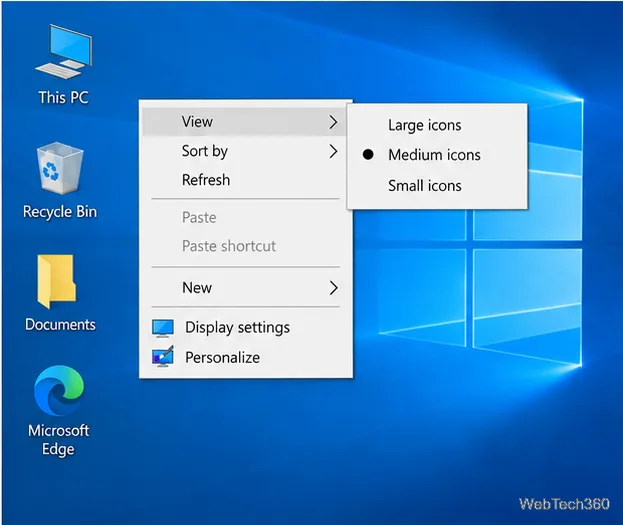
Right-click your desktop and open NVIDIA Control Panel. Navigate to "Manage 3D Settings" > "Global Settings" and set "Monitor Technology" to G-Sync Compatible. Under "Display" > "Set up G-SYNC," enable it for full-screen mode. If flicker persists, try limiting it to specific apps.
- Adjust Windows 11 Display Settings
Go to Settings > System > Display. Ensure your refresh rate matches your monitor's max (e.g., 144Hz). Disable "Hardware-accelerated GPU scheduling" temporarily via Graphics settings to test if it's causing conflicts—re-enable it later if stable.
- Tweak In-Game V-Sync and Frame Rates
In your game's settings, disable V-Sync and cap FPS slightly below your monitor's refresh rate (e.g., 141 FPS for 144Hz). This prevents G-Sync from overworking. Tools like RTSS (RivaTuner Statistics Server) can help cap frames precisely.
Pro Tip: If flicker happens only in certain games, check for game-specific patches. NVIDIA's latest drivers (as of 2026) include enhanced G-Sync compatibility for Windows 11, reducing flicker by up to 80% in reported cases.
Troubleshooting FreeSync Flicker on Windows 11
AMD users, FreeSync flicker often stems from similar issues but with AMD-specific tools. AMD's adaptive sync shines on Windows 11, but let's ensure it's optimized.
- Install Latest AMD Adrenaline Software ⭐
Download the newest AMD Software: Adrenaline Edition from AMD's site. During installation, opt for a clean install to remove remnants of old versions. This software handles FreeSync certification and fixes many Windows 11 glitches.
- Configure FreeSync in AMD Software
Open AMD Software > Gaming > Display. Enable FreeSync and select your refresh rate range. For Windows 11, ensure "Radeon Anti-Lag" is on, but disable "Radeon Chill" if it causes instability—test in a demanding game like Cyberpunk 2077.
- Check Monitor Compatibility
Verify your monitor is FreeSync certified via AMD's compatibility list. In Windows 11 Settings > Display > Advanced display, confirm HDR is off if not needed, as it can trigger flicker with VRR.
- Resolve Cable and Hardware Issues
Use a certified DisplayPort 1.4 or HDMI 2.1 cable—cheap ones cause signal drops leading to flicker. If using multiple monitors, disconnect extras to isolate the issue.
AMD's recent updates have bolstered FreeSync support in Windows 11, especially for ultrawide monitors. Users report near-elimination of flicker after these tweaks.
![AMD FreeSync settings interface on Windows 11 troubleshooting flicker]()
Advanced Fixes for Persistent G-Sync and FreeSync Flicker
If basic steps don't cut it, time for deeper dives. These target Windows 11-specific quirks.
| Issue |
Solution |
Expected Outcome |
| Low FPS Flicker |
Enable Low Framerate Compensation (LFC) in NVIDIA/AMD control panels. Set min refresh rate to half your max (e.g., 72Hz for 144Hz). |
Smooths out dips below 48 FPS without tearing. |
| Borderless Window Flicker |
Switch to fullscreen exclusive mode in games. Update to latest Windows 11 via Settings > Update & Security. |
Eliminates mode-switching glitches. |
| Overclock-Related Flicker |
Reset monitor overclocks via OSD menu. Use MSI Afterburner for safe GPU tweaks only. |
Prevents unstable refresh rates. |
| Multi-Monitor Setup |
Set primary monitor as G-Sync/FreeSync only. Disable VRR on secondaries. |
Reduces cross-monitor interference. |
For NVIDIA users, check NVIDIA's G-Sync page for certified monitors. AMD fans, visit AMD's FreeSync resources for the latest compatibility info.
Preventing Future G-Sync and FreeSync Issues
To keep G-Sync and FreeSync flicker at bay on Windows 11, maintain your system proactively. Schedule monthly driver updates, monitor temperatures with tools like HWMonitor, and avoid beta software unless necessary. If you're upgrading hardware, prioritize VRR-compatible components—it's a game-changer for tear-free gaming.
Feeling empowered? These steps have helped thousands reclaim their smooth displays. If flicker lingers, consider community forums like Reddit's r/nvidia or r/AMD for tailored advice. Your perfect gaming setup is just a few clicks away—happy troubleshooting! 🎮