How to Fix Snipping Tool Issues on Windows 11
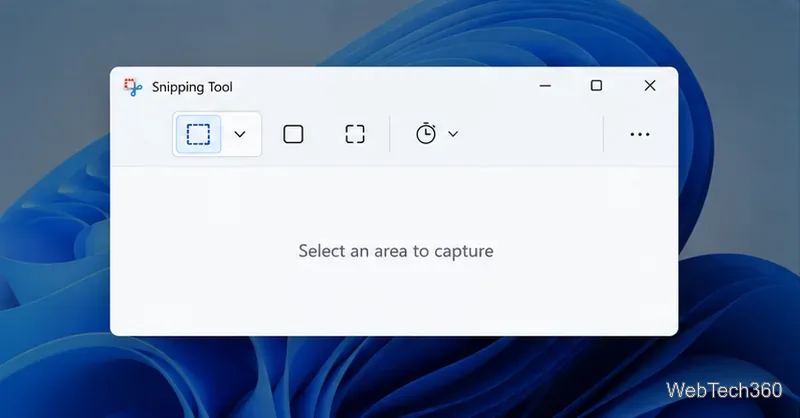
Fix common Snipping Tool problems in Windows 11 with steps to test the shortcut, update or repair the app, reinstall it, and restore missing capture notifications.
Is your Windows 11 PC running hot with Desktop Window Manager hogging your GPU? You're not alone—many users face this frustrating issue where the DWM.exe process spikes GPU usage, leading to slowdowns, fan noise, and wasted energy. But don't worry! This guide cuts straight to the chase with practical, up-to-date fixes to get your system back on track. We'll tackle the root causes and provide simple steps to resolve Windows 11 "Desktop Window Manager" High GPU usage, ensuring you enjoy a cooler, faster machine. Let's dive in and reclaim your performance.
The Desktop Window Manager (DWM) is a core Windows component responsible for rendering visual effects like transparency, animations, and shadows. In Windows 11, it's optimized for modern hardware, but sometimes it overworks your GPU due to bugs, outdated drivers, or resource conflicts. This can push GPU usage to 50-100%, even during light tasks like browsing.
Why does this happen? Common triggers include:
Recognizing these signs early can prevent bigger problems. If your Task Manager shows DWM.exe dominating GPU resources, it's time to act. Stick with us—these fixes are straightforward and effective, based on the latest Windows 11 troubleshooting from Microsoft and community insights.

Start with these no-fuss solutions to quickly lower high GPU usage. Most take just minutes and require no advanced skills. We'll build from basic to advanced, so you can stop at what works for you.
Outdated drivers are a top culprit for Desktop Window Manager high GPU spikes. NVIDIA, AMD, and Intel release frequent updates to optimize for Windows 11.
Steps:
Pro tip: After updating, restart your PC and monitor GPU usage in Task Manager (Ctrl + Shift + Esc > Performance tab). Many users report a 30-50% drop in DWM load immediately.
Windows 11's GPU scheduling feature can sometimes cause DWM to overuse resources. Turning it off often resolves the issue without losing much performance.
Steps:
This tweak has helped countless users tame Windows 11 high GPU from DWM. If you're on a laptop, it might even extend battery life! 👍
Windows 11's flashy animations look great but can tax your GPU via DWM. Dialing them back frees up resources.
Steps:
You'll notice snappier performance with minimal visual loss. It's a small change for a big win in reducing Desktop Window Manager high GPU.
If quick fixes don't cut it, these deeper dives target stubborn issues. We've prioritized methods that are safe and reversible.
Corrupted system files can make DWM misbehave. Use built-in tools to scan and repair.
Steps:
DISM /Online /Cleanup-Image /RestoreHealth and press Enter. Wait for it to finish.sfc /scannow.These commands restore Windows integrity, often fixing Windows 11 performance issues like high DWM GPU drain. Microsoft recommends them for stability.
Multiple displays amplify DWM's workload. If you have extras, test disconnecting them temporarily.
Additionally, ensure your display scaling is set correctly:
For multi-monitor setups, update your GPU drivers and consider limiting refresh rates to 60Hz to ease the load.
For pinpointing culprits, tools like MSI Afterburner or HWMonitor can track real-time GPU stats beyond Task Manager.
A quick table of recommended monitoring tools:
| Tool | Purpose | Free? |
|---|---|---|
| MSI Afterburner | GPU monitoring and overclocking | Yes |
| HWMonitor | Temperature and usage tracking | Yes |
| GPU-Z | Detailed GPU specs and sensors | Yes |
Install one, run a stress test, and identify if DWM spikes correlate with specific apps. This data empowers smarter fixes.
To keep high GPU usage at bay, adopt these habits:
By staying proactive, you'll minimize Windows 11 "Desktop Window Manager" High GPU recurrences. If issues persist, consider hardware checks—your GPU might need a rest!
For official guidance, check Microsoft's support on troubleshooting high resource usage.
Fixing Desktop Window Manager high GPU in Windows 11 doesn't have to be a nightmare. From driver updates to visual tweaks, these steps have helped thousands restore efficiency. Try them in order, and you'll likely see immediate improvements. Your PC deserves to run cool and quiet—now go enjoy it! If you have tips that worked for you, share in the comments below. 🚀
Fix common Snipping Tool problems in Windows 11 with steps to test the shortcut, update or repair the app, reinstall it, and restore missing capture notifications.
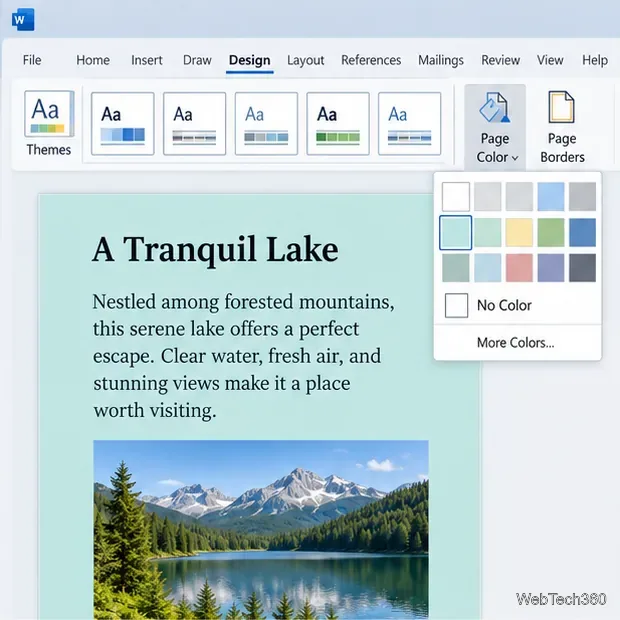
Choose a color-capable printer, enable Word’s background-print setting, and check the preview so page colors, images, and graphics print as expected.
Learn how to use WinX DVD Ripper to convert a DVD you’re entitled to copy into an MP4 file, choose the right title and destination, and troubleshoot playback problems on Windows 10 or 11.
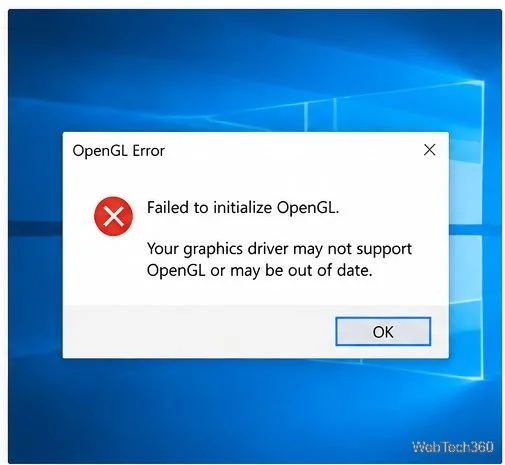
Troubleshoot OpenGL errors in Windows 10 by checking graphics drivers, repairing system files, reinstalling the affected app, and reviewing graphics settings.
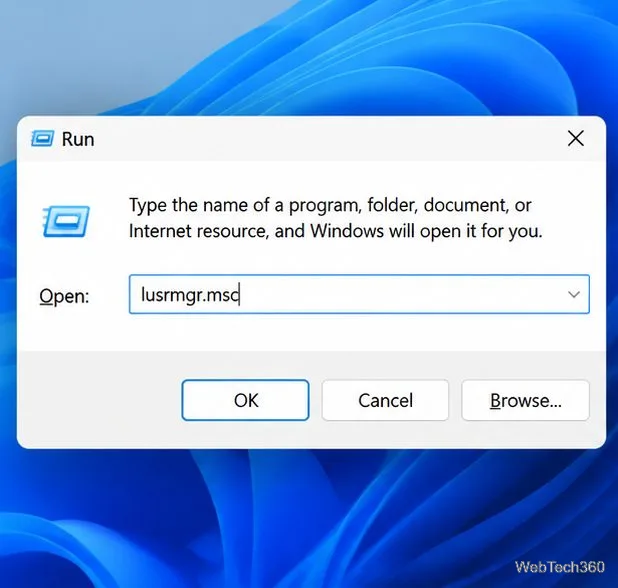
Learn when to use net user, lusrmgr.msc, and net localgroup to view, create, disable, and manage local Windows accounts safely.
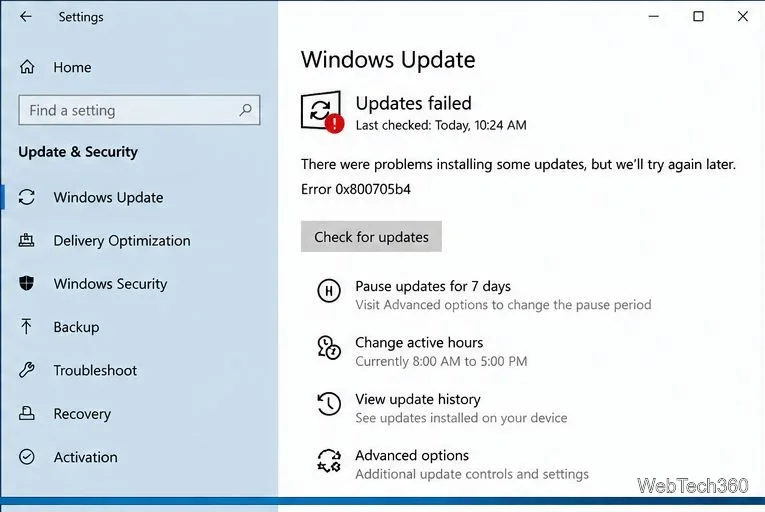
Resolve Windows Update error 0x800705b4 with practical checks for connectivity, update services, cached files, and damaged Windows system components.
Find words or phrases across multiple text files on Windows 10 with grepWin. Learn how to choose folders, filter file types, include subfolders, and read matches safely.
Capture your PC’s playback with FFmpeg on Windows 10. Enable Stereo Mix or use a loopback device, find its DirectShow name, and save clean audio.
Learn how to adjust Windows 10 mouse pointer speed, change pointer precision, and set hardware DPI with a supported gaming mouse or manufacturer app.
Learn what the legacy Edge blocker registry setting does, how to set it safely, and why it will not stop updates for Microsoft Edge already installed.