How to Check Hard Drive Health in Windows Server
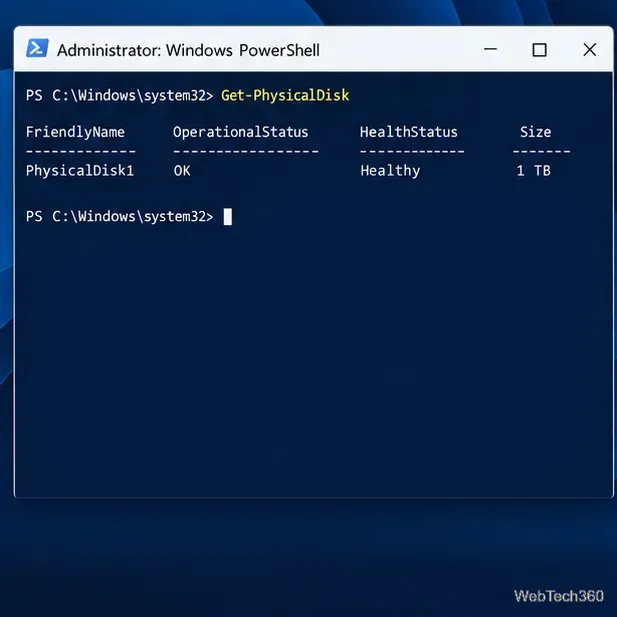
Check Windows Server disk status and reliability counters, verify SMART data when available, and separate hardware warnings from NTFS errors.
Imagine trying to browse the web, only to find your Windows 11 proxy server turning on automatically and slowing everything down. It's frustrating, right? 😩 But don't worry—this common issue can be resolved with a few straightforward steps. In this guide, we'll walk you through diagnosing and fixing the problem so you can enjoy a smooth, uninterrupted online experience. Whether it's a misconfigured setting or sneaky software interference, we've got you covered with reliable, up-to-date solutions.
Before diving into fixes, let's quickly understand the culprit. A proxy server acts as an intermediary for your internet requests, often used for security or privacy. However, when it activates automatically in Windows 11, it might stem from:
Spotting the cause is half the battle. Now, let's roll up our sleeves and fix it! Follow these steps in order for the best results.
The simplest starting point is checking your built-in proxy options. This often resolves automatic toggling without advanced tweaks.
If the proxy still flips on after a reboot, it's time to dig deeper. Keep reading for more powerful solutions! 🚀
Even in modern Windows 11, Internet Explorer's legacy settings influence proxy behavior. Resetting them can clear persistent automatic activations.
This method is a game-changer for many users, as it resets underlying network protocols shared across apps. Feeling optimistic yet? Let's continue to ensure it's gone for good. 👍
For stubborn cases where the proxy server turning on automatically defies basic tweaks, command-line tools can flush out the glitches.
Open Command Prompt as Administrator (right-click Start > Terminal (Admin)) and run these commands one by one:
| Command | Purpose |
|---|---|
netsh winsock reset |
Resets the Winsock catalog to default, clearing proxy-related errors. |
netsh int ip reset |
Resets TCP/IP stack, often fixing automatic proxy triggers. |
ipconfig /flushdns |
Clears DNS cache that might be linked to proxy misconfigurations. |
ipconfig /release && ipconfig /renew |
Refreshes your IP address to break any proxy loops. |
After executing, reboot your system. This combo has helped countless users reclaim their network freedom—it's like hitting the reset button on your internet woes!
If you're on Windows 11 Pro or Enterprise, Group Policy might be enforcing the proxy. Disabling it here prevents automatic turn-ons.
gpedit.msc, and hit Enter.gpupdate /force in Command Prompt (Admin) to apply changes, then restart.Pro tip: If Group Policy isn't available (Home edition), skip to the Registry fix below—it's just as effective. You're almost there; these tweaks build on each other for lasting results.
Warning: Back up your registry first (via regedit > File > Export). This targets deep-seated issues causing the Windows 11 proxy server to auto-enable.
regedit, and press Enter.HKEY_LOCAL_MACHINE\SOFTWARE\Policies\Microsoft\Windows\CurrentVersion\Internet Settings.0 (DWORD value).HKEY_CURRENT_USER\Software\Microsoft\Windows\CurrentVersion\Internet Settings and ensure ProxyEnable is 0.Registry edits can feel intimidating, but they're precise and often permanent fixes. Pat yourself on the back for getting this far—your network is now fortified! 🎉
To keep the proxy server turning on automatically from rearing its head again:
If software like antivirus is the source, check its settings for proxy overrides. For more on Windows networking, explore Microsoft's official docs: Microsoft Network Troubleshooting.
Dealing with a Windows 11 proxy server turning on automatically doesn't have to disrupt your day. By following these steps—from basic settings tweaks to advanced registry edits—you've armed yourself with the tools to fix it once and for all. Start with Step 1 and progress as needed; most users see resolution early on. If issues persist, consider a system restore or professional help, but chances are, you're good to go!
Share your success story in the comments below—did these tips save your browsing session? Let's keep the conversation going and help others navigate Windows 11 smoothly. Happy surfing! 🌐
Check Windows Server disk status and reliability counters, verify SMART data when available, and separate hardware warnings from NTFS errors.
Create, grant admin rights to, disable, or remove local Windows Server users with Computer Management or PowerShell. Learn when to use Active Directory instead.
Install Serviio on Windows Server, share local or NAS media folders, and test DLNA playback. Learn how to check the Windows service, firewall, and Pro-only browser features.
Convert PNG, JPG, or BMP files to Windows ICO with GIMP. Prepare a square image, keep transparency when needed, add standard sizes, and check the export.
Clear thumbnail, DNS, Internet Explorer, Microsoft Store, Search, and Live Tile data with Windows 8’s built-in tools, and learn what each cleanup removes.
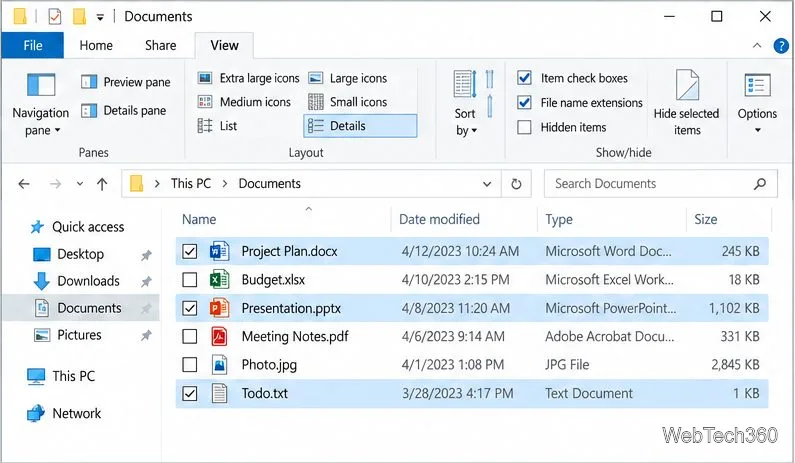
Turn off Windows 10 item check boxes in File Explorer with the View ribbon, or use Folder Options if the toggle is missing. See what changes and how to select multiple files without boxes.
Install VMware Workstation Pro on a compatible Windows Server host, from checking support and downloading the right build to creating your first VM.
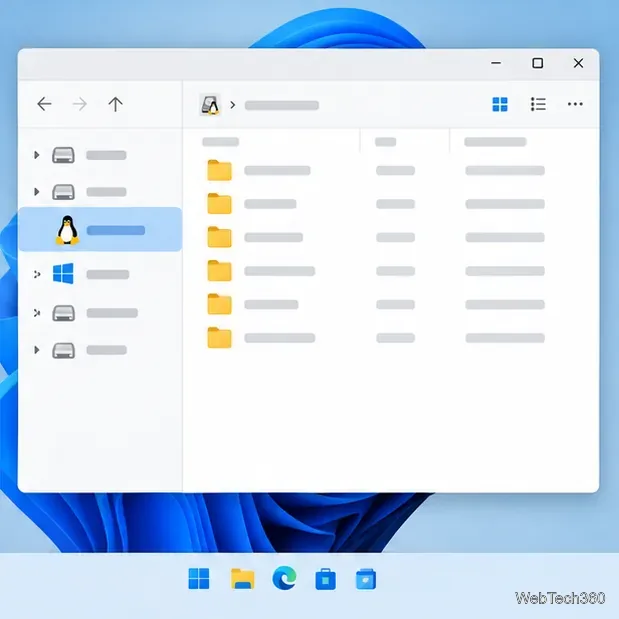
Browse and copy Ext2, Ext3, or Ext4 files on Windows with a read-only workflow. See what Linux Reader’s free edition supports and when WSL fits.
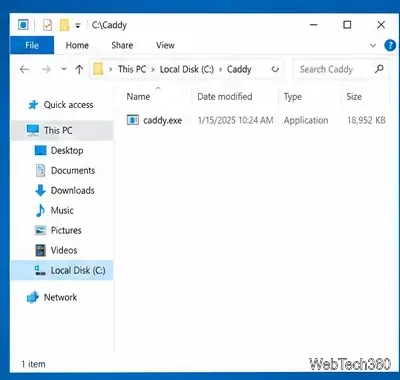
Install Caddy’s native Windows binary, serve a test site, enable automatic HTTPS for a domain, and run Caddy as a Windows Server service.
Run Linux Docker containers alongside Windows Server by creating an Ubuntu Hyper-V VM, installing Docker Engine, and publishing a test service safely.