How to Check for Open Ports on Windows Server
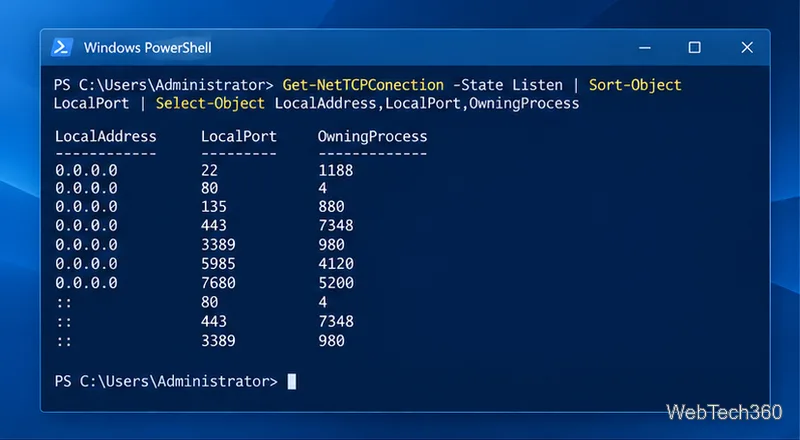
Find local TCP listeners, identify the process using a port, and test whether a Windows Server port is reachable with PowerShell, PortQry, or Nmap.
Imagine needing to check your CPU usage or end a frozen app, only to find that the Windows 11 Task Manager refuses to launch. It's a common headache that can halt your workflow, but don't worry—it's often fixable with straightforward steps. In this guide, we'll walk you through targeted troubleshooting Windows 11 Task Manager not opening methods, starting with the simplest and escalating as needed. By the end, you'll have your Task Manager back up and running, saving you time and frustration. Let's dive in! 😊
Before jumping into fixes, understanding the root causes can help you pinpoint the issue faster. The Task Manager might fail to open due to:
These issues are more prevalent in recent Windows 11 builds, but the good news is most can be resolved without advanced tech skills. Follow these steps in order for the best results.
Start with these no-fuss methods—they resolve the problem in many cases and take just minutes. 👍
A simple reboot clears temporary glitches. Press the power button, select Restart, and try launching Task Manager (Ctrl + Shift + Esc) afterward. If it opens, great! If not, proceed.
Sometimes, the usual methods fail, but alternatives work:
taskmgr, and hit Enter.If these don't work, it's time for deeper troubleshooting.

Malware loves to disable Task Manager, so let's scan for threats. These built-in tools are powerful and free.
Open Settings (Win + I) > Privacy & security > Windows Security > Virus & threat protection. Click Quick scan or Full scan for thorough checking. If threats are found, quarantine them and restart.
For extra protection, consider a third-party tool, but stick to reputable ones to avoid conflicts.
Corrupted files are a prime suspect. We'll use Command Prompt (run as administrator):
sfc /scannow and press Enter. Wait for it to scan and repair files.DISM /Online /Cleanup-Image /RestoreHealth first, then SFC again.These commands restore integrity without data loss. Restart after completion and test Task Manager.
If restrictions are blocking access, adjusting policies can unlock it.
This is ideal for Pro/Enterprise editions:
gpedit.msc, and hit Enter.For Home edition users, skip to the Registry fix below, but proceed cautiously—back up your registry first.
Warning: Incorrect edits can cause issues, so follow precisely.
regedit, and hit Enter.HKEY_CURRENT_USER\Software\Microsoft\Windows\CurrentVersion\Policies\System.0 or delete it.Still stuck? Let's explore more options.
If basic steps fail, these target deeper problems. Take your time—rushing can lead to errors.
Outdated components often cause app failures. Go to Settings > Windows Update > Check for updates. Install everything available, including optional driver updates.
For graphics or system drivers, use Device Manager: Right-click Start > Device Manager, expand categories, right-click devices, and select Update driver.
A profile corruption might be the culprit. Create a new admin account via Settings > Accounts > Family & other users > Add account. Log in and test Task Manager. If it works, migrate your data to the new profile.
Safe Mode isolates issues:
Reboot normally and check.
To help you decide, here's a quick overview:
| Fix Method | Difficulty | Time Required | Best For |
|---|---|---|---|
| Restart PC | Easy | 2 minutes | Temporary glitches |
| Malware Scan | Easy | 10-30 minutes | Suspected infections |
| SFC/DISM | Medium | 15-45 minutes | Corrupted files |
| Group Policy Edit | Medium | 5 minutes | Policy restrictions |
| Registry Edit | Advanced | 10 minutes | Home edition blocks |
| New User Account | Medium | 20 minutes | Profile issues |
This table shows why starting simple is key—most users fix it without advanced steps. If you're dealing with a work PC, check with your IT admin first.
Once fixed, keep things smooth:
For more tips, explore Microsoft's official support. If nothing works, consider a Windows Reset as a last resort—it reinstalls without losing files.
Dealing with Windows 11 Task Manager not opening can be annoying, but with these steps, you're equipped to tackle it head-on. Start with the basics, and you'll likely be monitoring your processes in no time. If you found this helpful, share your success story in the comments—what fixed it for you? Stay tuned for more Windows guides to keep your setup optimized. 🚀
Find local TCP listeners, identify the process using a port, and test whether a Windows Server port is reachable with PowerShell, PortQry, or Nmap.
Map a shared folder as a drive letter in Windows 10, reconnect it at sign-in, confirm access, and fix common path, credential, and network discovery issues.
Hear your microphone through Windows 10 speakers with the Listen to this device setting. Choose the right input and output, test the route, and prevent feedback.
Change icon size on Windows 10 with desktop, taskbar, and File Explorer controls. Learn when display scaling helps and how to fix unexpected size changes.
Map an NFS share to a Windows 11 drive letter with the built-in Client for NFS. Check protocol compatibility, mount the export, and troubleshoot access issues.
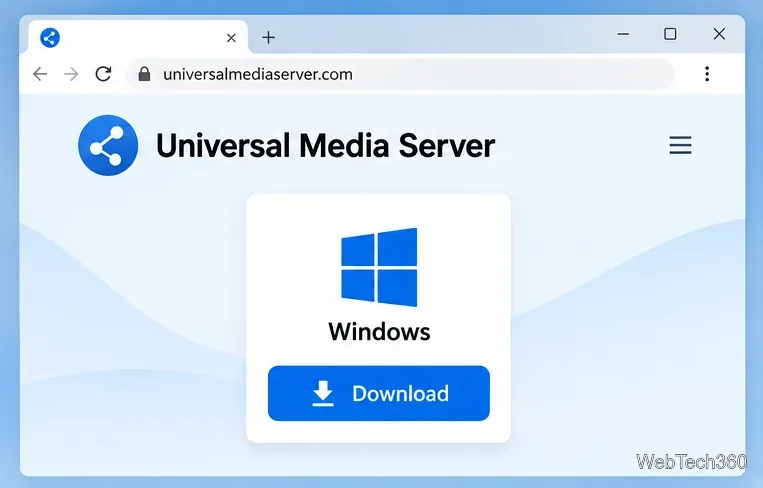
Install Universal Media Server on Windows Server, share selected folders, set LAN-only firewall access, and test DLNA playback from a TV or browser.
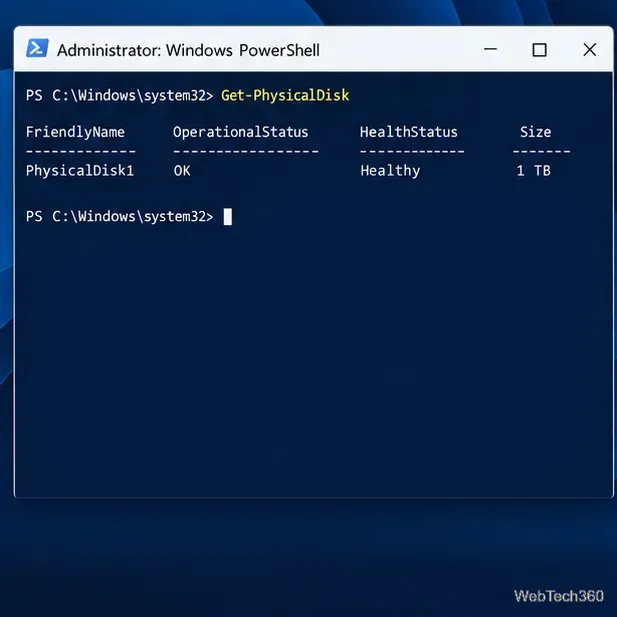
Check Windows Server disk status and reliability counters, verify SMART data when available, and separate hardware warnings from NTFS errors.
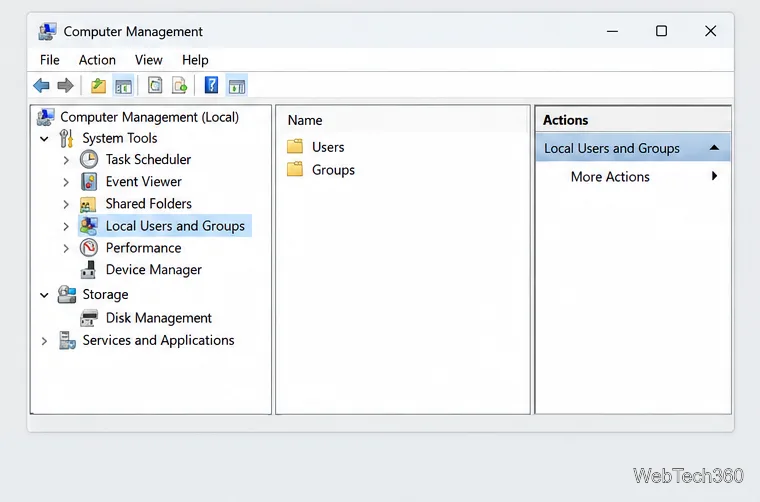
Create, grant admin rights to, disable, or remove local Windows Server users with Computer Management or PowerShell. Learn when to use Active Directory instead.
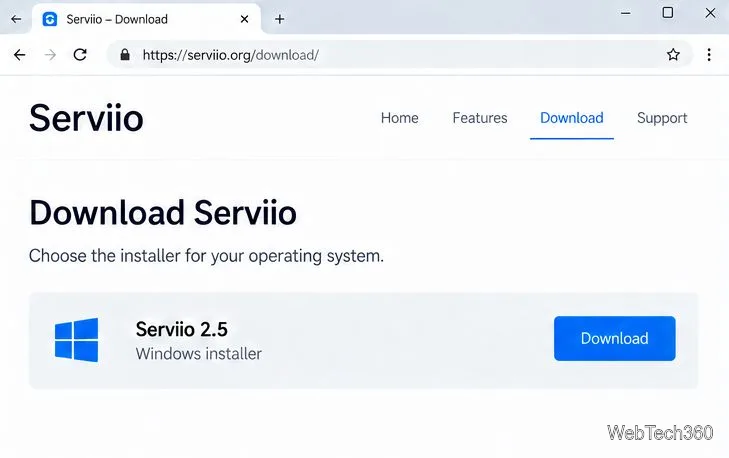
Install Serviio on Windows Server, share local or NAS media folders, and test DLNA playback. Learn how to check the Windows service, firewall, and Pro-only browser features.
Convert PNG, JPG, or BMP files to Windows ICO with GIMP. Prepare a square image, keep transparency when needed, add standard sizes, and check the export.