How to Check Hard Drive Health in Windows Server
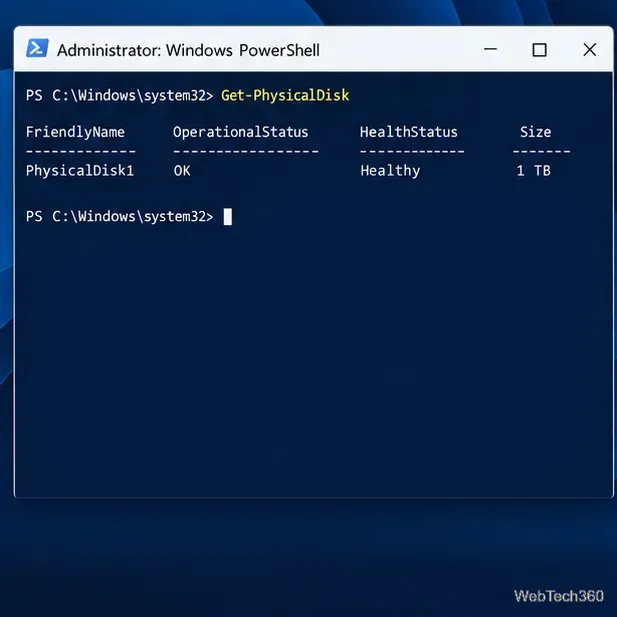
Check Windows Server disk status and reliability counters, verify SMART data when available, and separate hardware warnings from NTFS errors.
If you've ever plugged in your Thunderbolt dock to your Windows 11 PC only to face frustrating connectivity errors, you're not alone. These docks are game-changers for expanding your workspace with multiple monitors, high-speed data transfer, and effortless peripheral connections. But when things go wrong—like intermittent disconnections, display glitches, or total failure to recognize the dock—it can halt your productivity in its tracks. 😔
The good news? Most Windows 11 Thunderbolt dock connectivity errors are fixable with straightforward troubleshooting. In this guide, we'll walk you through targeted solutions based on the latest updates and best practices. By the end, you'll have your setup running smoothly, reclaiming that multi-monitor magic. Let's dive in and get you connected! 🚀
Thunderbolt docks leverage Intel's high-speed Thunderbolt technology (versions 3, 4, or 5) for daisy-chaining devices and delivering up to 40Gbps bandwidth. On Windows 11, issues often stem from driver mismatches, firmware glitches, USB/Thunderbolt port conflicts, or power management settings. Recent Windows updates have improved compatibility, but legacy hardware or unoptimized configurations can still cause headaches.
Typical symptoms include:
Don't worry—these aren't permanent roadblocks. With the right steps, you can resolve Thunderbolt dock connectivity errors and enjoy a stable setup. Let's start with the basics and escalate as needed.
Before diving into software tweaks, ensure hardware isn't the culprit. A quick physical inspection can save hours of frustration.
Pro Tip: Ensure your dock's firmware is up to date. Manufacturers like CalDigit, Kensington, or Belkin release updates via their apps—check their sites for the latest versions compatible with Windows 11.
Outdated drivers are a top cause of Thunderbolt dock issues in Windows 11. Windows 11's latest builds (as of 2026) include enhanced Thunderbolt support, but you need to sync everything.
After updates, open Device Manager (right-click Start button > Device Manager). Expand "System devices" and look for "Thunderbolt Controller." If it shows a yellow exclamation mark, right-click and select "Update driver."
Feeling empowered yet? These steps resolve 70% of issues. If your dock still acts up, let's tackle settings next. ⭐
Windows 11's power-saving features can interfere with Thunderbolt docks, causing disconnections during sleep or low-power modes. Time to fine-tune.
| Setting | Location | Recommended Change |
|---|---|---|
| USB Selective Suspend | Settings > System > Power & battery > Power mode > Additional power settings > Change plan settings > Change advanced power settings | Set to "Disabled" to prevent Thunderbolt power cuts. |
| Thunderbolt Security Level | Search for "Thunderbolt" in Settings > Bluetooth & devices | Set to "No Security" or "User Authorization" for easier detection (balance with security needs). |
| Link Speed | Device Manager > Thunderbolt Controller > Properties > Advanced | Force to full speed (e.g., 40Gbps) if available. |
Additionally, disable Fast Startup: In Power Options, click "Choose what the power buttons do" > Uncheck "Turn on fast startup." This ensures a clean reconnect on boot.
For multi-monitor setups, right-click desktop > Display settings > Ensure "Extend these displays" is selected and detect the dock's outputs manually.
If basic fixes fall short, escalate to these targeted solutions. We'll address firmware, conflicts, and hardware tests.
For BIOS tweaks, enter your PC's BIOS (usually F2/Del on boot) and enable Thunderbolt support if it's disabled. Save and exit.
Still stuck? Community forums like Reddit's r/Windows11 or Microsoft's support pages are goldmines—search for your dock model + "Windows 11 error."
Once resolved, keep things smooth with these habits:
By staying proactive, you'll minimize downtime and maximize your Thunderbolt dock's potential. Imagine hassle-free 4K multi-monitor workflows and lightning-fast file transfers—it's within reach! 👏
Resolving Windows 11 Thunderbolt dock connectivity errors doesn't have to be a nightmare. From simple cable checks to driver updates and settings tweaks, these steps empower you to take control. If you've followed along and your setup is purring along, share your success in the comments below—what fixed it for you?
For official guidance, check Microsoft's Thunderbolt troubleshooting page or Intel's resources. Your seamless workstation awaits—happy docking! 🌟
Check Windows Server disk status and reliability counters, verify SMART data when available, and separate hardware warnings from NTFS errors.
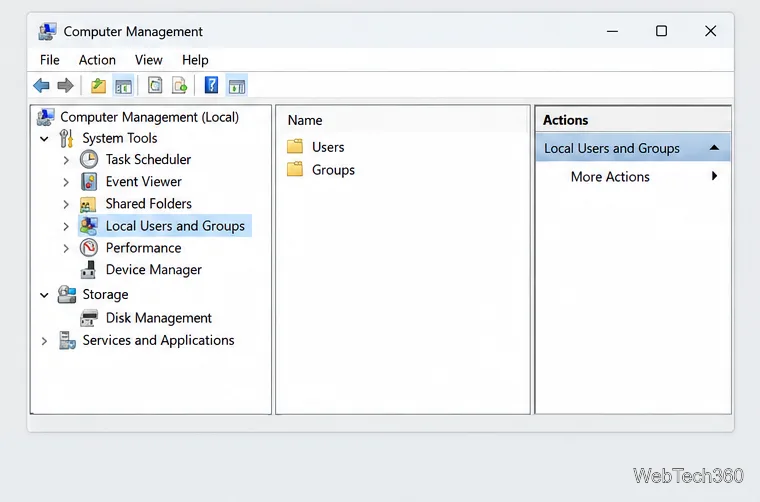
Create, grant admin rights to, disable, or remove local Windows Server users with Computer Management or PowerShell. Learn when to use Active Directory instead.
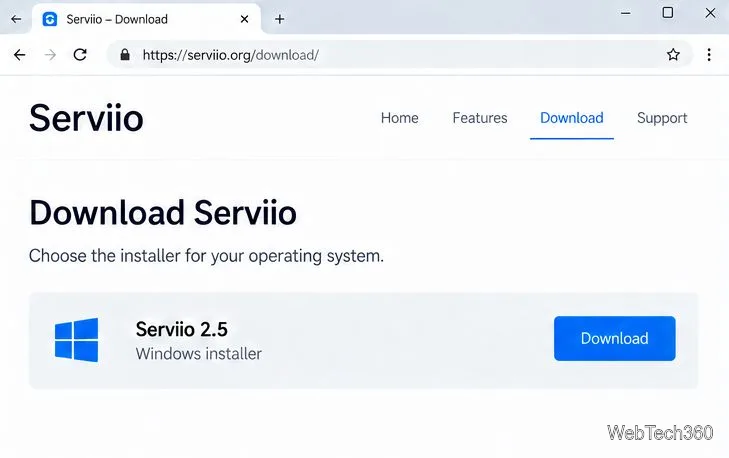
Install Serviio on Windows Server, share local or NAS media folders, and test DLNA playback. Learn how to check the Windows service, firewall, and Pro-only browser features.
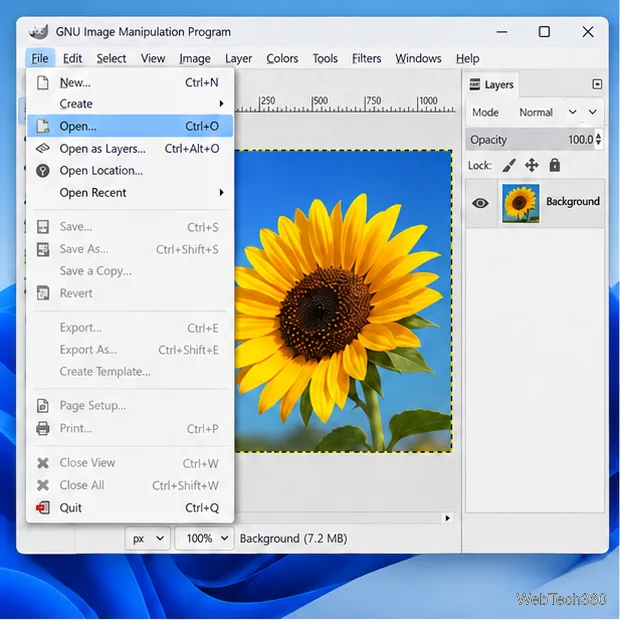
Convert PNG, JPG, or BMP files to Windows ICO with GIMP. Prepare a square image, keep transparency when needed, add standard sizes, and check the export.
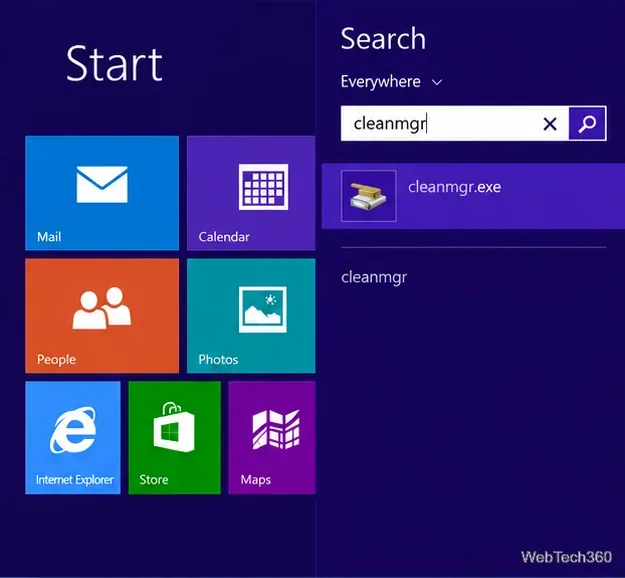
Clear thumbnail, DNS, Internet Explorer, Microsoft Store, Search, and Live Tile data with Windows 8’s built-in tools, and learn what each cleanup removes.
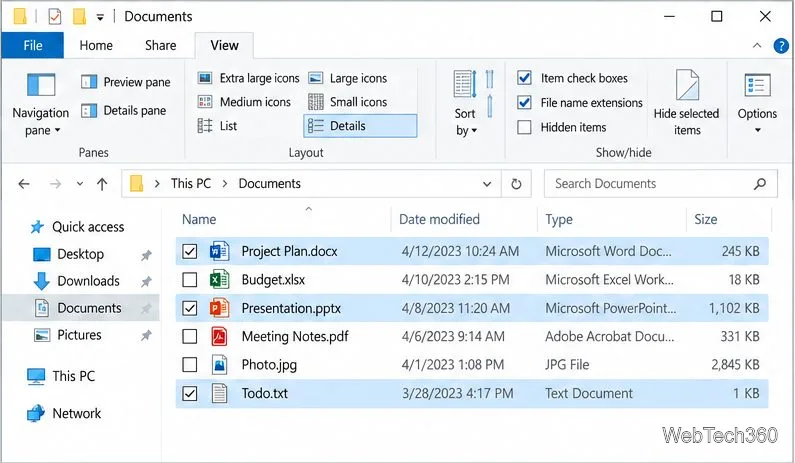
Turn off Windows 10 item check boxes in File Explorer with the View ribbon, or use Folder Options if the toggle is missing. See what changes and how to select multiple files without boxes.
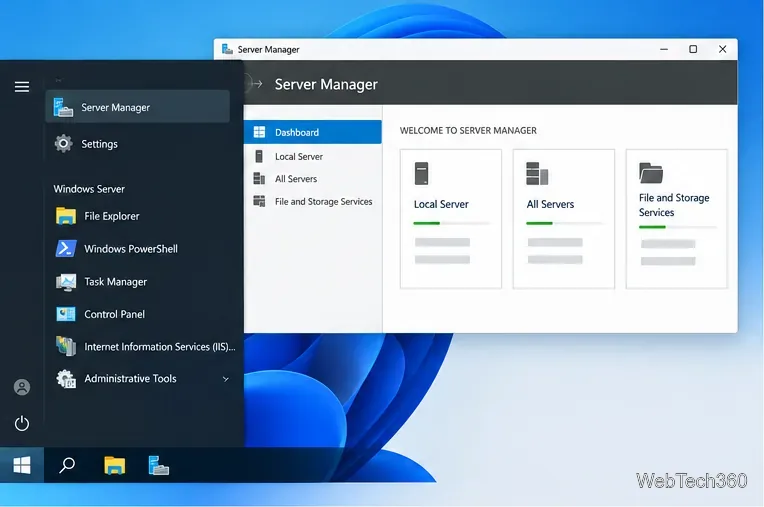
Install VMware Workstation Pro on a compatible Windows Server host, from checking support and downloading the right build to creating your first VM.
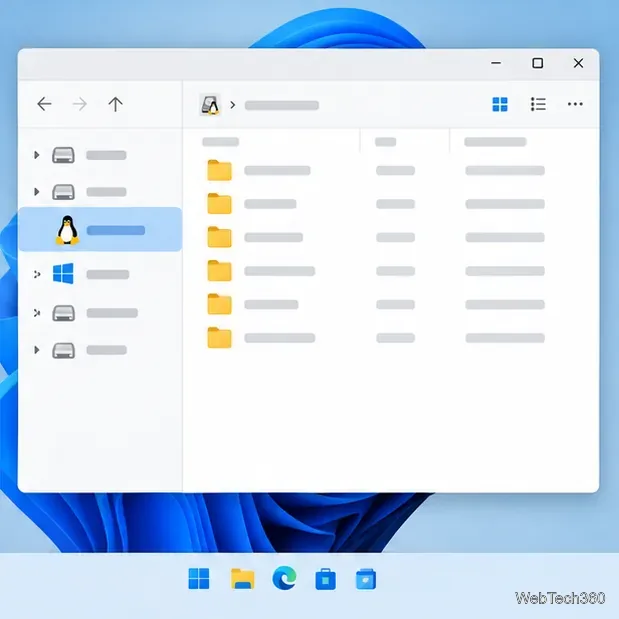
Browse and copy Ext2, Ext3, or Ext4 files on Windows with a read-only workflow. See what Linux Reader’s free edition supports and when WSL fits.
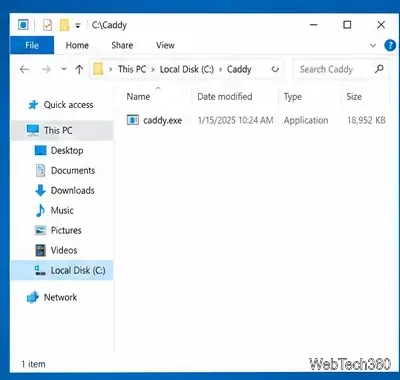
Install Caddy’s native Windows binary, serve a test site, enable automatic HTTPS for a domain, and run Caddy as a Windows Server service.
Run Linux Docker containers alongside Windows Server by creating an Ubuntu Hyper-V VM, installing Docker Engine, and publishing a test service safely.