How to Fix Snipping Tool Issues on Windows 11
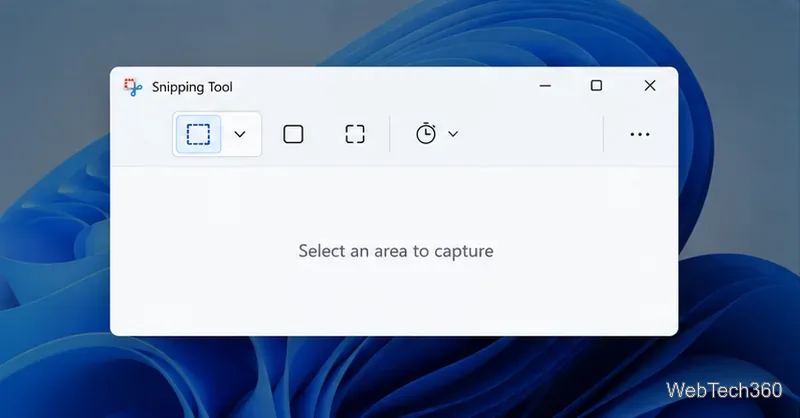
Fix common Snipping Tool problems in Windows 11 with steps to test the shortcut, update or repair the app, reinstall it, and restore missing capture notifications.
Encountering the dreaded Unexpected Kernel Mode Trap error on your Windows 11 PC? This Blue Screen of Death (BSOD) can halt your work, games, or streaming sessions in an instant, leaving you frustrated and searching for answers. But don't worry—it's a common issue with straightforward solutions. In this guide, we'll break down what causes this error, why it happens in Windows 11, and how to fix it step by step. By the end, you'll have your system running smoothly again, so you can focus on what matters. Let's dive in and reclaim your PC's reliability! 🚀
The Unexpected Kernel Mode Trap is a critical system error in Windows 11 that triggers a BSOD. It occurs when your CPU detects an invalid instruction in kernel mode—the deepest level of the operating system where hardware and drivers interact directly. This error, often linked to stop code 0x0000007F, signals a severe mismatch between software expectations and hardware responses.
In simple terms, it's like your PC's brain (the kernel) getting confused by faulty signals from hardware or drivers, forcing an emergency shutdown to prevent further damage. Windows 11, with its enhanced security and performance features, can sometimes amplify these issues if underlying problems aren't addressed. Understanding this helps you troubleshoot effectively—think of it as diagnosing a car's engine light before it breaks down completely.

Pinpointing the root cause is key to a lasting fix. Here are the most frequent culprits behind this Windows 11 error:
These factors often combine, so a systematic approach is essential. The good news? Most cases are software-related and fixable without hardware swaps.
Ready to tackle this? Follow these targeted steps in order. Start with the simplest—no tech wizardry required. We'll keep it focused so you can resolve it quickly and get back to your day. Remember, back up important files first using Windows Backup or an external drive for peace of mind. 😊
A simple reboot can clear temporary glitches. But go further: Boot into Safe Mode (hold Shift during restart, then Troubleshoot > Advanced options > Startup Settings > Restart > Option 4). In Safe Mode, the error rarely recurs since it loads minimal drivers.
Next, open Command Prompt as admin (search for "cmd" in Start, right-click > Run as administrator) and run these scans:
sfc /scannow and hit Enter. This repairs corrupted Windows files.DISM /Online /Cleanup-Image /RestoreHealth. It grabs fresh files from Microsoft servers.These tools often resolve kernel mode trap issues caused by file errors. Restart normally after and test.
Drivers are a prime suspect. Head to Settings > Windows Update > Check for updates to grab the latest patches—Windows 11's recent builds have improved kernel stability.
For targeted updates:
| Device Type | How to Update |
|---|---|
| Graphics Card (NVIDIA/AMD/Intel) | Download from official sites: NVIDIA, AMD, or Intel's tool. |
| Other Drivers | Use Device Manager (right-click Start > Device Manager), right-click device > Update driver > Search automatically. |
| BIOS/UEFI | Visit your motherboard manufacturer's site (e.g., ASUS, MSI) for the latest firmware—follow their guide carefully to avoid risks. |
Avoid third-party driver updaters; stick to official sources for safety. Updating has fixed this error for countless users, restoring seamless performance.
If software tweaks don't help, hardware might be the issue. Run Windows Memory Diagnostic (search in Start > Restart now and check for problems) to test RAM—faulty modules often cause Unexpected Kernel Mode Trap.
For CPU/heat checks:
If you suspect a failing component, consult a pro. But in many cases, reseating RAM or cables in your PC tower resolves it without cost. 👍
Dig deeper with Event Viewer (search in Start). Filter for Critical errors around crash times—look for driver names or codes to pinpoint issues.
If the error started recently, use System Restore: Settings > System > Recovery > Go back (or search "Create a restore point"). Pick a point before the problem arose. It's a quick rewind without losing files.
For stubborn cases, consider a clean boot: Run msconfig, hide Microsoft services, disable third-party ones, then reboot. This isolates conflicts—re-enable items gradually to identify the offender.
Fixing is great, but prevention keeps your Windows 11 humming. Enable automatic updates, run monthly scans with Windows Security, and avoid sketchy downloads. Regularly update BIOS and drivers—set reminders if needed.
Pro tip: Use tools like WhoCrashed (free) to analyze minidump files in C:\Windows\Minidump for detailed insights. Stay proactive, and this error won't haunt you again. Your PC deserves to run flawlessly!
If these steps don't resolve the BSOD troubleshooting puzzle, it could be deeper hardware failure. Reach out to Microsoft Support via the Get Help app or forums for community wisdom. For hardware, a local tech shop can run diagnostics.
Remember, most users conquer this error with patience and these methods. You've got this—your stable Windows 11 setup is just a few steps away. Share your success in the comments below; let's help each other out! 🎉
Based on the latest Windows 11 updates and Microsoft documentation as of current releases.
Fix common Snipping Tool problems in Windows 11 with steps to test the shortcut, update or repair the app, reinstall it, and restore missing capture notifications.
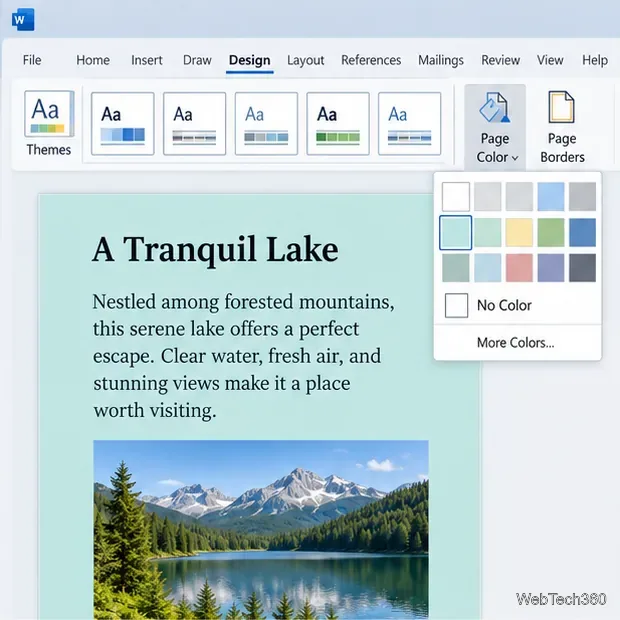
Choose a color-capable printer, enable Word’s background-print setting, and check the preview so page colors, images, and graphics print as expected.
Learn how to use WinX DVD Ripper to convert a DVD you’re entitled to copy into an MP4 file, choose the right title and destination, and troubleshoot playback problems on Windows 10 or 11.
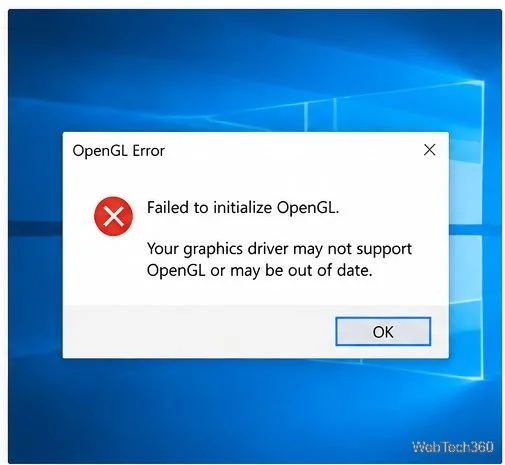
Troubleshoot OpenGL errors in Windows 10 by checking graphics drivers, repairing system files, reinstalling the affected app, and reviewing graphics settings.
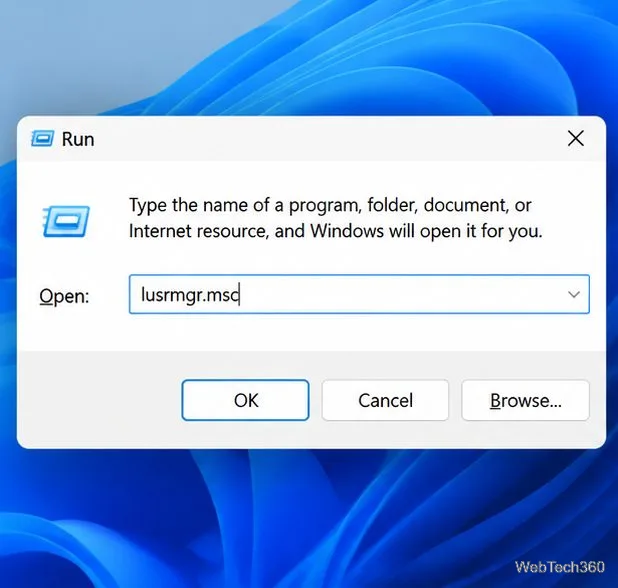
Learn when to use net user, lusrmgr.msc, and net localgroup to view, create, disable, and manage local Windows accounts safely.
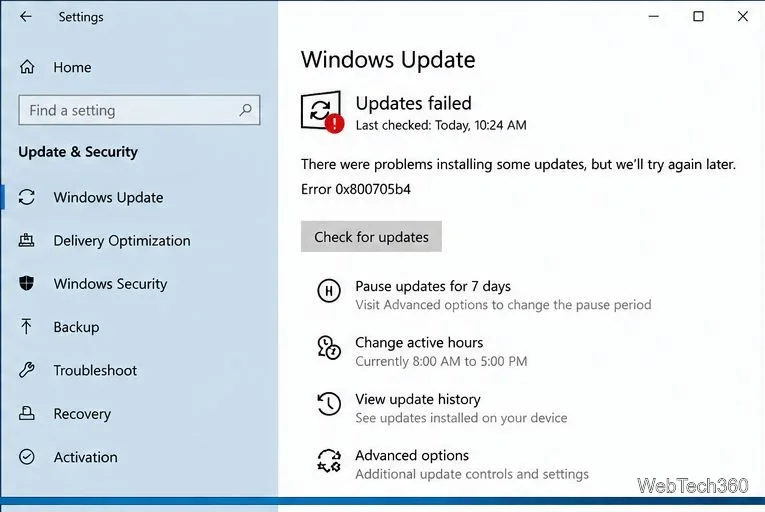
Resolve Windows Update error 0x800705b4 with practical checks for connectivity, update services, cached files, and damaged Windows system components.
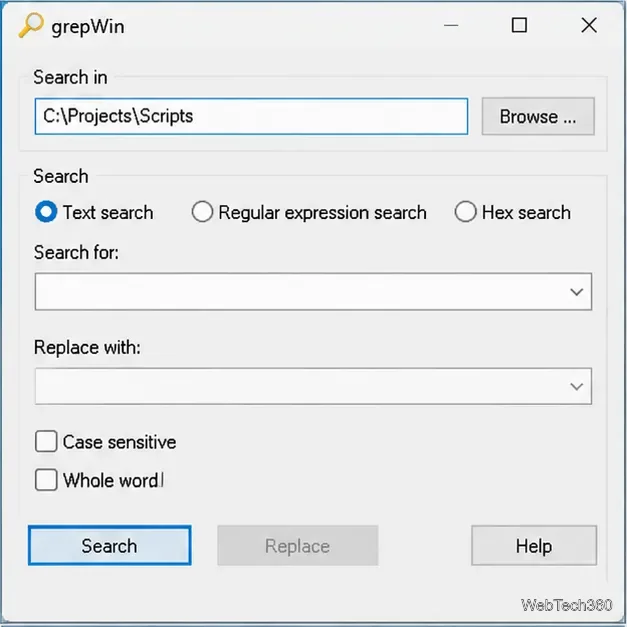
Find words or phrases across multiple text files on Windows 10 with grepWin. Learn how to choose folders, filter file types, include subfolders, and read matches safely.
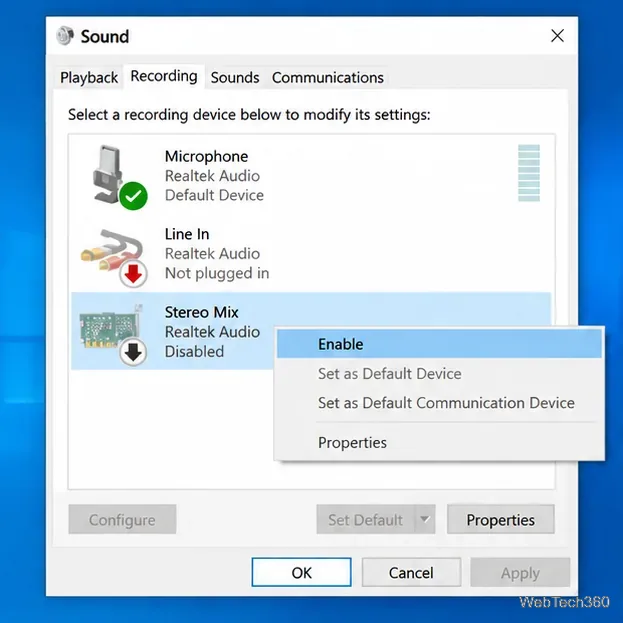
Capture your PC’s playback with FFmpeg on Windows 10. Enable Stereo Mix or use a loopback device, find its DirectShow name, and save clean audio.
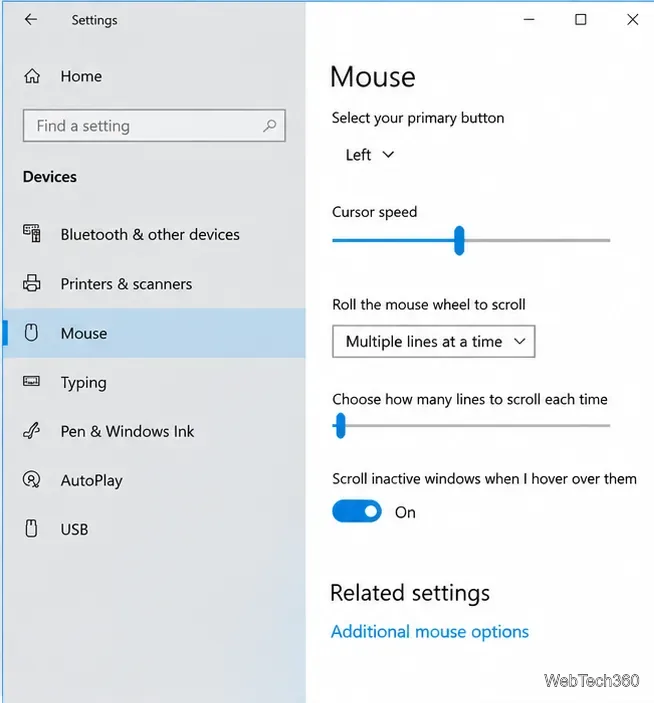
Learn how to adjust Windows 10 mouse pointer speed, change pointer precision, and set hardware DPI with a supported gaming mouse or manufacturer app.
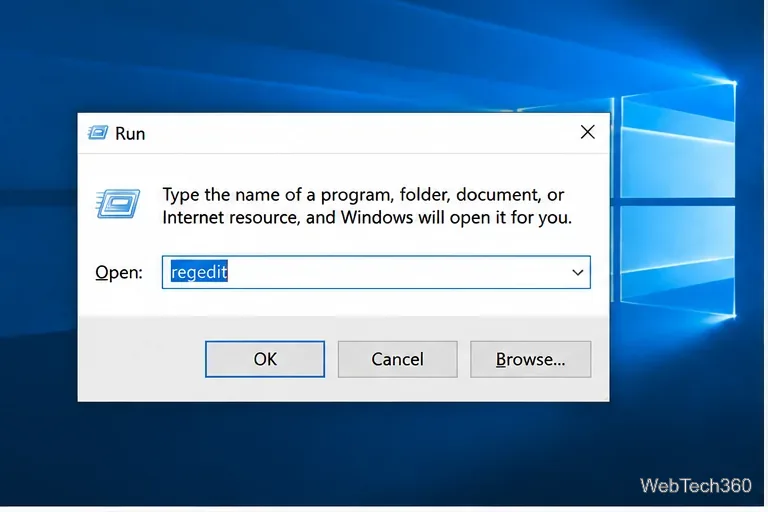
Learn what the legacy Edge blocker registry setting does, how to set it safely, and why it will not stop updates for Microsoft Edge already installed.