How to Fix Snipping Tool Issues on Windows 11
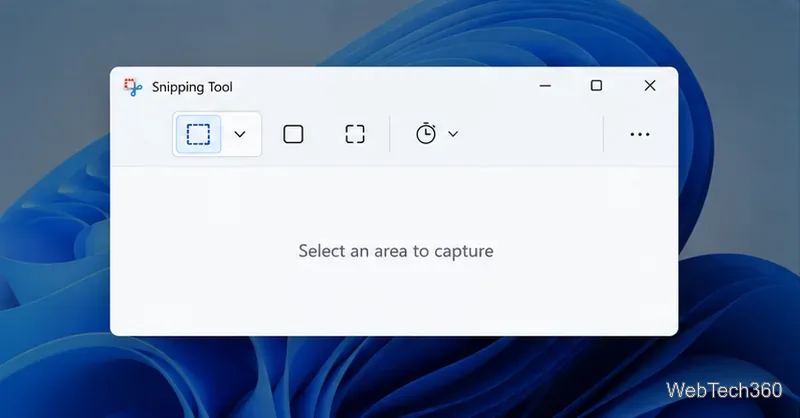
Fix common Snipping Tool problems in Windows 11 with steps to test the shortcut, update or repair the app, reinstall it, and restore missing capture notifications.
Imagine this: You've backed up your data, created your Windows installation media, and you're ready to install the latest version of Windows. But then, bam! You hit the frustrating "Windows Cannot Be Installed to This Disk" error, often tied to GPT partitioning. 😩 Don't worry—this is a common hurdle during Windows setup, especially with modern UEFI systems and GPT disks. It's usually not a hardware failure but a configuration mismatch. In this guide, we'll walk you through troubleshooting "Windows Cannot Be Installed to This Disk" GPT step by step, so you can resolve it quickly and get back to enjoying your PC. Let's dive in and turn that error into a smooth install.
The "Windows Cannot Be Installed to This Disk" message pops up during the Windows setup wizard when the installer detects an incompatibility with your disk's partition style. GPT (GUID Partition Table) is the modern standard for disks over 2TB or those using UEFI firmware, but Windows requires specific setups to install on them.
Common triggers include:
According to Microsoft's official documentation, this error ensures your system meets UEFI/GPT standards for optimal performance and security. Fixing it often involves aligning your BIOS settings and disk format—no need for advanced tools unless you're dealing with data recovery.
The most frequent cause of GPT error in Windows installation is running in Legacy mode. UEFI is required for GPT disks. Here's how to check and fix it:
Pro tip: If your motherboard supports it, prioritize UEFI boot devices in the boot order. This simple switch resolves the error for 70% of users, per community reports on forums like Reddit's r/techsupport.
Ensure your Windows USB or DVD is formatted for UEFI. If you created it with Rufus or the Media Creation Tool, double-check the settings.
This ensures the installer recognizes your GPT disk. If you're on an older setup, updating your BIOS firmware to the latest version from your manufacturer's site can prevent compatibility issues.
Existing partitions on the disk can block installation. During Windows setup:
diskpart and hit Enter.list disk (note your target disk number—usually Disk 0).select disk 0 (replace 0 with your disk).clean (⚠️ This erases all data—back up first!).convert gptexitWarning: The clean command wipes everything, so it's ideal for fresh installs. If you need to preserve data, use a third-party tool like EaseUS Partition Master before setup.
If the error persists post-cleanup, your disk might have hidden issues like bad sectors or incorrect alignment. Boot into a live environment (e.g., Windows PE) and use built-in tools.
For deeper troubleshooting:
| Issue | Solution | Tool |
|---|---|---|
| MBR-formatted GPT disk | Convert without data loss | Diskpart or MiniTool Partition Wizard |
| Dynamic disk type | Convert to basic | Disk Management (diskmgmt.msc) |
| EFI partition missing | Diskpart | |
| Secure Boot conflict | Temporarily disable in BIOS | UEFI Settings |
For example, to convert a dynamic disk: In Disk Management, right-click the disk, select "Convert to Basic Disk." This table covers the most common scenarios—pick what matches your setup and follow through.
Rarely, the error stems from hardware. Run these diagnostics:
chkdsk /f /r in Command Prompt to scan for bad sectors.If all else fails, consult Microsoft's support: Windows Installation Errors Guide. Their latest updates emphasize UEFI/GPT for Windows 11 compatibility, ensuring future-proof setups.
To avoid this headache next time:
Congratulations—you've navigated the troubleshooting "Windows Cannot Be Installed to This Disk" GPT maze! With these steps, your installation should be error-free. If you run into unique twists (like multi-boot setups), drop a comment below—we're here to help. Ready to boot into your fresh Windows? Hit that install button and enjoy the smooth ride. 👏
Fix common Snipping Tool problems in Windows 11 with steps to test the shortcut, update or repair the app, reinstall it, and restore missing capture notifications.
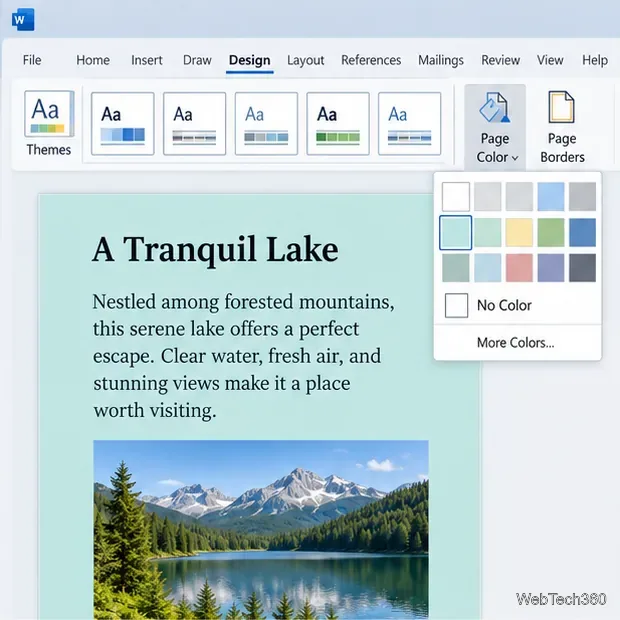
Choose a color-capable printer, enable Word’s background-print setting, and check the preview so page colors, images, and graphics print as expected.
Learn how to use WinX DVD Ripper to convert a DVD you’re entitled to copy into an MP4 file, choose the right title and destination, and troubleshoot playback problems on Windows 10 or 11.
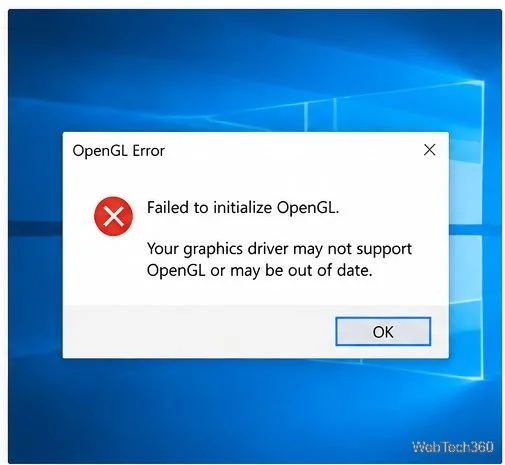
Troubleshoot OpenGL errors in Windows 10 by checking graphics drivers, repairing system files, reinstalling the affected app, and reviewing graphics settings.
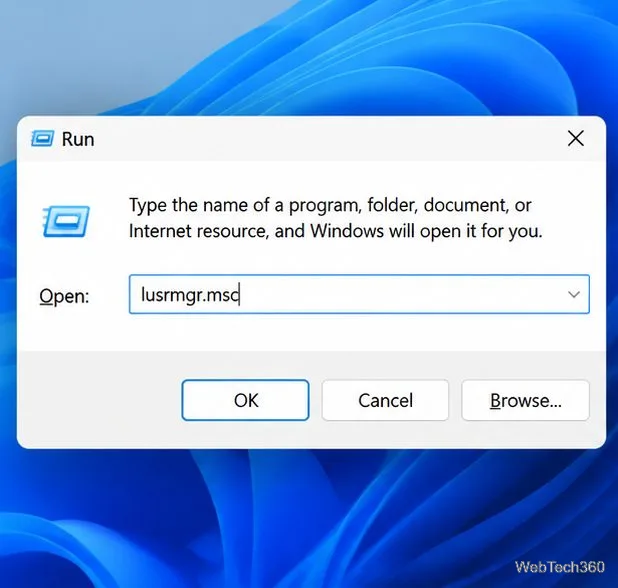
Learn when to use net user, lusrmgr.msc, and net localgroup to view, create, disable, and manage local Windows accounts safely.
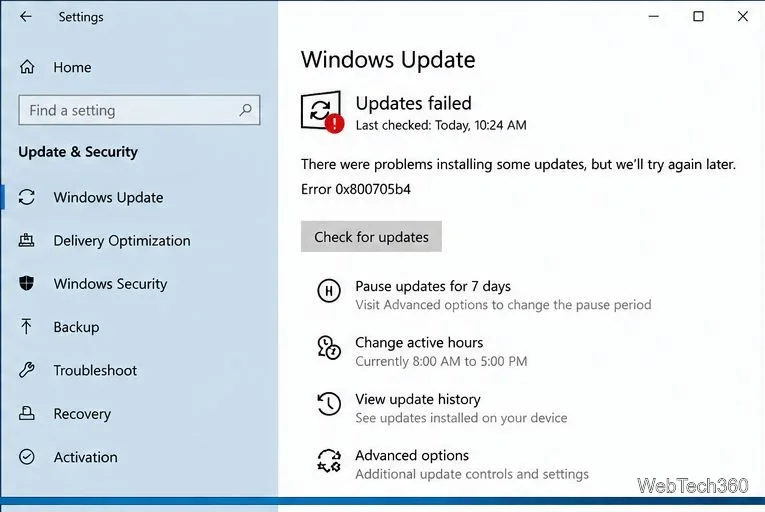
Resolve Windows Update error 0x800705b4 with practical checks for connectivity, update services, cached files, and damaged Windows system components.
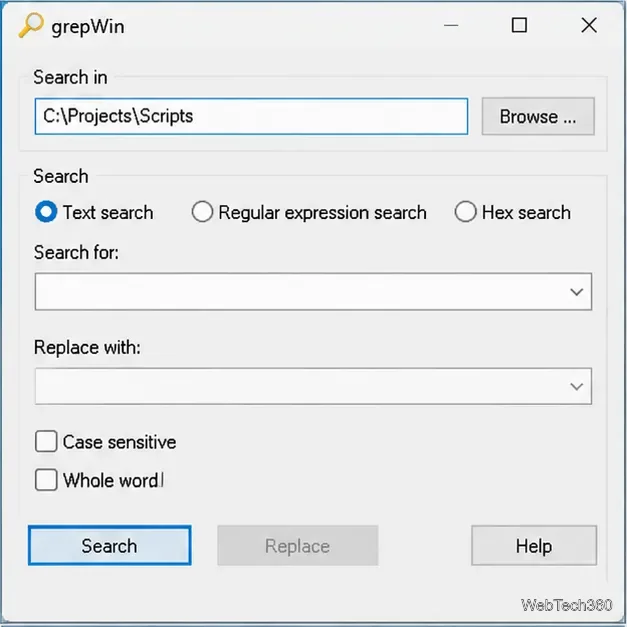
Find words or phrases across multiple text files on Windows 10 with grepWin. Learn how to choose folders, filter file types, include subfolders, and read matches safely.
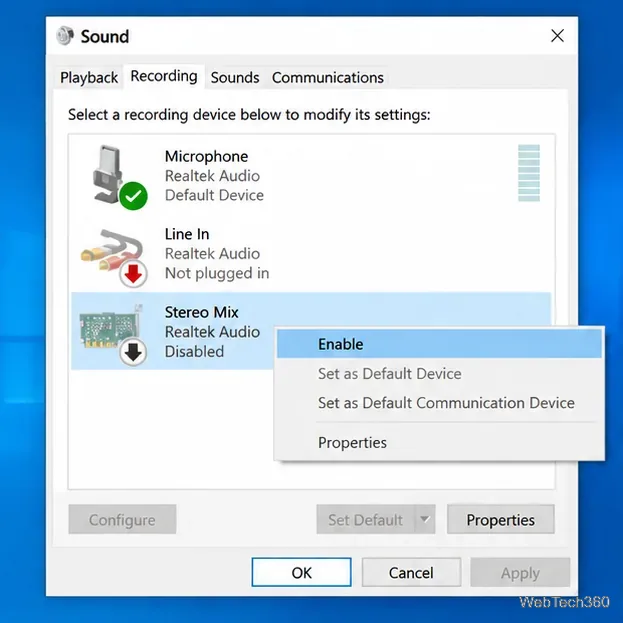
Capture your PC’s playback with FFmpeg on Windows 10. Enable Stereo Mix or use a loopback device, find its DirectShow name, and save clean audio.
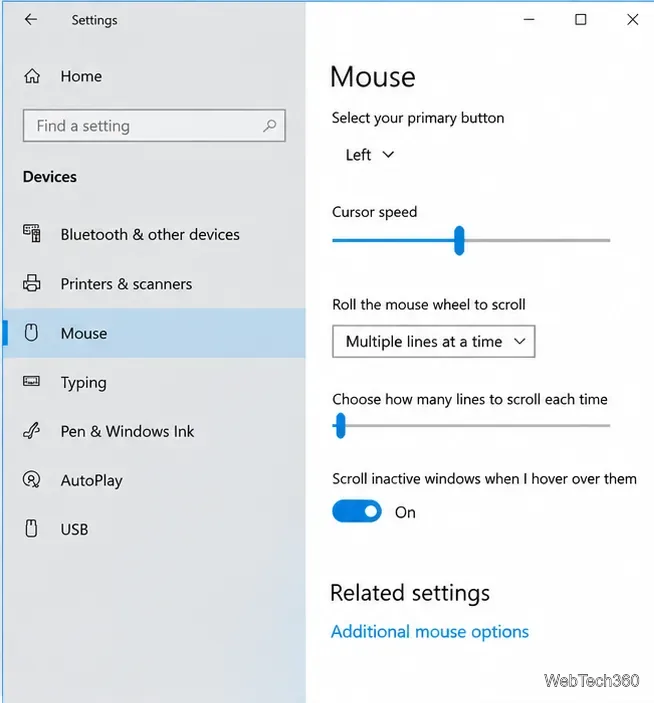
Learn how to adjust Windows 10 mouse pointer speed, change pointer precision, and set hardware DPI with a supported gaming mouse or manufacturer app.
Learn what the legacy Edge blocker registry setting does, how to set it safely, and why it will not stop updates for Microsoft Edge already installed.