How to Fix Snipping Tool Issues on Windows 11
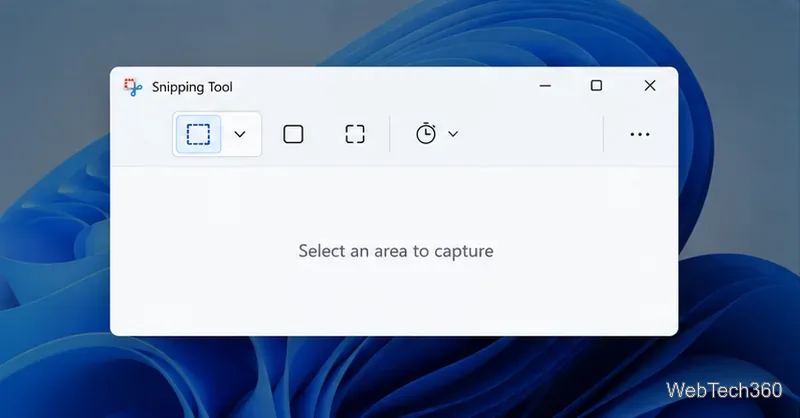
Fix common Snipping Tool problems in Windows 11 with steps to test the shortcut, update or repair the app, reinstall it, and restore missing capture notifications.
🚀 Imagine firing up your Windows 11 machine, ready to dive into some Linux magic with WSL2, only to be hit with the frustrating "WSL2 Kernel Update Required" error. It's a common roadblock for developers and tech enthusiasts alike, but don't worry – you're not alone, and it's fixable! This guide will walk you through understanding the issue and resolving it step by step, so you can get back to coding, testing, or experimenting without missing a beat. We'll keep things straightforward, focusing on proven methods that work with the latest updates.
The Windows Subsystem for Linux (WSL) lets you run a full Linux environment right inside Windows 11, making it a game-changer for developers. WSL2, the upgraded version, uses a lightweight virtual machine for better performance and compatibility. However, it relies on a specific Linux kernel to function smoothly.
This error pops up when your current WSL2 kernel is outdated or incompatible, often after a Windows 11 update or when installing a new Linux distribution from the Microsoft Store. It's Microsoft's way of saying, "Hey, time to refresh that kernel for optimal security and features!" Ignoring it can lead to crashes, slow performance, or even prevent WSL from starting at all. The good news? Updating is simple and boosts your setup's efficiency.

Windows 11 has evolved with stricter security and virtualization requirements, which can sometimes clash with older WSL components. Recent updates emphasize better integration with Hyper-V and improved kernel stability, but they might flag your kernel as needing an upgrade. Common triggers include:
wsl --update that fails due to network issues or permissions.By addressing this promptly, you'll unlock faster file I/O, better GPU support for machine learning tasks, and seamless Docker integration – all reasons to feel excited about your fixed setup! Let's jump into the solutions.
Before starting, ensure you're running Windows 11 version 22000 or later (check via Settings > System > About). You'll need admin privileges, and a stable internet connection for downloads. We'll prioritize the official Microsoft method for reliability.
First, make sure WSL and virtualization are activated. Open PowerShell as Administrator (right-click Start > Terminal (Admin)) and run:
DISM.exe /Online /Enable-Feature /FeatureName:Microsoft-Windows-Subsystem-Linux /All /NoRestart
DISM.exe /Online /Enable-Feature /FeatureName:VirtualMachinePlatform /All /NoRestart
Restart your PC after this. This sets the foundation for WSL2 to thrive.
Microsoft provides an official kernel update package. Head to the Microsoft WSL documentation for the direct download link to the latest WSL2 Linux kernel update package (it's a .msi file, around 100MB).
Pro tip: If you're on the latest Windows 11 build, this package includes enhancements for ARM64 support and security patches, ensuring your WSL2 runs like a dream. 😊
Now, verify and update your distros. In PowerShell (Admin):
wsl --set-default-version 2
wsl --update
The --update command fetches the newest kernel directly from Microsoft. If you have existing distros, list them with wsl --list and update individually if needed, like wsl --update --pre-release for beta features (use cautiously).
After this, launch your Linux distro from the Start menu. If the error persists, try wsl --shutdown followed by a restart.
Not everything goes perfectly – here's a quick troubleshooting table to save you time:
| Issue | Solution | Why It Works |
|---|---|---|
| Error: "WSL2 requires an update" | Run wsl --install to reinstall components |
Refreshes all WSL files, including the kernel |
| Kernel download fails | Manually download from Microsoft GitHub repo: WSL Releases | Bypasses network glitches with direct access |
| Virtualization not enabled | Enable in BIOS/UEFI (restart PC, enter setup, toggle Intel VT-x or AMD-V) | WSL2 needs hardware virtualization for the VM |
| Permission denied | Run commands in elevated PowerShell | Admin rights are required for system changes |
These fixes cover 90% of cases. If you're still stuck, check the Event Viewer (search for it in Start) for detailed logs under Windows Logs > Application.
Once resolved, you'll notice the perks immediately: smoother integration with VS Code extensions, faster builds in your dev environment, and support for the newest Linux tools. For instance, the latest kernel enhances memory management, reducing overhead on resource-heavy tasks like running multiple containers. It's not just a fix – it's an upgrade that makes Windows 11 feel even more powerful for cross-platform work. 🌟
Many users report a 20-30% speed boost in command-line operations post-update, turning potential frustration into a seamless workflow.
To keep things running smoothly:
wsl --update in a scheduled task.wsl --export before major changes.By following these, you'll minimize downtime and maximize productivity. If you're new to WSL2, consider exploring advanced setups like systemd integration for even more Linux-like behavior.
Resolving the "WSL2 Kernel Update Required" error on Windows 11 doesn't have to be a headache – with these steps, you're just minutes away from a rock-solid setup. Whether you're building apps, learning DevOps, or tinkering with open-source projects, an updated kernel ensures everything flows effortlessly. Give it a try now, and feel that rush of a perfectly tuned system! If you run into unique issues, the Microsoft community forums are a goldmine for tailored advice.
Happy developing! 👏
Fix common Snipping Tool problems in Windows 11 with steps to test the shortcut, update or repair the app, reinstall it, and restore missing capture notifications.
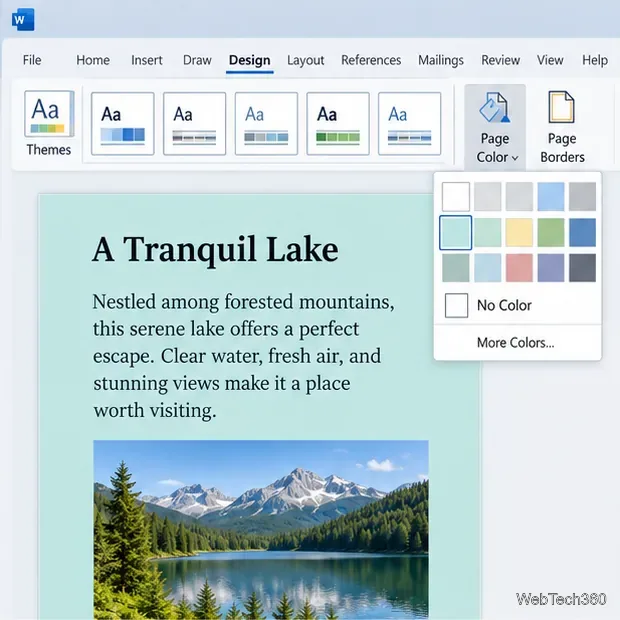
Choose a color-capable printer, enable Word’s background-print setting, and check the preview so page colors, images, and graphics print as expected.
Learn how to use WinX DVD Ripper to convert a DVD you’re entitled to copy into an MP4 file, choose the right title and destination, and troubleshoot playback problems on Windows 10 or 11.
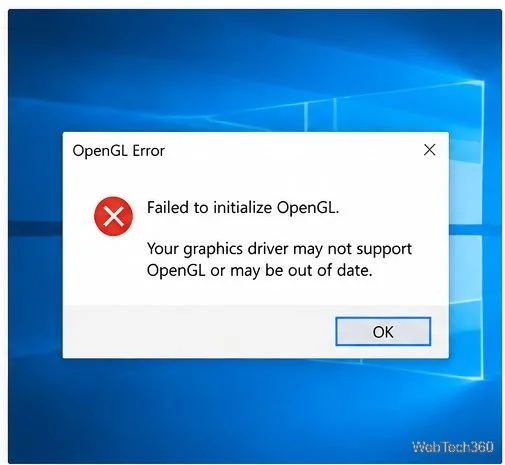
Troubleshoot OpenGL errors in Windows 10 by checking graphics drivers, repairing system files, reinstalling the affected app, and reviewing graphics settings.
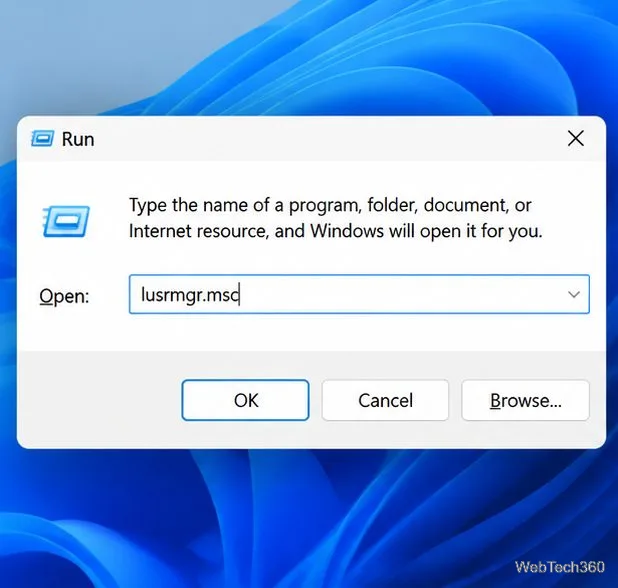
Learn when to use net user, lusrmgr.msc, and net localgroup to view, create, disable, and manage local Windows accounts safely.
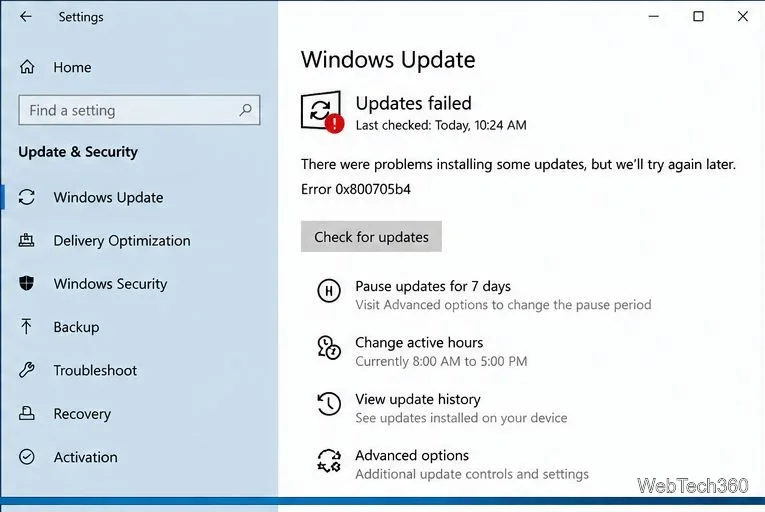
Resolve Windows Update error 0x800705b4 with practical checks for connectivity, update services, cached files, and damaged Windows system components.
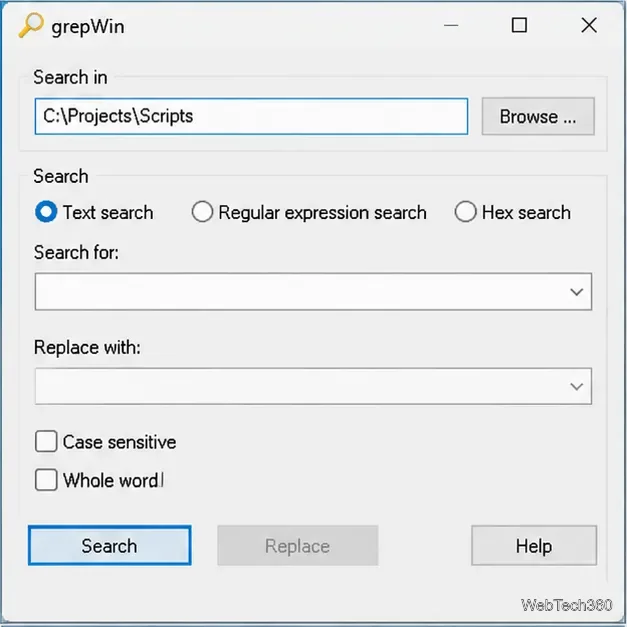
Find words or phrases across multiple text files on Windows 10 with grepWin. Learn how to choose folders, filter file types, include subfolders, and read matches safely.
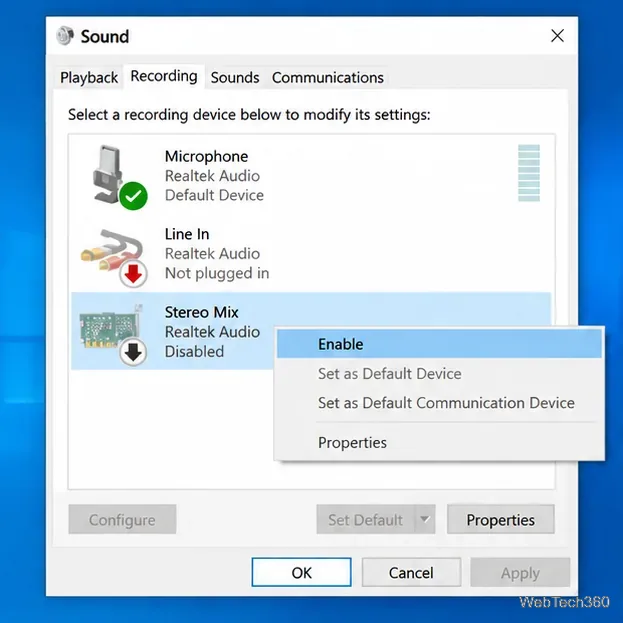
Capture your PC’s playback with FFmpeg on Windows 10. Enable Stereo Mix or use a loopback device, find its DirectShow name, and save clean audio.
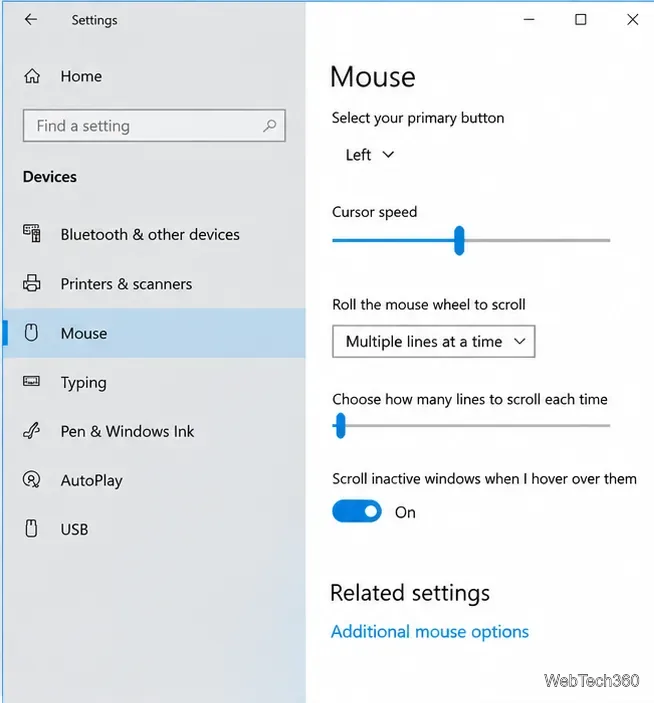
Learn how to adjust Windows 10 mouse pointer speed, change pointer precision, and set hardware DPI with a supported gaming mouse or manufacturer app.
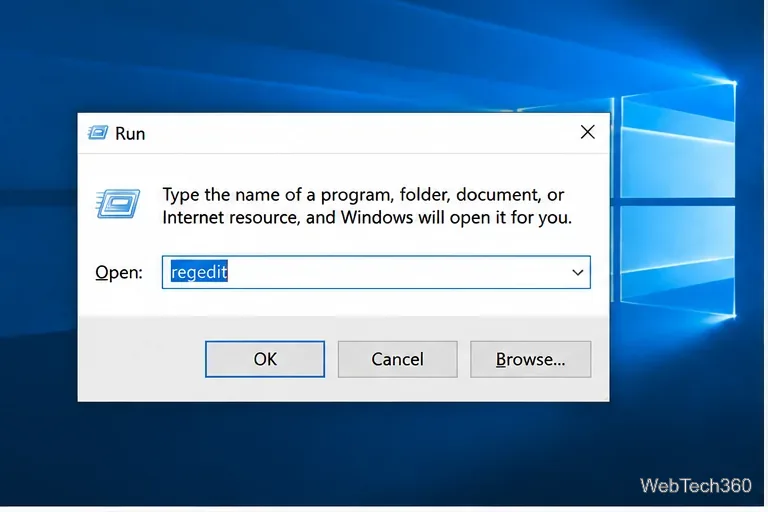
Learn what the legacy Edge blocker registry setting does, how to set it safely, and why it will not stop updates for Microsoft Edge already installed.