How to Check Hard Drive Health in Windows Server
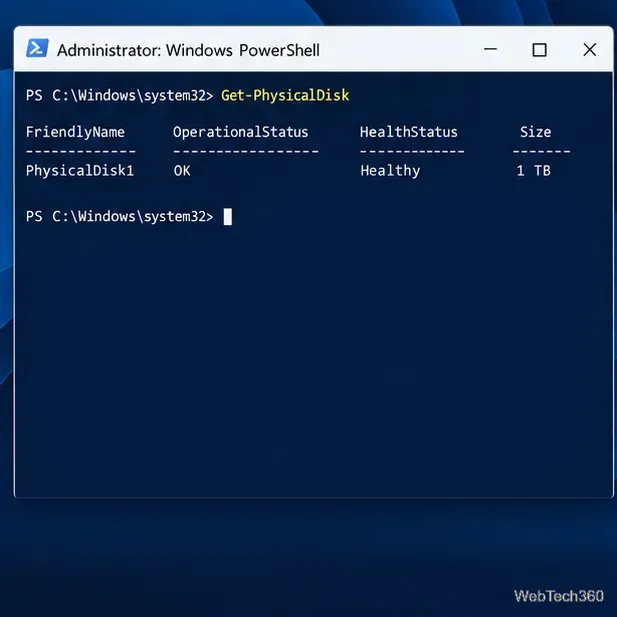
Check Windows Server disk status and reliability counters, verify SMART data when available, and separate hardware warnings from NTFS errors.
Adding a new disk to your Windows 11 PC can supercharge your storage game, but getting it set up right is key. If you're dealing with a fresh drive – whether it's an SSD or HDD – you'll want to initialize a new disk as GPT for the best compatibility and performance. GPT (GUID Partition Table) is the modern standard, supporting larger drives and more partitions than the older MBR. In this guide, we'll walk you through the process using built-in tools, ensuring your setup is smooth and secure. Let's dive in and get your storage optimized! 😊
Before we jump into the steps, let's quickly cover why initializing a new disk as GPT matters. Windows 11 natively supports GPT, which is essential for UEFI boot modes and drives over 2TB. It offers better data integrity with CRC32 checksums and up to 128 primary partitions – a huge upgrade from MBR's limits. If your new disk is for general storage, booting, or large file hoarding, GPT is your go-to. Plus, it's future-proof for the latest hardware. Ready to proceed? Follow these steps in Disk Management, Windows 11's powerhouse tool.
We'll use the Disk Management utility, which is straightforward and requires no extra software. This method works for internal drives connected via SATA or NVMe, or even external USB drives. Ensure your new disk is properly connected and powered on. If it's not detected, check your hardware connections first.
Voila! Your disk is now initialized as GPT. But we're not done yet – you'll need to create a partition and format it to make it usable. Let's continue.
With the disk initialized, the real fun begins: partitioning and formatting. This turns raw space into usable storage. In Disk Management, right-click the unallocated space on your new GPT disk and select New Simple Volume. Follow the wizard:
Once complete, your new GPT drive will appear in File Explorer, ready for files, apps, or backups. If you encounter errors like "The disk is write-protected," check for physical switches on external drives or run CHKDSK in Command Prompt.
Stuck between GPT and MBR? Here's a quick comparison to help you decide:
| Feature | GPT | MBR |
|---|---|---|
| Max Disk Size | 9.4 zettabytes (huge!) | 2 terabytes |
| Partitions | Up to 128 | Up to 4 primary |
| Boot Mode | UEFI (modern) | Legacy BIOS |
| Best For | New PCs, large drives, Windows 11 | Older systems |
For most users in Windows 11, GPT wins hands-down. It aligns with UEFI firmware, which is standard now, and prevents issues like boot failures on big drives. If your system is legacy, MBR might be needed, but upgrade if possible for better security and speed.
Even with a simple process, hiccups happen. Here are fixes to keep you moving:
mbr2gpt /validate /disk:0 then mbr2gpt /convert /disk:0. Back up data first! For details, see Microsoft's official guide: MBR to GPT Conversion.These tips should resolve 90% of problems. If your disk is faulty, test it with tools like CrystalDiskInfo for health checks.
Now that your disk is set up, make it shine:
fsutil behavior query DisableDeleteNotify (0 means it's on).These tweaks will ensure your new disk as GPT in Windows 11 performs at its peak, saving you time and frustration. Whether you're a gamer expanding game libraries or a professional handling big files, this setup delivers reliability.
Congratulations – you've just mastered how to initialize a new disk as GPT in Windows 11! This process unlocks vast potential for your setup, making file management a breeze. If you're adding more drives or tweaking your system, stick around for our related guides on SSD optimization or RAID setups. What's next for your PC? Drop a comment below or explore more tips to keep your Windows 11 experience top-notch. You've got this! 👏
Check Windows Server disk status and reliability counters, verify SMART data when available, and separate hardware warnings from NTFS errors.
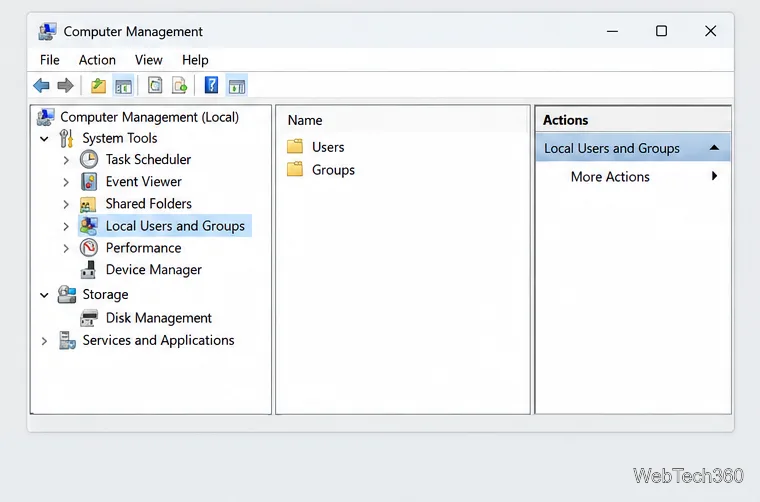
Create, grant admin rights to, disable, or remove local Windows Server users with Computer Management or PowerShell. Learn when to use Active Directory instead.
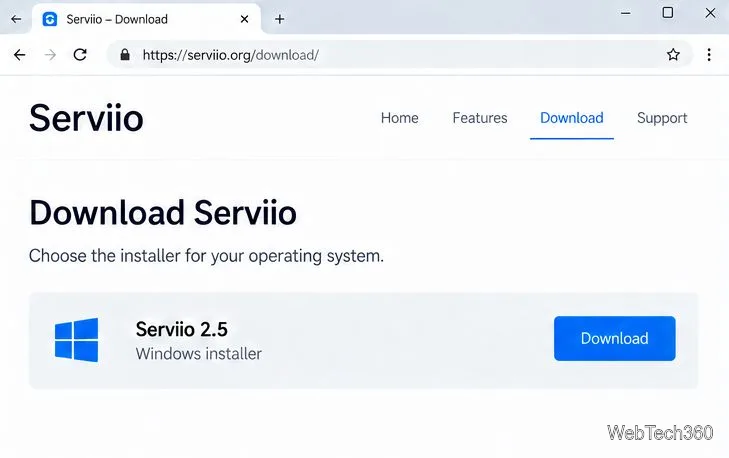
Install Serviio on Windows Server, share local or NAS media folders, and test DLNA playback. Learn how to check the Windows service, firewall, and Pro-only browser features.
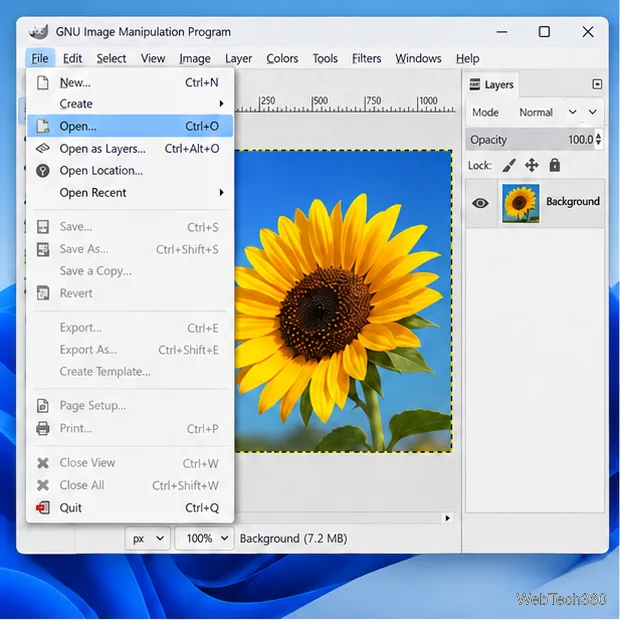
Convert PNG, JPG, or BMP files to Windows ICO with GIMP. Prepare a square image, keep transparency when needed, add standard sizes, and check the export.
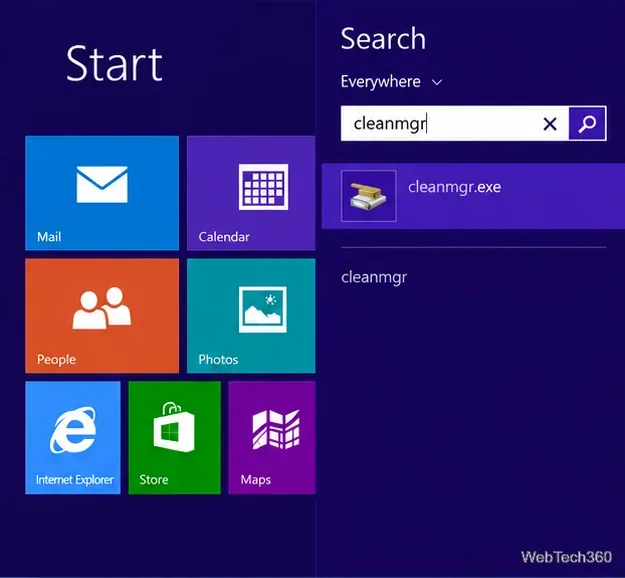
Clear thumbnail, DNS, Internet Explorer, Microsoft Store, Search, and Live Tile data with Windows 8’s built-in tools, and learn what each cleanup removes.
Turn off Windows 10 item check boxes in File Explorer with the View ribbon, or use Folder Options if the toggle is missing. See what changes and how to select multiple files without boxes.
Install VMware Workstation Pro on a compatible Windows Server host, from checking support and downloading the right build to creating your first VM.
Browse and copy Ext2, Ext3, or Ext4 files on Windows with a read-only workflow. See what Linux Reader’s free edition supports and when WSL fits.
Install Caddy’s native Windows binary, serve a test site, enable automatic HTTPS for a domain, and run Caddy as a Windows Server service.
Run Linux Docker containers alongside Windows Server by creating an Ubuntu Hyper-V VM, installing Docker Engine, and publishing a test service safely.