Imagine transforming your workspace into a powerhouse of efficiency—emails on one screen, your project on another, and research tabs sprawling across both. Setting up dual monitors on Windows 11 isn't just a tech upgrade; it's a game-changer for productivity. Whether you're a remote worker, gamer, or creative professional, this guide will walk you through the process with clear, actionable steps. Let's dive in and get your Windows 11 multi-monitor setup running smoothly! 🚀
Why Go for Dual Monitors on Windows 11?
Before we jump into the how-to, let's talk benefits. A dual monitor setup on Windows 11 lets you extend your display, duplicate screens for presentations, or even create a virtual desktop paradise. Studies show multi-monitor users can boost productivity by up to 42%—that's real time saved for what matters most. Plus, Windows 11's sleek interface makes managing multiple screens intuitive and fun. Ready to level up? Here's everything you need.
Prerequisites: What You'll Need for Your Dual Monitor Setup
To ensure a hassle-free setup dual monitors experience on Windows 11, gather these essentials:
- Compatible Hardware: Two monitors with HDMI, DisplayPort, or VGA ports. Your PC or laptop should have matching outputs (most modern ones do—check your graphics card specs).
- Cables and Adapters: HDMI or DisplayPort cables are ideal for the best resolution and refresh rates. If needed, grab a USB-C to HDMI adapter for laptops.
- Windows 11 Device: Ensure your system is updated to the latest version via Settings > Windows Update for optimal multi-monitor support.
- Graphics Drivers: NVIDIA, AMD, or Intel drivers should be current—outdated ones can cause detection issues.
Pro tip: If you're using a laptop, confirm it supports external displays (most do via Thunderbolt or USB-C). With these in hand, you're set for success! 😊

Step-by-Step Guide: How to Set Up Dual Monitors on Windows 11
Setting up dual monitors on Windows 11 is straightforward. Follow these steps, and you'll be multitasking like a pro in minutes. We'll use Windows 11's built-in tools—no extra software required.
Step 1: Connect Your Monitors
Power off your PC for safety. Plug one end of your HDMI (or preferred) cable into your computer's graphics port and the other into the first monitor's input. Repeat for the second monitor. Turn everything on. Windows 11 should auto-detect the new displays—watch for the "ding" sound signaling connection.
If nothing happens, press Windows key + P to cycle through display modes (PC screen only, Duplicate, Extend, Second screen only). Start with extend display Windows 11 for the full dual experience.
Step 2: Access Display Settings
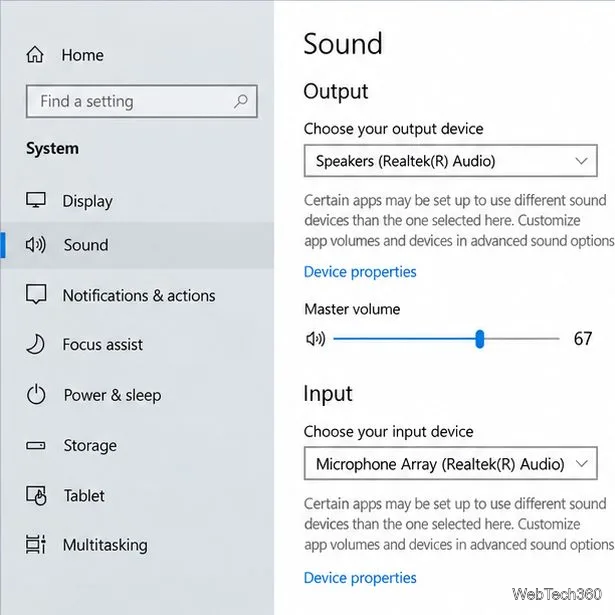
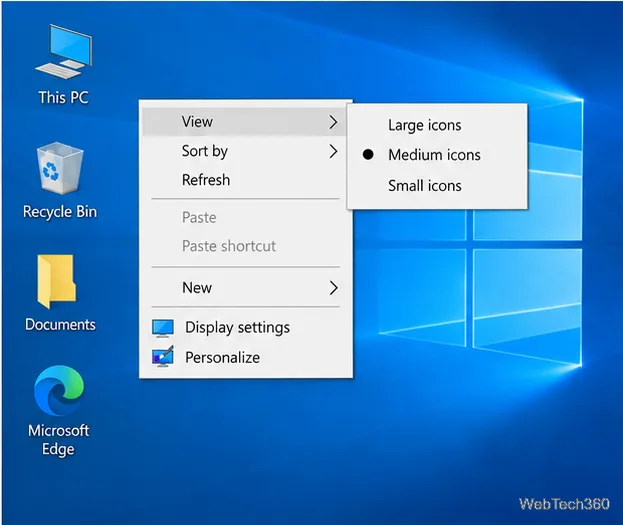
Right-click on your desktop and select Display settings, or go to Settings (Windows key + I) > System > Display. Here, you'll see a visual representation of your screens—labeled 1 and 2.
Scroll to the "Multiple displays" section. Choose from:
| Mode |
Description |
Best For |
| Duplicate these displays |
Mirrors the same content on both screens |
Presentations or sharing your view |
| Extend these displays |
Treats screens as one large desktop |
Productivity multitasking |
| Show only on 1 |
Uses primary screen only |
Troubleshooting or single-monitor mode |
| Show only on 2 |
Switches to secondary screen |
Quick focus shift |
For most users, select Extend these displays to unlock true dual screen setup magic. Click Apply to save.
Step 3: Arrange and Customize Your Displays
In the Display settings, drag the numbered boxes (1 and 2) to match their physical positions—left monitor as 1, right as 2, for smooth mouse movement. This prevents cursor jumps!
Under "Scale & layout," set resolutions for each monitor (e.g., 1920x1080 for Full HD). Adjust orientation if needed (landscape or portrait—great for coding!). For identical monitors, enable "Make this my main display" on your primary one.
![Windows 11 Display Settings interface showing dual monitor arrangement]()
Step 4: Fine-Tune for Performance
Head to Advanced display settings to tweak refresh rates (aim for 60Hz or higher for smooth visuals). If you're into gaming, enable NVIDIA Surround or AMD Eyefinity via their control panels for immersive Windows 11 multi-monitor gaming.
Test it out: Drag a window across screens. Feels seamless? You're golden! 🎉
Troubleshooting Common Dual Monitor Issues on Windows 11
Even with Windows 11's reliability, glitches happen. Don't worry—here's how to fix them quickly.
- One Monitor Not Detected ⚠️: Update graphics drivers from Device Manager (right-click Start > Device Manager > Display adapters > Update driver). Or, try a different cable/port.
- Black Screen or Flickering: Lower resolution temporarily or check for overheating. Restart Explorer via Task Manager (Ctrl + Shift + Esc > Processes > Windows Explorer > Restart).
- Mouse Cursor Stuck: Realign displays in settings. Ensure Windows is updated—recent patches improve multi-monitor stability.
- Performance Lag: Close unnecessary apps or upgrade RAM. For laptops, plug in power to avoid throttling.
If issues persist, visit Microsoft's support page for external monitor troubleshooting. It's a goldmine of official fixes.
![Troubleshooting dual monitors on Windows 11 with error icons and solutions]()
Advanced Tips: Elevate Your Dual Monitor Experience
Once basic setup is done, unlock more with these tweaks:
- Taskbar Customization: Right-click taskbar > Taskbar settings > Multiple displays. Show taskbar on all screens and uncheck "Same icons on all" for a clutter-free view.
- Keyboard Shortcuts: Master Windows key + Shift + Arrow to move windows between monitors. It's a time-saver! ⏱️
- Wallpaper Magic: In Settings > Personalization > Background, select "Picture" and choose "Span" to stretch one image across both screens for a unified look.
- Power User Perks: Use third-party tools like DisplayFusion (free trial available) for hotkeys and window snapping—perfect for power users.
For gamers, enable G-Sync or FreeSync in your GPU settings to sync refresh rates across monitors, reducing tear for epic sessions.
Final Thoughts: Your Path to Multi-Monitor Mastery
Congratulations—you've just unlocked the full potential of dual monitors on Windows 11! This setup isn't just about more screen real estate; it's about working smarter, not harder. Experiment with arrangements, and soon you'll wonder how you ever managed with one screen. If you run into snags or want to share your setup, drop a comment below—we'd love to hear your productivity wins! Keep exploring Windows 11's features for even more boosts. Happy multitasking! 👏