
How to Fix Snipping Tool Issues on Windows 11
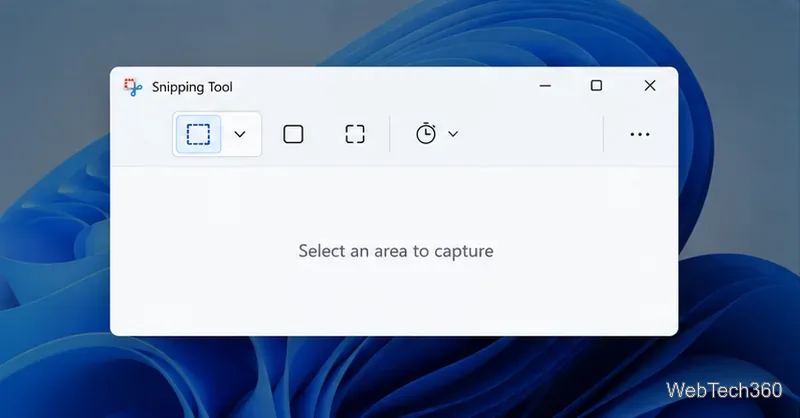
Fix common Snipping Tool problems in Windows 11 with steps to test the shortcut, update or repair the app, reinstall it, and restore missing capture notifications.
Imagine running multiple operating systems on your single Windows 11 PC without the hassle of dual-booting or expensive hardware. That's the magic of Windows 11 Hyper-V, Microsoft's built-in virtualization tool. Whether you're a developer testing apps, an IT pro managing servers, or just curious about running Linux alongside Windows, Hyper-V empowers you to create and control virtual machines (VMs) effortlessly. In this guide, we'll dive straight into the essentials, helping you get started quickly and confidently. Let's turn your machine into a virtualization powerhouse! 🚀
Before we jump in, let's highlight why Hyper-V stands out in the latest Windows 11 updates. It's free, integrated, and optimized for performance on modern hardware. No need for third-party software like VirtualBox or VMware—everything you need is right there. Virtual machines let you isolate environments, snapshot states for easy rollback, and even nest VMs for advanced setups. Plus, with Windows 11's enhanced security features, your host system stays protected. Ready to harness this? Follow these steps to enable and use it.
First things first: Hyper-V requires specific hardware and a compatible Windows edition. It's available on Windows 11 Pro, Enterprise, or Education—not Home. Here's how to verify and activate it.
winver, and hit Enter. Confirm it's Pro or higher.Enable-WindowsOptionalFeature -Online -FeatureName Microsoft-Hyper-V -All.Once enabled, you'll see the Hyper-V Manager in your Start menu. Pro tip: If you're on a laptop, ensure it's plugged in—virtualization can be power-hungry! 😊
With Hyper-V activated, open Hyper-V Manager from the Start menu. It might take a moment to initialize. On the right pane, click "Connect to Server" and select "Local computer" to manage your own machine. You'll see your host name listed under "Hyper-V Services."
This is your control center for all virtual machines. The interface is clean and intuitive, showing VMs, virtual switches, and more. Feel the excitement building? You're just a few clicks away from spinning up your first VM.
Now, the fun part: building a VM. In Hyper-V Manager, right-click your host name and select "New" > "Virtual Machine." The New Virtual Machine Wizard pops up—let's walk through it step by step.
Double-click the VM to open its console, then click "Start" in the toolbar. Watch as it boots from the ISO—install your OS just like on physical hardware. 🎉
Creating is one thing; managing virtual machines keeps things smooth. In Hyper-V Manager, right-click a VM for options like Start, Stop, or Shut Down. Use "Connect" to access the VM's desktop via a window—enhanced session mode integrates clipboard and drives for seamless file sharing.
To optimize:
For advanced users, PowerShell commands like Get-VM or Start-VM automate tasks. And don't forget Enhanced Session Mode—enable it in VM settings for USB redirection and dynamic resolution.
| Feature | Generation 1 | Generation 2 |
|---|---|---|
| BIOS/UEFI | BIOS | UEFI |
| Secure Boot | No | Yes |
| Best For | Legacy OS | Modern OS (Win 10+) |
Running into issues? If a VM won't start, check Event Viewer for errors—often it's disabled virtualization in BIOS. For nested virtualization (VMs inside VMs), enable it via Set-VMProcessor -VMName "YourVM" -ExposeVirtualizationExtensions $true in PowerShell.
Performance tweaks: Use SSD storage, limit VMs to 80% of host resources, and update Hyper-V integration services inside the guest OS. For networking woes, ensure your virtual switch matches your needs—External for full access, NAT for simple sharing.
Security note: Always run VMs as non-admin if possible, and use shielded VMs for sensitive workloads (requires Windows Server, but basics apply).
Windows 11 Hyper-V isn't just tech jargon—it's a game-changer. Developers use it for cross-OS testing, saving hours on deployments. IT admins replicate servers for disaster recovery. Even hobbyists run old games in isolated environments without risking their main setup. As you experiment, you'll discover endless possibilities, like cloning VMs for quick duplicates or exporting them for backups.
For the latest features, check Microsoft's official docs. Dive deeper with Microsoft Learn: Hyper-V Overview—it's packed with pro tips.
Congratulations—you're now equipped to master Windows 11 Hyper-V and virtual machines! From enabling the feature to optimizing your setups, you've got the tools to boost efficiency and explore new horizons. Start small with a Linux VM, then scale up. What's your first project? Share in the comments below, and happy virtualizing! 👏
Fix common Snipping Tool problems in Windows 11 with steps to test the shortcut, update or repair the app, reinstall it, and restore missing capture notifications.
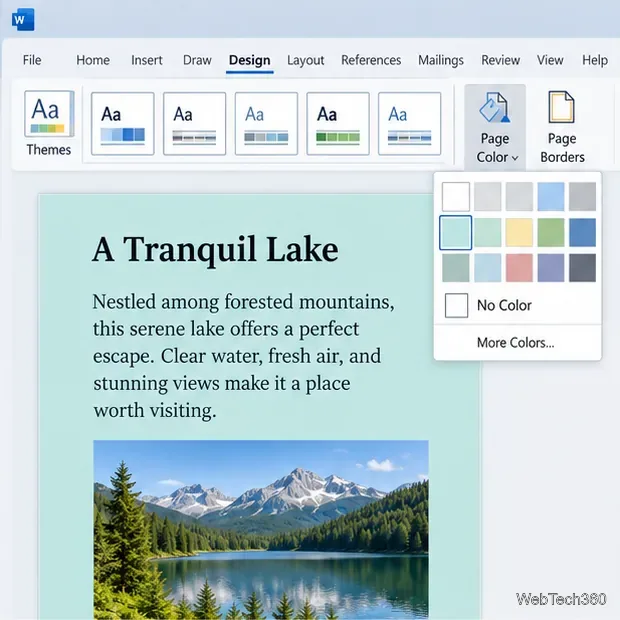
Choose a color-capable printer, enable Word’s background-print setting, and check the preview so page colors, images, and graphics print as expected.
Learn how to use WinX DVD Ripper to convert a DVD you’re entitled to copy into an MP4 file, choose the right title and destination, and troubleshoot playback problems on Windows 10 or 11.
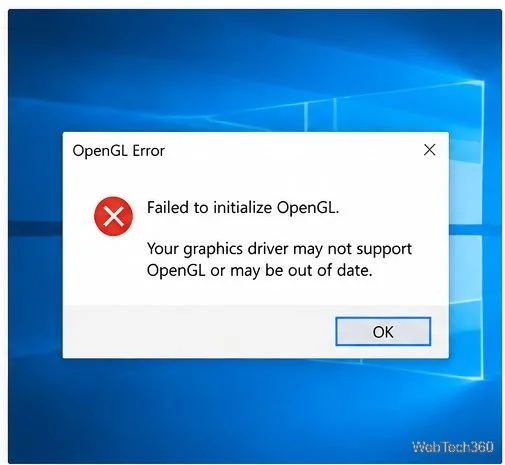
Troubleshoot OpenGL errors in Windows 10 by checking graphics drivers, repairing system files, reinstalling the affected app, and reviewing graphics settings.
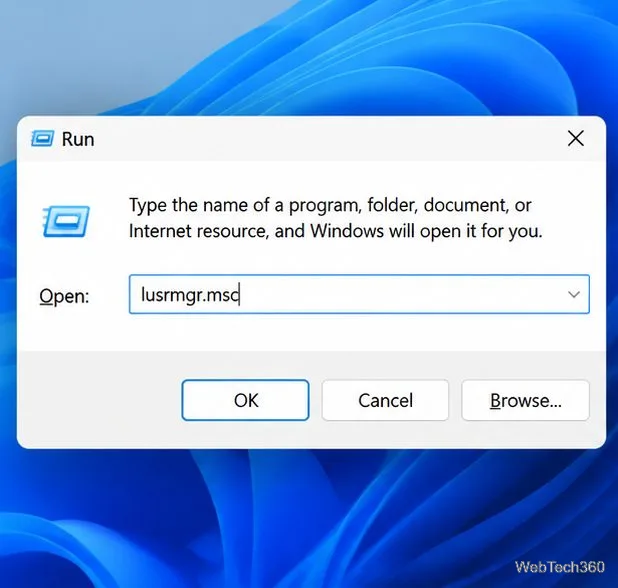
Learn when to use net user, lusrmgr.msc, and net localgroup to view, create, disable, and manage local Windows accounts safely.
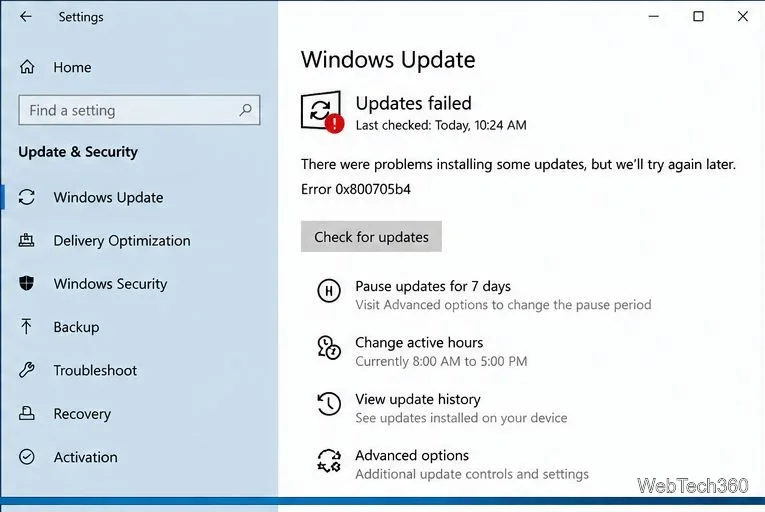
Resolve Windows Update error 0x800705b4 with practical checks for connectivity, update services, cached files, and damaged Windows system components.
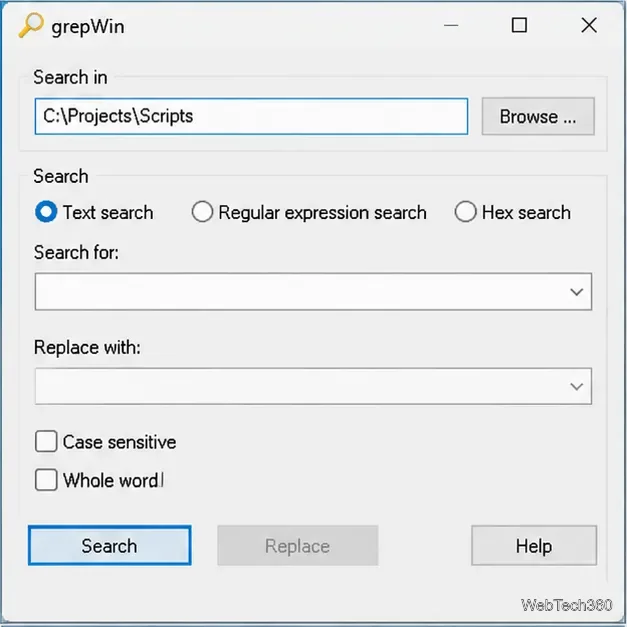
Find words or phrases across multiple text files on Windows 10 with grepWin. Learn how to choose folders, filter file types, include subfolders, and read matches safely.
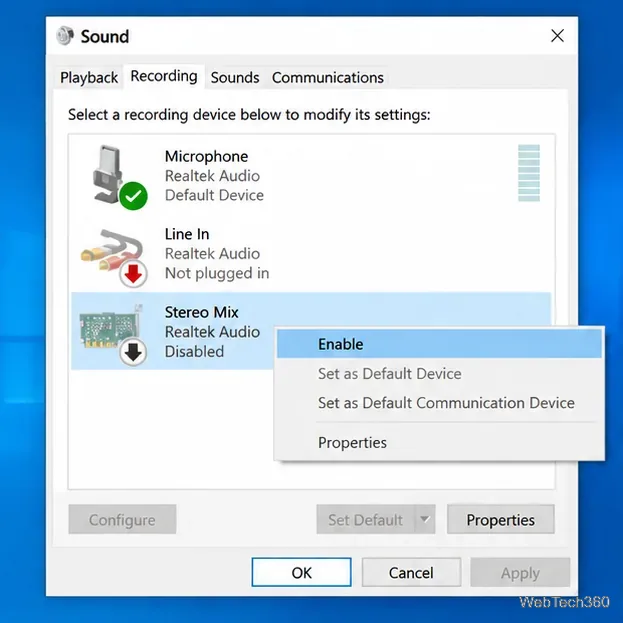
Capture your PC’s playback with FFmpeg on Windows 10. Enable Stereo Mix or use a loopback device, find its DirectShow name, and save clean audio.
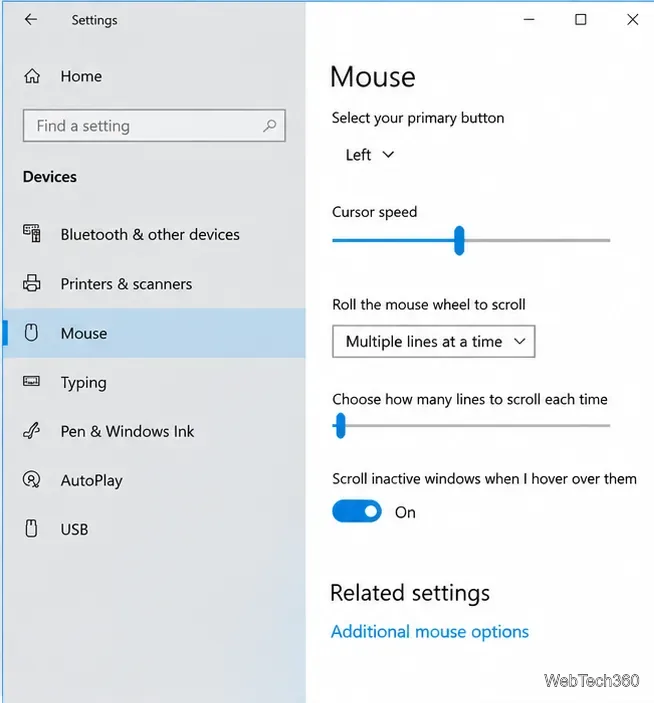
Learn how to adjust Windows 10 mouse pointer speed, change pointer precision, and set hardware DPI with a supported gaming mouse or manufacturer app.
Learn what the legacy Edge blocker registry setting does, how to set it safely, and why it will not stop updates for Microsoft Edge already installed.