How to Check Hard Drive Health in Windows Server
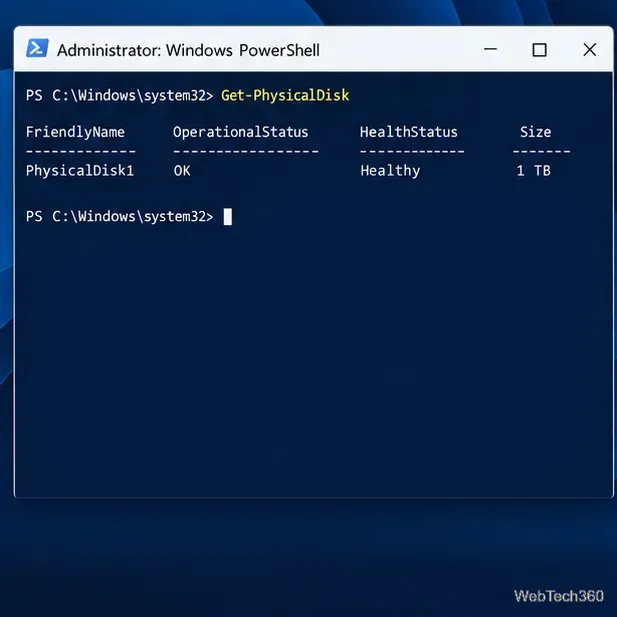
Check Windows Server disk status and reliability counters, verify SMART data when available, and separate hardware warnings from NTFS errors.
Imagine having the ultimate control over your Windows 11 machine, executing powerful scripts and commands that can automate tasks, troubleshoot issues, and optimize performance—all with just a few keystrokes. That's the magic of using Windows 11 PowerShell as administrator. Whether you're a tech enthusiast, IT professional, or someone looking to level up your PC management skills, mastering PowerShell as administrator opens doors to efficiency and precision. In this guide, we'll dive straight into the essentials, keeping things focused and actionable so you can start commanding your system confidently right away. Let's get you elevated and empowered! 🚀
PowerShell isn't just a command-line tool; it's a powerhouse for automation and system management in Windows 11. Running it as administrator grants elevated privileges, allowing you to access restricted areas like system files, registry edits, and advanced configurations that standard users can't touch. This is crucial for tasks such as installing software silently, managing services, or diagnosing hardware issues.
Without admin rights, you'll hit roadblocks—think "Access Denied" errors that frustrate even seasoned users. By learning to run PowerShell as administrator, you'll bypass these limitations, saving time and reducing headaches. Plus, in the latest Windows 11 updates, PowerShell has evolved with better integration for cloud services and AI-driven scripting, making it more relevant than ever for modern workflows.
Getting started is straightforward. Follow these steps to launch PowerShell as administrator quickly. We'll cover multiple methods so you can choose what fits your style—whether you're on a desktop, laptop, or even a touch-enabled device.
Once open, you'll notice the window title says "Administrator: Windows PowerShell". That's your cue that elevated mode is active. If you're new to this, don't worry—the interface is intuitive, with a blue background and prompt ready for your commands.

Now that you're in, let's put that power to use. Here are some must-know PowerShell commands that shine under administrator privileges. These are curated for practicality, helping you manage your system efficiently without fluff.
For a quick reference, here's a handy table of common admin-level commands:
| Command | Purpose | Example Use Case |
|---|---|---|
| sfc /scannow | Scans and repairs system files | Fix corrupted files after a crash |
| Enable-WindowsOptionalFeature -Online -FeatureName Microsoft-Windows-Subsystem-Linux | Enables WSL for Linux integration | Set up dual-boot-like environments |
| New-NetFirewallRule -DisplayName "Allow Port 80" -Direction Inbound -Protocol TCP -LocalPort 80 -Action Allow | Configures firewall rules | Open ports for web servers |
| Update-Help | Refreshes PowerShell help files | Stay current with command documentation |
These commands are battle-tested in the most recent Windows 11 iterations, ensuring compatibility and reliability. Experiment in a safe environment first to build confidence.
To keep things smooth and secure, always run PowerShell as administrator only when necessary—elevated mode can accidentally alter system settings if mishandled. Here are focused tips to elevate your game:
For deeper dives, check out Microsoft's official documentation on PowerShell scripting. It's a goldmine of updated resources tailored for Windows 11.
Even pros slip up sometimes. Watch out for these traps when using PowerShell as administrator:
By steering clear of these, you'll maintain a frustration-free experience. Remember, practice makes perfect—start small and scale up.
You've now got the tools to harness Windows 11 PowerShell as administrator like a boss. From quick launches to powerful commands, you're set to tackle any system challenge. But why stop here? Explore scripting for automation, integrate with Azure for cloud management, or even build custom modules. The possibilities are endless, and each step builds your expertise further. Dive in, experiment, and watch your productivity soar. If this guide sparked your interest, share your favorite command in the comments—what will you automate first? Let's keep the conversation going! 👏
Check Windows Server disk status and reliability counters, verify SMART data when available, and separate hardware warnings from NTFS errors.
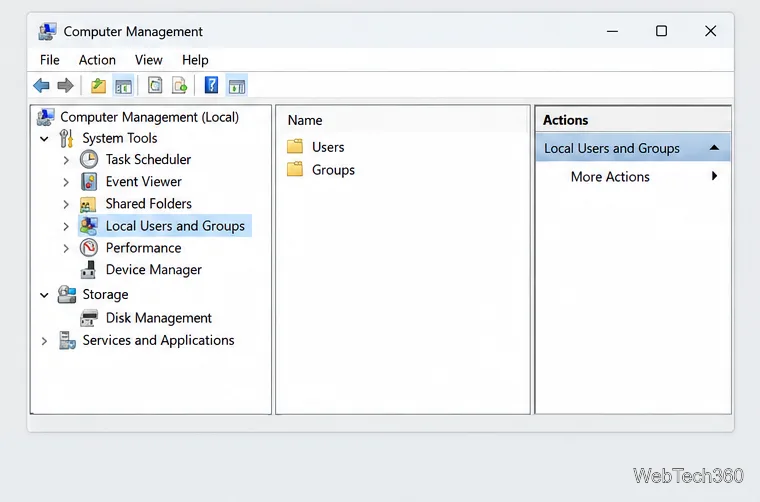
Create, grant admin rights to, disable, or remove local Windows Server users with Computer Management or PowerShell. Learn when to use Active Directory instead.
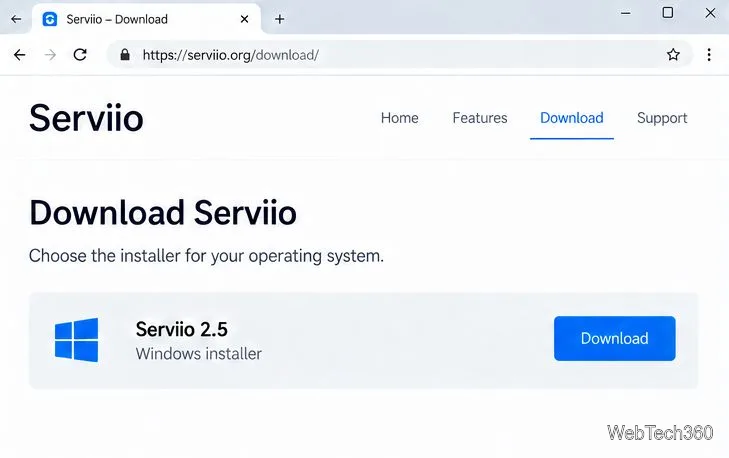
Install Serviio on Windows Server, share local or NAS media folders, and test DLNA playback. Learn how to check the Windows service, firewall, and Pro-only browser features.
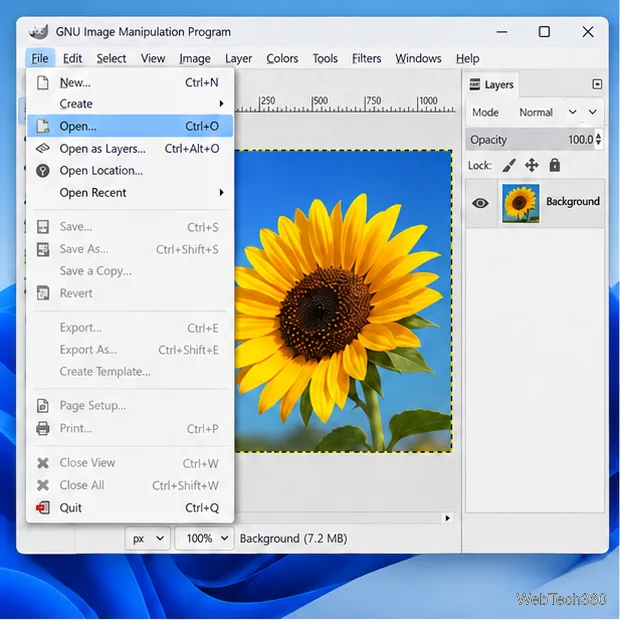
Convert PNG, JPG, or BMP files to Windows ICO with GIMP. Prepare a square image, keep transparency when needed, add standard sizes, and check the export.
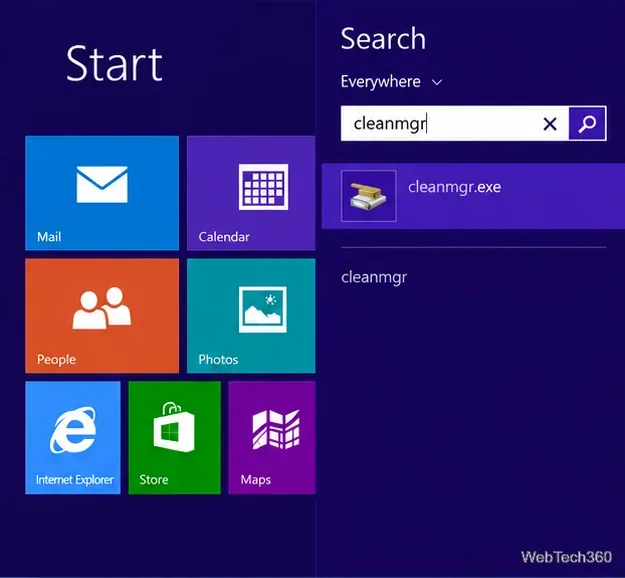
Clear thumbnail, DNS, Internet Explorer, Microsoft Store, Search, and Live Tile data with Windows 8’s built-in tools, and learn what each cleanup removes.
Turn off Windows 10 item check boxes in File Explorer with the View ribbon, or use Folder Options if the toggle is missing. See what changes and how to select multiple files without boxes.
Install VMware Workstation Pro on a compatible Windows Server host, from checking support and downloading the right build to creating your first VM.
Browse and copy Ext2, Ext3, or Ext4 files on Windows with a read-only workflow. See what Linux Reader’s free edition supports and when WSL fits.
Install Caddy’s native Windows binary, serve a test site, enable automatic HTTPS for a domain, and run Caddy as a Windows Server service.
Run Linux Docker containers alongside Windows Server by creating an Ubuntu Hyper-V VM, installing Docker Engine, and publishing a test service safely.