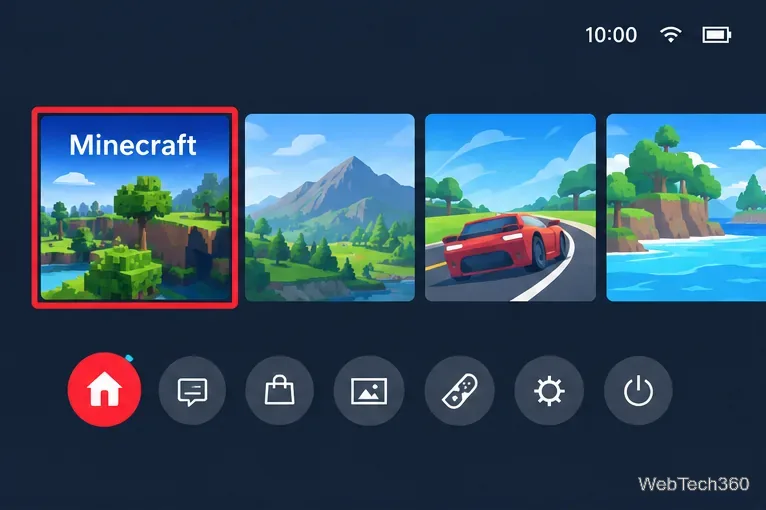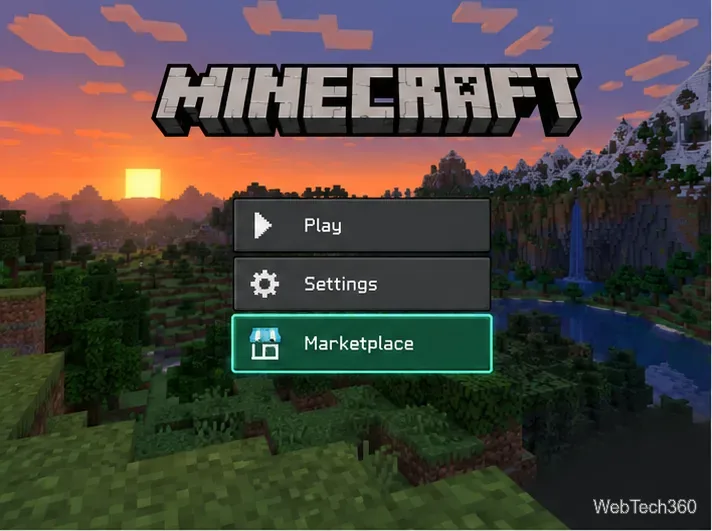
How to Make a Glass Bottle in Minecraft
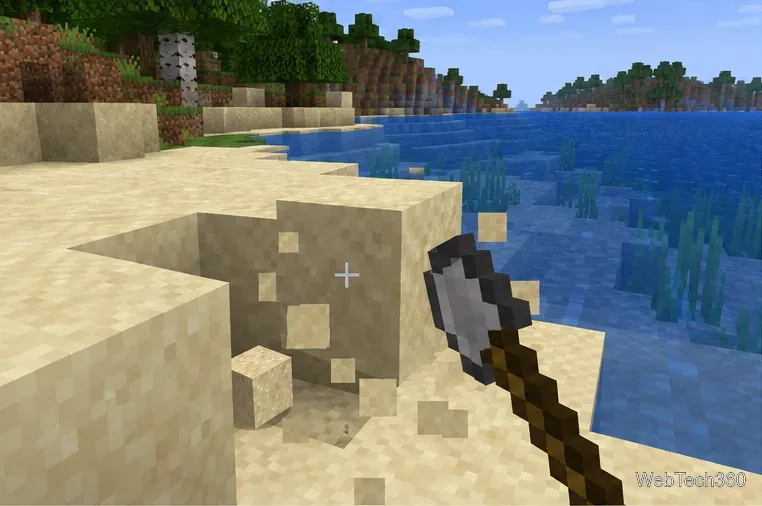
Learn the exact three-glass recipe, smelt sand into glass, and fill your Minecraft bottles with water for brewing.
Imagine being able to fix a friend's computer glitch from across the room—or the globe—without breaking a sweat. That's the magic of Windows 11 Quick Assist, Microsoft's built-in tool designed to make remote help a breeze. Whether you're a tech-savvy helper or someone needing quick support, this feature turns complex troubleshooting into simple, secure sessions. In this guide, we'll walk you through everything you need to know about using Windows 11 Quick Assist for help, step by step, so you can connect, resolve issues, and disconnect with confidence. Let's dive in and empower your tech support game! 🚀
Windows 11 Quick Assist is a free, native app in Windows 11 that enables real-time remote assistance between two devices. It's perfect for scenarios like guiding a family member through software setup, diagnosing hardware problems, or collaborating on a project. Unlike third-party tools, it's integrated directly into the OS, ensuring compatibility and security without extra downloads.
Why choose it? It's lightning-fast to launch, uses end-to-end encryption for privacy, and requires no account setup beyond a Microsoft login. Plus, in the latest updates, Microsoft has enhanced its performance for smoother screen sharing and file transfers, making it ideal for everyday users. Feel the relief of solving issues without the hassle—Quick Assist is your go-to for stress-free help. 😊
Before jumping into sessions, ensure both the helper and the person needing help (the sharer) are on Windows 11. The tool works on PCs running the latest builds, and both parties need a Microsoft account for authentication. No internet? It won't work—Quick Assist relies on a stable connection for remote access.
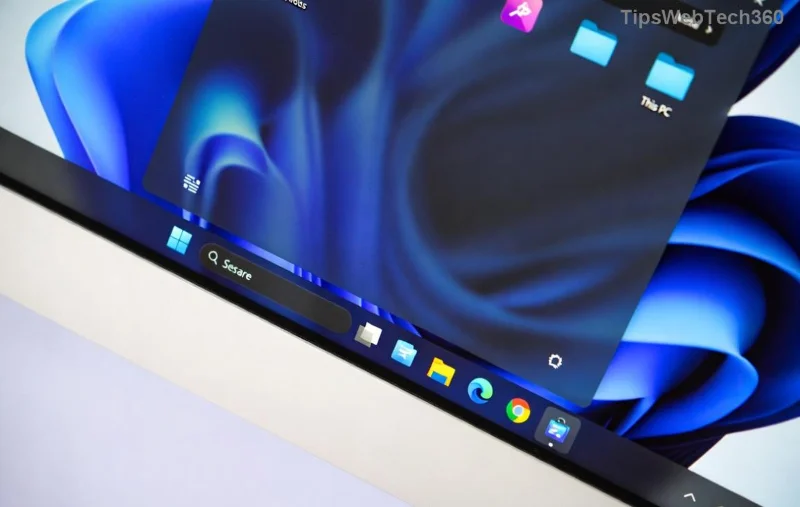
To launch Windows 11 Quick Assist, simply type "Quick Assist" into the Windows search bar (Win + S) and open the app. It's pre-installed, so no downloads needed. If it's your first time, grant permissions for screen sharing and remote control when prompted. Ready? Let's connect!
Helping someone remotely is straightforward. Follow these steps to take control and provide expert support using Windows 11 Quick Assist for help.
Pro tip: During sessions, the toolbar offers handy tools like pausing the screen or zooming in, ensuring you never miss a detail. This setup makes Windows 11 Quick Assist incredibly user-friendly, even for beginners.
If you're the one needing assistance, Quick Assist puts you in the driver's seat for inviting help safely. Here's how to use Windows 11 Quick Assist for help from the receiving end:
This process keeps things transparent and secure, building trust between you and your helper. No more awkward phone explanations—see the fixes happen live!
To supercharge your Windows 11 Quick Assist experience, explore these features that go beyond basics:
| Feature | Description | Best Use Case |
|---|---|---|
| Screen Annotation | Draw or highlight directly on the shared screen. | Explaining complex UI elements, like app settings. |
| File Transfer | Send or receive files securely during the session. | Sharing screenshots, drivers, or updates without email. |
| Chat Integration | Real-time messaging alongside screen sharing. | Verbal instructions when audio isn't feasible. |
| Session Recording | Optional recording for later review (with consent). | Training sessions or documenting fixes. |
For smoother sessions, ensure both devices are updated to the latest Windows 11 build via Settings > Update & Security. If you encounter connection issues, check firewall settings—Quick Assist needs ports 443 and 80 open. And remember, always get consent before taking control to respect privacy.
Safety first! Windows 11 Quick Assist for help is built with robust security, including PIN verification for control and automatic session timeouts. Only share codes with trusted contacts, and avoid public networks for sensitive tasks. Microsoft continually patches vulnerabilities, so keep your system updated.
For more details on security features, check Microsoft's official guide: Quick Assist Security Overview.
Running into snags? Here are quick fixes:
These tips should get you back on track, minimizing frustration and maximizing helpfulness.
In a world of remote work and digital dependency, Windows 11 Quick Assist shines as a reliable, no-fuss solution. It's not just a tool—it's a lifeline for quick resolutions, fostering connections through tech. Whether helping a loved one or supporting a team, mastering this feature saves time and builds confidence.
Ready to try it? Open Quick Assist now and experience the difference. Got a specific scenario in mind? Share in the comments below—we'd love to hear how it's helped you! 👏
Stay tuned for more Windows 11 tips to keep your tech life smooth and exciting.
Learn the exact three-glass recipe, smelt sand into glass, and fill your Minecraft bottles with water for brewing.
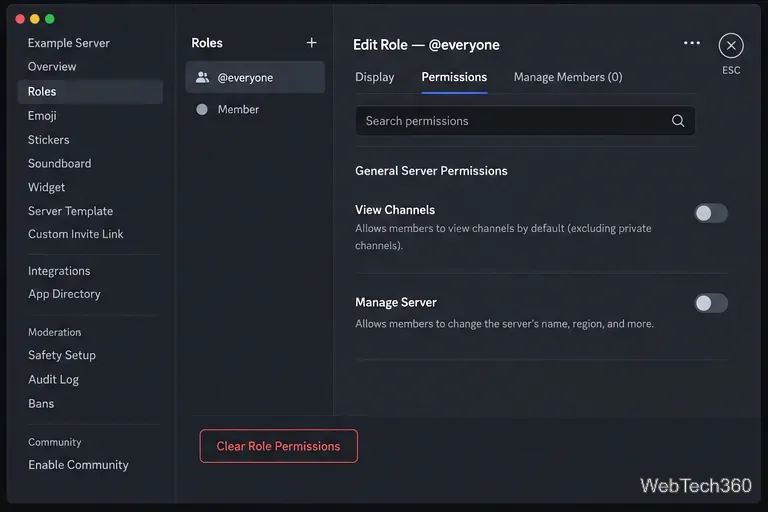
Control who can join, see channels, and find your Discord server with role permissions, invite links, and Discovery settings.
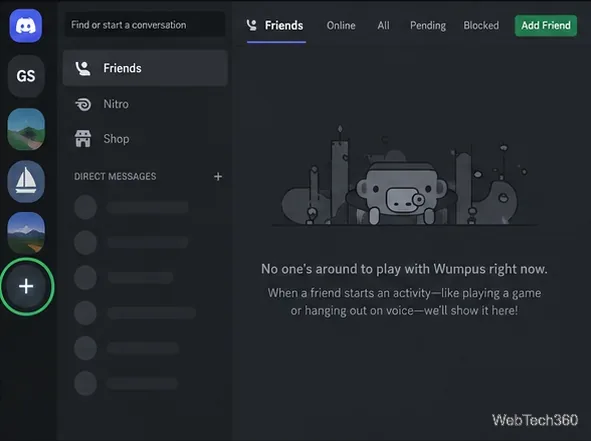
Create a Discord server in the desktop app or browser, organize channels, set permissions and safety tools, then share an invite that fits your group.
Build a renewable lava farm with pointed dripstone, one lava source, and a cauldron. Follow the setup, collection steps, and fixes for a cauldron that will not fill.
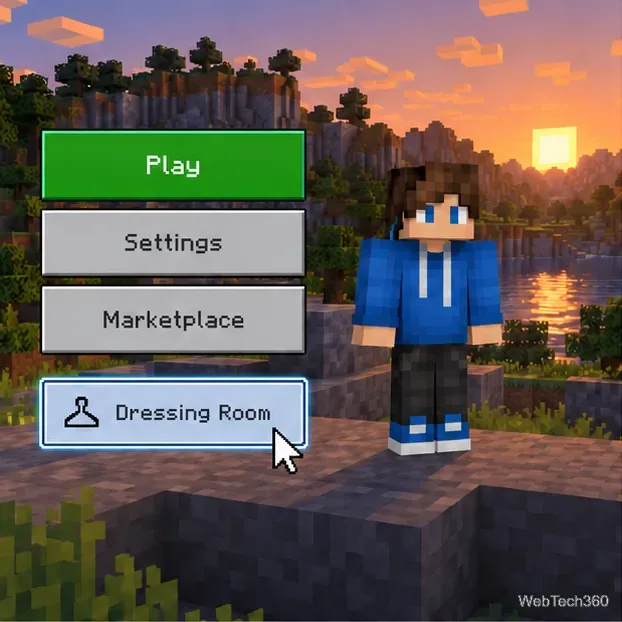
Fix a Minecraft skin that will not load by checking Bedrock Dressing Room, your Microsoft account, Marketplace downloads, updates, and Java skin settings.
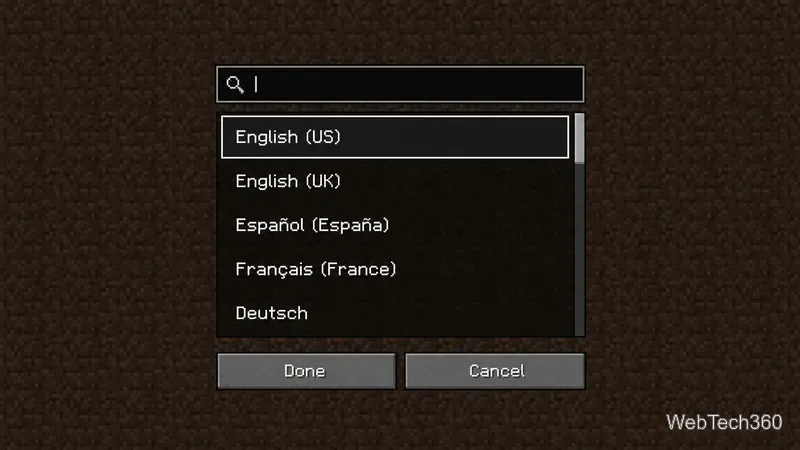
Minecraft language options differ between Java and Bedrock. See common languages, why old counts are unreliable, and where to check your edition.
Plan a practical Minecraft survival base with the essentials for safety, food, storage, and crafting, plus useful upgrades to add as your world grows.
Update Minecraft on Nintendo Switch from the HOME Menu, enable automatic updates, and troubleshoot when the console cannot find or install one.
Learn the official ways to get Minecoins in Minecraft, redeem a prepaid code, spend coins on Marketplace content, and fix a missing balance.
Learn how to add Jira users to team-managed and company-managed projects, assign the right role, and share a board’s saved filter safely.