Imagine accessing your work computer from a coffee shop halfway across the world, or helping a family member fix their PC without leaving your couch. That's the magic of Windows 11 Remote Desktop Connection. In this guide, we'll walk you through everything you need to know to set it up, use it securely, and troubleshoot common issues. Whether you're a remote worker, IT enthusiast, or just tech-curious, you'll feel empowered and excited to dive into this powerful feature. Let's get started! 🚀
What is Windows 11 Remote Desktop Connection?
Remote Desktop Connection (often called RDP) is a built-in Windows tool that lets you connect to another Windows PC over the internet or a local network. With Windows 11 Remote Desktop, you can control the remote machine as if you were sitting right in front of it—viewing files, running apps, and even using peripherals like printers.
It's perfect for boosting productivity, especially in our hybrid work era. No more lugging laptops or worrying about file transfers. Plus, it's secure when configured right, using encryption to protect your sessions. Ready to unlock this? Follow our step-by-step setup below.
Step-by-Step Guide: Setting Up Windows 11 Remote Desktop
Setting up Windows 11 Remote Desktop Connection involves two main parts: enabling it on the host PC (the one you want to access remotely) and connecting from the client device. We'll keep it simple and focused—let's jump in.
1. Enable Remote Desktop on the Host PC
👉 First, ensure your host PC is running Windows 11 Pro, Enterprise, or Education (Home edition doesn't support hosting RDP natively—consider upgrading or using alternatives like third-party tools).
- Open Settings by pressing Windows key + I.
- Navigate to System > Remote Desktop.
- Toggle on Enable Remote Desktop. Confirm the prompt—Windows will ask for admin privileges.
- Note the PC name under "How to connect to this PC." You'll need this for connections. For example: "DESKTOP-ABC123".
- Under "User accounts," add users who can connect. Click "Select users" and choose from your Microsoft account or local users.
Pro Tip: For security, set a strong password on the host PC and enable Network Level Authentication (NLA) in the same settings menu. This adds an extra layer of protection by verifying users before establishing the session.
2. Configure Firewall and Network Settings
To allow incoming connections, tweak your firewall:
- Search for Windows Defender Firewall in the Start menu.
- Click "Allow an app or feature through Windows Defender Firewall."
- Find Remote Desktop in the list, check both Private and Public networks, then hit OK.
If you're connecting over the internet (not just LAN), forward port 3389 on your router. Log into your router's admin page (usually 192.168.1.1) and set up port forwarding to your host PC's IP. Use a dynamic DNS service if your IP changes often—tools like No-IP can help.
Feeling secure? Great—now let's connect!
3. Connect from a Client Device
You can connect from another Windows PC, Mac, iOS, Android, or even Linux using the Microsoft Remote Desktop app.
For Windows Clients:
- Search for Remote Desktop Connection in the Start menu (it's the mstsc.exe app).
- Enter the host PC's name or IP address.
- Click "Show Options" for advanced settings:
- Under General, save credentials if trusted.
- Under Display, adjust resolution for your screen size.
- Under Local Resources, enable clipboard, drives, or printers to share files seamlessly.
- Hit "Connect," enter your username and password, and you're in!
For Non-Windows Devices:
Download the free Microsoft Remote Desktop app from the App Store, Google Play, or Mac App Store. The process is similar: add a new connection with the PC name/IP, username, and password. Adjust settings for touch-friendly controls on mobile.
![Remote Desktop Connection Interface on Windows 11]()
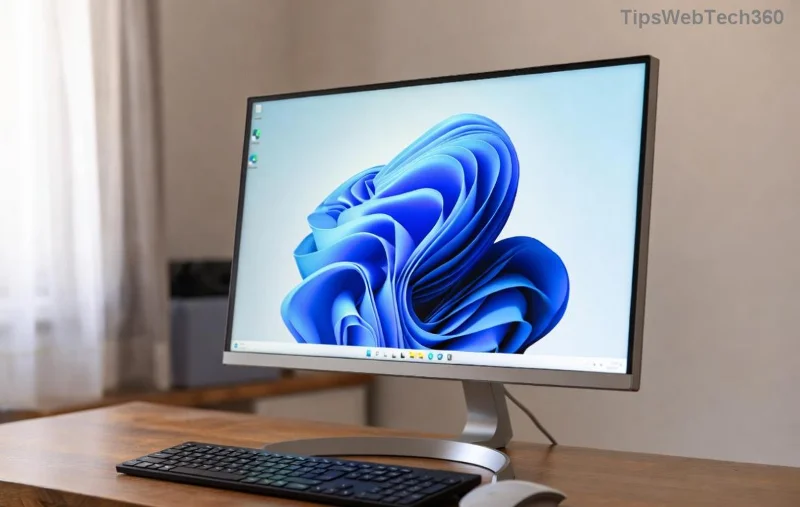
Once connected, your host desktop appears in a window. Drag, click, and type just like locally. Disconnect by closing the window—no need to log off the remote session.
Advanced Tips for Optimal Windows 11 Remote Desktop Use
Now that basics are covered, level up your experience with these insider hacks:
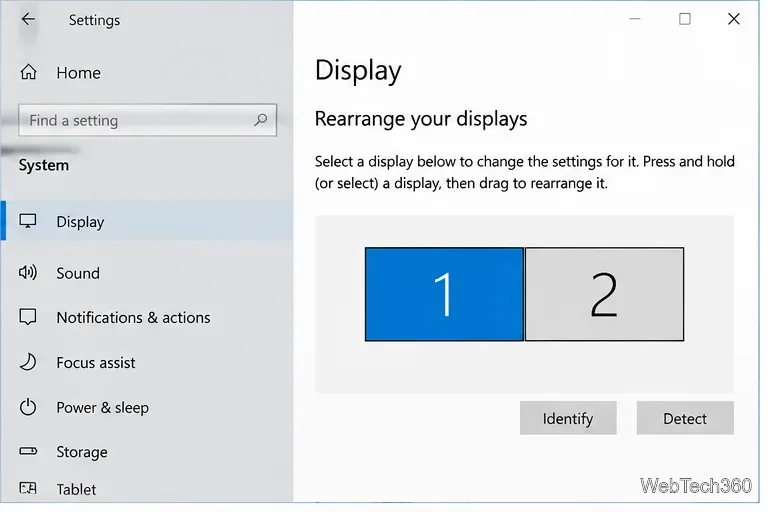
- Multi-Monitor Support: In connection options, select "Use all my monitors for the remote session." Perfect for power users juggling screens! 🌟
- Performance Tweaks: For laggy connections, lower display resolution or disable themes/animations in the remote session's settings (right-click taskbar > Personalization).
- Secure It Further: Always use VPN alongside RDP for public Wi-Fi. Enable two-factor authentication via Microsoft accounts.
- Mobile Optimization: On phones, pinch-to-zoom and use on-screen keyboard for quick access. It's a game-changer for IT support on the go.
Here's a quick comparison table of RDP vs. popular alternatives to help you decide if it's right for you:
| Feature |
Windows 11 RDP |
TeamViewer |
Chrome Remote Desktop |
| Cost |
Free (built-in) |
Free for personal; paid for business |
Free |
| Cross-Platform |
Excellent (apps for all devices) |
Best (any OS) |
Good (browser-based) |
| Security |
Strong with NLA/VPN |
End-to-end encryption |
Google security |
| Setup Ease |
Simple for Windows users |
Very easy, no ports |
Quick via Google account |
This table shows why Windows 11 Remote Desktop shines for Microsoft ecosystems—reliable and integrated.
Troubleshooting Common Remote Desktop Issues
Even the smoothest setups hit bumps. Don't worry—here's how to fix them quickly:
- Can't Connect? Error 0x204: Check if Remote Desktop is enabled and firewall allows it. Verify the PC name/IP—use ipconfig in Command Prompt for local IP.
- Black Screen or Slow Performance: Update graphics drivers on the host. Reduce color depth in connection settings to 16-bit for faster speeds. 😊
- Authentication Failed: Ensure NLA matches on both ends. If using Microsoft accounts, sign in with the full email.
- Mobile App Crashes: Update the app and ensure your device meets minimum specs (iOS 13+, Android 8.0+).
For deeper dives, check Microsoft's official docs: Remote Desktop Services.
Why You'll Love Using Windows 11 Remote Desktop Daily
By now, you're equipped to harness Remote Desktop Connection like a pro. It's not just a tool—it's a bridge to freedom, letting you work smarter from anywhere. Start small: try connecting locally first, then go remote. As you explore, you'll discover endless uses, from home office setups to quick family tech support.
Stick around for more tips in our upcoming guides on Windows 11 productivity hacks. Have questions? Drop them in the comments—we're here to help! 👏