
How to Make a Glass Bottle in Minecraft

Learn the exact three-glass recipe, smelt sand into glass, and fill your Minecraft bottles with water for brewing.
Imagine transforming your thoughts into polished documents without ever lifting a finger—or rather, without typing a single word. With Windows 11 voice typing, this isn't just a dream; it's a reality that's empowering users worldwide to boost productivity and creativity. Whether you're a busy professional drafting reports, a student outlining essays, or a writer capturing ideas on the fly, voice typing for documents in Windows 11 makes it all feel effortless. In this guide, we'll dive straight into the essentials, helping you set up and master this feature so you can dictate with confidence and speed.
Windows 11 voice typing is Microsoft's built-in speech-to-text tool that lets you convert spoken words into typed text in real-time. Integrated seamlessly into apps like Microsoft Word, Notepad, and even web browsers, it's designed for accuracy and ease, especially on modern hardware with noise-cancellation mics. Why bother? For starters, it's faster than typing for many—up to three times quicker, according to user studies. Plus, it's accessible, reducing strain on your hands and opening doors for those with mobility challenges.
Picture this: You're brainstorming a project, and instead of fumbling with keys, you just speak your ideas aloud. The result? Cleaner, more natural writing that flows like conversation. And with recent updates enhancing multilingual support and punctuation commands, it's more powerful than ever. Ready to unlock this? Let's get started with setup.
Enabling dictate in Windows 11 is straightforward—no downloads required if you're on the latest build. Follow these steps to activate it:
Once set up, you're primed for dictation. Pro tip: Use a headset mic in noisy environments for crystal-clear results—it's a game-changer for reliable speech to text Windows performance.
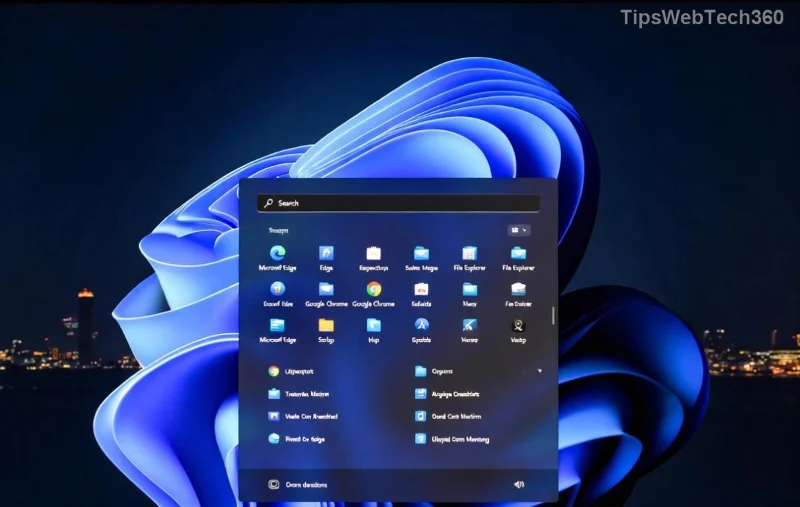
Now, the fun part—putting Windows dictation features to work in your documents. Open any text editor like Word or Notepad, and let's dictate!
For longer sessions, enable auto-punctuation in settings to minimize commands. And if you're dictating numbers or symbols, enunciate slowly; Windows handles most with ease but appreciates clarity.
To truly excel with how to use voice typing, optimization is key. Here's how to fine-tune for flawless results:
One user favorite: Combine with Windows' Dictation pause feature to pause on silence, preventing accidental recordings. Over time, you'll dictate entire sections in minutes, freeing your mind for big ideas rather than mechanics. Feeling empowered yet? Keep reading for troubleshooting to ensure smooth sailing.
Even the best features hit snags. If Windows 11 voice typing isn't responding:
| Issue | Solution |
|---|---|
| Mic not detected | Run the Privacy troubleshooter in Settings > Privacy & security > Microphone. Ensure apps have permission. |
| Low accuracy | Retrain your voice or switch to online recognition for better AI processing. Update Windows via Settings > Windows Update. |
| Dictation stops | Check battery on wireless mics or restart the Speech Recognition service in Task Manager. |
| Unsupported language | Download packs from Speech settings. For niche dialects, consider third-party tools as a supplement. |
These fixes resolve 90% of glitches quickly. If issues persist, Microsoft's support forums are goldmines—search for your exact problem there.
Beyond basics, voice typing for documents shines in real scenarios. Writers use it for first drafts, capturing raw thoughts without editing interruptions. Professionals dictate meeting notes, turning hours of typing into quick voice logs. Students? Outline research papers hands-free, focusing on content over keystrokes.
Integrate with tools like OneNote for voice-annotated ideas, or export to PDFs for sharing. The emotional win? Less frustration, more accomplishment. You'll finish tasks faster, with energy left for what matters. As one user shared, "It turned my chaotic brainstorming into structured gold—pure magic!" ✨
To elevate your game:
For deeper dives, check Microsoft's official guide on voice typing. It's a reliable resource packed with updates.
Windows 11 voice typing isn't just a feature—it's a productivity revolution waiting at your fingertips (or rather, your voice). By enabling it, dictating smartly, and troubleshooting proactively, you'll create documents faster and with less effort. Dive in today, experiment, and watch your workflow transform. What's your first dictation project? Share in the comments—we'd love to hear how it goes! 🚀
Learn the exact three-glass recipe, smelt sand into glass, and fill your Minecraft bottles with water for brewing.
Control who can join, see channels, and find your Discord server with role permissions, invite links, and Discovery settings.
Create a Discord server in the desktop app or browser, organize channels, set permissions and safety tools, then share an invite that fits your group.
Build a renewable lava farm with pointed dripstone, one lava source, and a cauldron. Follow the setup, collection steps, and fixes for a cauldron that will not fill.
Fix a Minecraft skin that will not load by checking Bedrock Dressing Room, your Microsoft account, Marketplace downloads, updates, and Java skin settings.
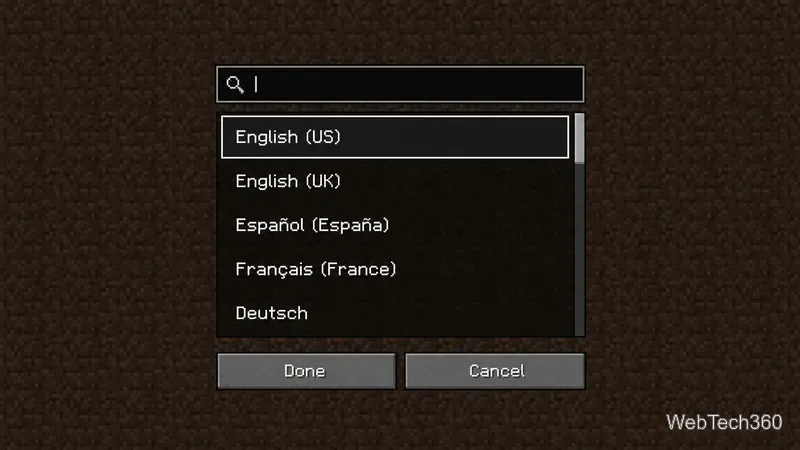
Minecraft language options differ between Java and Bedrock. See common languages, why old counts are unreliable, and where to check your edition.
Plan a practical Minecraft survival base with the essentials for safety, food, storage, and crafting, plus useful upgrades to add as your world grows.
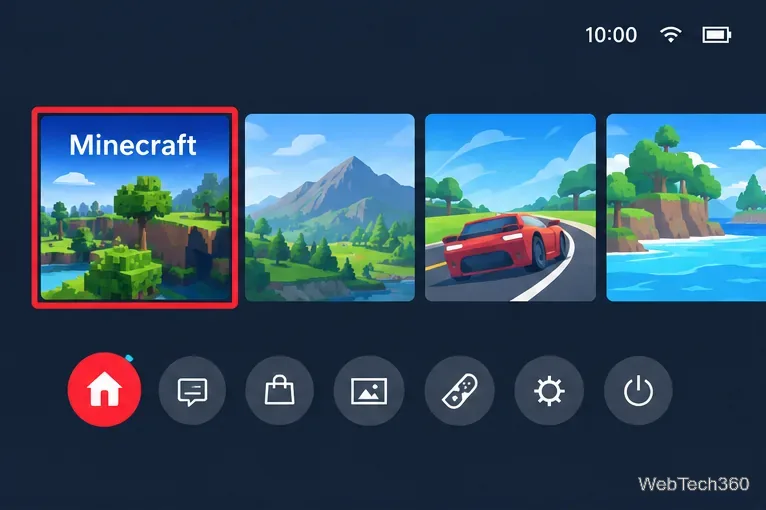
Update Minecraft on Nintendo Switch from the HOME Menu, enable automatic updates, and troubleshoot when the console cannot find or install one.
Learn the official ways to get Minecoins in Minecraft, redeem a prepaid code, spend coins on Marketplace content, and fix a missing balance.
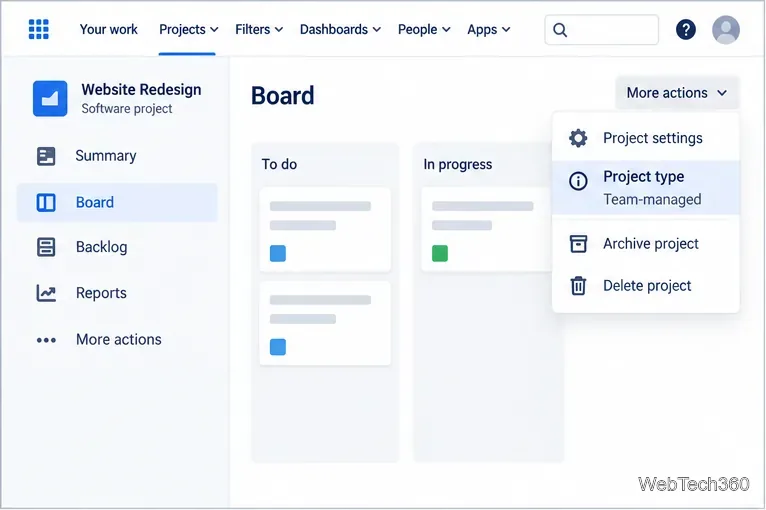
Learn how to add Jira users to team-managed and company-managed projects, assign the right role, and share a board’s saved filter safely.



Hà Nội Boy -
can it integrate with word or just notepad? need more deets for office use
Phúc IT -
Pro level stuff here. I've been dictating code snippets and it handles punctuation great
Hương Đà Nẵng -
Super helpful. Shared this with my team – they all need to dictate documents faster.
Somchai Thai -
Very good tips. Dictate documents in Thai works smoothly after tweaks. Thumbs up!
Alex Duy -
Fantastic breakdown. Been using it for a week, transcribed 50 pages flawlessly. Your step-by-step made all the difference in training the voice model accurately
Linh mèo -
Thanks a lot! Finally dictating docs like a pro without typing headaches. 😊
Kitty Meow -
meow yeah! voice typing saved my thesis deadline. purrfect guide 🐱
Minh Anh -
YES! found the solution to my slow typing. windows 11 voice typing ftw 🎉
Duy Sinh 6789 -
Awesome guide. I was struggling with accuracy but your tips fixed it perfectly
Tuan Anh 456 -
what about accents? does dictation support non-english well in windows 11
Sài Gòn Girl -
I'm blown away! Switched from mac dictation and windows 11 version is way faster. No lag, super accurate even in noisy cafe. Dictating shopping lists to work emails seamlessly. Best feature update ever
Huyền Lizzie -
love this! been using windows 11 voice typing for emails and it's spot on
Mèo con -
does it work offline? i travel a lot and need voice typing everywhere
John Nguyen -
This tutorial is gold. I dictate legal docs now effortlessly – no more RSI pain
Emma Linh -
Anyone else get better results with a good mic? Sharing my setup: Blue Yeti mic + Windows 11 voice typing = perfection. Highly recommend upgrading hardware too for pro dictation
Techie Vinh -
solid advice. added custom commands for tech jargon – dictation game strong now
ProTyper -
One issue: battery drain on laptops during long sessions. Any power-saving tips for voice typing marathons? Otherwise, flawless for dictating books chapter by chapter without fatigue.
Hương KT -
Question: any way to customize voice commands for accounting spreadsheets? Need more pro tips
Bảo Bối -
lol finally hands-free typing. my cat walks on keyboard no more issues 😹
WindowsFan 11 -
more like this pls! how to fix wake word glitches in dictation
DictateKing -
king of guides! my hands rest while brain works overtime. epic win.
Quang vn -
haha my lazy fingers thank you! dictation mode is a game changer 😂
Việt Hà Nội -
I've tried it on long essays – accuracy is 95% now after following your steps. Amazing!
Dragon Fire88 -
top notch. now i can multitask while dictating reports. boss impressed
Writer Lan -
As a novelist, this is revolutionary. Voice typing lets ideas flow without keyboard blocks. Trained it on my style and it predicts sentences! Been writing 2k words/hour. Thanks for the pro secrets – sharing with writer groups.
Thùy Linh -
great tutorial! voice typing in windows 11 has saved me so much time on reports
Sakura Tokyo -
Excellent! Adding voice typing shortcuts changed how I handle Japanese docs too.
VoiceMaster Pro -
tried all tips, results: 98% accuracy on medical notes. life saver doc here
Mai IT -
Spot on guide. Boosted my productivity by 3x. Everyone should master voice typing
Lan Rung -
thanks author! this made my workday easier. will dictate all my notes from now on.