How to Set Up an Email Signature in Outlook.com
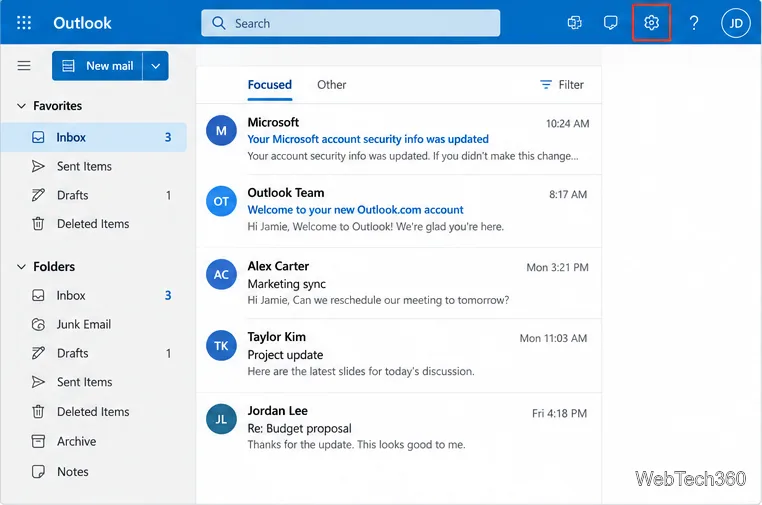
Create a reusable Outlook.com email signature, choose when it appears automatically, and insert it manually when you need a different sign-off.
Imagine streamlining your app management on Windows 11 without endless browser searches or risky downloads. That's the magic of Winget, the built-in Windows Package Manager. Whether you're a tech enthusiast or just tired of manual installations, this guide will empower you to handle apps efficiently. Let's dive into how to use Windows 11 Winget command for apps, step by step, so you can save time and stay organized. 🚀
Winget is Microsoft's official command-line tool for discovering, installing, upgrading, and removing applications on Windows 11. Introduced as part of the Windows Package Manager, it's pre-installed on modern Windows versions, making it a game-changer for power users. No more hunting for installers—Winget pulls from trusted sources like the Microsoft Store and official repositories.
Why embrace it? It saves hours, ensures security with verified packages, and integrates seamlessly with your workflow. Picture this: updating all your apps with a single command. Exciting, right? If you're new to command lines, don't worry—this Winget tutorial keeps things simple and rewarding.
Good news: Winget comes built-in on Windows 11 version 1809 and later. To confirm it's ready:
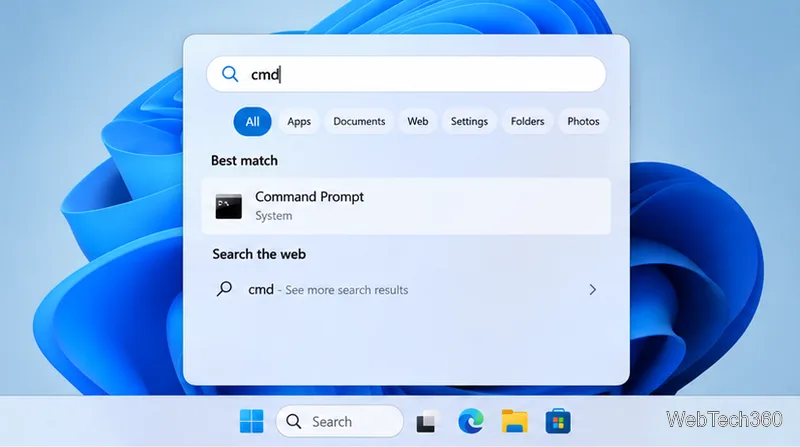
cmd, and hit Enter to open Command Prompt.winget --version and press Enter. You'll see output like "v1.x.x" if it's installed.If it's missing (rare on fresh installs), head to the Microsoft Winget GitHub releases page for the latest .msixbundle. Install it via the Microsoft Store or double-click the file. You're set! Now, let's explore core commands.
Installing apps with Winget is a breeze. The basic syntax is winget install [PackageID]. But first, search to find the right one.
Use winget search [keyword] to browse. For example:
winget search vscode lists Visual Studio Code options.Pro tip: Add --exact for precise matches, like winget search --exact 7zip. This avoids confusion with similar apps. 😊
Once you have the ID, install it:
winget install Microsoft.VisualStudioCode grabs VS Code silently.--interactive.--version [x.x.x].It handles dependencies automatically, so your install apps Winget experience is smooth. Try installing something fun like Spotify: winget search spotify then winget install Spotify.Spotify. Instant music access!
Customize with these:
| Flag | Description | Example |
|---|---|---|
--silent |
Install without prompts | winget install --silent Google.Chrome |
--source winget |
Specify source (default is winget) | winget install --source msstore PowerToys |
--scope machine |
Install for all users | winget install --scope machine VLC.VLC |
These options make Winget command versatile for personal or work setups.
Keeping apps current is crucial for security and features. Winget excels here—check for updates with winget upgrade.
Run winget upgrade to list outdated apps. It shows current vs. available versions, like:
Name                  Id                          Version  Available  Source
Google Chrome        Google.Chrome              120.0     121.0      winget
Excited to stay ahead? Upgrade all at once with winget upgrade --all. Or target one: winget upgrade Google.Chrome. This bulk operation feels like a productivity win! 👏
To remove: winget uninstall [PackageID]. List installed apps first with winget list for the exact ID.
winget uninstall Adobe.Acrobat.Reader.64-bit.--force for stubborn installs.This keeps your system clutter-free, enhancing performance on Windows 11.
Level up your game with these manage apps Windows 11 tricks:
winget export -o apps.json, then import on another machine: winget import -i apps.json. Perfect for backups or new installs! ⭐winget show [PackageID] reveals info like publisher and tags.winget hashfile [file] to check installers.winget source list or winget source add --name custom [URL]. Stick to official ones for safety.Integrate Winget into scripts for automation—think batch files for team deployments. It's not just a tool; it's your app command center.
Even pros hit snags. Here's how to fix them quickly:
winget search. Typos happen!winget upgrade winget or the GitHub page linked earlier.For deeper dives, consult the official Microsoft Winget documentation. These fixes keep your workflow uninterrupted.
By now, you're equipped to wield Windows 11 Winget like a pro. It transforms tedious tasks into efficient routines, giving you more time for what matters. Start small: install your next app via Winget command today. As you experiment, you'll wonder how you managed without it. Ready to optimize? Your streamlined Windows 11 setup awaits—happy commanding! 🎉
Share your favorite Winget tip in the comments below. What's the first app you'll install?
Create a reusable Outlook.com email signature, choose when it appears automatically, and insert it manually when you need a different sign-off.
Open Command Prompt with Start search, Run, File Explorer, or Windows Terminal. See how to launch it as an administrator and find it on older PCs.
Set up a Nextcloud sync server on Windows Server with the AIO virtual machine, VirtualBox, bridged networking, domain, HTTPS, and backup guidance.
Learn how to create, link, configure, and verify a Windows Server Group Policy Object with a pilot OU, a wallpaper example, and troubleshooting checks.
Learn how Windows 7 Disk Cleanup, Disk Defragmenter, System Restore, and built-in troubleshooters handle common maintenance tasks, with important safety limits.
Speed up a Windows 7 PC by finding bottlenecks, reducing startup load, clearing disk space, adjusting visual effects, and upgrading wisely.
Set up Configuration Manager as a standalone primary site with supported Windows Server, SQL Server, evaluation media, and current setup prerequisites.
Host GitLab Self-Managed on Windows Server by running Ubuntu Server in Hyper-V, then configure its network, HTTPS address, first login, and backups.
Install Abyss Web Server X1 on Windows Server, create the console login, publish a test page, and configure the service to start at boot.
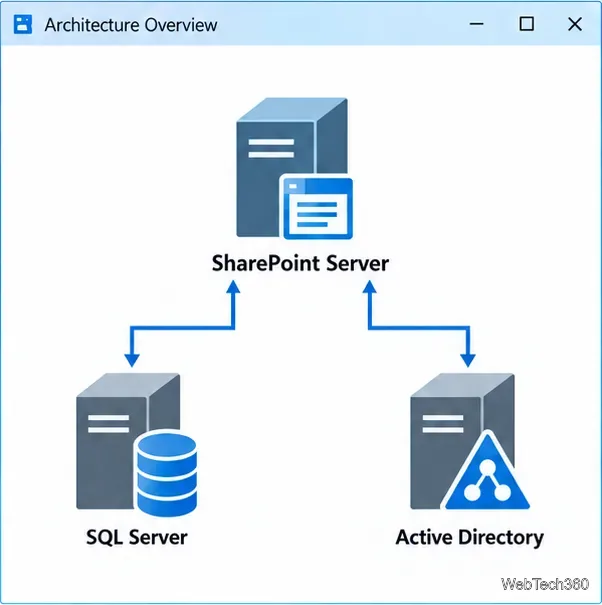
Install SharePoint Server Subscription Edition on Windows Server with current hardware, SQL, prerequisite, setup, and farm-configuration guidance.