
How to Make a Glass Bottle in Minecraft
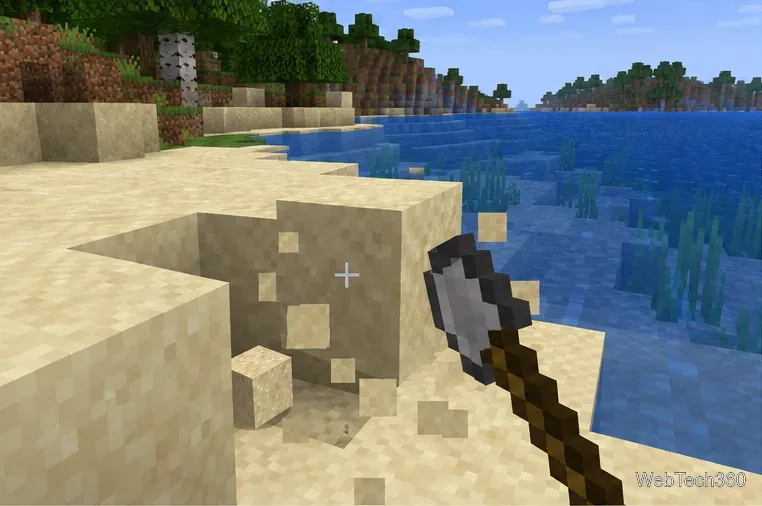
Learn the exact three-glass recipe, smelt sand into glass, and fill your Minecraft bottles with water for brewing.
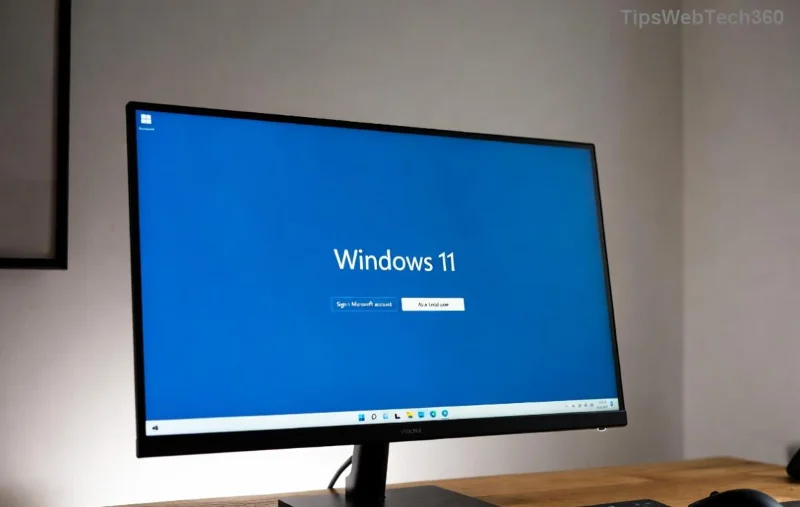
Imagine your Windows 11 PC humming efficiently, saving power when you need it most, and waking up instantly when you're ready to dive back in. That's the magic of tweaking your power sleep settings in Windows 11. Whether you're battling short battery life on a laptop or want to prevent your desktop from dozing off during long sessions, this guide will walk you through it all. We'll keep things straightforward, empowering you to take control and make your device work smarter for you. Let's unlock that potential! 🚀
Windows 11 is designed for modern life—seamless, responsive, and energy-efficient. But default power sleep settings might not fit your routine. For instance, if your laptop sleeps too quickly, you lose unsaved work; too slowly, and you're wasting battery. Adjusting these settings can extend battery life by up to 20-30% on mobile devices, according to Microsoft's efficiency guidelines. Plus, it's a quick win for eco-conscious users, reducing unnecessary power draw. Feeling ready to customize? Let's jump into the steps.
Getting started is easier than you think. We'll cover the primary method via Settings, then touch on advanced tweaks. Follow along, and you'll be done in under five minutes. No tech expertise required!
Start by opening the Settings app—press Windows key + I or click the Start menu and select the gear icon. Navigate to System > Power & battery. This hub is your command center for all things energy-related in Windows 11.

Here, you'll see options like Screen and sleep, tailored for both plugged-in and battery modes. It's intuitive, right? This setup ensures your changes apply smartly based on how you're using your device.
Under the Screen and sleep section, you'll find sliders or dropdowns for how long your device stays awake. For example:
Click the dropdowns to select times like "Never" for always-on setups or "1 minute" for quick naps. Pro tip: If you're on a laptop, enable Adaptive power settings here—it learns your habits and auto-adjusts for optimal balance. Feeling empowered yet? These tweaks alone can transform your daily workflow.
For more granular control, head to Power mode in the same menu. Choose from Balanced (default for most), Power saver (ideal for extending battery), or Best performance (for gaming or heavy tasks). But wait—want to fine-tune further?
Click Additional power settings at the bottom. This opens the classic Power Options window. Select a plan and hit Change plan settings. Now, adjust sleep timeouts specifically:
| Setting | Battery Mode Recommendation | Plugged-In Recommendation | Why It Matters |
|---|---|---|---|
| Turn off display | 2-5 minutes | 10-15 minutes | Saves screen power without interrupting work |
| Put computer to sleep | 10-15 minutes | 30 minutes or Never | Prevents data loss while conserving energy |
| Sleep after inactivity | 15 minutes | 1 hour | Balances responsiveness and efficiency |
This table gives you a quick reference—customize based on your needs. Hit Save changes, and voila! Your Windows 11 power sleep settings are updated.
If you're comfortable with a bit more tech, you can edit sleep settings via Registry Editor for ultra-precise control. Press Windows + R, type regedit, and navigate to HKEY_LOCAL_MACHINE\SYSTEM\CurrentControlSet\Control\Power\PowerSettings. Look for sleep-related keys like ACSettingIndex to modify timeouts in milliseconds.
Alternatively, use Command Prompt (run as admin) with commands like powercfg /change standby-timeout-ac 3600 to set plugged-in sleep to 1 hour. ⚠️ Warning: Back up your registry first to avoid hiccups. These methods are great for scripting or enterprise setups, but stick to Settings for everyday use.
Running into snags? If your PC won't sleep, check for background apps preventing it—use Task Manager (Ctrl + Shift + Esc) to end culprits. For wake-up problems, ensure your power button isn't set to "Do nothing" in advanced settings. If sleep mode feels sluggish, update your drivers via Device Manager. These fixes keep things smooth, so you stay frustration-free.
Another tip: Hybrid sleep combines sleep and hibernation for safer data protection. Enable it in power plan advanced settings if you're prone to power outages. It's like a safety net for your work—peace of mind included! 😊
Beyond sleep, optimize further:
For the latest on Windows 11 power management, check Microsoft's official documentation: Power Plans Guide. It's a goldmine for staying current.
Customizing power sleep settings in Windows 11 isn't just technical—it's about reclaiming control for a more efficient, tailored computing life. Whether you're extending battery on the go or keeping your setup alert at home, these changes make a real difference. Experiment with the settings we covered, and watch your device respond better than ever. Got questions or a unique setup? Drop a comment below—we're here to help you master it all. Your optimized Windows 11 awaits! 👏
Learn the exact three-glass recipe, smelt sand into glass, and fill your Minecraft bottles with water for brewing.
Control who can join, see channels, and find your Discord server with role permissions, invite links, and Discovery settings.
Create a Discord server in the desktop app or browser, organize channels, set permissions and safety tools, then share an invite that fits your group.
Build a renewable lava farm with pointed dripstone, one lava source, and a cauldron. Follow the setup, collection steps, and fixes for a cauldron that will not fill.
Fix a Minecraft skin that will not load by checking Bedrock Dressing Room, your Microsoft account, Marketplace downloads, updates, and Java skin settings.
Minecraft language options differ between Java and Bedrock. See common languages, why old counts are unreliable, and where to check your edition.
Plan a practical Minecraft survival base with the essentials for safety, food, storage, and crafting, plus useful upgrades to add as your world grows.
Update Minecraft on Nintendo Switch from the HOME Menu, enable automatic updates, and troubleshoot when the console cannot find or install one.
Learn the official ways to get Minecoins in Minecraft, redeem a prepaid code, spend coins on Marketplace content, and fix a missing balance.
Learn how to add Jira users to team-managed and company-managed projects, assign the right role, and share a board’s saved filter safely.