How to Fix Snipping Tool Issues on Windows 11
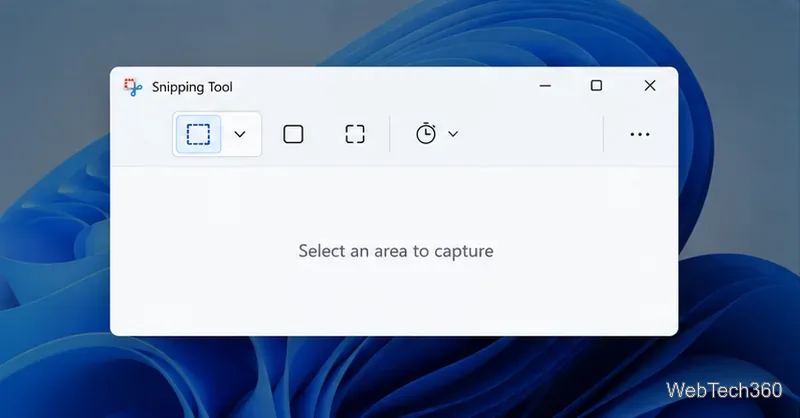
Fix common Snipping Tool problems in Windows 11 with steps to test the shortcut, update or repair the app, reinstall it, and restore missing capture notifications.
Are you tired of handing over your Windows 11 PC to friends or family, only to worry about what they might access or change? 😊 Setting up a Windows 11 guest account is the perfect solution for safe, limited sharing. It lets others use your computer without touching your personal files, apps, or settings. In this guide, we'll walk you through how to setup Windows 11 guest account correctly, ensuring everything is secure and hassle-free. By the end, you'll feel confident enabling guest access like a pro.
Before diving in, let's quickly highlight the perks. A guest account in Windows 11 acts as a temporary user profile with restricted permissions. This means:
Microsoft designed this feature for households, offices, or public setups, and with the latest Windows 11 updates, it's more reliable than ever. Ready to get started? Let's jump into the steps.
To setup Windows 11 guest account smoothly, ensure you're running the most recent Windows 11 version. Head to Settings > Windows Update and check for updates. You'll also need admin privileges on your PC—simple if you're the primary user.
Pro tip: Back up important data just in case. While guest accounts are safe, it's always smart to be prepared. Now, onto the main event!
Windows 11 makes creating a guest account straightforward, but note that the classic "Guest" account is disabled by default for security. We'll enable it properly. Follow these steps carefully for a correct setup.
net user guest /active:yes and press Enter. This activates the built-in Guest account. To disable later, use net user guest /active:no.That's it! Log out and test the Windows 11 guest account by signing in as the guest. You'll notice limited desktop icons and no access to your documents—exactly as intended. 👏
Setting up a guest account Windows 11 isn't rocket science, but mistakes happen. Here's a quick table of pitfalls and fixes to keep things smooth:
| Issue | Solution |
|---|---|
| Guest account not appearing at login | Ensure it's enabled via Command Prompt. Restart your PC if needed. |
| Guest can access admin features | Double-check account type in Settings—set to Standard User only. |
| Slow performance in guest mode | Limit background apps in Task Manager before logging in as guest. |
| Can't disable after use | Use net user guest /active:no in admin Command Prompt. |
Avoid these, and your setup Windows 11 guest will be flawless. If you're dealing with multiple users, consider Family Safety features for added parental controls.
Security is key when enabling create guest account Windows 11. Beyond basic setup:
For more on Windows 11 security best practices, check Microsoft's official guide: Manage User Accounts in Windows.
Once set up, test thoroughly. Log in as guest and try browsing, opening apps, and saving files (they should be temporary). If issues arise, like login failures, run the System File Checker: Open Command Prompt as admin and type sfc /scannow.
Remember, the Windows 11 guest account is temporary by design—changes don't persist, so your main profile stays untouched. Feeling empowered? Great! This setup not only secures your PC but also makes sharing a breeze.
Setting up a guest account in Windows 11 correctly transforms how you share your device, blending convenience with ironclad security. Whether for a quick demo or family use, these steps ensure peace of mind. If you run into unique scenarios, like enterprise environments, explore Group Policy Editor for advanced tweaks.
Stick around our site for more Windows 11 tips—next up, optimizing performance for multi-user setups. You've got this! 🚀
Fix common Snipping Tool problems in Windows 11 with steps to test the shortcut, update or repair the app, reinstall it, and restore missing capture notifications.
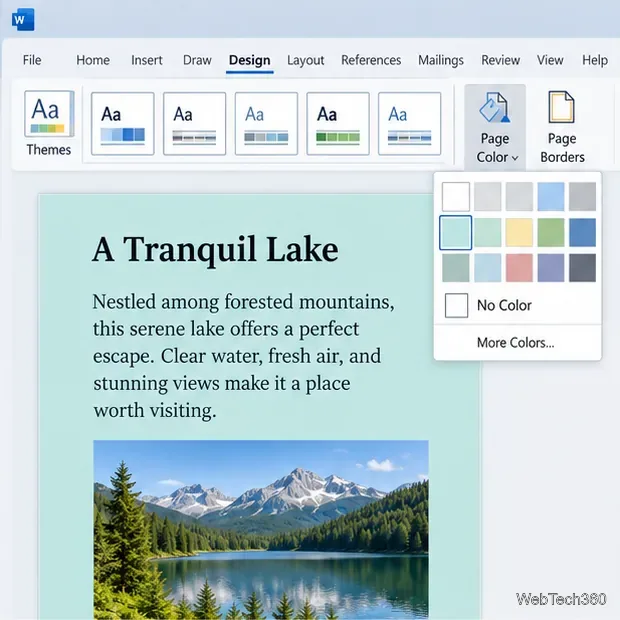
Choose a color-capable printer, enable Word’s background-print setting, and check the preview so page colors, images, and graphics print as expected.
Learn how to use WinX DVD Ripper to convert a DVD you’re entitled to copy into an MP4 file, choose the right title and destination, and troubleshoot playback problems on Windows 10 or 11.
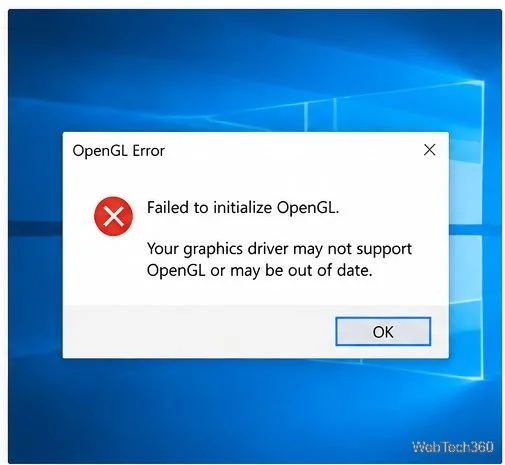
Troubleshoot OpenGL errors in Windows 10 by checking graphics drivers, repairing system files, reinstalling the affected app, and reviewing graphics settings.
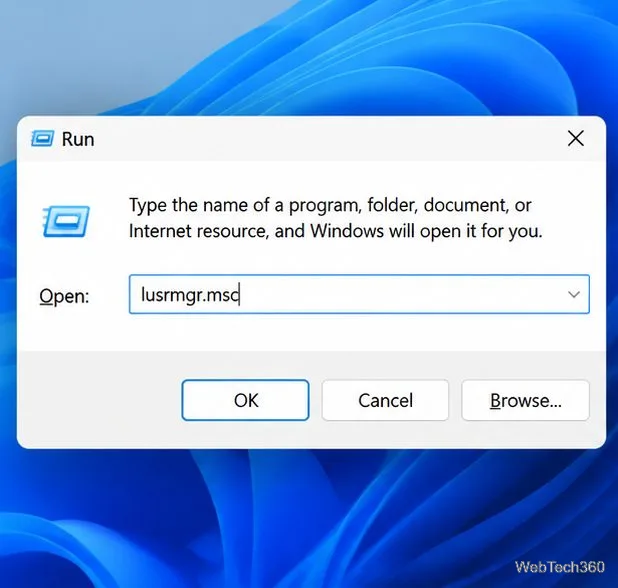
Learn when to use net user, lusrmgr.msc, and net localgroup to view, create, disable, and manage local Windows accounts safely.
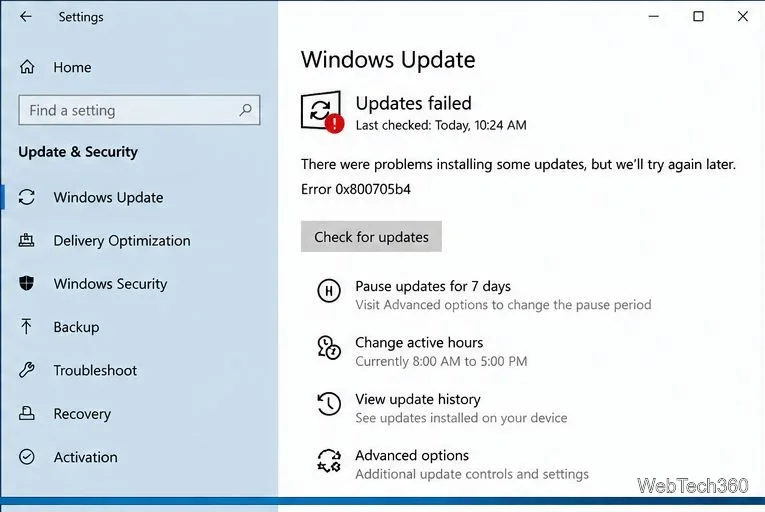
Resolve Windows Update error 0x800705b4 with practical checks for connectivity, update services, cached files, and damaged Windows system components.
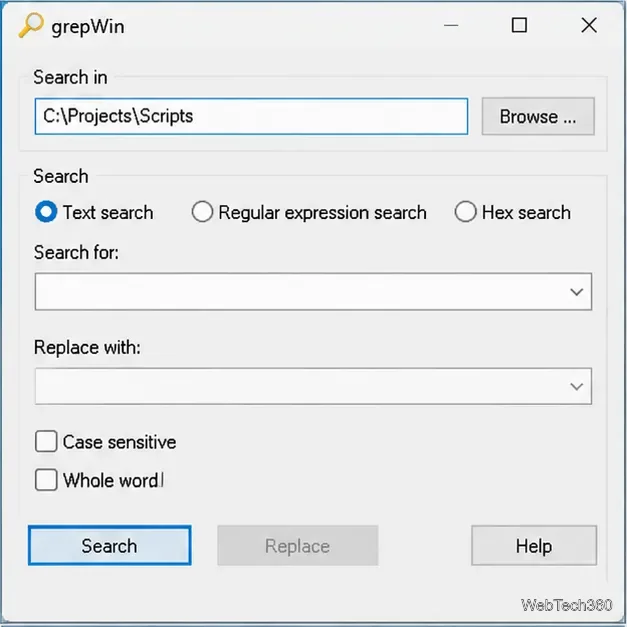
Find words or phrases across multiple text files on Windows 10 with grepWin. Learn how to choose folders, filter file types, include subfolders, and read matches safely.
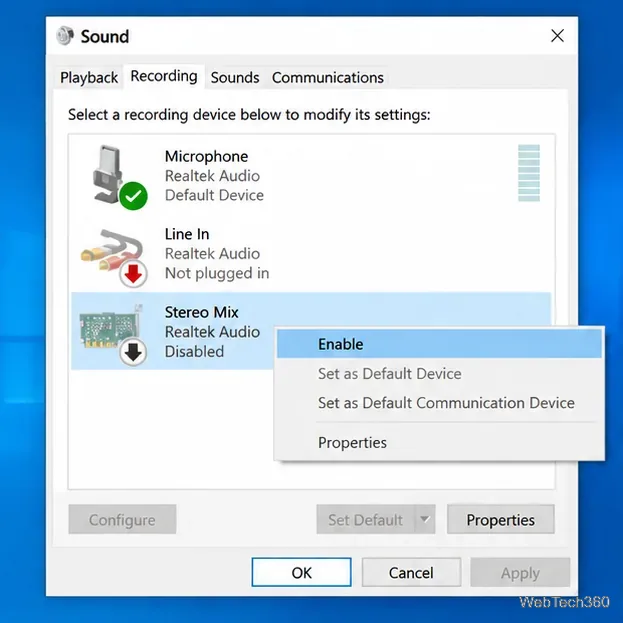
Capture your PC’s playback with FFmpeg on Windows 10. Enable Stereo Mix or use a loopback device, find its DirectShow name, and save clean audio.
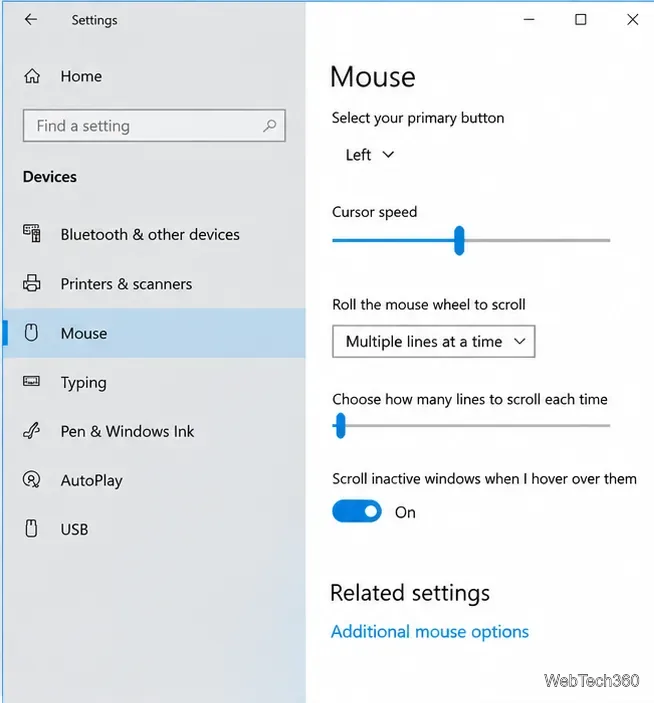
Learn how to adjust Windows 10 mouse pointer speed, change pointer precision, and set hardware DPI with a supported gaming mouse or manufacturer app.
Learn what the legacy Edge blocker registry setting does, how to set it safely, and why it will not stop updates for Microsoft Edge already installed.