How to Check for Open Ports on Windows Server
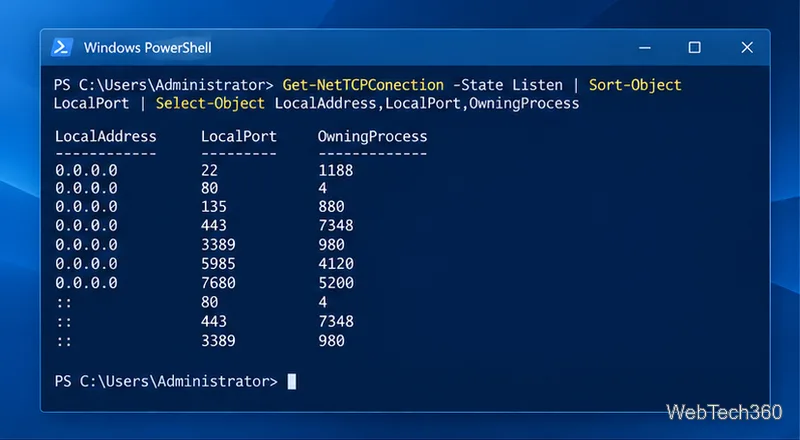
Find local TCP listeners, identify the process using a port, and test whether a Windows Server port is reachable with PowerShell, PortQry, or Nmap.
Imagine powering up your Windows 11 PC, only to be greeted by an incessant, cryptic beeping from the internal speaker. It's frustrating, right? 😩 These Windows 11 internal speaker beeping codes often signal hardware issues, system errors, or simple misconfigurations. But don't worry—fixing them is straightforward with the right approach. In this guide, we'll walk you through practical, up-to-date solutions to eliminate those annoying beeps and get your system running smoothly again. Stick around, as each step builds on the last, empowering you to diagnose and resolve the problem like a pro.
The internal speaker in your PC (also known as the motherboard speaker or PC speaker) is a basic hardware component that emits beeps to communicate error codes during boot-up or system events. Unlike modern audio output, these beeps are raw and unfiltered—think of them as your computer's Morse code for distress.
In Windows 11, these beeps can occur due to:
Common beep patterns include short beeps (often 1-3), long beeps, or continuous tones. For instance, a single short beep usually means everything's fine, but three short beeps might indicate a graphics card problem. Identifying the pattern is your first step—count the beeps and note their length to pinpoint the cause.
By the end of this article, you'll not only silence these beeps but also prevent future ones, saving you time and headaches. Let's dive into the fixes!
We'll start with the easiest solutions and progress to more advanced ones. No need for fancy tools—just your keyboard, mouse, and a bit of patience. Follow along sequentially for the best results.
Sometimes, a simple reboot clears temporary glitches causing internal speaker beeping codes. Here's how:
If beeps continue, it might be a deeper issue. Pro tip: Ensure your PC is on a stable surface to avoid overheating, a common beep trigger.
Windows 11 sometimes enables beep notifications for errors or events. Turning this off can stop unnecessary internal speaker noise:
This tweak often resolves software-induced beeps. Test by triggering a system event (like an error dialog) to confirm silence. Feeling relieved already? Keep going for hardware-focused fixes.
Outdated drivers are a prime culprit for erratic Windows 11 beeping codes. Windows 11's latest updates include patches for audio and hardware compatibility:
Restart after updates. This step has helped countless users eliminate beeps tied to driver mismatches in recent Windows 11 builds.
Windows 11's tools can automatically detect and fix internal speaker beep errors. Let's leverage them:
| Troubleshooter | How to Run | What It Fixes |
|---|---|---|
| Playing Audio | Settings > System > Troubleshoot > Other troubleshooters > Run next to Playing Audio | Audio configuration issues causing beeps |
| Hardware and Devices | Search for "cmd" > Run as admin > Type: msdt.exe -id DeviceDiagnostic | Hardware conflicts triggering speaker beeps |
| System File Checker | Cmd as admin > sfc /scannow | Corrupted files leading to error beeps |
| Dism Restore | Cmd as admin > DISM /Online /Cleanup-Image /RestoreHealth | Deeper system image repairs |
Run these in order. The SFC and DISM commands are especially powerful for resolving boot-time beeping codes from corrupted files. If issues persist, proceed to hardware diagnostics.
For persistent beeps during startup, enter your BIOS to check for errors. Most modern motherboards support beep code references:
Common fixes here include reseating RAM sticks (remove, clean contacts, reinsert) or testing with one stick at a time. This often silences hardware-related Windows 11 internal speaker beeping.
If basic steps fail, it could be a failing component. Test methodically:
For reference, consult official resources like Microsoft's support forums for the latest on beeping code interpretations in current Windows 11 versions.
Once fixed, keep the beeps at bay:
These habits ensure your PC stays beep-free, giving you that smooth, silent experience you deserve. You've made it to the end—great job! If these steps resolved your issue, share your success in the comments below. For more Windows 11 tips, explore our related guides on audio optimization and hardware maintenance. Your feedback helps us improve! 👏
Find local TCP listeners, identify the process using a port, and test whether a Windows Server port is reachable with PowerShell, PortQry, or Nmap.
Map a shared folder as a drive letter in Windows 10, reconnect it at sign-in, confirm access, and fix common path, credential, and network discovery issues.
Hear your microphone through Windows 10 speakers with the Listen to this device setting. Choose the right input and output, test the route, and prevent feedback.
Change icon size on Windows 10 with desktop, taskbar, and File Explorer controls. Learn when display scaling helps and how to fix unexpected size changes.
Map an NFS share to a Windows 11 drive letter with the built-in Client for NFS. Check protocol compatibility, mount the export, and troubleshoot access issues.
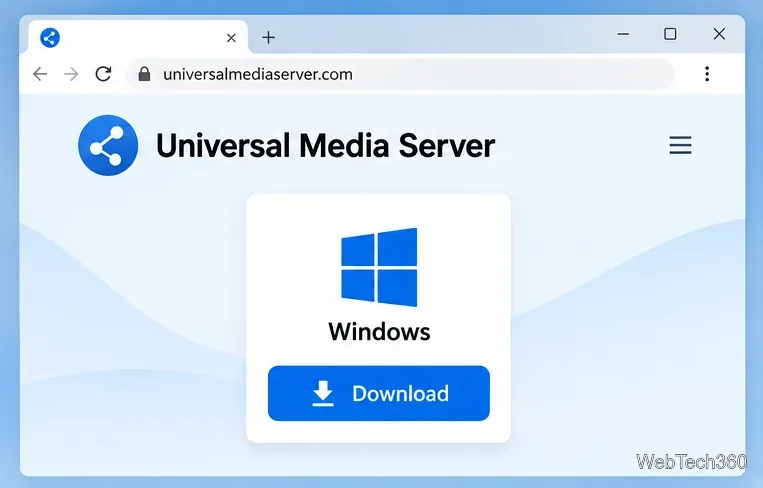
Install Universal Media Server on Windows Server, share selected folders, set LAN-only firewall access, and test DLNA playback from a TV or browser.
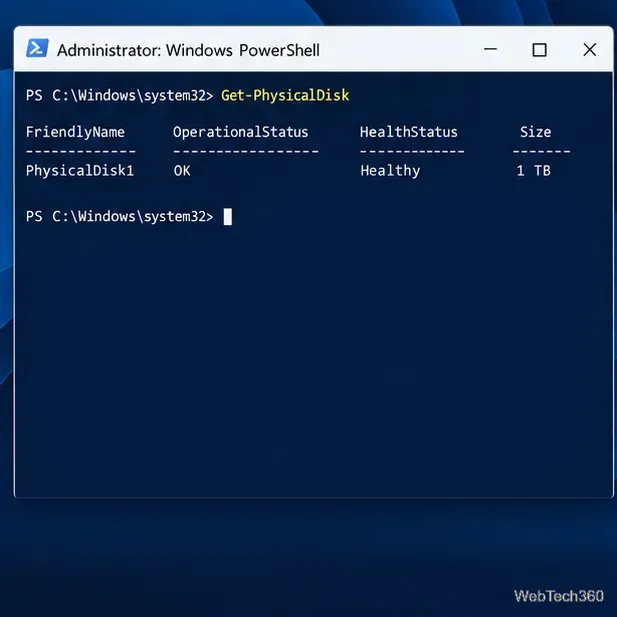
Check Windows Server disk status and reliability counters, verify SMART data when available, and separate hardware warnings from NTFS errors.
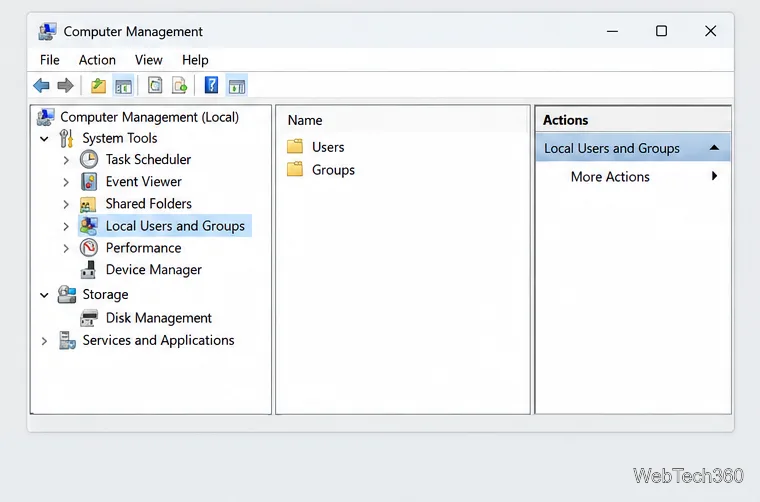
Create, grant admin rights to, disable, or remove local Windows Server users with Computer Management or PowerShell. Learn when to use Active Directory instead.
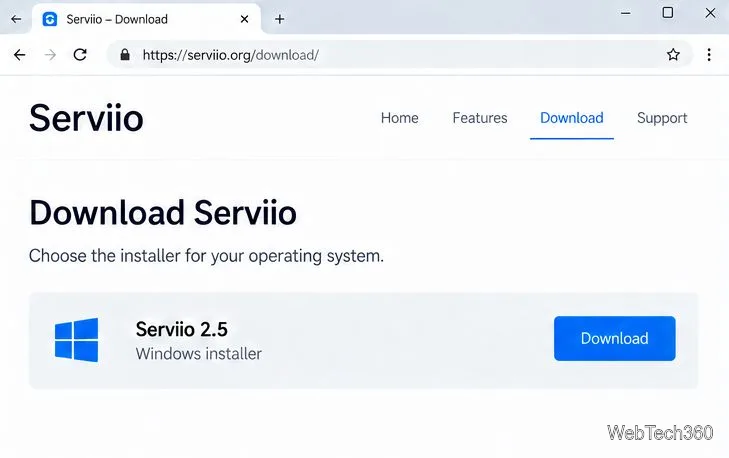
Install Serviio on Windows Server, share local or NAS media folders, and test DLNA playback. Learn how to check the Windows service, firewall, and Pro-only browser features.
Convert PNG, JPG, or BMP files to Windows ICO with GIMP. Prepare a square image, keep transparency when needed, add standard sizes, and check the export.