How to Fix Snipping Tool Issues on Windows 11
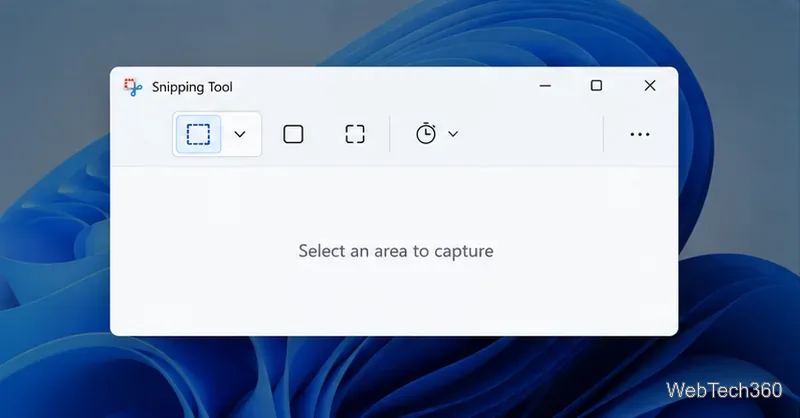
Fix common Snipping Tool problems in Windows 11 with steps to test the shortcut, update or repair the app, reinstall it, and restore missing capture notifications.
Nothing ruins your immersive gaming session or favorite playlist like sudden audio crackling in Windows 11. If you're hearing pops, hisses, or distorted sounds, you're not alone. This common issue often stems from mismatched sample rates like 48kHz vs 44kHz, where your audio hardware and software aren't syncing perfectly. The good news? With a few targeted tweaks, you can banish the noise and enjoy smooth, high-quality audio again. In this guide, we'll dive straight into the causes and practical fixes, helping you reclaim your sound experience without the frustration.
Audio crackling happens when digital audio signals glitch during playback or recording. In Windows 11, this is frequently tied to the sample rate—the frequency at which audio is sampled per second, measured in kHz (kilohertz). The two most common rates are 44.1kHz (standard for music CDs and many streaming services) and 48kHz (preferred for video, professional audio, and gaming).
Why does this matter? Windows 11 defaults to 48kHz for most devices, but if your content or hardware expects 44.1kHz, it forces real-time conversion. This process can overload your CPU, leading to crackling, stuttering, or dropouts. Recent updates to Windows 11 have improved audio handling, but mismatches still occur, especially with external devices like headphones or sound cards.
🖐️ Quick tip: Think of sample rates like film speeds—if they're mismatched, the playback stutters. Aligning them smooths everything out.
Before jumping into fixes, let's pinpoint the culprits. Identifying the root cause saves time and prevents trial-and-error headaches.
These issues are more prevalent in Windows 11 due to its enhanced spatial audio features and power management, but they're fixable with the right steps.
Let's get hands-on. Follow these steps in order for the best results. We'll focus on safe, reversible changes to keep your system stable.
The simplest fix starts here. Windows 11 lets you tweak the default sample rate to match your content.
Pro move: For mixed use, set it to 48kHz as it's more versatile in modern setups. This often resolves 80% of audio crackling issues without extra tools.
Outdated drivers are a silent killer for audio quality. Windows 11's latest builds emphasize better driver compatibility, so updating is key.
✨ Fun fact: Fresh drivers can unlock higher sample rates, reducing the need for conversions and eliminating crackling entirely.
Windows 11's built-in enhancements can interfere with sample rates, causing distortion. Turning them off often clears up audio crackling.
This tweak is a game-changer for gamers, as it prevents apps from locking 48kHz exclusively.
Not all audio is created equal. Here's a quick comparison to guide your choice:
| Sample Rate | Best For | Pros | Cons | Fix for Crackling |
|---|---|---|---|---|
| 44.1kHz | Music streaming (Spotify, Apple Music) | CD-quality fidelity; lower CPU use for audio-only | May cause conversion lag in video apps | Set as default if crackling occurs during music playback |
| 48kHz | Video (YouTube, Netflix), gaming, recording | Smoother sync with visuals; Windows 11 default | Higher resource demand; potential hiss in pure audio | Switch here for multimedia; reduces overall crackling |
Match your setting to your primary use. For hybrid setups, use apps like Foobar2000 to handle conversions on-the-fly without system strain.
If crackling lingers, dig deeper.
Still stuck? Hardware might be the issue. Test with different headphones or a USB DAC to isolate it.
Once fixed, keep the static at bay with these habits:
😊 Imagine blasting your tunes or diving into a movie without a single pop— that's the peace of mind these tweaks bring. If you're dealing with spatial audio in Windows 11, enabling Dolby Atmos after fixing the basics can elevate your setup even further.
Fixing Windows 11 audio crackling boils down to aligning those 48kHz vs 44kHz settings and keeping drivers fresh. Start with the sample rate adjustment—it's quick and effective. You've got this! If one fix doesn't click, the next one will. Drop a comment below if you try these and share your results; your story might help someone else silence their static.
For official guidance, check Microsoft's support on audio troubleshooting.
Fix common Snipping Tool problems in Windows 11 with steps to test the shortcut, update or repair the app, reinstall it, and restore missing capture notifications.
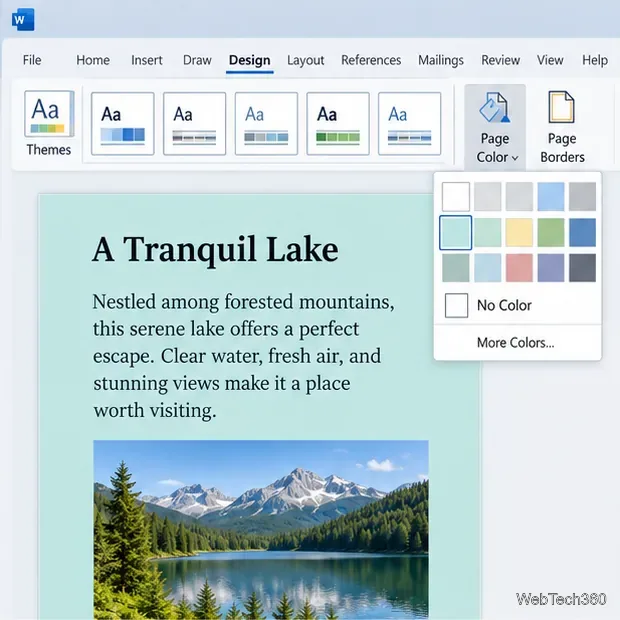
Choose a color-capable printer, enable Word’s background-print setting, and check the preview so page colors, images, and graphics print as expected.
Learn how to use WinX DVD Ripper to convert a DVD you’re entitled to copy into an MP4 file, choose the right title and destination, and troubleshoot playback problems on Windows 10 or 11.
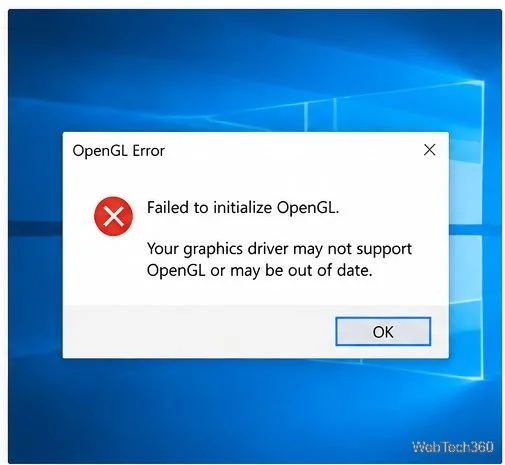
Troubleshoot OpenGL errors in Windows 10 by checking graphics drivers, repairing system files, reinstalling the affected app, and reviewing graphics settings.
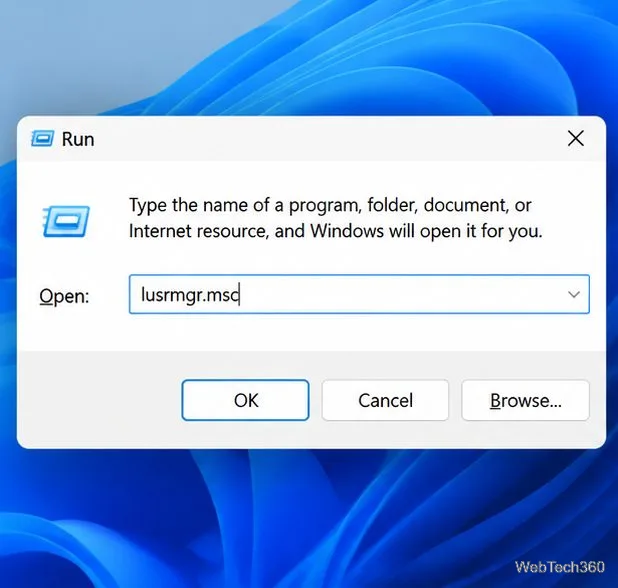
Learn when to use net user, lusrmgr.msc, and net localgroup to view, create, disable, and manage local Windows accounts safely.
Resolve Windows Update error 0x800705b4 with practical checks for connectivity, update services, cached files, and damaged Windows system components.
Find words or phrases across multiple text files on Windows 10 with grepWin. Learn how to choose folders, filter file types, include subfolders, and read matches safely.
Capture your PC’s playback with FFmpeg on Windows 10. Enable Stereo Mix or use a loopback device, find its DirectShow name, and save clean audio.
Learn how to adjust Windows 10 mouse pointer speed, change pointer precision, and set hardware DPI with a supported gaming mouse or manufacturer app.
Learn what the legacy Edge blocker registry setting does, how to set it safely, and why it will not stop updates for Microsoft Edge already installed.