How to Check Hard Drive Health in Windows Server
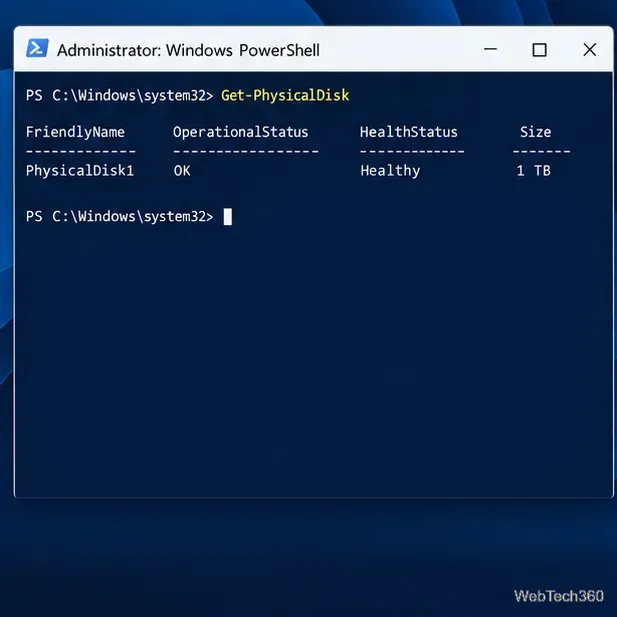
Check Windows Server disk status and reliability counters, verify SMART data when available, and separate hardware warnings from NTFS errors.
Imagine firing up your favorite playlist or jumping into a video call, only to be met with eerie silence. The Windows 11 "No Audio Output" error can turn your day upside down, but don't worry—it's a common hiccup that's totally fixable. Whether it's a driver glitch, a sneaky setting, or hardware playing tricks, we've got your back with straightforward, effective solutions. Let's dive in and get your audio humming again in no time. You'll feel that sweet relief once sound returns!
The Windows 11 no audio output issue often stems from outdated drivers, misconfigured settings, or conflicts after updates. In the latest Windows builds, audio woes can arise from Realtek driver mismatches or system optimizations gone awry. But here's the good news: most fixes are simple DIY steps that don't require calling in a pro. By the end of this guide, you'll not only resolve the problem but also gain tips to prevent it from sneaking back.
🔧 Ready to troubleshoot? We'll start with the quickest wins and escalate to deeper fixes. Stick around—each step builds on the last for maximum success.
Before diving deep, let's knock out the easy stuff. These initial steps resolve the fix Windows 11 no audio output problem for many users right away.
services.msc, and hit Enter. Find Windows Audio and Windows Audio Endpoint Builder, right-click each, and select Restart. This refreshes audio processes without a full reboot.If these don't do the trick, don't sweat it—let's level up to driver territory, where many Windows 11 audio errors hide.

Outdated or corrupted drivers are the culprits behind most troubleshoot audio error Windows 11 cases. Windows 11's recent updates emphasize Realtek and generic audio drivers, so keeping them fresh is key.
Step-by-Step Driver Update:
For a clean slate, uninstall the driver: Right-click > Uninstall device, then restart your PC. Windows will reinstall it automatically. Pro tip: If you're on a laptop, check for BIOS updates too, as they often bundle audio fixes.
Still no sound? Time to explore system settings that could be silencing your setup.
Sometimes, the Windows 11 sound not working issue is just a settings slip-up. Let's fine-tune for crystal-clear audio.
Feeling empowered? These tweaks often revive sound instantly. But if hardware is suspect, read on for checks that could save you a headache.
Not every restore sound Windows 11 fix is software-based. Test your hardware:
If nothing sticks, run sfc /scannow in Command Prompt (admin mode) to repair system files. Or, consider a system restore to a point before the error started via Settings > System > Recovery.
For stubborn cases, let's go deeper. These steps target core system elements in the latest Windows 11 iterations.
| Issue | Solution | Why It Works |
|---|---|---|
| Driver Conflicts | Use DDU (Display Driver Uninstaller) for a clean audio driver wipe, then reinstall from Realtek's official site. | Removes remnants that cause output failures. |
| Registry Glitches | Backup registry, then edit via regedit: Navigate to HKEY_LOCAL_MACHINE\SOFTWARE\Microsoft\Windows\CurrentVersion\MMDevices and delete audio subkeys (advanced users only). | Resets corrupted audio mappings. |
| Update Conflicts | Pause updates temporarily in Settings > Windows Update, or roll back recent ones. | Isolates if a patch broke audio. |
⚠️ Caution: Advanced tweaks like registry edits require caution—back up first! If you're uncomfortable, Microsoft Support is a click away.
Now that your sound is back, let's keep it that way. Enable automatic driver updates in Device Manager, run monthly troubleshooters, and avoid third-party audio apps that might interfere. For the smoothest experience, keep Windows 11 updated—its evolving audio stack gets better with each release.
Congratulations! You've conquered the Windows 11 no audio output beast. If this guide helped, share your success story in the comments below. Got a unique fix? Drop it—we're all in this together. Your audio adventures await—turn it up! 🎵
Check Windows Server disk status and reliability counters, verify SMART data when available, and separate hardware warnings from NTFS errors.
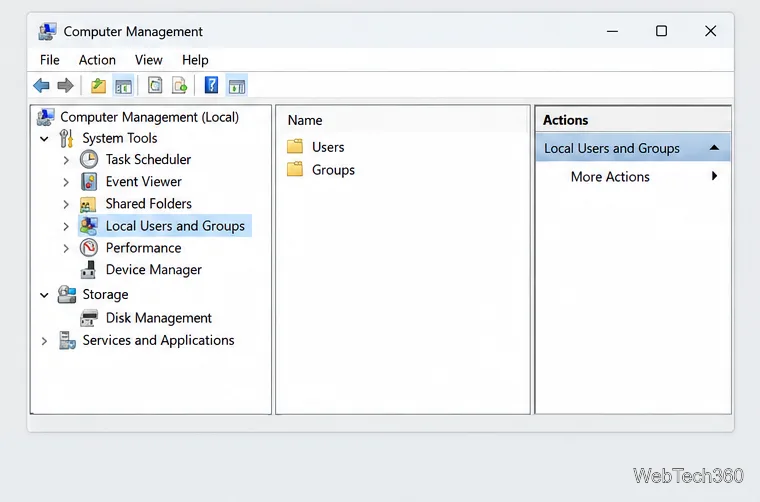
Create, grant admin rights to, disable, or remove local Windows Server users with Computer Management or PowerShell. Learn when to use Active Directory instead.
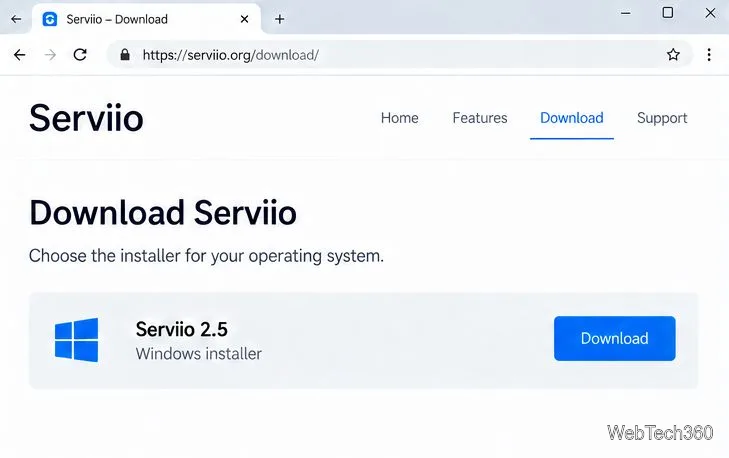
Install Serviio on Windows Server, share local or NAS media folders, and test DLNA playback. Learn how to check the Windows service, firewall, and Pro-only browser features.
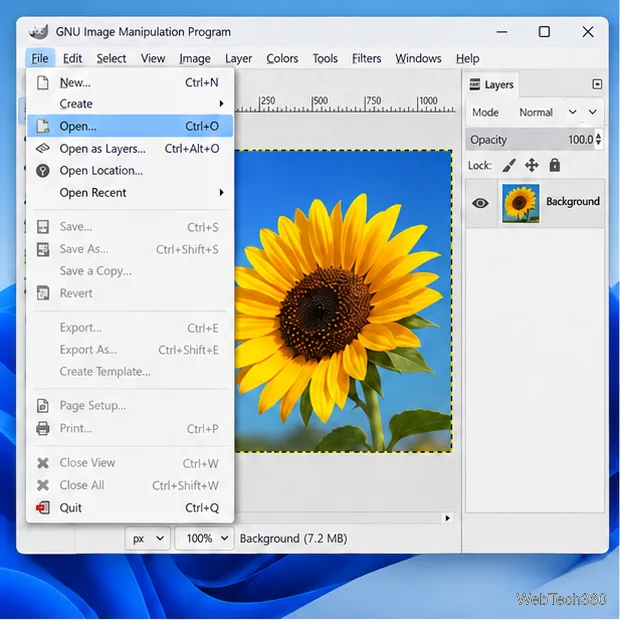
Convert PNG, JPG, or BMP files to Windows ICO with GIMP. Prepare a square image, keep transparency when needed, add standard sizes, and check the export.
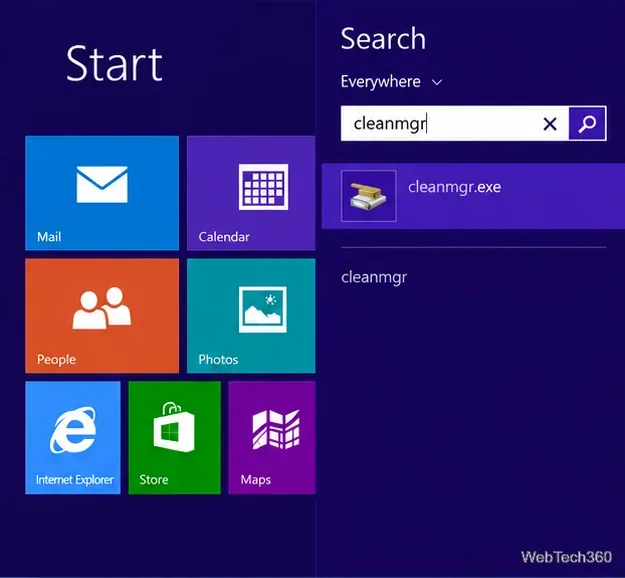
Clear thumbnail, DNS, Internet Explorer, Microsoft Store, Search, and Live Tile data with Windows 8’s built-in tools, and learn what each cleanup removes.
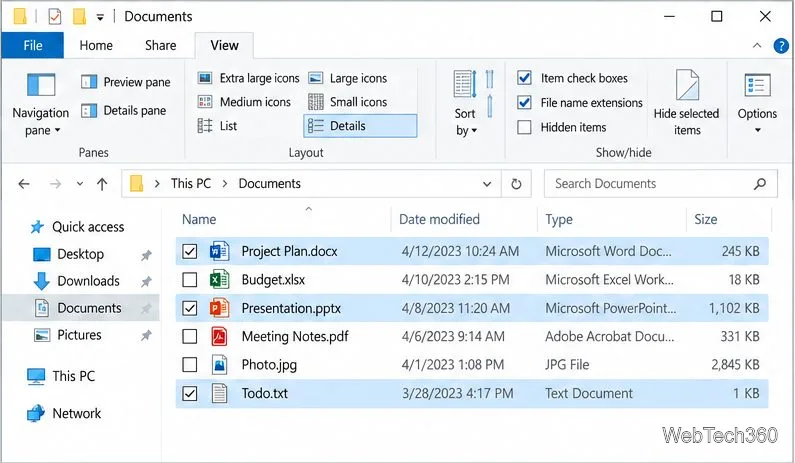
Turn off Windows 10 item check boxes in File Explorer with the View ribbon, or use Folder Options if the toggle is missing. See what changes and how to select multiple files without boxes.
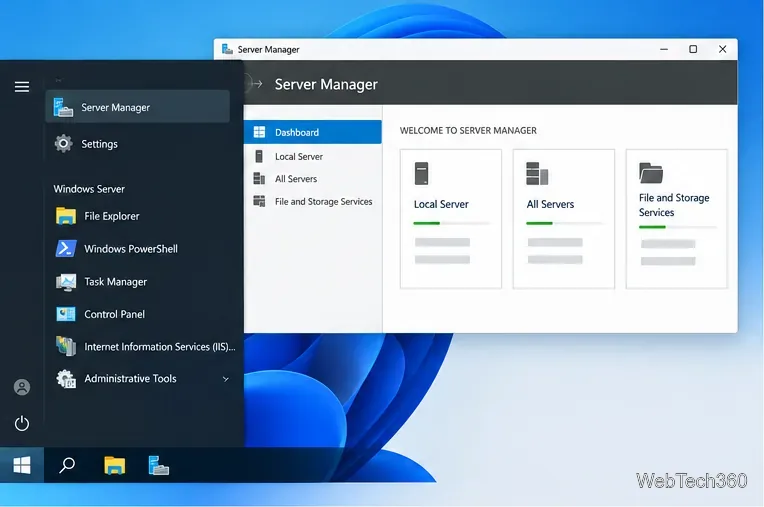
Install VMware Workstation Pro on a compatible Windows Server host, from checking support and downloading the right build to creating your first VM.
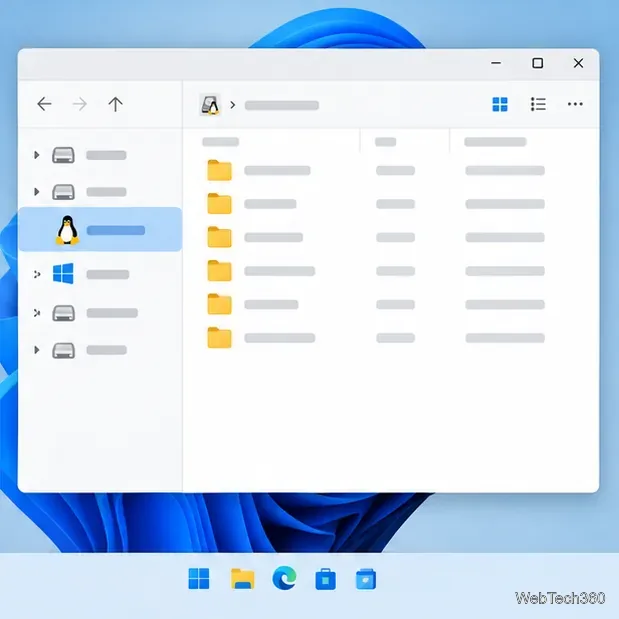
Browse and copy Ext2, Ext3, or Ext4 files on Windows with a read-only workflow. See what Linux Reader’s free edition supports and when WSL fits.
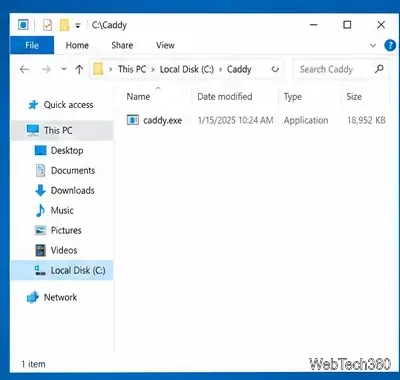
Install Caddy’s native Windows binary, serve a test site, enable automatic HTTPS for a domain, and run Caddy as a Windows Server service.
Run Linux Docker containers alongside Windows Server by creating an Ubuntu Hyper-V VM, installing Docker Engine, and publishing a test service safely.