How to Check for Open Ports on Windows Server
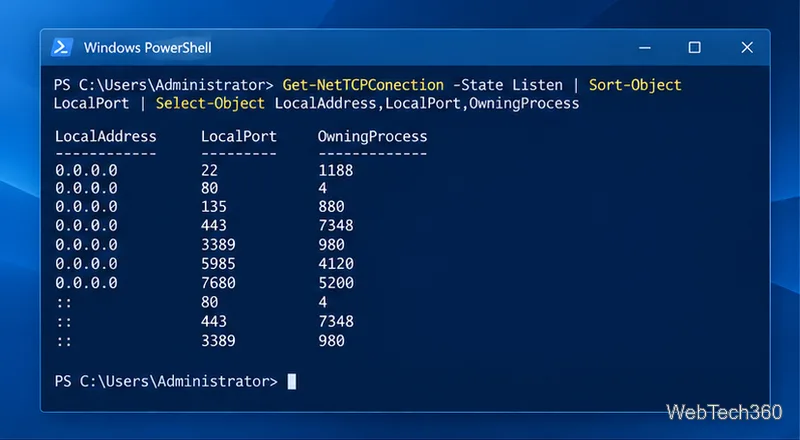
Find local TCP listeners, identify the process using a port, and test whether a Windows Server port is reachable with PowerShell, PortQry, or Nmap.
Are you frustrated with Windows 11 HDMI 2.1 4K 120Hz errors that turn your high-end setup into a slideshow? 😩 You're not alone. Many gamers and creators face black screens, flickering, or capped refresh rates when trying to push their monitors to 4K at 120Hz via HDMI 2.1. The good news? These issues are fixable with the right steps. In this guide, we'll dive straight into practical, up-to-date solutions to get your HDMI 2.1 connection humming at full speed. Let's reclaim that buttery-smooth experience you deserve! 🚀
Windows 11 HDMI 2.1 support is powerful, but glitches like unsupported resolutions or signal drops can ruin your setup. This often stems from driver conflicts, cable quality, or outdated firmware—especially on NVIDIA or AMD GPUs. Recent updates in Windows 11 have improved compatibility, but edge cases persist. Don't worry; we'll target the root causes without overwhelming you with tech jargon.
Before troubleshooting, verify these basics to save time:
If these are sorted and you're still stuck, let's fix the 4K 120Hz error step by step.
Outdated drivers are the #1 culprit for Windows 11 HDMI 2.1 woes. NVIDIA and AMD have rolled out fixes in their latest releases to stabilize 4K 120Hz output.
Pro Tip: Clean install drivers using Display Driver Uninstaller (DDU) in Safe Mode for a fresh start. This often resolves stubborn HDMI 2.1 4K 120Hz glitches. Feeling empowered yet? Keep going! ⭐
Windows 11 sometimes defaults to conservative settings that block full 4K 120Hz potential. Let's unlock it.
If 120Hz isn't listed, your cable or port might be the issue—HDMI 2.1 requires specific hardware to hit that bandwidth without compression.
For deeper Windows 11 HDMI 2.1 fix needs, use built-in tools. These are safe and effective for persistent errors like "out of range" signals.
| Issue | Solution | Steps |
|---|---|---|
| Black screen on 4K 120Hz | Reset display cache | 1. Press Win + X > Windows PowerShell (Admin). 2. Run: dism /online /cleanup-image /restorehealth3. Restart and reconnect HDMI. |
| Flickering or instability | Disable HDR temporarily | Settings > System > Display > HDR > Turn off. Test 120Hz; re-enable if stable. |
| Refresh rate capped at 60Hz | Registry edit for HDMI EDID | 1. Open Regedit (Win + R > regedit). 2. Navigate to HKEY_LOCAL_MACHINE\SYSTEM\CurrentControlSet\Control\Class\{4d36e968-e325-11ce-bfc1-08002be10318}\0000. 3. Add DWORD: OverrideEdid=1 (if needed; backup registry first). Restart. |
⚠️ Always back up your registry before edits. These tweaks, informed by Microsoft's latest documentation, target 4K 120Hz error scenarios directly.
Sometimes, the fix is in your gear. Ensure your HDMI port is 2.1-enabled (not all motherboard ports are). Update your monitor's firmware via the manufacturer's site—recent patches have fixed compatibility with Windows 11.
Bonus: For laptops, connect to power and set high-performance mode in Power Options to avoid throttling.
If basics don't cut it, try these:
These steps have helped thousands restore full HDMI 2.1 4K 120Hz glory. Imagine firing up your favorite game at peak performance—worth the effort, right? 🎮
To keep things smooth:
With these in place, your setup will stay rock-solid. If issues persist, consider community forums like Reddit's r/Windows11 for user-tested advice.
Congrats on tackling those Windows 11 HDMI 2.1 4K 120Hz errors! You've now got a roadmap to flawless visuals. Whether gaming, editing, or streaming, this fix unlocks the full power of your hardware. Drop a comment below if a step worked for you—we love hearing success stories. 👏 Ready to test? Plug in, power on, and game on!
For more Windows tips, explore our guides on optimizing PC performance. Stay tuned! 🌟
Find local TCP listeners, identify the process using a port, and test whether a Windows Server port is reachable with PowerShell, PortQry, or Nmap.
Map a shared folder as a drive letter in Windows 10, reconnect it at sign-in, confirm access, and fix common path, credential, and network discovery issues.
Hear your microphone through Windows 10 speakers with the Listen to this device setting. Choose the right input and output, test the route, and prevent feedback.
Change icon size on Windows 10 with desktop, taskbar, and File Explorer controls. Learn when display scaling helps and how to fix unexpected size changes.
Map an NFS share to a Windows 11 drive letter with the built-in Client for NFS. Check protocol compatibility, mount the export, and troubleshoot access issues.
Install Universal Media Server on Windows Server, share selected folders, set LAN-only firewall access, and test DLNA playback from a TV or browser.
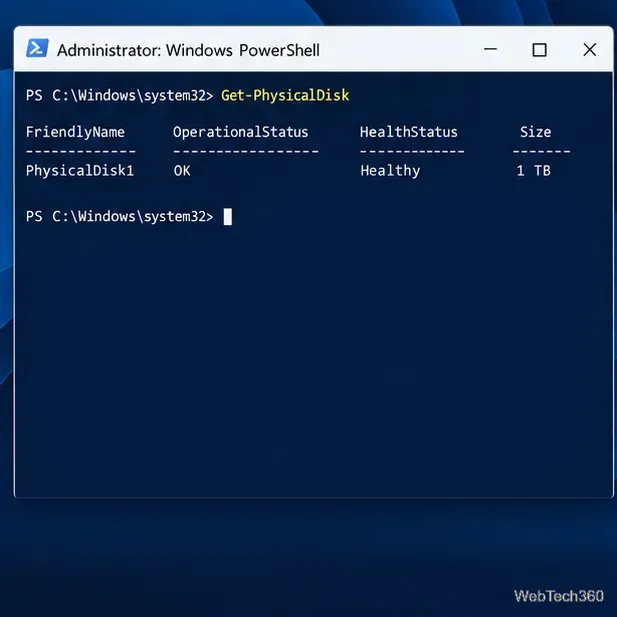
Check Windows Server disk status and reliability counters, verify SMART data when available, and separate hardware warnings from NTFS errors.
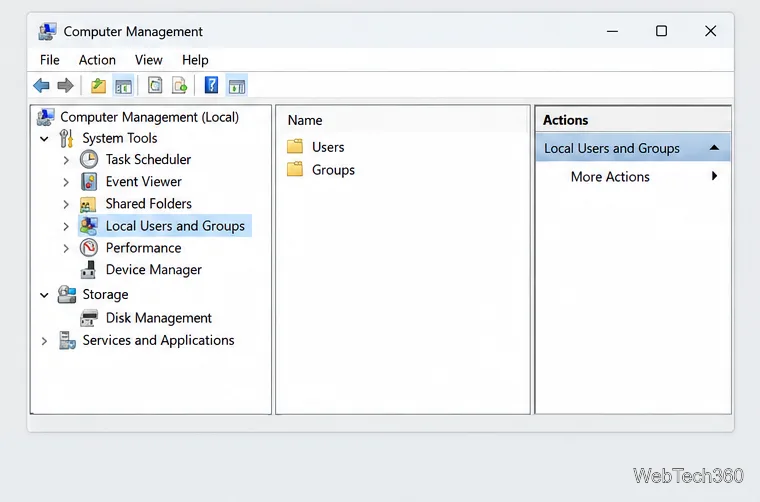
Create, grant admin rights to, disable, or remove local Windows Server users with Computer Management or PowerShell. Learn when to use Active Directory instead.
Install Serviio on Windows Server, share local or NAS media folders, and test DLNA playback. Learn how to check the Windows service, firewall, and Pro-only browser features.
Convert PNG, JPG, or BMP files to Windows ICO with GIMP. Prepare a square image, keep transparency when needed, add standard sizes, and check the export.