How to Check Hard Drive Health in Windows Server
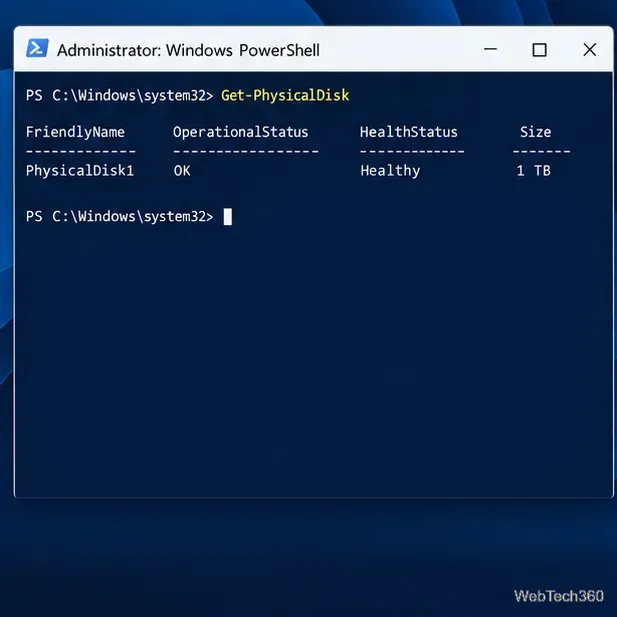
Check Windows Server disk status and reliability counters, verify SMART data when available, and separate hardware warnings from NTFS errors.
Are you tired of frustrating audio dropouts and delays ruining your creative flow in your DAW (Digital Audio Workstation) on Windows 11? Whether you're using Ableton Live, FL Studio, or Reaper, DAW latency and buffer underrun can turn a smooth session into a nightmare. The good news? These issues are fixable with the right tweaks. In this guide, we'll walk you through practical, up-to-date solutions to minimize audio latency and prevent buffer underrun, helping you reclaim your productivity and enjoy lag-free music production. Let's dive in and get your setup humming! 🎵
Before we jump into fixes, let's quickly clarify what we're dealing with. DAW latency refers to the delay between when you play a note or tweak a knob and when you hear the result—often caused by high buffer sizes or inefficient drivers. On the flip side, buffer underrun happens when your system's audio buffer can't keep up, leading to crackles, pops, or complete dropouts during playback or recording.
Windows 11 has improved real-time audio handling compared to older versions, but with its enhanced security features and power management, it can still introduce hiccups for audio pros. Common culprits include default audio drivers, background processes, and mismatched hardware settings. Don't worry—these problems affect many users, but fixing them is straightforward and rewarding. By the end of this article, you'll have a rock-solid setup that feels like a breath of fresh air.
The foundation of any DAW fix starts with drivers. Windows 11's built-in audio drivers (like WASAPI or WDM) are fine for casual use but often cause high latency in professional setups. Switch to ASIO drivers for the win! 🚀
Users report up to 50% reduction in DAW latency after this switch. If you're still hearing glitches, keep reading—there's more to tackle.
Buffer underrun often stems from mismatched buffer settings between your DAW and Windows. A too-small buffer causes underruns during heavy CPU loads, while a too-large one spikes latency.
| Scenario | Recommended Buffer Size | Expected Latency | Best For |
|---|---|---|---|
| Real-Time Recording | 64-128 samples | 3-10ms | Vocals, Instruments |
| Mixing/Playback | 256-512 samples | 10-20ms | CPU-Intensive Sessions |
| High-Track Projects | 1024 samples | 20+ms | Offline Rendering |
Here's how to dial it in:
These adjustments can eliminate audio latency spikes, making your sessions feel responsive and professional. Imagine tracking vocals without that annoying delay—pure bliss! 😊
Windows 11's multitasking is great, but it can hog resources needed for your DAW. Background apps like antivirus scans or Windows updates are notorious for causing buffer underrun.
By streamlining your system, you'll notice fewer interruptions, letting you focus on what matters—your music. Many producers swear by these tweaks for glitch-free overdubs.
If software fixes aren't enough, hardware plays a key role in combating DAW latency and buffer underrun on Windows 11.
These steps elevate your rig from good to pro-level, ensuring buffer underrun becomes a thing of the past. Feel the difference when every hit lands perfectly in time!
To keep you on track, here's a handy table for fast fixes:
| Issue | Symptom | Quick Fix |
|---|---|---|
| High Latency | Delay in monitoring | Lower buffer to 128 samples; use ASIO |
| Buffer Underrun | Crackles/pops | Increase buffer; close background apps |
| Driver Conflicts | Random dropouts | Uninstall old drivers; reboot in Safe Mode |
| Power Throttling | Intermittent glitches | Switch to High Performance plan |
If issues persist, test on a clean Windows 11 boot or consult your DAW's forums for plugin-specific advice.
Fixing Windows 11 DAW latency and buffer underrun doesn't have to be overwhelming—start with drivers and buffers, then refine your system. With these steps, you'll transform frustrating sessions into seamless, inspiring ones. Your music deserves it! If you try these and still hit snags, drop a comment below—we're all in this together. Keep creating, and may your tracks always play flawlessly. 👏
Word count: Approximately 950. For the latest Windows 11 audio optimizations, always check official Microsoft support pages.
Check Windows Server disk status and reliability counters, verify SMART data when available, and separate hardware warnings from NTFS errors.
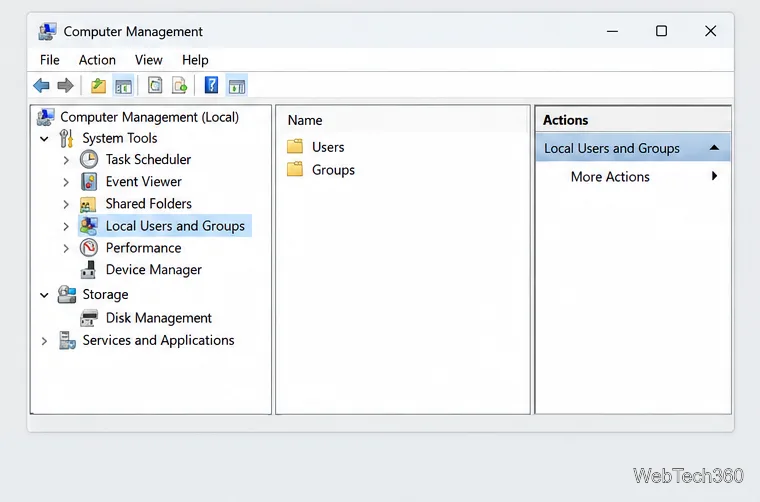
Create, grant admin rights to, disable, or remove local Windows Server users with Computer Management or PowerShell. Learn when to use Active Directory instead.
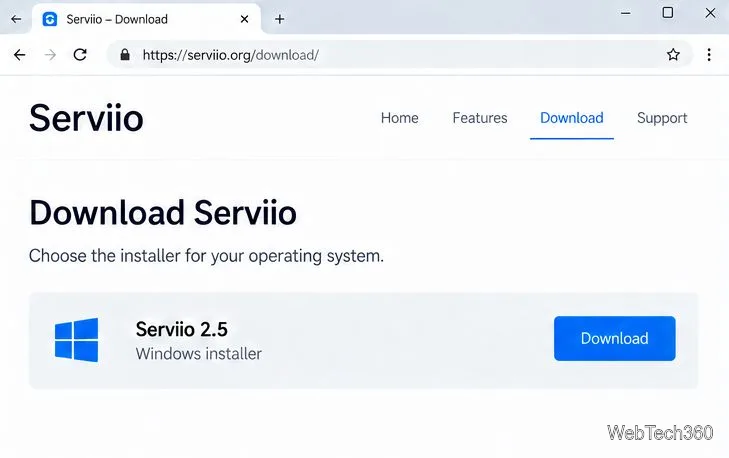
Install Serviio on Windows Server, share local or NAS media folders, and test DLNA playback. Learn how to check the Windows service, firewall, and Pro-only browser features.
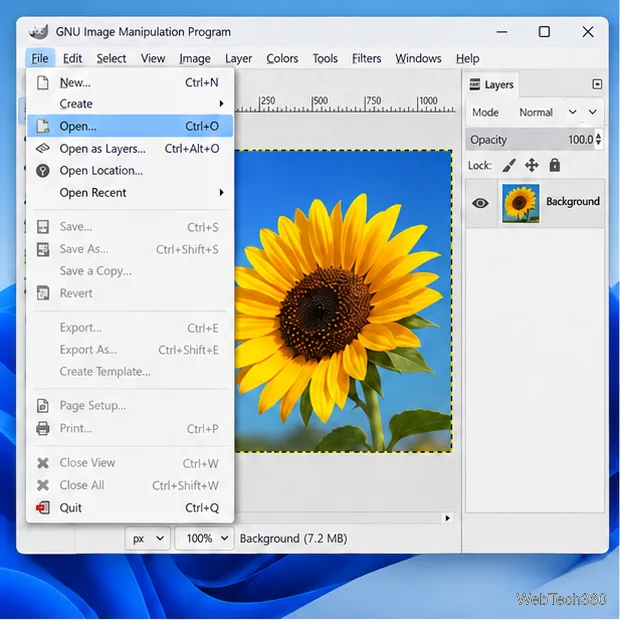
Convert PNG, JPG, or BMP files to Windows ICO with GIMP. Prepare a square image, keep transparency when needed, add standard sizes, and check the export.
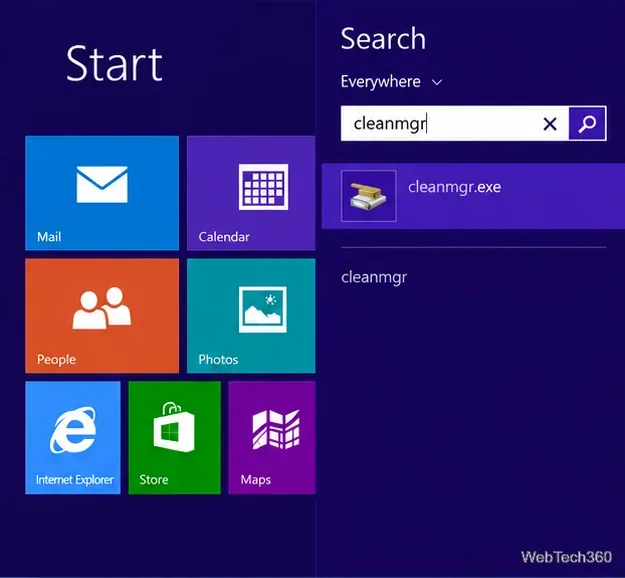
Clear thumbnail, DNS, Internet Explorer, Microsoft Store, Search, and Live Tile data with Windows 8’s built-in tools, and learn what each cleanup removes.
Turn off Windows 10 item check boxes in File Explorer with the View ribbon, or use Folder Options if the toggle is missing. See what changes and how to select multiple files without boxes.
Install VMware Workstation Pro on a compatible Windows Server host, from checking support and downloading the right build to creating your first VM.
Browse and copy Ext2, Ext3, or Ext4 files on Windows with a read-only workflow. See what Linux Reader’s free edition supports and when WSL fits.
Install Caddy’s native Windows binary, serve a test site, enable automatic HTTPS for a domain, and run Caddy as a Windows Server service.
Run Linux Docker containers alongside Windows Server by creating an Ubuntu Hyper-V VM, installing Docker Engine, and publishing a test service safely.