
How to Set Up an Email Signature in Outlook.com
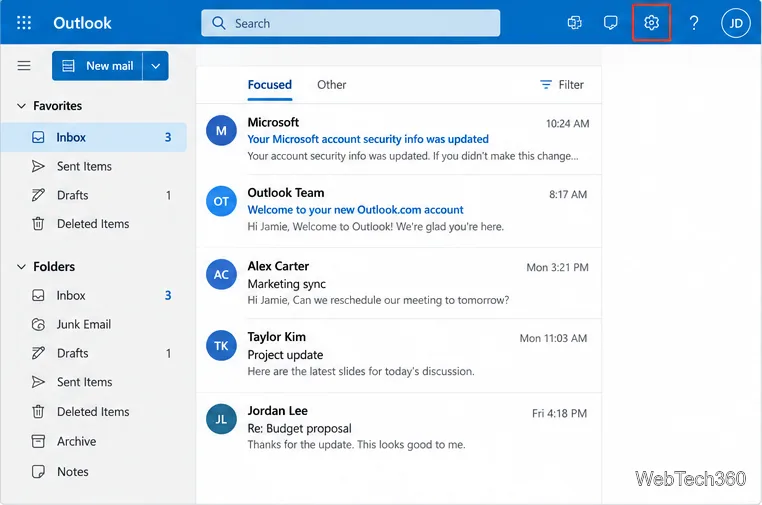
Create a reusable Outlook.com email signature, choose when it appears automatically, and insert it manually when you need a different sign-off.
Imagine the peace of mind that comes from knowing your precious Windows 11 system—complete with files, settings, and applications—is safely tucked away in the cloud. In our digital world, data loss can strike unexpectedly due to hardware failures, cyberattacks, or simple accidents. But fear not! Backing up your Windows 11 system to cloud is simpler than ever, offering seamless access from anywhere and robust protection. This guide will walk you through the essentials, empowering you to secure your digital life with confidence. Let's dive in and get your backups started today.
Cloud backups aren't just a tech trend; they're a smart safeguard. With Windows 11 cloud backup, you eliminate the risks of physical storage failures and gain mobility—restore your system on a new device effortlessly. According to Microsoft's latest recommendations, regular backups can prevent up to 90% of data loss scenarios. Plus, services like OneDrive integrate natively with Windows 11, making the process intuitive and automatic.
Key benefits include:
Ready to protect what matters? We'll cover the best methods, starting with built-in tools.
Microsoft's OneDrive is the go-to for seamless how to backup Windows 11 integration. It's pre-installed on Windows 11, offering 5GB free storage and easy syncing of folders like Documents, Pictures, and Desktop. For full system backups, including settings and apps, combine it with Windows Backup features.
Pro Tip: For larger files, upgrade to OneDrive's 1TB plan via Microsoft 365—perfect for heavy users. This method ensures your Windows 11 system to cloud transfer is secure and efficient, giving you that warm feeling of being prepared.
While OneDrive shines for Windows natives, other services offer flexibility. Google Drive provides 15GB free and excels in cross-platform use, while Dropbox is ideal for collaborative teams. Let's explore backup Windows 11 to cloud with Google Drive as a strong alternative.
Google Drive's Backup and Sync app (now part of Drive for Desktop) makes this straightforward. Download it from Google's official site for the latest version.
| Step | Action | Tips |
|---|---|---|
| 1. Install Drive for Desktop | Download from google.com/drive and install. Sign in with your Google account. | Ensure you have a Gmail account for 15GB free space. |
| 2. Choose Sync Folders | Open the app, go to Preferences > My Computer, and select folders like Documents or the entire C: drive (for selective backup). | Avoid syncing the full system to prevent overwhelming your storage quota. |
| 3. Backup System Settings | Use Windows' built-in tools: Export registry via regedit (File > Export) and save to a synced folder. For apps, use their export features. | Combine with Google One for more storage if needed. |
| 4. Automate and Monitor | Set sync to continuous in app settings. Check drive.google.com for uploads. | Enable notifications for sync errors to stay proactive. |
This approach keeps your workflow smooth. If you're in a team environment, Dropbox's version history feature adds an extra layer of recovery options—restoring files up to 180 days back.
To elevate your secure data backup game, consider these enhancements. Encryption is key: OneDrive and Google Drive use AES-256, but for extra paranoia, enable BitLocker on your local drive before syncing.
Feeling empowered? These tips transform backups from a chore into a reliable habit, ensuring your data is always one click away from recovery.
Even the best plans hit snags. Slow internet can delay uploads—schedule backups during off-peak hours. Also, watch for sync conflicts; always resolve them promptly to avoid data overwrites. If using third-party services, review privacy policies—stick to trusted providers like those from Microsoft or Google.
For official guidance, check Microsoft's support page on Windows Backup, which details the latest features.
Backing up your Windows 11 system to cloud isn't just about protection—it's about freedom. With these steps, you're equipped to handle whatever comes your way, from minor glitches to major mishaps. Start with OneDrive for simplicity, explore alternatives for variety, and incorporate advanced tips for peace of mind. Your future self will thank you! If you have questions or success stories, drop them in the comments below—we're all in this digital journey together. Stay safe and keep backing up! 🎉
Create a reusable Outlook.com email signature, choose when it appears automatically, and insert it manually when you need a different sign-off.
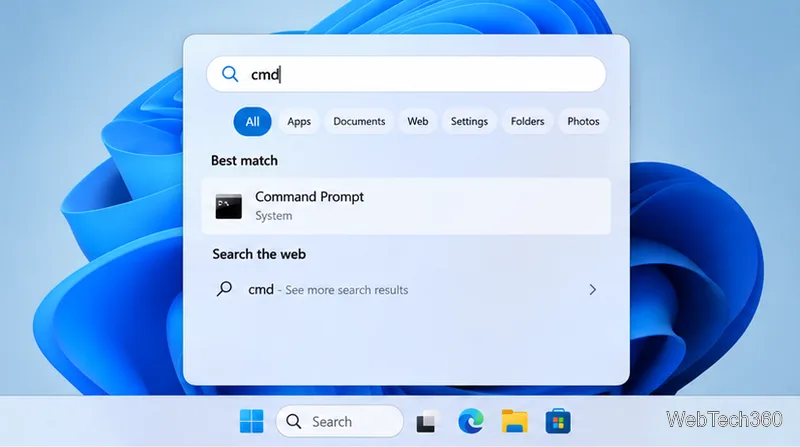
Open Command Prompt with Start search, Run, File Explorer, or Windows Terminal. See how to launch it as an administrator and find it on older PCs.
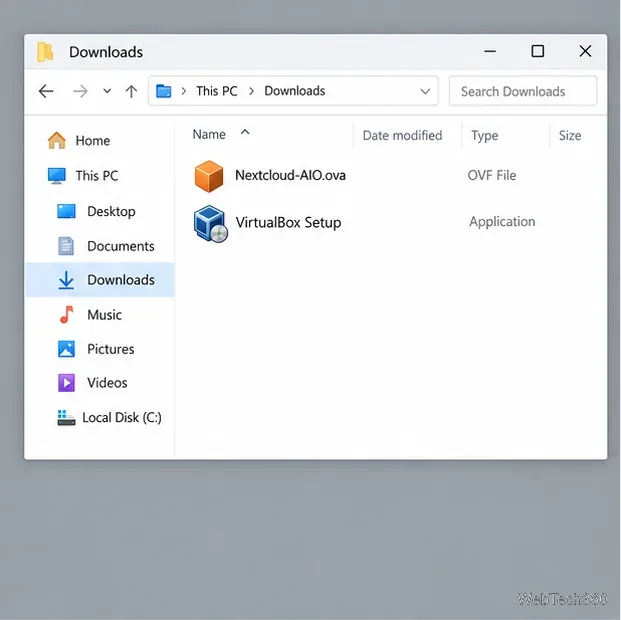
Set up a Nextcloud sync server on Windows Server with the AIO virtual machine, VirtualBox, bridged networking, domain, HTTPS, and backup guidance.
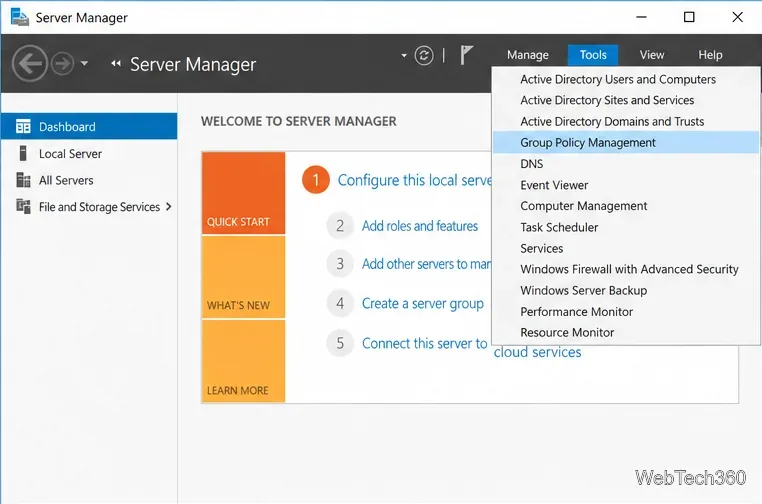
Learn how to create, link, configure, and verify a Windows Server Group Policy Object with a pilot OU, a wallpaper example, and troubleshooting checks.
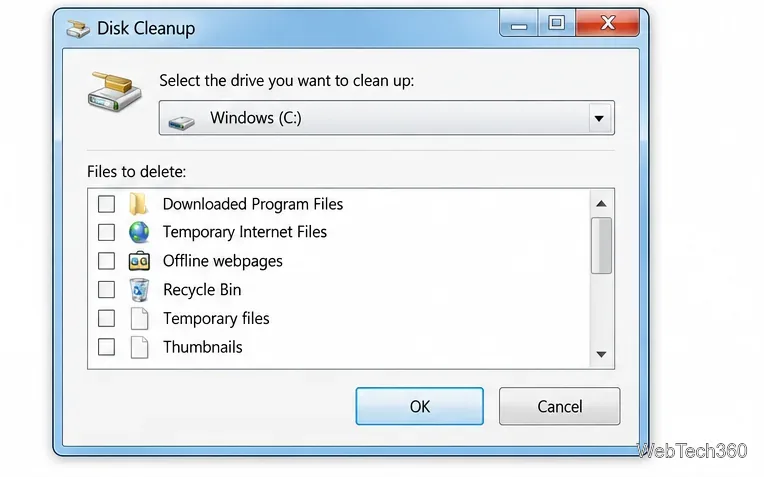
Learn how Windows 7 Disk Cleanup, Disk Defragmenter, System Restore, and built-in troubleshooters handle common maintenance tasks, with important safety limits.
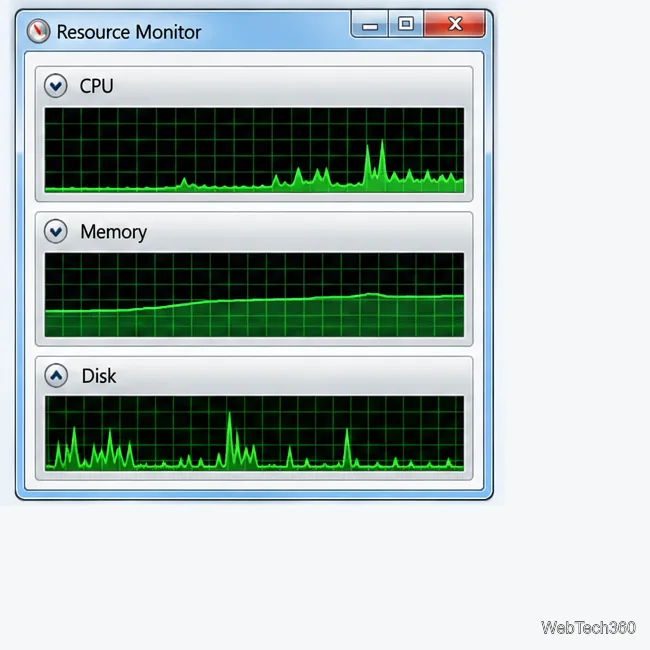
Speed up a Windows 7 PC by finding bottlenecks, reducing startup load, clearing disk space, adjusting visual effects, and upgrading wisely.
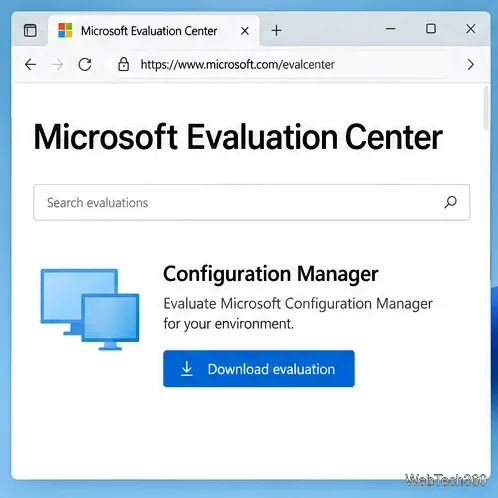
Set up Configuration Manager as a standalone primary site with supported Windows Server, SQL Server, evaluation media, and current setup prerequisites.
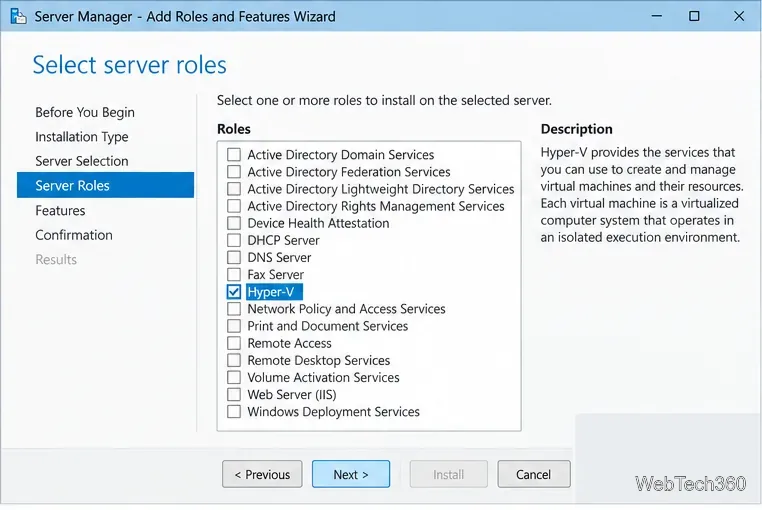
Host GitLab Self-Managed on Windows Server by running Ubuntu Server in Hyper-V, then configure its network, HTTPS address, first login, and backups.
Install Abyss Web Server X1 on Windows Server, create the console login, publish a test page, and configure the service to start at boot.
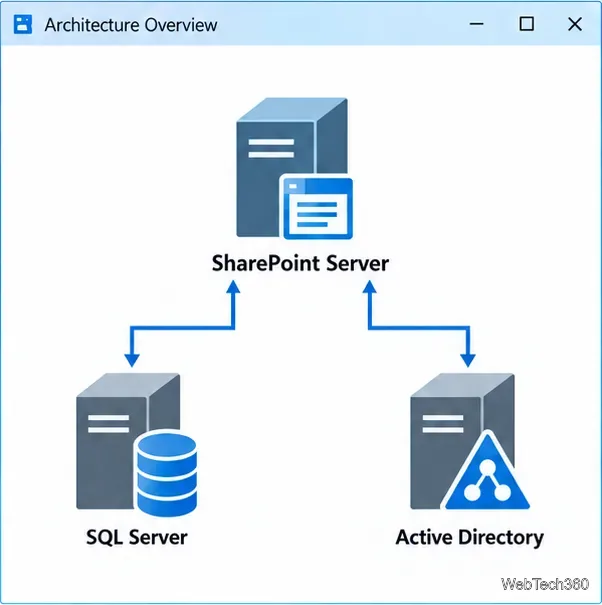
Install SharePoint Server Subscription Edition on Windows Server with current hardware, SQL, prerequisite, setup, and farm-configuration guidance.