Setting up your development environment can feel overwhelming, but once you master how to set JAVA_HOME on Windows 11, you'll unlock smooth Java development like never before. Whether you're a beginner coder or a seasoned developer, this guide will walk you through the process with clarity and precision. Imagine compiling your first Java project without errors— that's the confidence boost waiting for you! Let's dive in and get your Java environment variable configured right.
Why JAVA_HOME Matters for Java on Windows 11
Before we jump into the steps, let's quickly understand the role of JAVA_HOME. This environment variable points to your Java Development Kit (JDK) installation directory, helping tools like Maven, Gradle, and even your IDEs locate Java seamlessly. On Windows 11, with its modern interface and enhanced security, setting it correctly ensures your apps run without hiccups. Skipping this? You might face "Java not found" errors that frustrate even pros. But don't worry—we've got you covered with the latest methods.
Prerequisites: What You Need Before Setting JAVA_HOME
To set JAVA_HOME in Windows 11, start with a solid foundation. Here's what to prepare:
- ✅ Install the latest JDK: Download from the official Oracle site or use OpenJDK. For the newest features, opt for JDK 21 or later—it's stable and performant on Windows 11.
- 👉 Know your installation path: After installing, note the directory, usually something like
C:\Program Files\Java\jdk-21.
- ⚙️ Admin access: You'll need administrator privileges for system-wide changes.
Pro tip: Verify your Java installation first by opening Command Prompt (search for "cmd" in the Start menu) and typing java -version. If it shows the version, you're good to go. If not, reinstall and retry.

Step-by-Step: How to Set JAVA_HOME in Windows 11 Using GUI
Windows 11's Settings app makes this straightforward—no more digging through old Control Panel menus. Follow these steps to configure your Java environment variable via the graphical interface. It's user-friendly and takes just minutes!
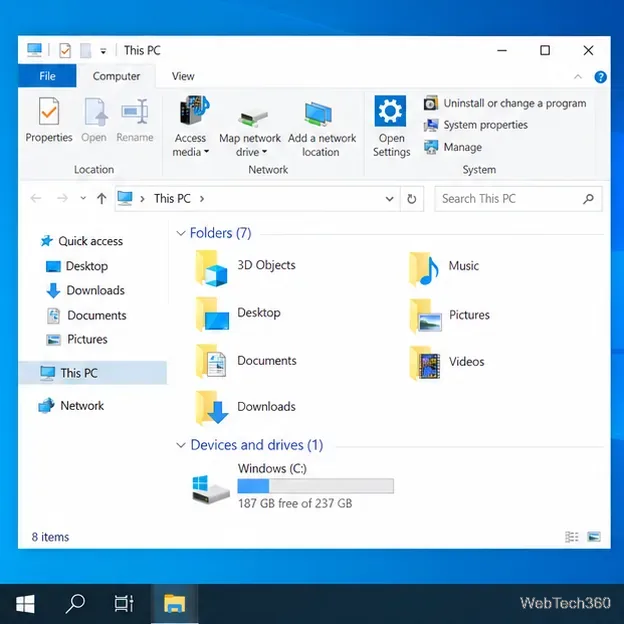
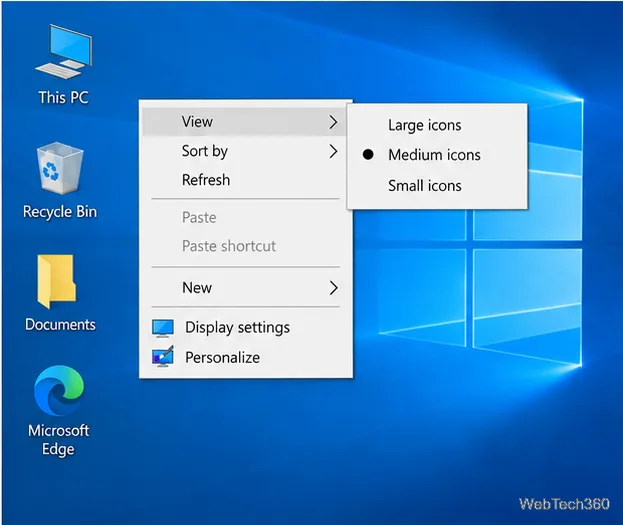
- 🖱️ Open System Properties: Right-click "This PC" (or "My Computer") on your desktop or in File Explorer, then select "Properties." Alternatively, search for "Environment Variables" in the Start menu and click "Edit the system environment variables."
- 🔧 Access Environment Variables: In the System Properties window, click the "Environment Variables..." button at the bottom. This opens a dialog with User and System variables— we'll focus on System for global access.
- ➕ Create JAVA_HOME: Under System variables, click "New...". For Variable name, enter JAVA_HOME. For Variable value, paste your JDK path (e.g.,
C:\Program Files\Java\jdk-21). Avoid trailing slashes—keep it clean. Click OK.
- ✏️ Update PATH Variable: Scroll to find "Path" in System variables, select it, and click "Edit...". Then, click "New" and add
%JAVA_HOME%\bin. This links executables like javac. Hit OK on all dialogs.
- 🔄 Restart and Test: Close all windows, restart your computer (or just Command Prompt), and test with
echo %JAVA_HOME% in cmd. It should display your path. Run javac -version to confirm—success!
Feeling empowered? This method is ideal for most users, as Windows 11's interface is intuitive. If you hit a snag, like permission errors, run as admin by right-clicking the search result.
![Editing environment variables in Windows 11]()
Alternative Method: Setting JAVA_HOME via Command Line in Windows 11
Prefer the power of commands? Windows 11's Command Prompt or PowerShell lets you set JAVA_HOME without the GUI. This is great for scripting or quick tweaks—perfect for devs on the go.
- 🚀 Open Command Prompt as Admin: Search for "cmd," right-click, and choose "Run as administrator."
- 📝 Set the Variable: Type
setx JAVA_HOME "C:\Program Files\Java\jdk-21" /M (replace with your path). The /M flag makes it system-wide.
- 🔗 Update PATH: Run
setx PATH "%PATH%;%JAVA_HOME%\bin" /M. This appends the bin directory safely.
- ✅ Verify: Close and reopen cmd, then echo
%JAVA_HOME% and test Java commands as before.
Why choose CLI? It's faster for automation and works even if your GUI feels clunky. Just remember, setx changes are permanent, so double-check paths to avoid "oops" moments. 😊
Common Pitfalls and How to Fix Them When Setting JAVA_HOME
Even with the best intentions, errors pop up. Here's a quick troubleshooting table to keep your Java setup on Windows 11 smooth:
| Issue |
Symptom |
Fix |
| JAVA_HOME not recognized |
'java' is not recognized |
Ensure no spaces in path; add quotes if needed. Restart explorer.exe via Task Manager. |
| Multiple Java versions |
Wrong version loads |
Use where java to check; update PATH to prioritize your desired JDK. |
| Permission denied |
Cannot edit variables |
Run as administrator; if UAC blocks, temporarily disable it (not recommended long-term). |
| Path too long |
Variable ignored |
Shorten install path during JDK setup; Windows 11 supports up to 260 chars, but keep under 200. |
These fixes have saved countless hours—apply them, and you'll be back to coding in no time. If you're using tools like IntelliJ or Eclipse, they often auto-detect JAVA_HOME, but manual setup ensures reliability.
![Testing JAVA_HOME in Command Prompt on Windows 11]()
Advanced Tips: Optimizing Your Java Environment on Windows 11
Now that JAVA_HOME is set, level up! For multiple JDKs, consider tools like SDKMAN (via WSL on Windows 11) or jEnv for switching versions effortlessly. Also, integrate with Windows Terminal for a modern cmd experience—search for it in the Microsoft Store.
Security note: Always download JDK from trusted sources to avoid vulnerabilities. For official guidance, check Oracle's documentation: Oracle JDK Installation Guide.
Final Thoughts: Your Java Journey Starts Here
Congratulations—you've just mastered how to set JAVA_HOME environment variable in Windows 11! This simple setup opens doors to building apps, automating tasks, and more. Experiment with a small Java project next, like a "Hello World" with Maven, to see it in action. If issues persist, community forums like Stack Overflow are goldmines. Keep coding, and may your builds be ever error-free! 🚀