How to Check for Open Ports on Windows Server
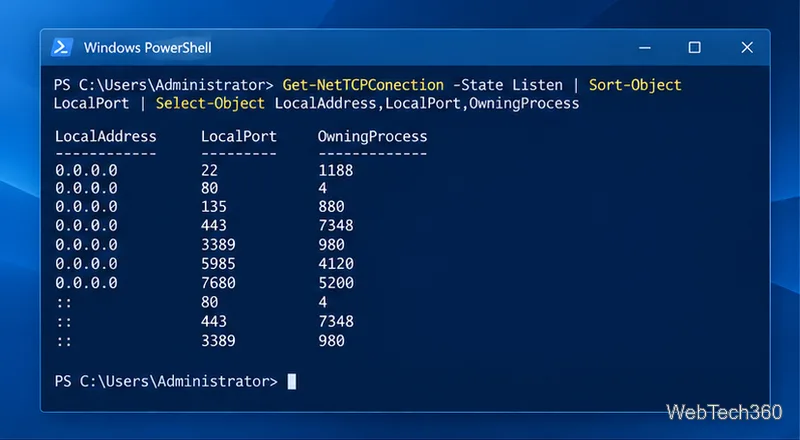
Find local TCP listeners, identify the process using a port, and test whether a Windows Server port is reachable with PowerShell, PortQry, or Nmap.
Are you tired of your internet connection dropping or devices not communicating reliably? Setting up a static IP address on Windows 11 can be your game-changer. Unlike dynamic IPs that change frequently, a static IP stays fixed, ensuring smoother networking for home offices, gaming setups, or server hosting. In this concise guide, we'll walk you through how to setup Windows 11 static IP address with clear steps, tips, and troubleshooting to get you up and running fast. Let's dive in and make your network rock-solid! 🚀
A static IP address is a permanent network address assigned to your device, unlike the temporary ones (DHCP) your router dishes out. On Windows 11, this means your PC always gets the same IP, making it ideal for:
Windows 11's latest updates make this process even more intuitive, with enhanced network settings for better performance. If you're on the 2026 editions like 24H2 or later, you'll notice smoother integration with modern routers. Ready to proceed? Follow these steps carefully—it's easier than you think!
Before starting, gather your network details: IP address, subnet mask, default gateway (usually your router's IP, like 192.168.1.1), and DNS servers (e.g., 8.8.8.8 for Google DNS). You can find these via Command Prompt by typing ipconfig. Pro tip: Choose an IP outside your router's DHCP range to avoid conflicts—check your router's admin page for this.
Now, let's configure it. We'll use the graphical interface for simplicity, but I'll include a PowerShell option for power users.
Click the Start button (Windows icon) and search for "Settings." Or, right-click the network icon in your taskbar (Wi-Fi or Ethernet symbol) and select "Open Network & Internet settings." This brings you to Windows 11's modern static IP configuration panel—clean and user-friendly!

In the Settings window, go to "Network & Internet." Click on your active connection—Ethernet for wired or Wi-Fi for wireless. Then, scroll to "IP settings" and click "Edit" next to IP assignment. Switch from "Automatic (DHCP)" to "Manual." This is where the magic happens: you're telling Windows 11 to lock in your static IP! 😊
Toggle on "IPv4" (or IPv6 if needed) and input your details:
| Field | Example Value | Description |
|---|---|---|
| IP Address | 192.168.1.100 | Your chosen fixed address (e.g., outside DHCP range like 192.168.1.2-50). |
| Subnet Mask | 255.255.255.0 | Defines your local network scope—usually this default works. |
| Gateway | 192.168.1.1 | Your router's IP for internet access. |
| Preferred DNS | 8.8.8.8 | Primary DNS (Google's is reliable). |
| Alternate DNS | 8.8.4.4 | Backup DNS for redundancy. |
Hit "Save." Windows 11 will apply changes instantly—your device might briefly disconnect and reconnect. Test by opening a browser or pinging your gateway (open Command Prompt and type ping 192.168.1.1). Success? You're golden! 🎉
For script lovers or bulk setups, open PowerShell as admin (search "PowerShell" in Start, right-click, "Run as administrator"). Use this command template:
New-NetIPAddress -InterfaceAlias "Ethernet" -IPAddress 192.168.1.100 -PrefixLength 24 -DefaultGateway 192.168.1.1
Set-DnsClientServerAddress -InterfaceAlias "Ethernet" -ServerAddresses ("8.8.8.8","8.8.4.4")
Replace "Ethernet" with your adapter name (check via Get-NetAdapter). This method is lightning-fast for pros and aligns with Windows 11's latest PowerShell enhancements.
Even with the best guides, hiccups happen. Here's how to fix them quickly:
ipconfig /release then ipconfig /renew to reset. Ensure gateway and DNS are correct. ❌For deeper dives, consult Microsoft's official docs: Microsoft IP Configuration Guide. If issues persist, a quick router reboot often resolves 80% of problems. You've got this—stay patient!
Once set, enjoy perks like faster file sharing and reliable remote desktop access. Best practices:
Setting a static IP address isn't just technical—it's empowering. Imagine seamless streaming, lag-free gaming, or effortless smart home control. If you're new to networking, this setup builds confidence for more advanced tweaks. What's next? Try port forwarding for a home server or explore Windows 11's built-in VPN tools. Stick around, and your network will thank you!
Congrats on mastering how to setup Windows 11 static IP address! This simple change can transform your digital life, reducing frustrations and unlocking potential. If you hit snags or have tips, drop a comment below—we're all in this together. Happy networking! 👏
Keywords: setup Windows 11 static IP address, Windows 11 static IP, configure static IP Windows 11
Find local TCP listeners, identify the process using a port, and test whether a Windows Server port is reachable with PowerShell, PortQry, or Nmap.
Map a shared folder as a drive letter in Windows 10, reconnect it at sign-in, confirm access, and fix common path, credential, and network discovery issues.
Hear your microphone through Windows 10 speakers with the Listen to this device setting. Choose the right input and output, test the route, and prevent feedback.
Change icon size on Windows 10 with desktop, taskbar, and File Explorer controls. Learn when display scaling helps and how to fix unexpected size changes.
Map an NFS share to a Windows 11 drive letter with the built-in Client for NFS. Check protocol compatibility, mount the export, and troubleshoot access issues.
Install Universal Media Server on Windows Server, share selected folders, set LAN-only firewall access, and test DLNA playback from a TV or browser.
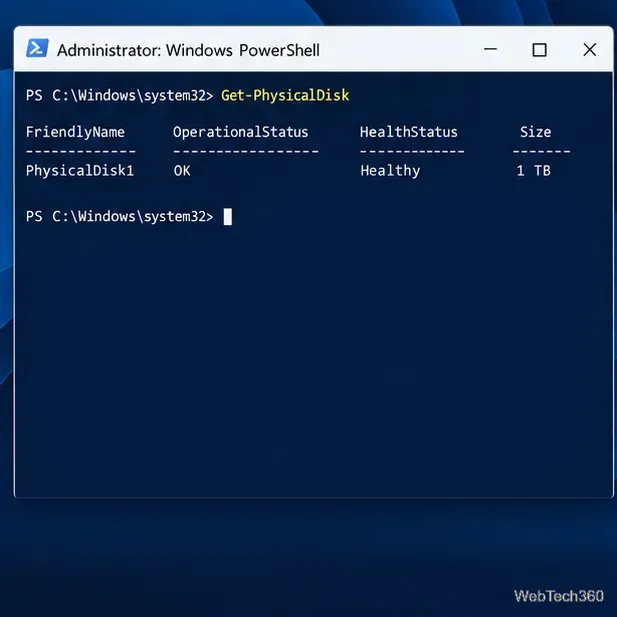
Check Windows Server disk status and reliability counters, verify SMART data when available, and separate hardware warnings from NTFS errors.
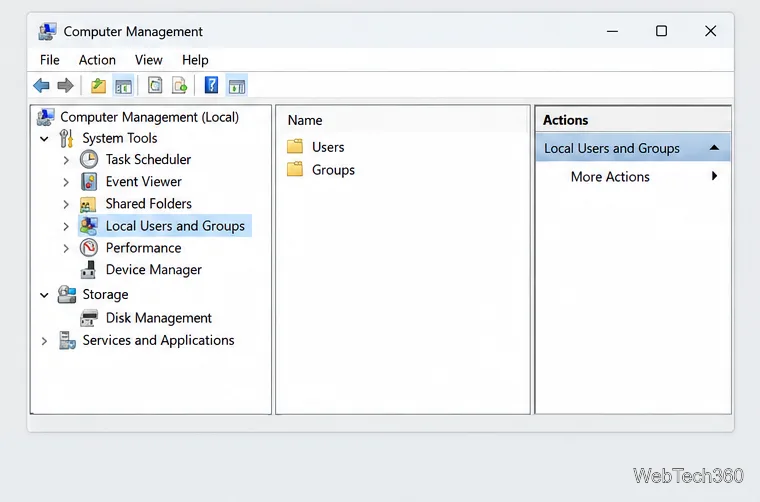
Create, grant admin rights to, disable, or remove local Windows Server users with Computer Management or PowerShell. Learn when to use Active Directory instead.
Install Serviio on Windows Server, share local or NAS media folders, and test DLNA playback. Learn how to check the Windows service, firewall, and Pro-only browser features.
Convert PNG, JPG, or BMP files to Windows ICO with GIMP. Prepare a square image, keep transparency when needed, add standard sizes, and check the export.