How to Set Up an Email Signature in Outlook.com
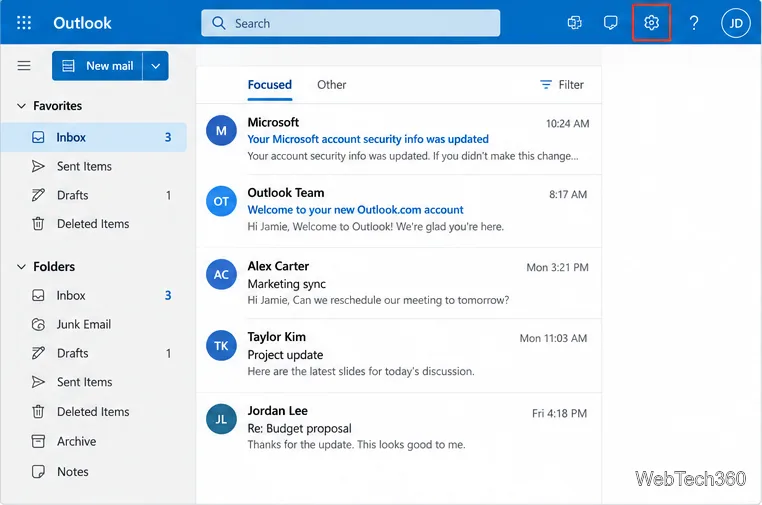
Create a reusable Outlook.com email signature, choose when it appears automatically, and insert it manually when you need a different sign-off.
Are you excited about the sleek interface and advanced features of Windows 11, but not quite ready to say goodbye to your trusty Windows 10 setup? Dual booting is the perfect solution! It lets you choose between both operating systems at startup, giving you the best of both worlds. This comprehensive guide will walk you through how to set up Windows 11 dual boot with Windows 10 safely and efficiently. Whether you're a tech newbie or a seasoned user, you'll feel confident and empowered by the end. Let's dive in and get your system ready for an exciting upgrade! 🚀
Before we jump into the steps, let's quickly cover the perks. Windows 11 brings a modern design, better multitasking with Snap Layouts, and enhanced security features like TPM 2.0 support. Meanwhile, Windows 10 remains reliable for legacy software and games. Dual booting ensures you can test Windows 11 without risking your daily workflow. Plus, it's reversible if needed. Imagine booting into Windows 11 for creative work and switching to Windows 10 for that old favorite app—pure flexibility! 😊
To avoid headaches, prepare your system properly. Here's what you'll need:
Pro tip: Update your BIOS/UEFI to the latest version from your motherboard manufacturer's site for better compatibility. This sets a strong foundation for a seamless dual boot Windows 10 and 11 experience.
Now, the fun part! We'll create installation media, partition your drive, and install Windows 11 alongside Windows 10. Follow these steps carefully for success.
Download the official Windows 11 ISO from Microsoft's website. Use the Media Creation Tool:
Once done, safely eject the USB. You're now armed with the latest Windows 11 installer—exciting, right?
To make room for Windows 11, we'll resize your existing drive without data loss.
This creates unallocated space. If you encounter issues, use a tool like MiniTool Partition Wizard (free version) for more flexibility. Your Windows 10 files stay intact—peace of mind guaranteed! 👍
Time to install! Restart your PC and enter BIOS (usually F2, Del, or Esc—check your manual).
During setup, Windows 11 will detect your Windows 10 installation and add it to the boot menu automatically. Reboot, and you'll see the dual boot selector—choose your OS with a simple click!
After installation, the boot menu might default to Windows 11. Customize it in Windows 10 or 11 using EasyBCD (a free tool):
This ensures smooth switching. If boot issues arise, use the Windows Recovery Environment (boot from USB > Repair your computer) to fix the bootloader.
Even with careful steps, glitches happen. Here's how to handle them:
| Issue | Solution |
|---|---|
| Boot menu doesn't appear | Run bootrec /rebuildbcd in Command Prompt from recovery mode. |
| One OS won't boot | Check BIOS boot order; ensure Secure Boot is enabled for Windows 11. |
| Shared files inaccessible | Format the new partition as NTFS during install; access via File Explorer in both OSes. |
| Performance slowdown | Defragment drives and update drivers in both systems. |
Most problems stem from partitioning errors, so double-check space allocation. If you're stuck, Microsoft's support forums are a goldmine—search for your exact error. You've got this; troubleshooting builds your tech skills! 🔧
With both OSes running, enhance your experience:
For gamers, note that Windows 11 optimizes DirectStorage for faster load times. Experiment and see what boosts your productivity!
Congratulations! You've successfully set up Windows 11 dual boot with Windows 10, unlocking a versatile computing life. This setup not only future-proofs your PC but also lets you appreciate the evolution of Windows at your own pace. If you run into snags or want to tweak further, drop a comment below—we're in this tech journey together. Now, reboot and choose your OS— the power is yours! 🎉
Remember, always back up before major changes, and stay curious about new features. Happy dual booting!
Create a reusable Outlook.com email signature, choose when it appears automatically, and insert it manually when you need a different sign-off.
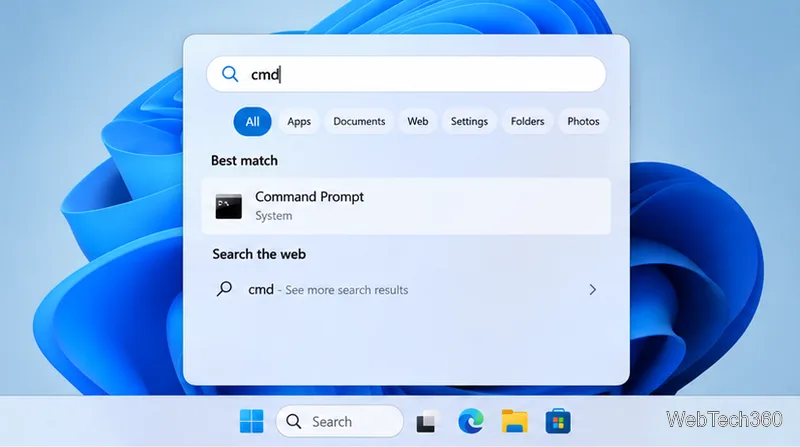
Open Command Prompt with Start search, Run, File Explorer, or Windows Terminal. See how to launch it as an administrator and find it on older PCs.
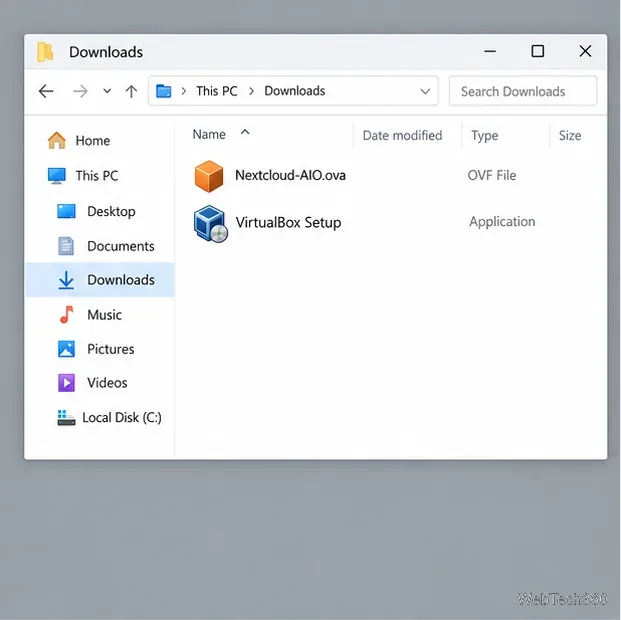
Set up a Nextcloud sync server on Windows Server with the AIO virtual machine, VirtualBox, bridged networking, domain, HTTPS, and backup guidance.
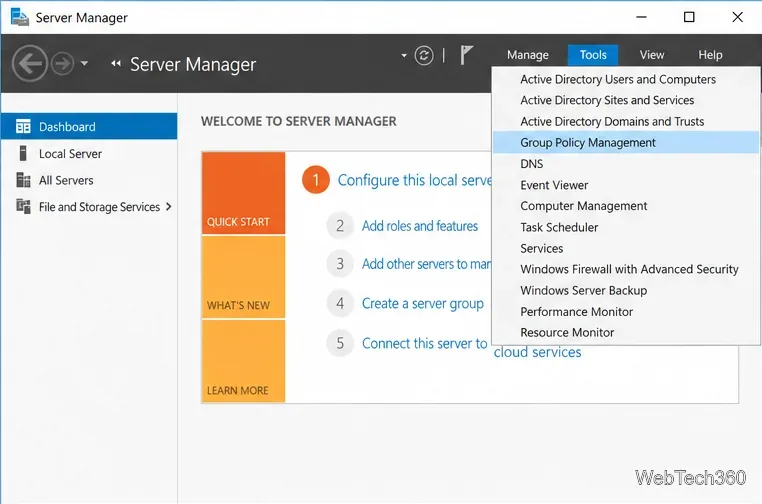
Learn how to create, link, configure, and verify a Windows Server Group Policy Object with a pilot OU, a wallpaper example, and troubleshooting checks.
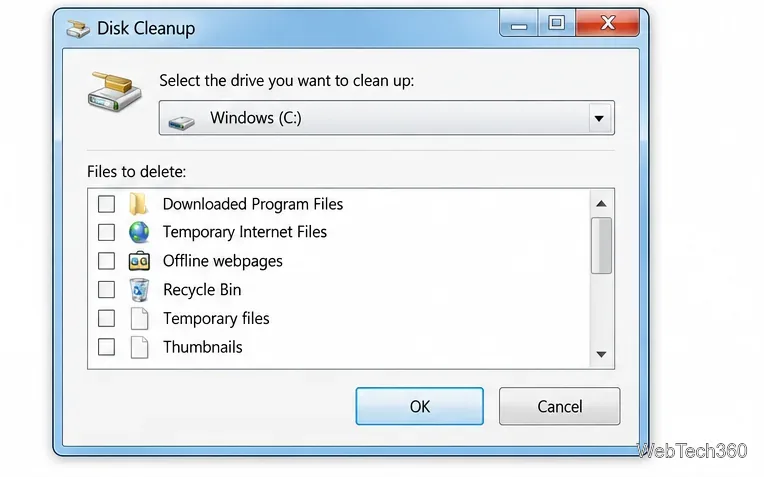
Learn how Windows 7 Disk Cleanup, Disk Defragmenter, System Restore, and built-in troubleshooters handle common maintenance tasks, with important safety limits.
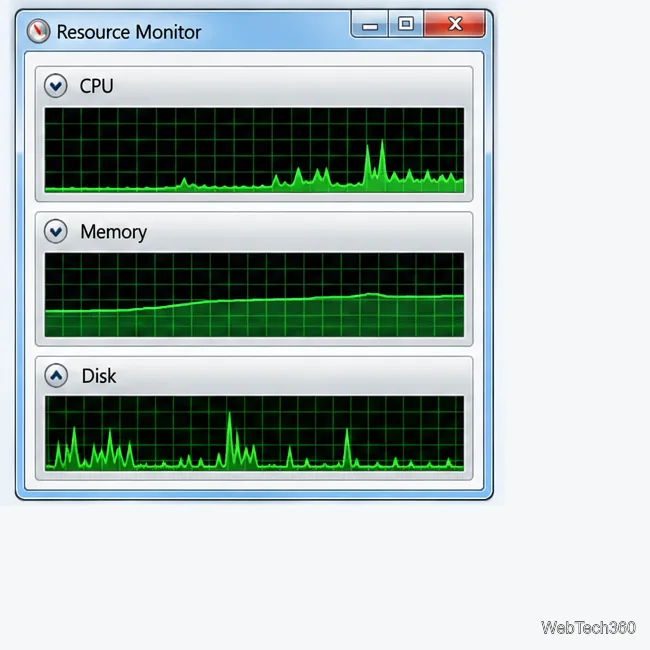
Speed up a Windows 7 PC by finding bottlenecks, reducing startup load, clearing disk space, adjusting visual effects, and upgrading wisely.
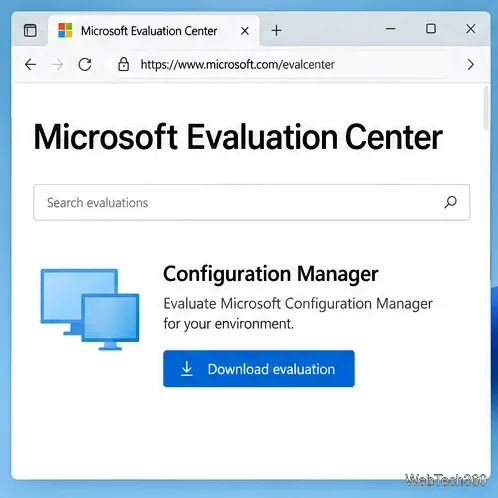
Set up Configuration Manager as a standalone primary site with supported Windows Server, SQL Server, evaluation media, and current setup prerequisites.
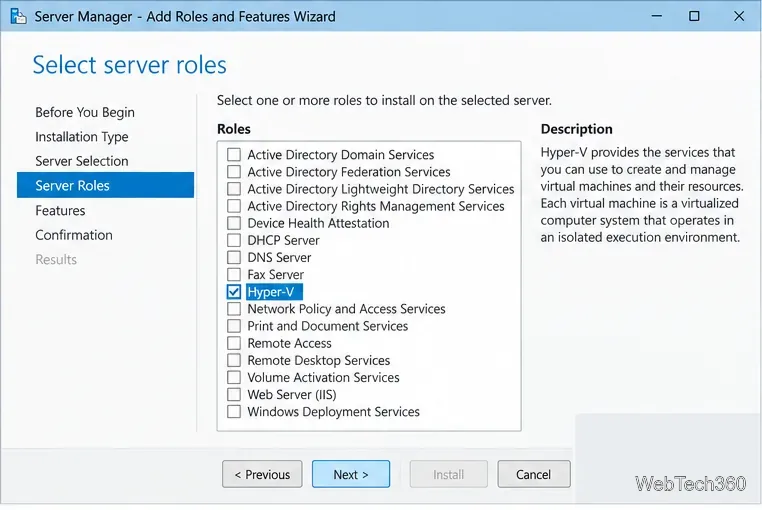
Host GitLab Self-Managed on Windows Server by running Ubuntu Server in Hyper-V, then configure its network, HTTPS address, first login, and backups.
Install Abyss Web Server X1 on Windows Server, create the console login, publish a test page, and configure the service to start at boot.
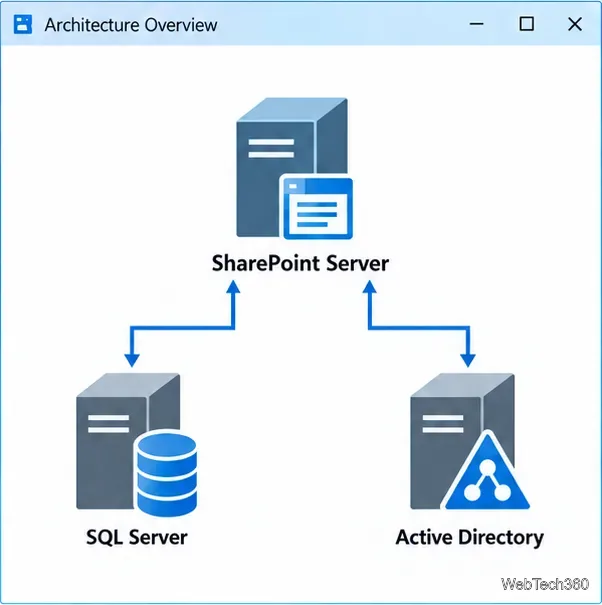
Install SharePoint Server Subscription Edition on Windows Server with current hardware, SQL, prerequisite, setup, and farm-configuration guidance.