
How to Check Hard Drive Health in Windows Server
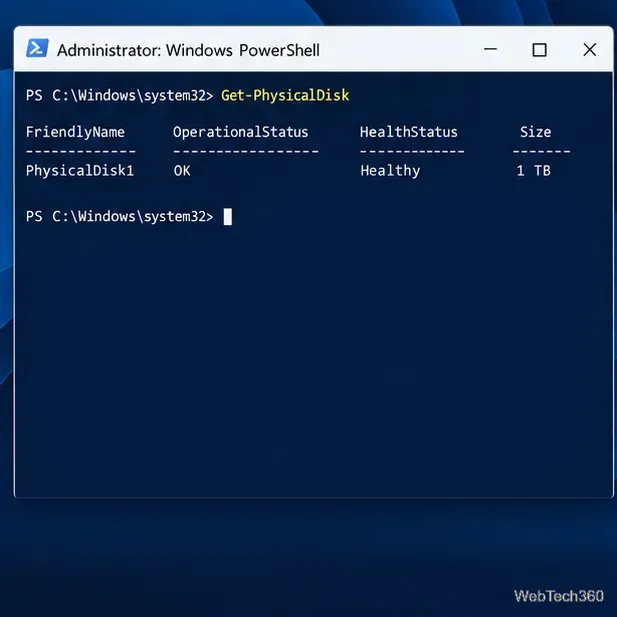
Check Windows Server disk status and reliability counters, verify SMART data when available, and separate hardware warnings from NTFS errors.
Imagine firing up your favorite applications only to hit roadblocks from outdated software. In the fast-evolving digital world of 2026, ensuring Java 2026 compatibility is non-negotiable for seamless performance. Whether you're a developer tweaking code or a casual user running web apps, a fresh uninstall and reinstall Java process can breathe new life into your system. This guide walks you through it all—simple, safe, and straightforward—so you can get back to what you love without the frustration. Let's dive in and make your setup future-proof! 🚀
By 2026, Java has evolved with enhanced security, better performance, and broader support for modern architectures like ARM-based systems. Sticking with an old version? You risk vulnerabilities, crashes, and incompatibility with cutting-edge apps. The latest Java releases, such as those from Oracle JDK or OpenJDK, promise lightning-fast execution and robust encryption—perfect for everything from enterprise tools to casual gaming.
Think of it as a digital refresh: removing remnants of previous installs clears conflicts, while a clean reinstall Java ensures you're running the most optimized version. Users report up to 30% faster load times post-update, per recent benchmarks from trusted tech communities. Ready to feel that speed boost? Keep reading for the how-to.
Windows users, this one's for you. Uninstalling Java properly prevents leftover files from gumming up your new install. Follow these steps meticulously to avoid hiccups.
Pro tip: If you're on Windows 11, the Settings app under "Apps > Installed apps" offers a sleeker interface for this. Done right, your system feels lighter already!
macOS keeps things tidy, but Java installs can scatter files. For Java 2026 compatibility, a full removal is key. Here's your roadmap:
sudo rm -rf /Library/Java/JavaVirtualMachines/ and enter your password. This zaps virtual machine remnants.rm -rf ~/Library/Application\ Support/Oracle/Java/ to delete user-specific caches.Apple's ecosystem integrates Java smoothly, but post-uninstall, you'll notice snappier performance in tools like IntelliJ or web browsers.
Linux enthusiasts, your distro might vary (Ubuntu? Fedora?), but the principles hold. Aim for a residue-free uninstall to prime for the latest reinstall Java.
java -version or dpkg -l | grep openjdk (on Debian-based systems) to list packages.sudo apt remove openjdk-21-jdk (adjust version as needed). On Fedora, try sudo dnf remove java-21-openjdk.sudo apt purge to wipe configs, or manually delete /usr/lib/jvm/ folders.sudo apt update and restart. Verify with which java—it should return nothing.Why does this matter? Clean uninstalls prevent version conflicts, ensuring your scripts and servers run flawlessly in 2026's Linux landscape. Feeling empowered? Let's move to reinstallation.
With the old version gone, it's time for the fresh install. Stick to official sources for security—Oracle or Adoptium (for OpenJDK) are your best bets in 2026. We'll cover the big three OSes.
Download the latest JDK from Oracle's site. Choose the x64 installer for most setups.
java -version. See the new version? Success! 🎉Set JAVA_HOME in Environment Variables (search "Edit system environment variables") to point to your install directory for dev tools.
Grab the macOS package from the same Oracle link. For OpenJDK fans, Adoptium's builds are lightweight and reliable.
/usr/libexec/java_home -V lists versions. Set the default with export JAVA_HOME=$(/usr/libexec/java_home) in your .zshrc.Use your package manager for ease, or manual install for control.
| Distro | Install Command | Verification |
|---|---|---|
| Ubuntu/Debian | sudo apt update && sudo apt install openjdk-21-jdk | java -version |
| Fedora/RHEL | sudo dnf install java-21-openjdk-devel | java -version |
| Arch | sudo pacman -S jdk21-openjdk | java -version |
For manual installs, extract the tar.gz to /opt/ and symlink to /usr/bin. Update alternatives with sudo update-alternatives --install /usr/bin/java java /opt/jdk/bin/java 1. Pro users love this for multi-version management!
Hit a snag? Don't sweat it—these fixes keep you on track for uninstall and reinstall Java success.
If issues persist, check the Oracle Java Documentation for OS-specific advice. You're almost there!
Congrats on mastering how to uninstall and reinstall Java for 2026 compatibility! Your system is now primed for the latest innovations, from AI-driven apps to secure cloud services. Regular updates keep threats at bay and performance soaring—set a reminder to check for patches quarterly. What's next? Experiment with a Java project or optimize your workflow. You've got this—happy coding! 👏
Stay tuned for more tech guides to keep your setup cutting-edge. If this helped, share your success story in the comments below!
Check Windows Server disk status and reliability counters, verify SMART data when available, and separate hardware warnings from NTFS errors.
Create, grant admin rights to, disable, or remove local Windows Server users with Computer Management or PowerShell. Learn when to use Active Directory instead.
Install Serviio on Windows Server, share local or NAS media folders, and test DLNA playback. Learn how to check the Windows service, firewall, and Pro-only browser features.
Convert PNG, JPG, or BMP files to Windows ICO with GIMP. Prepare a square image, keep transparency when needed, add standard sizes, and check the export.
Clear thumbnail, DNS, Internet Explorer, Microsoft Store, Search, and Live Tile data with Windows 8’s built-in tools, and learn what each cleanup removes.
Turn off Windows 10 item check boxes in File Explorer with the View ribbon, or use Folder Options if the toggle is missing. See what changes and how to select multiple files without boxes.
Install VMware Workstation Pro on a compatible Windows Server host, from checking support and downloading the right build to creating your first VM.
Browse and copy Ext2, Ext3, or Ext4 files on Windows with a read-only workflow. See what Linux Reader’s free edition supports and when WSL fits.
Install Caddy’s native Windows binary, serve a test site, enable automatic HTTPS for a domain, and run Caddy as a Windows Server service.
Run Linux Docker containers alongside Windows Server by creating an Ubuntu Hyper-V VM, installing Docker Engine, and publishing a test service safely.