In today's digital world, staring at screens for hours can leave your eyes feeling tired and strained. But what if a simple built-in tool could help? Enter Windows 11 Night Light, a game-changer for eye care. This feature warms your screen's colors by reducing blue light, making it easier on your eyes and promoting better sleep. If you're ready to say goodbye to eye fatigue and hello to comfortable viewing, keep reading. We'll guide you through everything you need to know about using Windows 11 Night Light for eye care.
What is Windows 11 Night Light and Why It Matters for Your Eyes
Windows 11 Night Light is Microsoft's clever solution to combat the harsh blue light emitted by screens. Blue light, while great for alertness during the day, can disrupt your circadian rhythm and cause eye strain, especially in the evening. By shifting your display to warmer tones, Night Light mimics the soft glow of a sunset, reducing glare and making text easier to read.
Why does this matter for eye care? Prolonged exposure to blue light is linked to digital eye strain, dry eyes, and even sleep disturbances. Activating Night Light isn't just a tweak—it's a proactive step toward healthier viewing habits. Imagine winding down without the buzz of a bright screen; it's like giving your eyes a gentle hug after a long day. 😊
According to experts, features like this can significantly cut down on symptoms of computer vision syndrome. Ready to dive in? Let's explore how to turn it on and customize it for maximum benefits.
Step-by-Step Guide: How to Enable Night Light in Windows 11
Getting started with Windows 11 Night Light is straightforward—no downloads or third-party apps needed. Follow these simple steps to activate it and start protecting your eyes right away.
- Access Quick Settings: Click the network, battery, or audio icon in your taskbar (bottom-right corner). This opens the Quick Settings panel. If you don't see it, click the up arrow to expand.
- Find Night Light: Look for the Night Light tile. If it's not visible, click the pencil icon to edit Quick Settings and add it. Tap the tile to toggle it on—your screen will instantly warm up! 🌟
- Schedule It Automatically: For hands-free eye care, right-click the Night Light tile and select "Night light settings." Here, enable the schedule option. Set a custom time, like from sunset to sunrise, or let Windows detect it based on your location.
That's it! Your screen now filters out excess blue light, reducing strain during late-night sessions. But don't stop here—fine-tuning takes it to the next level.
Customizing Night Light Settings for Optimal Eye Protection
One size doesn't fit all when it comes to Windows 11 Night Light. Personalize it to match your routine and sensitivity. Head to Settings > System > Display > Night light for full control.
- Strength Slider: Adjust the intensity from subtle (20-30% for daytime use) to full warm (50-100% for evenings). Start low if you're new—it's like easing into a cozy blanket.
- Schedule Options: Choose "Sunset to Sunrise" for automatic activation based on your timezone. Or set fixed hours, like 8 PM to 7 AM, perfect for night owls.
- Advanced Tweaks: If you're tech-savvy, use the "Night light hours" to program multiple schedules. This ensures eye care aligns with your workflow, whether you're editing photos or browsing.
Pro tip: Pair Night Light with dimmed brightness for even better results. Your eyes will thank you, feeling refreshed instead of fatigued. Now, let's address common hurdles you might face.
Troubleshooting Common Issues with Night Light
Even the best features can glitch. If Windows 11 Night Light isn't working as expected, here's how to fix it quickly:
| Issue |
Solution |
| Night Light won't turn on |
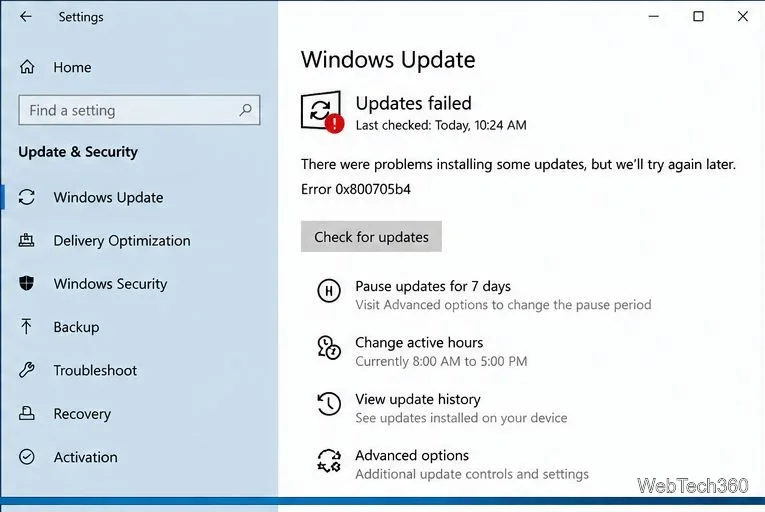
Ensure your display drivers are up to date. Go to Settings > Windows Update > Check for updates. Restart your PC afterward. |
| Schedule not activating |
Verify your location services are enabled (Settings > Privacy > Location). Toggle Night Light off and on to reset. |
| Colors look off on external monitors |
Night Light applies system-wide, but check if your monitor has its own blue light filter. Adjust via display settings if needed. |
These fixes keep your eye care routine smooth. If problems persist, a quick system restart often does the trick. Feeling empowered? Let's explore why Night Light shines brighter than alternatives.
![Custom Night Light schedule setup in Windows 11 for better eye health and reduced blue light exposure]()
Why Choose Night Light Over Third-Party Blue Light Apps?
With apps like f.lux or Iris out there, why stick with Windows 11 Night Light? It's seamless, free, and integrated—no ads or battery drain. Microsoft optimizes it for Windows hardware, ensuring consistent performance across laptops and desktops.
For eye care, studies show built-in filters like this reduce blue light by up to 80% without distorting colors too much for work. Plus, it's always updating with Windows releases, so you're getting the latest enhancements. If you need more, consider combining it with habits like the 20-20-20 rule: Every 20 minutes, look 20 feet away for 20 seconds. 👀
For deeper insights, check out Microsoft's official guide on display settings.
Enhance Your Eye Care Routine with Night Light Tips
To maximize Windows 11 Night Light for eye care, integrate it into a holistic approach:
- Combine with Dark Mode: Enable Dark Mode in Settings > Personalization > Colors. It pairs perfectly with Night Light for low-light environments, cutting glare further. ⭐
- Monitor Your Usage: Use built-in Focus sessions to track screen time. Set reminders to activate Night Light during peak hours.
- For Gamers and Creators: Night Light won't affect performance in games, but toggle it off during color-critical tasks like photo editing. Re-enable afterward for recovery.
Small changes like these build lasting habits. Imagine ending your day with clear, relaxed eyes—Night Light makes it possible. If you're on the go, note that it works great on Windows 11 tablets too.
The Long-Term Benefits of Using Night Light Daily
Consistent use of Windows 11 Night Light goes beyond immediate relief. Over time, it supports better sleep by preserving melatonin production, vital for overall health. Users report fewer headaches and improved focus, turning screen time from a chore into a pleasure.
Think of it as investing in your well-being. Whether you're a student pulling late nights or a professional glued to reports, this feature levels up your eye care game. Ready to try? Activate it now and notice the difference tonight.
Final Thoughts: Lighten Up Your Screen Life
Windows 11 Night Light is more than a setting—it's your ally in the battle against eye strain. By following this guide, you've got the tools to customize it for peak comfort. Start small, stay consistent, and watch your eye health transform. Your future self (with sharper vision) will applaud you. 👏 What’s your go-to evening routine? Share in the comments—we'd love to hear how Night Light fits in!