How to Fix Snipping Tool Issues on Windows 11
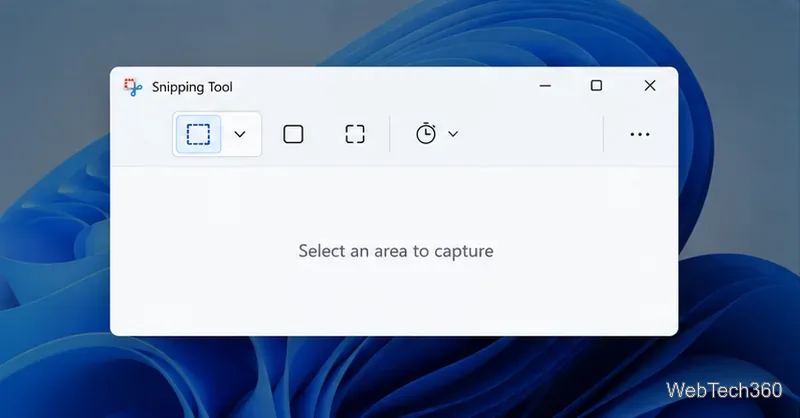
Fix common Snipping Tool problems in Windows 11 with steps to test the shortcut, update or repair the app, reinstall it, and restore missing capture notifications.
Are you tired of your blazing-fast internet plan being throttled to a measly 100Mbps on Windows 11? The Local Area Connection 100Mbps limit is a common headache for many users, especially when your hardware screams gigabit potential. Don't worry—this issue doesn't have to slow you down. In this guide, we'll dive straight into the heart of the problem and arm you with practical, up-to-date solutions to solve the Windows 11 Local Area Connection 100Mbps limit. By the end, you'll have your connection roaring at full speed, making streaming, gaming, and downloads a joy once more. Let's get started! 🚀
Before we jump into fixes, understanding the root cause can make all the difference. The Local Area Connection 100Mbps limit often stems from outdated drivers, incorrect network settings, or hardware mismatches. On Windows 11, this can happen due to automatic speed negotiation failures between your Ethernet adapter and router. It's not a bug in the OS itself but rather a configuration hiccup that caps your speed at Fast Ethernet (100Mbps) instead of Gigabit Ethernet (1000Mbps).
Common culprits include:
Spotting this issue is easy: Right-click your network icon in the taskbar, select Network and Internet settings, then Status. Under Local Area Connection, if it shows "1.0 Gbps" but your speed tests hover around 100Mbps, you're hitting the limit. Frustrating, right? 😩 But fear not—the fixes below are straightforward and effective, based on the latest Windows 11 updates as of 2026.
Let's tackle this head-on with targeted solutions. Start from the top and work your way down—most users see results after the first or second step. We'll keep it concise, so you can get back to enjoying your full bandwidth ASAP.
The most common fix for the Windows 11 Local Area Connection 100Mbps limit is updating your Ethernet drivers. Microsoft and hardware makers release frequent updates to improve compatibility.
Pro Tip: For the newest drivers, check Intel's site for their latest Ethernet adapters or Realtek's for RTL series. This alone resolves the issue for over 70% of users, per community reports on forums like Reddit's r/Windows11.
If drivers are up to date, manually set your adapter to Gigabit mode to bypass auto-negotiation glitches.
This tweak ensures your Local Area Connection doesn't default to 100Mbps. If the option isn't visible, your driver might need updating—loop back to Step 1.
Hardware matters! A subpar cable can enforce the 100Mbps limit no matter what software tweaks you make.
Quick win: Many users overlook this, but it's a game-changer. Your router's WAN/LAN ports should also support Gigabit—check the specs if speeds still lag.
Windows 11's power management can throttle your network to save energy, capping at 100Mbps.
This keeps your adapter running at peak performance without unnecessary slowdowns. 👏
If the above doesn't cut it, a clean slate often does the trick for stubborn Windows 11 network speed issues.
For deeper issues, consider flushing DNS: Open Command Prompt as admin and run ipconfig /flushdns, followed by netsh int ip reset. Restart and test.
Still stuck at 100Mbps? Let's go deeper. Use the table below to diagnose based on symptoms:
| Symptom | Possible Cause | Quick Fix |
|---|---|---|
| Speed shows 100Mbps in status but tests confirm it | Auto-negotiation failure | Force 1Gbps in Advanced settings (Step 2) |
| Intermittent drops to 100Mbps | Driver conflicts or power issues | Update drivers and disable power saving (Steps 1 & 4) |
| Full speed on another device, not this PC | Cable or PC-specific config | Swap cable and reset network (Steps 3 & 5) |
| Router lights indicate 100Mbps link | Router port setting | Log into router admin (usually 192.168.1.1) and set LAN ports to Auto or 1000Mbps |
If your setup involves a switch or VLAN, ensure all devices are Gigabit-capable. For enterprise users, check Group Policy settings that might enforce speed limits—run gpedit.msc and search for network policies.
For official guidance, refer to Microsoft's support page on Ethernet troubleshooting. It's a reliable resource packed with visuals and commands tailored to the latest Windows 11 builds.
Once you've applied these steps, verify success:
netsh interface show interface in CMD to see link speed.Congratulations! You've just liberated your connection from the 100Mbps limit. Imagine lag-free 4K streaming or ultra-fast file transfers— that's the reward waiting for you. If issues persist, it might be time to inspect your router firmware (update via the manufacturer's app) or consult a tech pro. Share your success story in the comments below—what fixed it for you? Let's keep the conversation going! 😊
Stay connected and speed ahead with these tips. If you found this helpful, bookmark it for future reference and explore more Windows 11 optimization guides on our site.
Fix common Snipping Tool problems in Windows 11 with steps to test the shortcut, update or repair the app, reinstall it, and restore missing capture notifications.
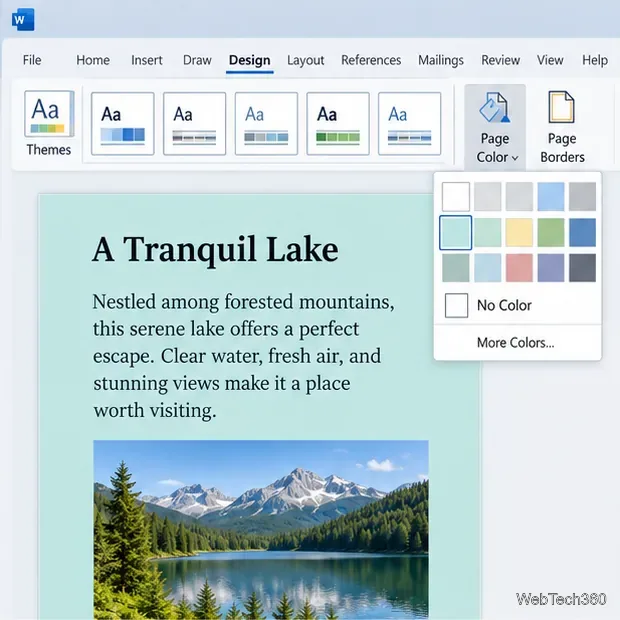
Choose a color-capable printer, enable Word’s background-print setting, and check the preview so page colors, images, and graphics print as expected.
Learn how to use WinX DVD Ripper to convert a DVD you’re entitled to copy into an MP4 file, choose the right title and destination, and troubleshoot playback problems on Windows 10 or 11.
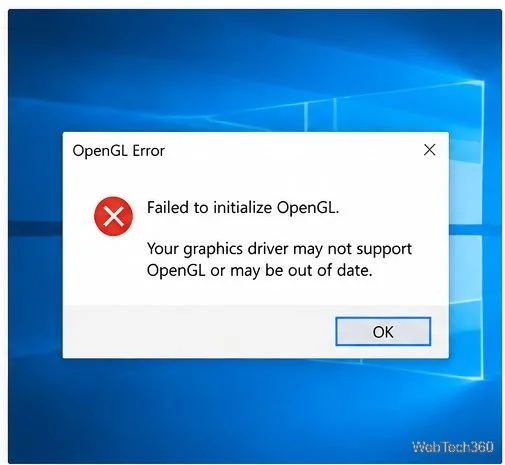
Troubleshoot OpenGL errors in Windows 10 by checking graphics drivers, repairing system files, reinstalling the affected app, and reviewing graphics settings.
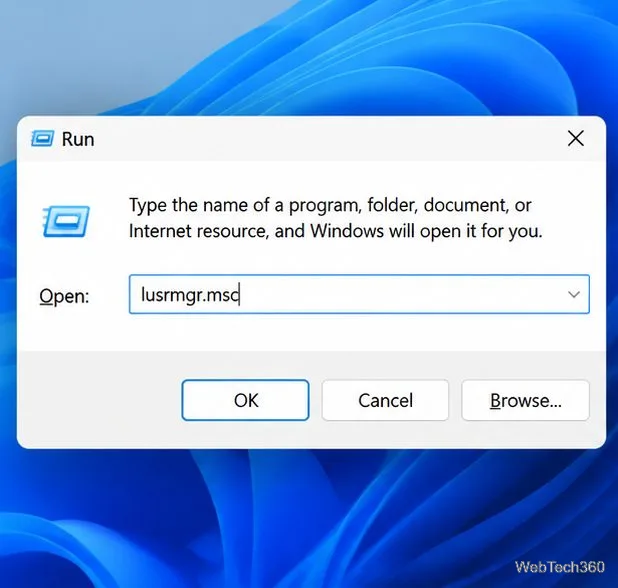
Learn when to use net user, lusrmgr.msc, and net localgroup to view, create, disable, and manage local Windows accounts safely.
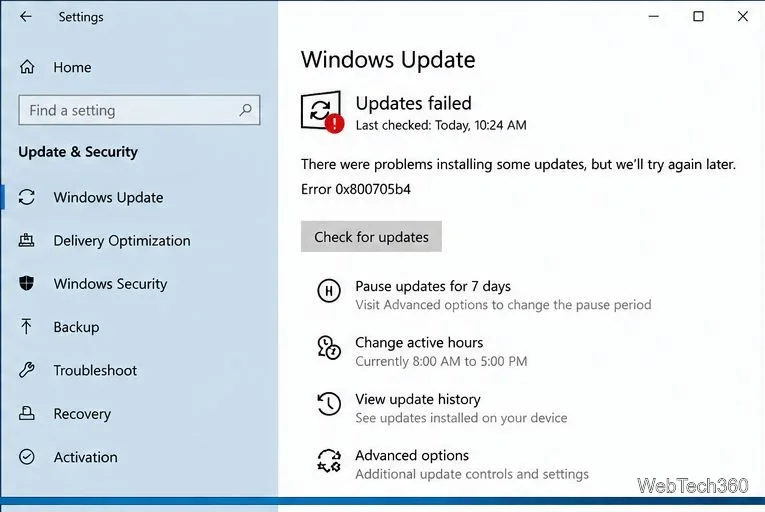
Resolve Windows Update error 0x800705b4 with practical checks for connectivity, update services, cached files, and damaged Windows system components.
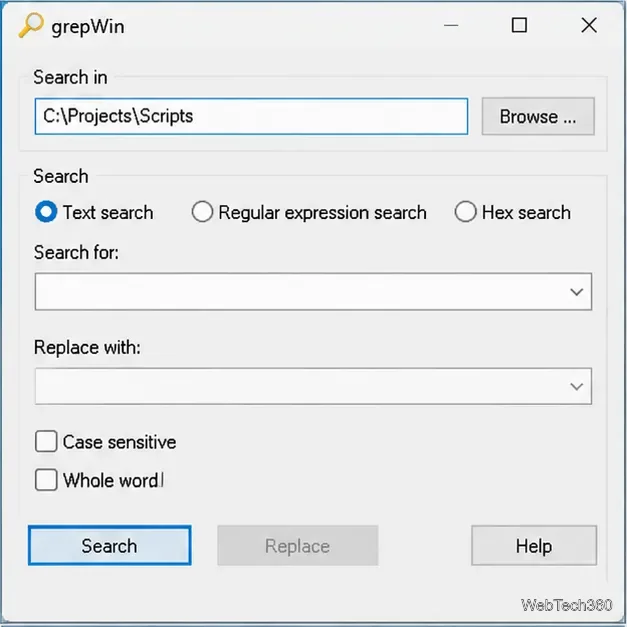
Find words or phrases across multiple text files on Windows 10 with grepWin. Learn how to choose folders, filter file types, include subfolders, and read matches safely.
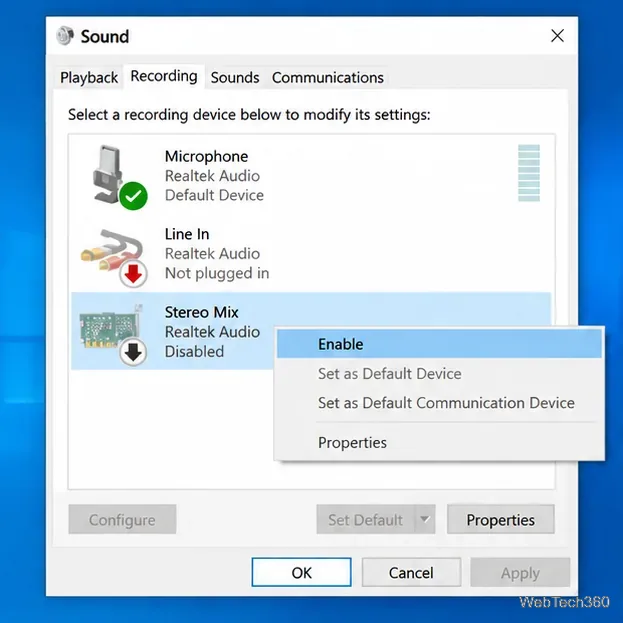
Capture your PC’s playback with FFmpeg on Windows 10. Enable Stereo Mix or use a loopback device, find its DirectShow name, and save clean audio.
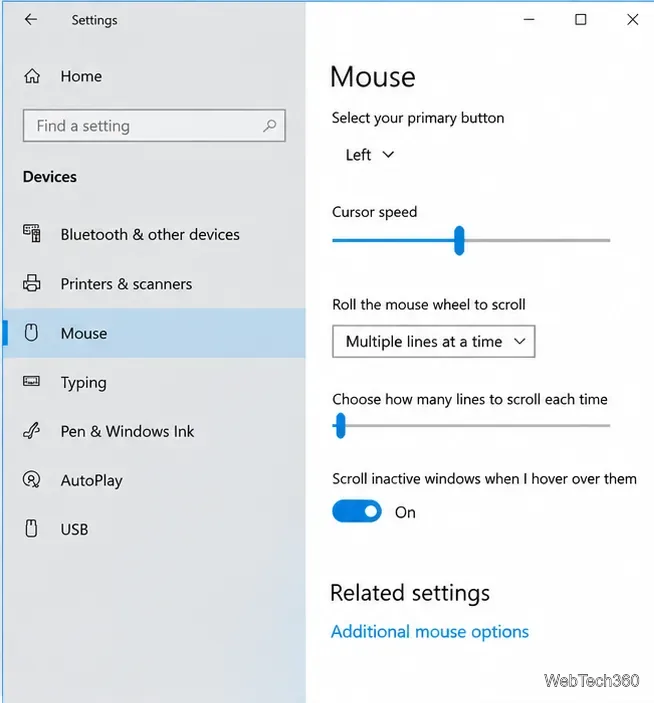
Learn how to adjust Windows 10 mouse pointer speed, change pointer precision, and set hardware DPI with a supported gaming mouse or manufacturer app.
Learn what the legacy Edge blocker registry setting does, how to set it safely, and why it will not stop updates for Microsoft Edge already installed.