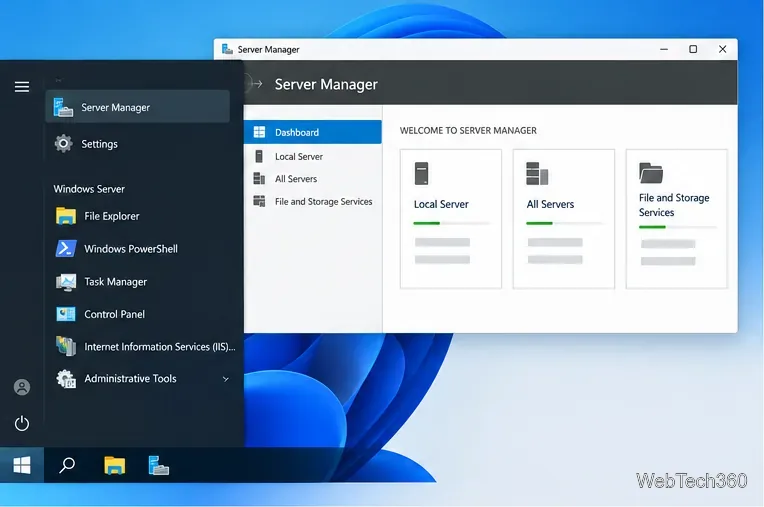
How to Check Hard Drive Health in Windows Server
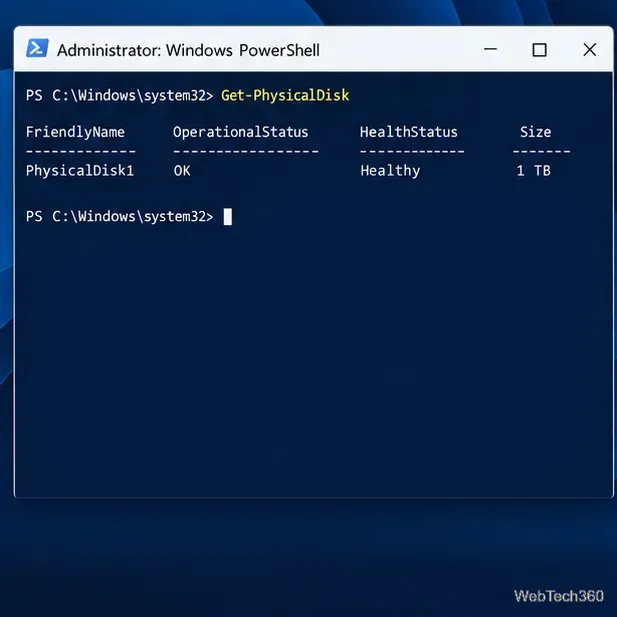
Check Windows Server disk status and reliability counters, verify SMART data when available, and separate hardware warnings from NTFS errors.
Ever dusted off an old Java-based game or tool, only to hit a wall with Windows 11? You're not alone. Many users cherish those older Java apps for their nostalgia or unique functionality, but modern OS updates can make them tricky to launch. The good news? With the right approach, you can run older Java apps on Windows 11 safely, preserving your favorites while keeping your system secure. This guide walks you through practical, up-to-date steps to bridge the gap, ensuring smooth compatibility without unnecessary risks. Let's dive in and revive that digital heritage! 😊
Windows 11 brings enhanced security and architecture changes that can clash with legacy Java apps. Older versions of the Java Runtime Environment (JRE) might rely on outdated libraries or 32-bit components, which Windows 11 handles differently. Plus, Microsoft's shift away from bundled Java support means you need to manage it manually. But fear not—this compatibility hiccup is solvable. By understanding the core issues, you'll feel empowered to tackle them head-on.
Key challenges include:
Addressing these ensures your run older Java apps on Windows 11 experience is both nostalgic and secure. Ready to get started? Follow these proven steps.
Before launching any app, check your setup. Start by verifying if Java is installed via the Command Prompt: type java -version. If nothing shows or it's an incompatible version, you're set for installation.
👉 Pro Tip: Always download Java from official sources to avoid malware. Oracle's JDK or OpenJDK distributions are your best bets for Java compatibility on Windows 11.
For older Java apps, you might need multiple Java versions. Use a tool like Java Version Manager or manually install side-by-side. Here's a quick table of recommended versions based on app age:
| App Era | Recommended Java Version | Download Source |
|---|---|---|
| Pre-2010 (e.g., old games) | Java 6 or 8 (32-bit) | Oracle Archive |
| 2010-2015 | Java 8 (64-bit) | Eclipse Adoptium |
| Post-2015 Legacy | Java 11 LTS | OpenJDK |
Install in a custom directory, like C:\Java\jre1.8, to avoid conflicts. During setup, opt for offline installers for better control. This preparation keeps your system tidy and secure.
To run older Java apps on Windows 11 without hiccups, set up environment variables. This tells Windows where to find the correct Java executable.
C:\Java\jre1.8\bin).Restart your PC after changes. Test by running java -version again. If it points to the right version, you're golden! This setup prevents version conflicts and boosts performance for legacy software.
Feeling stuck? Many users report success with this method for apps like classic Minecraft mods or old enterprise tools. It's a small tweak with big rewards. ⭐
Now, the fun part: firing up those apps. For Java compatibility on Windows 11, use these safe launching techniques.
java -jar appname.jar. Specify the version with -Djava.version=1.8 if needed.@echo off
set PATH=C:\Java\jre1.8\bin;%PATH%
java -jar yourapp.jar. Double-click to launch securely.These methods isolate the app, reducing security risks. Avoid running as admin unless essential—Windows 11's protections are there for a reason.
Safety first! Older Java apps can be vulnerability hotspots, so layer on protections.
By sandboxing, you enjoy your legacy Java software without exposing your whole system. It's like giving old friends a secure playroom—reassuring and fun!
To squeeze more out of run older Java apps on Windows 11, tweak JVM options. Add flags like -Xmx1024m for memory allocation in your batch file. For graphics-heavy apps, ensure your GPU drivers are current via Device Manager.
If issues persist, community forums like Stack Overflow offer tailored advice. One popular fix for audio glitches in old Java games? Install legacy DirectX runtimes from Microsoft.
🚀 Bonus: For cross-platform fans, consider virtual machines like VirtualBox with an older Windows guest OS. It's overkill for most but perfect for finicky apps.
Hit a snag? Here's a troubleshooting table to keep you moving:
| Error | Cause | Fix |
|---|---|---|
| "Java not recognized" | PATH not set | Reconfigure environment variables |
| App crashes on launch | Version mismatch | Switch to matching JRE |
| Security warning | Unsigned code | Run in sandbox or compatibility mode |
These fixes have helped countless users revive their collections. Remember, patience pays off—soon you'll be reliving those golden moments.
Running older Java apps on Windows 11 safely doesn't have to be a headache. With proper installation, configuration, and security measures, you can bridge the past and present effortlessly. Whether it's a retro game or a trusty old utility, these steps ensure compatibility without compromise. Dive back into your digital time capsule today—your apps are waiting! If you try these tips, share your success stories in the comments. Happy computing! 👏
Stay tuned for more guides on legacy software revival.
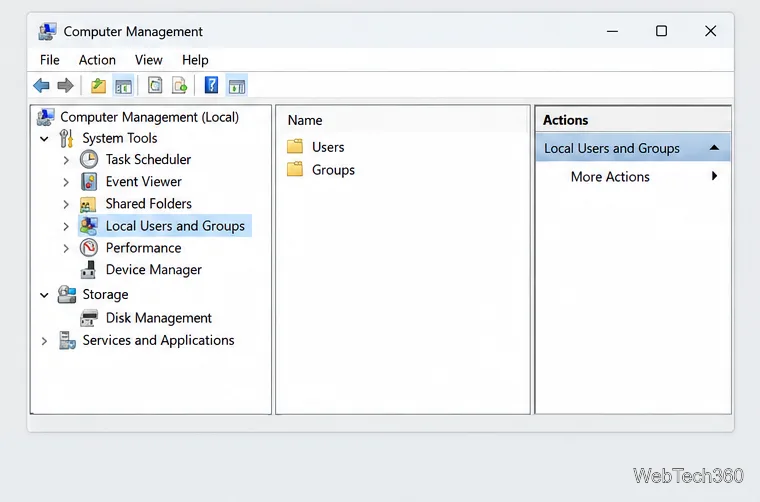
Check Windows Server disk status and reliability counters, verify SMART data when available, and separate hardware warnings from NTFS errors.
Create, grant admin rights to, disable, or remove local Windows Server users with Computer Management or PowerShell. Learn when to use Active Directory instead.
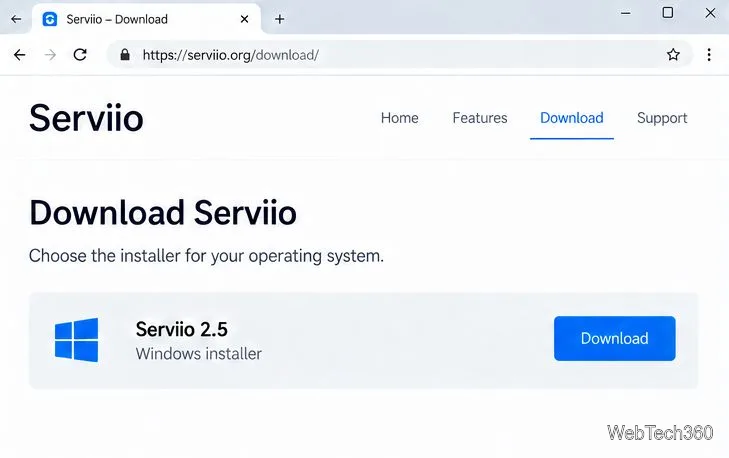
Install Serviio on Windows Server, share local or NAS media folders, and test DLNA playback. Learn how to check the Windows service, firewall, and Pro-only browser features.
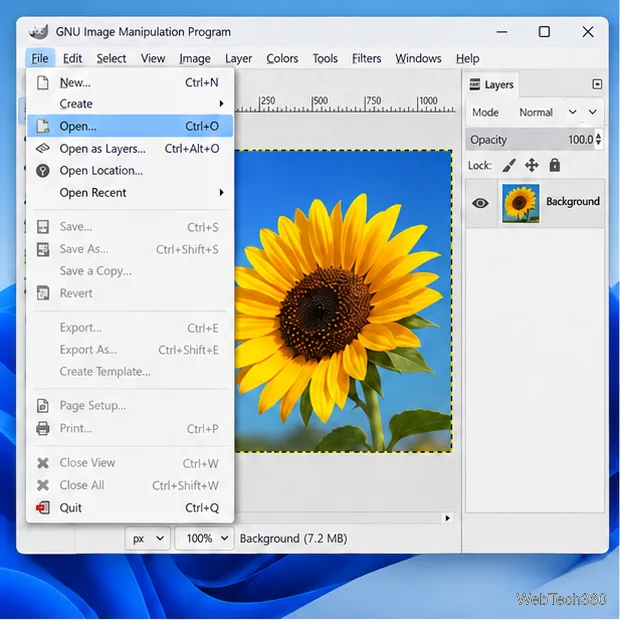
Convert PNG, JPG, or BMP files to Windows ICO with GIMP. Prepare a square image, keep transparency when needed, add standard sizes, and check the export.
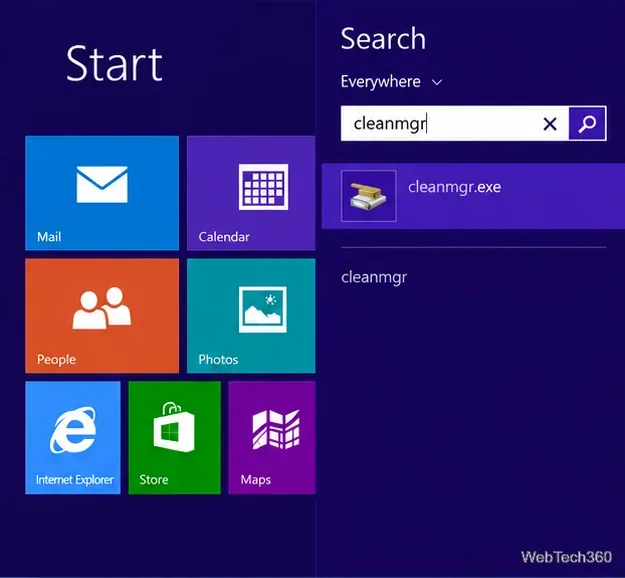
Clear thumbnail, DNS, Internet Explorer, Microsoft Store, Search, and Live Tile data with Windows 8’s built-in tools, and learn what each cleanup removes.
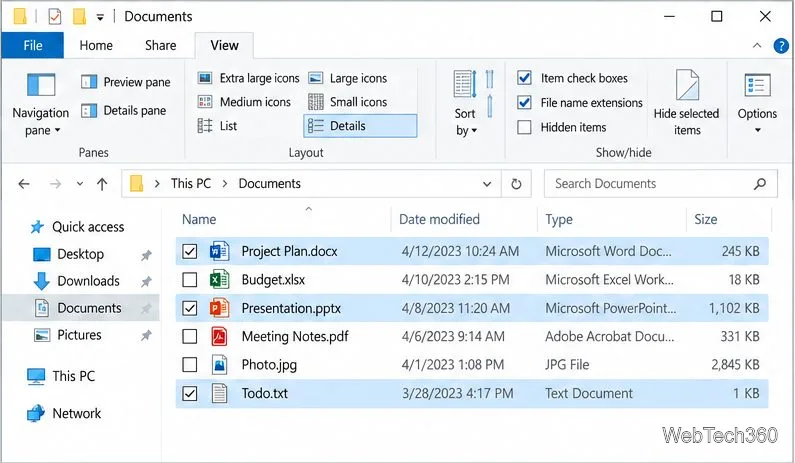
Turn off Windows 10 item check boxes in File Explorer with the View ribbon, or use Folder Options if the toggle is missing. See what changes and how to select multiple files without boxes.
Install VMware Workstation Pro on a compatible Windows Server host, from checking support and downloading the right build to creating your first VM.
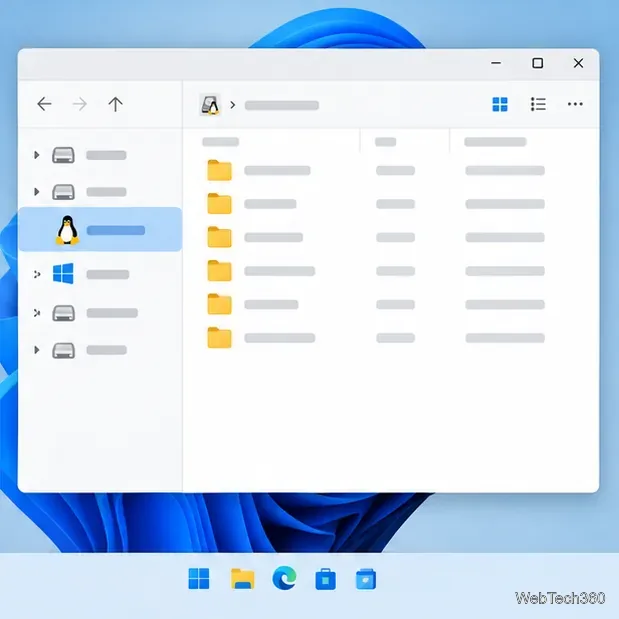
Browse and copy Ext2, Ext3, or Ext4 files on Windows with a read-only workflow. See what Linux Reader’s free edition supports and when WSL fits.
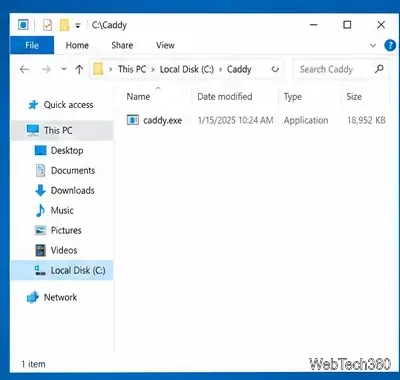
Install Caddy’s native Windows binary, serve a test site, enable automatic HTTPS for a domain, and run Caddy as a Windows Server service.
Run Linux Docker containers alongside Windows Server by creating an Ubuntu Hyper-V VM, installing Docker Engine, and publishing a test service safely.