How to Check Hard Drive Health in Windows Server
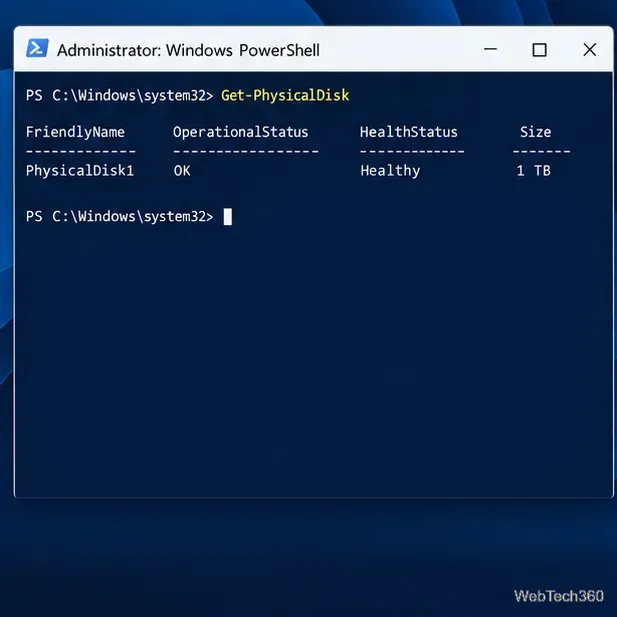
Check Windows Server disk status and reliability counters, verify SMART data when available, and separate hardware warnings from NTFS errors.
Imagine diving into your favorite game without those frustrating load screens dragging you out of the action. That's the magic of DirectStorage in Windows 11—a game-changing technology designed to make your gaming sessions smoother and more immersive than ever. If you're a PC gamer tired of waiting for assets to load, this guide is your ticket to DirectStorage for games mastery. We'll walk you through everything you need to know, from setup to optimization, so you can experience the future of gaming right now. Let's jump in and transform your rig! 🚀
DirectStorage is Microsoft's innovative API that revolutionizes how games handle data loading. Borrowed from console tech like the Xbox Series X, it bypasses the CPU bottleneck by letting your GPU directly access data from your storage drive—think NVMe SSDs. The result? Dramatically reduced load times, higher frame rates, and more detailed worlds without the stutter.
In the latest updates to Windows 11, DirectStorage has evolved to support even more titles and hardware configurations, making it accessible for a wider range of gamers. Whether you're playing AAA blockbusters or indie hits, enabling this feature can shave seconds—or even minutes—off loading screens, keeping you in the flow. No more pacing around while textures pop in; just pure, uninterrupted fun. 😎
But here's the exciting part: it's not just about speed. DirectStorage for games unlocks higher-fidelity graphics by streaming massive datasets efficiently, paving the way for next-gen experiences on your current setup. Ready to see if your system qualifies? Let's check the basics.
Before enabling Windows 11 DirectStorage, ensure your hardware meets the mark. Microsoft has streamlined requirements in recent builds, but you'll need solid specs for the best results. Here's a quick rundown:
| Component | Minimum Requirement | Recommended for Optimal Performance |
|---|---|---|
| Operating System | Windows 11 (version 22000 or later) | Latest Windows 11 build with all updates |
| Storage | DirectStorage-enabled NVMe SSD (PCIe 3.0 or 4.0) | PCIe 4.0 NVMe SSD with at least 1TB capacity |
| GPU | DirectX 12 Ultimate compatible (e.g., NVIDIA RTX 20-series or AMD RX 6000-series) | NVIDIA RTX 30/40-series or AMD RX 7000-series |
| CPU | Compatible Intel or AMD processor (8th Gen Intel or Ryzen 2000-series minimum) | Latest Intel Core or AMD Ryzen with 8+ cores |
| RAM | 16GB DDR4 | 32GB DDR5 for heavy multitasking |
Pro tip: Use the DirectX Diagnostic Tool (type "dxdiag" in the search bar) to verify your GPU supports DirectX 12 Ultimate. If your setup falls short, upgrading to an NVMe SSD is often the most impactful first step—it's affordable and transformative. Feeling pumped? Now, let's get it set up.
Enabling DirectStorage for games is straightforward, thanks to Windows 11's built-in tools. Follow these steps to activate it and start seeing benefits in supported titles like Forspoken, Ratchet & Clank: Rift Apart, and more recent releases.
That's it! Your first game load should feel noticeably snappier. If you're on a laptop, ensure your NVMe is the primary drive and plug in for power-intensive sessions. Excited to benchmark? Keep reading for pro tips to squeeze every ounce of performance.
Now that Windows 11 DirectStorage is live, let's fine-tune for peak performance. These tweaks will ensure your games run like a dream, minimizing hiccups and maximizing immersion.
For even better results, consider overclocking your NVMe (use tools like Samsung Magician) but monitor temperatures to avoid throttling. Gamers report up to 4x faster loading in benchmarks—your mileage may vary, but it's worth testing!
Running into snags? Don't worry—most DirectStorage for games problems are easy fixes. Here's how to troubleshoot:
If issues persist, communities like Reddit's r/Windows11 or the official Microsoft DirectX blog have great threads. You're almost there—smooth sailing ahead!
As more developers integrate DirectStorage, expect even wilder open worlds and seamless multiplayer. In the latest Windows 11 ecosystem, it's teaming up with Auto HDR and Variable Refresh Rate for a console-like polish on PC. Imagine loading massive environments in seconds— that's the reality now.
We've covered the essentials, but experiment with your setup to find what works best. Share your before-and-after load times in the comments below; let's build a community of speed demons! If this guide boosted your gaming, dive deeper into Windows 11 tweaks for even more wins. Game on! 🎮
Check Windows Server disk status and reliability counters, verify SMART data when available, and separate hardware warnings from NTFS errors.
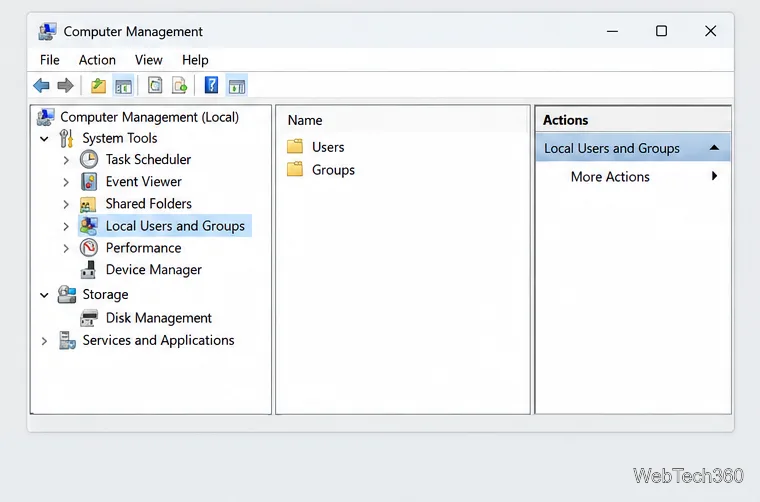
Create, grant admin rights to, disable, or remove local Windows Server users with Computer Management or PowerShell. Learn when to use Active Directory instead.
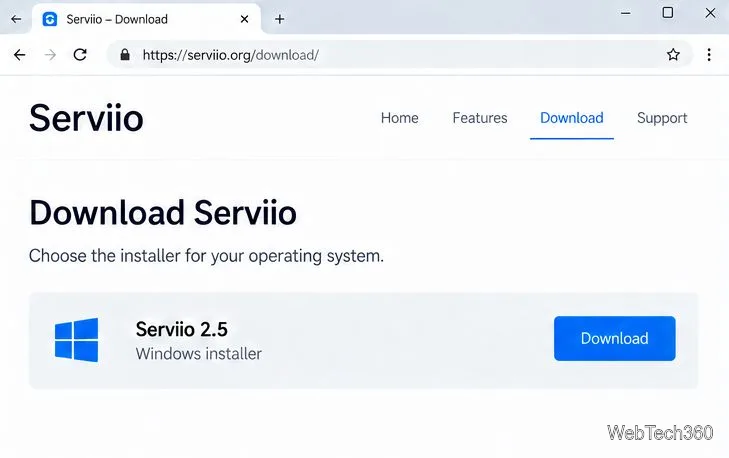
Install Serviio on Windows Server, share local or NAS media folders, and test DLNA playback. Learn how to check the Windows service, firewall, and Pro-only browser features.
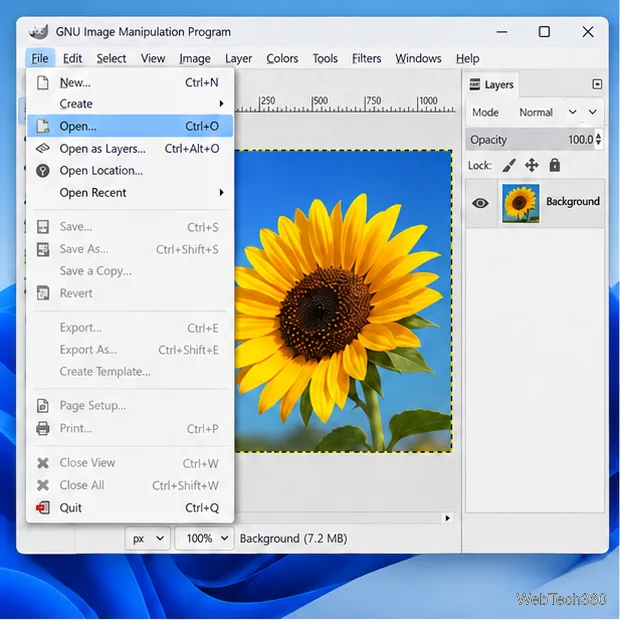
Convert PNG, JPG, or BMP files to Windows ICO with GIMP. Prepare a square image, keep transparency when needed, add standard sizes, and check the export.
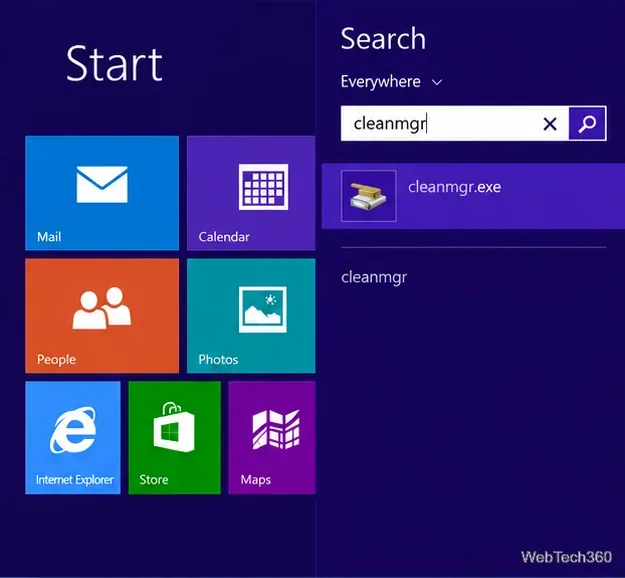
Clear thumbnail, DNS, Internet Explorer, Microsoft Store, Search, and Live Tile data with Windows 8’s built-in tools, and learn what each cleanup removes.
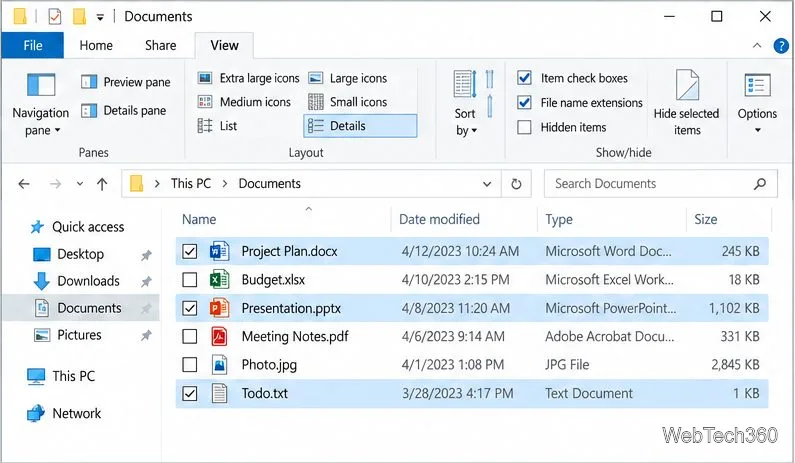
Turn off Windows 10 item check boxes in File Explorer with the View ribbon, or use Folder Options if the toggle is missing. See what changes and how to select multiple files without boxes.
Install VMware Workstation Pro on a compatible Windows Server host, from checking support and downloading the right build to creating your first VM.
Browse and copy Ext2, Ext3, or Ext4 files on Windows with a read-only workflow. See what Linux Reader’s free edition supports and when WSL fits.
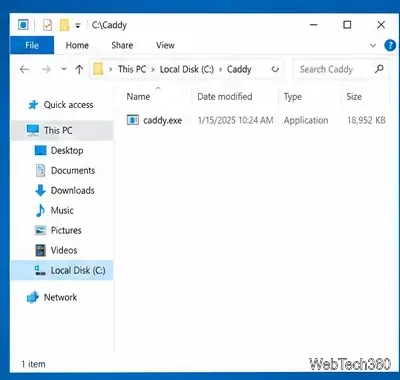
Install Caddy’s native Windows binary, serve a test site, enable automatic HTTPS for a domain, and run Caddy as a Windows Server service.
Run Linux Docker containers alongside Windows Server by creating an Ubuntu Hyper-V VM, installing Docker Engine, and publishing a test service safely.