Imagine harnessing the full might of Linux right within your Windows 11 environment—without the hassle of dual-booting or virtual machines. That's the magic of the Windows Subsystem for Linux (WSL). Whether you're a developer craving Bash scripting, a data scientist needing Ubuntu tools, or just curious about Linux, enabling WSL on Windows 11 opens up a world of possibilities. This guide walks you through the process with precision, ensuring you get it right the first time. Let's dive in and empower your workflow! 🚀
What is WSL and Why Enable It on Windows 11?
WSL, or Windows Subsystem for Linux, is Microsoft's innovative feature that lets you run a genuine Linux distribution directly on Windows. Introduced to bridge the gap between Windows and Linux ecosystems, it provides a lightweight alternative to heavy virtualization. With WSL 2—the latest and most advanced version—you get full Linux kernel support, improved file system performance, and seamless integration with Windows apps.
Why bother? For starters, it boosts productivity: run Linux commands, manage servers, or develop cross-platform apps without leaving Windows. It's perfect for web developers using Node.js on Ubuntu or Python enthusiasts testing scripts in a native environment. Plus, it's secure, efficient, and officially supported by Microsoft. Ready to enable WSL on Windows 11? We'll cover everything from prerequisites to troubleshooting, keeping things straightforward and exciting.

System Requirements for Enabling WSL on Windows 11
Before we jump into the steps, ensure your setup meets the basics. Windows 11 comes with WSL support baked in, but you'll need:
- Windows 11 (Home, Pro, or Enterprise edition—version 22000 or higher).
- At least 4GB of RAM (8GB recommended for smooth performance).
- Virtualization enabled in your BIOS/UEFI (most modern PCs have this by default).
- An internet connection for downloading Linux distributions.
Quick check: Open Settings > System > About to confirm your Windows version. If you're on an older build, update via Settings > Windows Update. No worries if you're unsure—we'll verify compatibility during setup. This ensures your WSL installation runs flawlessly, saving you headaches later. 😊
Step-by-Step Guide: How to Enable WSL on Windows 11
Enabling WSL is simpler than ever in the latest Windows 11 updates. We'll use the built-in tools for a quick, reliable install. Follow these steps, and you'll be running Linux in minutes.
Step 1: Enable the Necessary Windows Features
Start by turning on the core components. This is the foundation for Windows Subsystem for Linux.
- Right-click the Start button and select Windows Terminal (Admin) or search for PowerShell and run as administrator.
- In the elevated window, enter this command and press Enter:
dism.exe /online /enable-feature /featurename:Microsoft-Windows-Subsystem-Linux /all /norestart
- Next, enable the Virtual Machine Platform:
dism.exe /online /enable-feature /featurename:VirtualMachinePlatform /all /norestart
- Restart your PC when prompted. This prep work sets the stage for WSL 2.
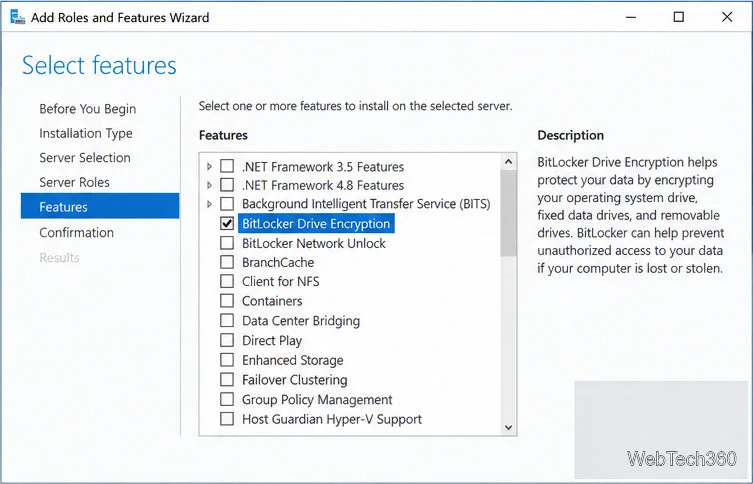
Pro tip: If you prefer the GUI, go to Settings > Apps > Optional Features > More Windows Features, and check "Windows Subsystem for Linux" and "Virtual Machine Platform." Either way, you're building a robust setup!
Step 2: Set WSL 2 as the Default Version
WSL 2 is the gold standard—faster, more compatible, and feature-rich. Make it your default to avoid version mismatches.
- Open PowerShell as administrator again.
- Run:
wsl --set-default-version 2
- Verify with:
wsl --list --verbose (it should show no distributions yet, but default is set).
This step future-proofs your WSL on Windows 11 experience. Excited? The best part is installing your first Linux distro next.
![Command line output for enabling WSL features]()
Step 3: Install a Linux Distribution
Now, grab a Linux flavor from the Microsoft Store—Ubuntu is a popular choice for beginners.
- Open the Microsoft Store app.
- Search for "Ubuntu" (or your preferred distro like Debian or Kali).
- Click Get or Install. It downloads quickly—around 500MB.
- Launch the app from the Start menu. The first run initializes the distro; set a username and password when prompted.
Voila! You're in a Linux terminal. Test it with uname -a to see the kernel in action. For command-line fans, you can also use wsl --install -d Ubuntu in PowerShell for an even faster install.
Step 4: Update and Configure WSL
To keep things fresh, update your distro and tweak settings.
- In your Linux terminal, run:
sudo apt update && sudo apt upgrade -y (for Ubuntu/Debian).
- Install extras like
sudo apt install build-essential for development tools.
- Access Windows files from Linux via
/mnt/c/, or run Windows apps from Linux with explorer.exe.
Customize further in Windows Terminal—add tabs for multiple distros or themes for a personalized touch. This integration makes enabling WSL feel like a superpower.
![Linux terminal running on Windows 11 via WSL]()
Advanced Tips for Mastering WSL on Windows 11
Once enabled, level up your WSL game. Here's a quick table of essential commands to get you started:
| Command |
Description |
Example |
wsl --list |
Lists installed distributions |
wsl -l -v for versions |
wsl --shutdown |
Stops all WSL instances |
Useful for troubleshooting |
wsl --import |
Imports a custom distro |
For advanced backups |
wsl --export |
Exports a distro for backup |
Save to tar file |
For deeper integration, enable systemd in WSL by editing /etc/wsl.conf with [boot] systemd=true, then restart. This unlocks services like Docker inside WSL. If you're into GUI apps, install an X server like VcXsrv and run Linux desktops seamlessly.
Security note: WSL runs in a lightweight VM, so it's isolated from Windows—great for testing risky code. Always keep it updated via Windows Update for the latest features and patches.
Troubleshooting Common WSL Issues on Windows 11
Stumbled upon an error? Don't sweat it—most are quick fixes. If WSL won't install, ensure virtualization is enabled: Restart into BIOS (usually Del or F2 key) and toggle Intel VT-x or AMD-V. For "WSL 2 requires an update" errors, download the latest kernel from Microsoft's official site: WSL2 Linux kernel update.
If a distro won't start, run wsl --unregister <distro-name> and reinstall. For network woes, restart the LxssManager service via services.msc. These tips keep your setup humming smoothly. 👏
Why WSL Will Transform Your Windows 11 Experience
Enabling Windows Subsystem for Linux isn't just a tech tweak—it's a gateway to hybrid computing bliss. Developers report 2-3x faster workflows, and hobbyists love experimenting without commitment. As Microsoft continues enhancing WSL with better GPU support and file sharing, the future looks brighter.
Now that you've mastered how to enable WSL on Windows 11, experiment with a project: Set up a web server in Ubuntu or clone a Git repo. The possibilities are endless. Share your wins in the comments—what will you build first? Stay tuned for more guides on optimizing your setup!

Duy Sinh 6789 -
Worked perfectly on my PC. But what if I want to install multiple distros? Any tips?
Hương KT -
I've been using WSL for months now, and it's fantastic for data analysis. This guide is perfect for beginners though
Mai Sài Gòn -
Works like a charm on my Surface Pro. Switched from VMWare to WSL and performance is insane. No more laggy virtual machines. If you're into web dev, pair it with VS Code remote-WSL extension for the ultimate setup. Thanks for the clear instructions! (58 words)
Ngọc 123 -
OMG yes! Finally fixed my Git issues by switching to Linux terminal via WSL. You're a hero
Thuý Kiều -
Love this! My experience: After install, set default distro with 'wsl --set-default Ubuntu'. Avoids confusion. Cheers! (26 words)
Kim Chi -
yay! got it working. windows 11 wsl best combo ever. thx dude 😊
Hoàng Programmer -
Tried it yesterday and succeeded first time. What about GPU support for ML? Any extra steps needed there?
Tuấn Dev -
Shared this with my team. Everyone's excited to try WSL for our projects. Great share!
Sơn Linuxer -
Finally, a no-BS guide. No ads, straight to point. Kudos! Now teaching my friends how to enable WSL. (32 words)
Lan IT -
Haha, I feel dumb for not knowing this earlier. WSL on Windows 11 is like having the best of both worlds. Loving it
Hương Đà Nẵng -
lol this guide saved my life. Tried enabling WSL manually and failed, your steps are spot on. Thumbs up! 👍
Quang vn -
Yes! Enabling WSL on Windows 11 was a breeze. Now I can code in Linux env without leaving Windows
Anh Em 88 -
Been using it for Docker containers. WSL2 integration is seamless. Highly recommend following this exactly. One small issue I faced was virtualization not enabled in BIOS, but the guide mentions checking that. Now everything flies! (62 words)
Minh Anh -
Thank you so much! As a newbie, this step-by-step was exactly what I needed. Linux power unlocked! 🚀
Thùy Linh -
Great guide! Finally got WSL running on my Windows 11 laptop without any issues. Thanks a ton
Việt Hà Nội -
Pro tip: After enabling WSL, run 'wsl --update' to get the latest kernel. Makes everything smoother
Mèo con -
Thanks man! Just followed the steps and boom, Ubuntu is up. Best thing ever for devs
Linh mèo -
Awesome tutorial! I've been struggling with Linux commands, but this made it super easy. WSL is a game-changer 🔥
Huyền Lizzie -
Super helpful! I was dual-booting before, but WSL is way better. No more rebooting headaches.
Bình DevOps -
Excellent breakdown. For those on corporate machines, make sure Hyper-V is allowed in group policy. Saved me hours of IT tickets. WSL + Windows 11 = productivity boost! (28 words)
Cún Con -
This guide is gold. Installed Kali Linux distro right after. Perfect for pentesting on Windows
Phúc IT -
Question: Does this work with Windows 11 Insider builds? Mine is throwing some errors on step 3.