How to Fix Snipping Tool Issues on Windows 11
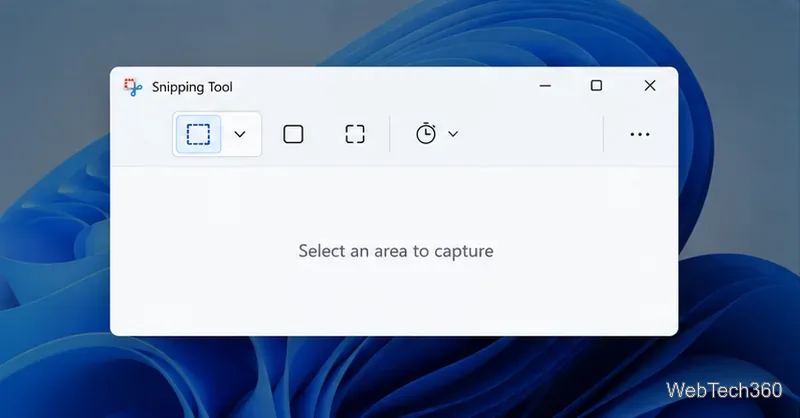
Fix common Snipping Tool problems in Windows 11 with steps to test the shortcut, update or repair the app, reinstall it, and restore missing capture notifications.
Imagine scrolling through your cherished family vacation snaps or that perfect sunset shot, only to realize they're gone—deleted by accident. Heartbreaking, right? 😔 But here's the good news: recovering deleted photos in Windows 11 is often possible with the right steps. Windows 11's robust features and reliable tools make it easier than ever to bring back your precious images. In this guide, we'll walk you through practical, up-to-date methods to restore your files without overwhelming tech jargon. Stick around, and you'll feel empowered to tackle this yourself—let's turn that frown upside down! 😊
Photos vanish for many reasons: accidental deletion, system glitches, or even malware. The key is acting fast—deleted files aren't truly erased until overwritten by new data. Windows 11's file system keeps them in limbo, giving you a window to recover deleted photos. According to Microsoft's latest documentation, tools like the Recycle Bin and File History are your first line of defense. No need for advanced skills; these built-in options work seamlessly on the newest Windows updates.
Most deleted files land in the Recycle Bin, acting as a safety net. If your photos are there, recovery is a breeze!
This method recovers photos instantly if they haven't been permanently deleted (e.g., via Shift+Delete). Pro tip: Empty the Bin less often to maximize your chances. If nothing shows up, don't worry—we've got more tricks ahead.
Windows 11's File History automatically backs up files to an external drive or network location. If enabled, it's a lifesaver for recovering deleted photos.
Enable File History now via Settings > Update & Security > Backup for future-proofing. It's intuitive and saves countless headaches. Feeling relieved already? Keep reading for when backups aren't an option.
Storage Sense in Windows 11 helps manage space but can also aid in recovery by showing recently deleted items. It's a hidden gem for quick scans.
This tool is optimized in the latest Windows 11 builds, ensuring compatibility. If your photos are deeper in the system, third-party help is next.
When built-in tools fall short, free recovery software steps in. These scan your drive for traces of deleted files. We recommend trusted options like Recuva (from Piriform) or Disk Drill—both updated for Windows 11's latest features.
| Tool | Pros | Cons | Best For |
|---|---|---|---|
| Recuva | Free, user-friendly wizard, deep scan mode | Limited preview for some files | Quick recoveries on SSDs |
| Disk Drill | Excellent photo previews, supports RAW files | Free version has size limits | Professional photographers |
| EaseUS Data Recovery Wizard Free | Up to 2GB recovery free, intuitive interface | Ads in free version | Beginners needing guidance |
Here's how to use Recuva as an example:
These tools use advanced algorithms to detect file signatures, making recover deleted photos feasible even after emptying the Recycle Bin. Always scan in read-only mode for best results.
For tech-savvy folks, the Command Prompt can uncover hidden recoverable files using chkdsk or other utilities.
chkdsk C: /f (replace C: with your drive) and hit Enter.sfc /scannow to repair system files.This isn't a direct recovery but fixes corruption that might hide your images. Microsoft's support pages confirm its reliability in current Windows 11 versions.
Recovery is great, but prevention is better. To avoid future scares:
These habits ensure your memories stay safe. For more on cloud integration, check Microsoft's guide: support.microsoft.com.
❌ Don't save new files to the affected drive— it could overwrite your photos. If software fails, professional services like those from DriveSavers can help, though they're pricier.
Success rates are high (up to 90% for recent deletions, per recovery experts), but if all else fails, remember: not every loss is permanent, but creating new memories is always possible. You've got this!
Recovering deleted photos in Windows 11 doesn't have to be a nightmare. From the simple Recycle Bin check to powerful free tools, these methods empower you to restore your digital treasures. Start with the basics and escalate as needed—your photos are worth it. Share your success story in the comments; we'd love to hear how it went! 👏 Ready to dive in? Your first step awaits.
Fix common Snipping Tool problems in Windows 11 with steps to test the shortcut, update or repair the app, reinstall it, and restore missing capture notifications.
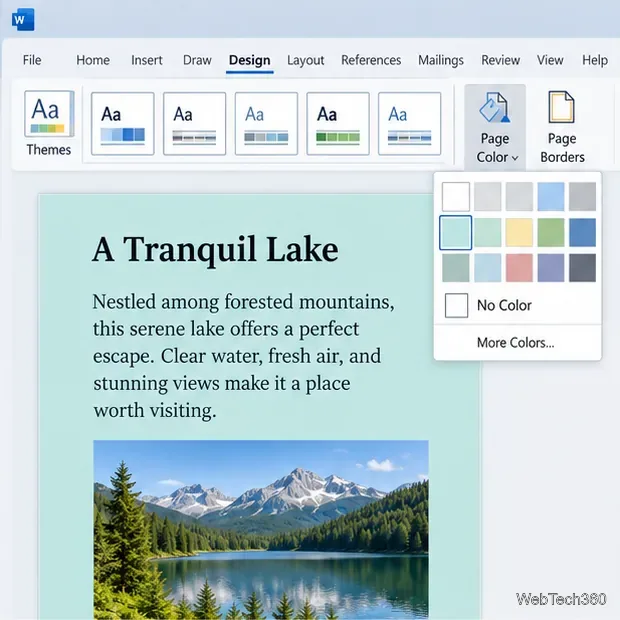
Choose a color-capable printer, enable Word’s background-print setting, and check the preview so page colors, images, and graphics print as expected.
Learn how to use WinX DVD Ripper to convert a DVD you’re entitled to copy into an MP4 file, choose the right title and destination, and troubleshoot playback problems on Windows 10 or 11.
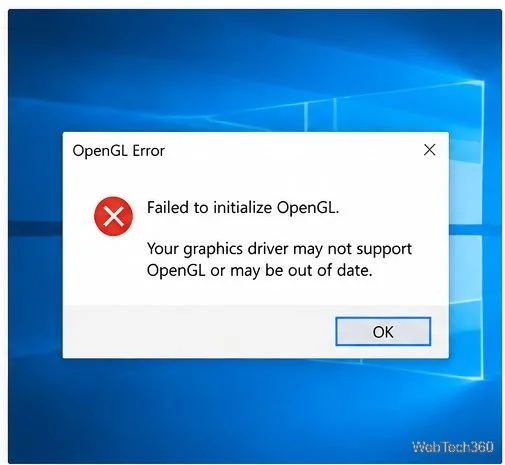
Troubleshoot OpenGL errors in Windows 10 by checking graphics drivers, repairing system files, reinstalling the affected app, and reviewing graphics settings.
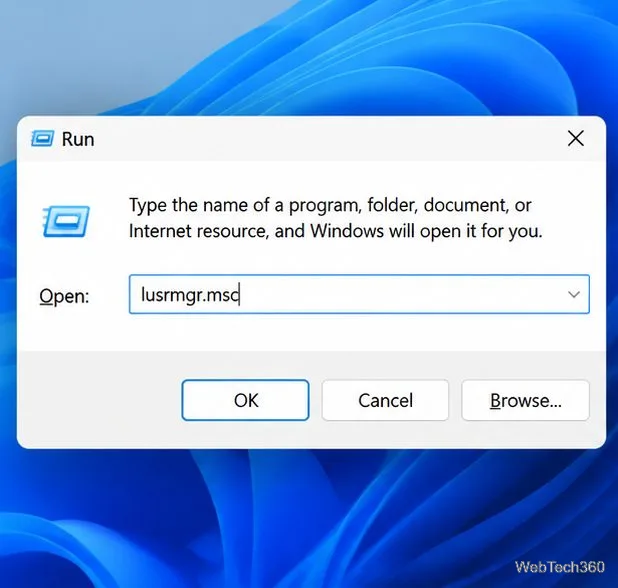
Learn when to use net user, lusrmgr.msc, and net localgroup to view, create, disable, and manage local Windows accounts safely.
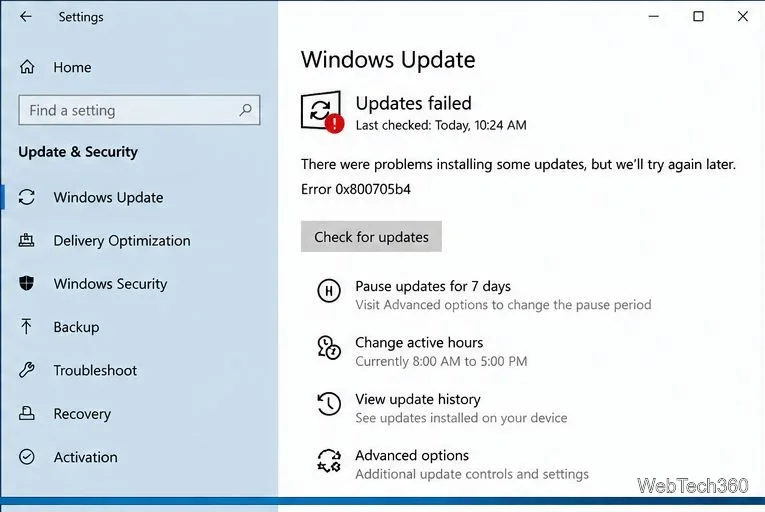
Resolve Windows Update error 0x800705b4 with practical checks for connectivity, update services, cached files, and damaged Windows system components.
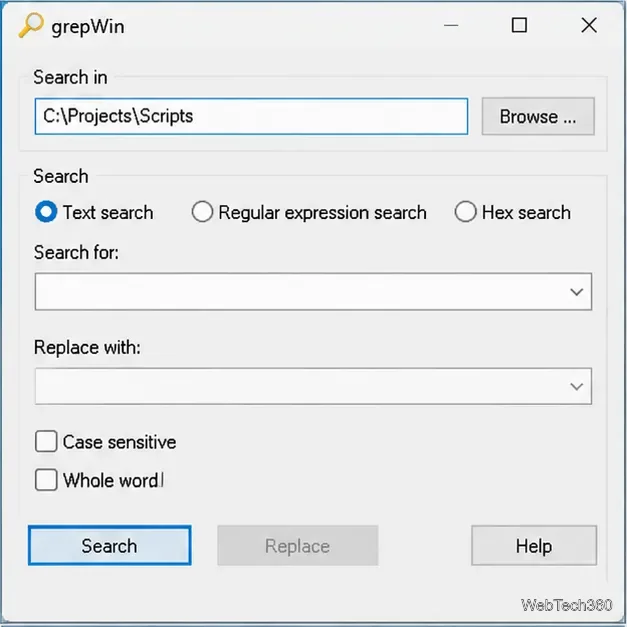
Find words or phrases across multiple text files on Windows 10 with grepWin. Learn how to choose folders, filter file types, include subfolders, and read matches safely.
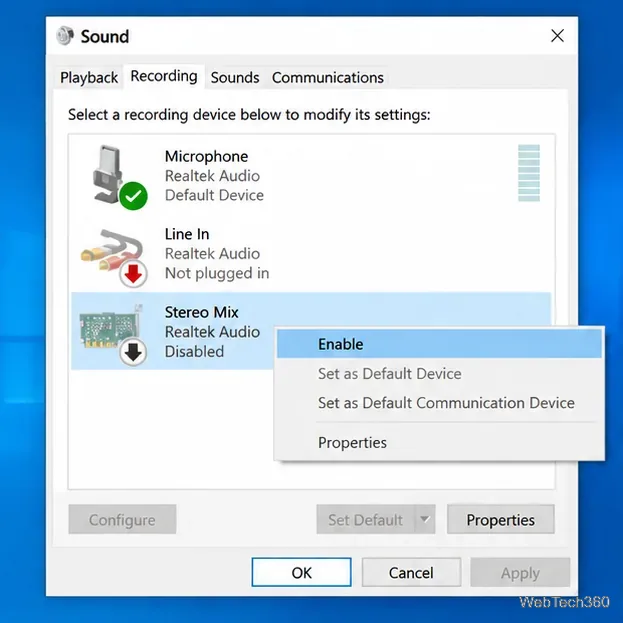
Capture your PC’s playback with FFmpeg on Windows 10. Enable Stereo Mix or use a loopback device, find its DirectShow name, and save clean audio.
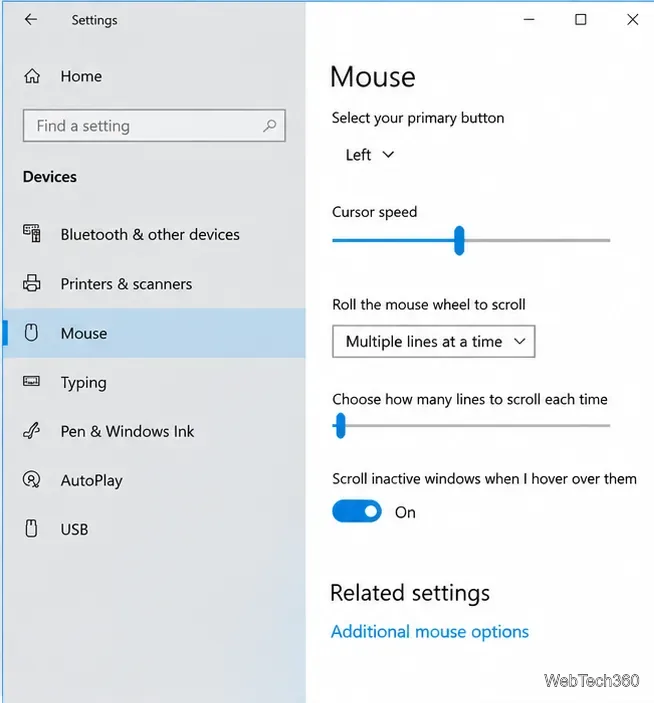
Learn how to adjust Windows 10 mouse pointer speed, change pointer precision, and set hardware DPI with a supported gaming mouse or manufacturer app.
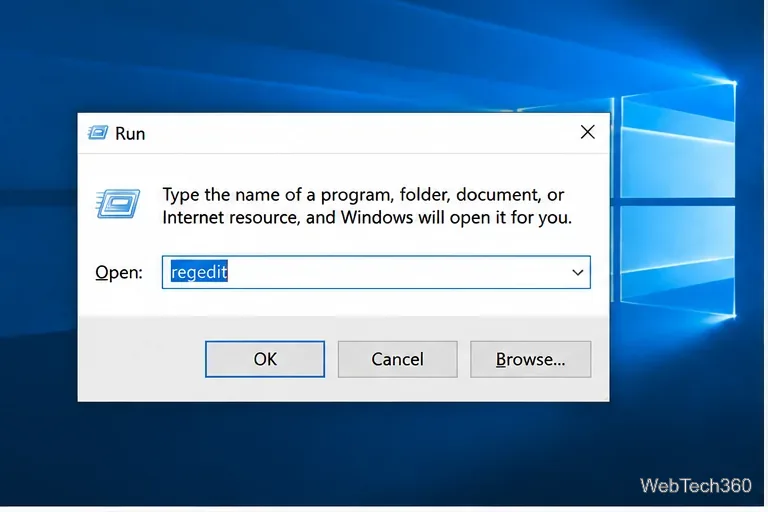
Learn what the legacy Edge blocker registry setting does, how to set it safely, and why it will not stop updates for Microsoft Edge already installed.