
How to Make a Glass Bottle in Minecraft

Learn the exact three-glass recipe, smelt sand into glass, and fill your Minecraft bottles with water for brewing.
Imagine your PC running like a well-oiled machine, tackling demanding tasks with ease and delivering buttery-smooth performance during gaming sessions or video editing marathons. That's the magic of enabling Windows 11 High Performance Mode. If you're tired of laggy responses or throttled speeds, this guide is your ticket to unleashing your system's full potential. We'll walk you through the process simply and effectively, ensuring you get the most out of your hardware without unnecessary complications. Let's dive in and supercharge your Windows 11 experience! 🚀
Windows 11 comes packed with smart power management features designed to balance efficiency and performance. By default, it often opts for a "Balanced" plan to save energy, which is great for laptops but can hold back desktops or high-end rigs. Switching to High Performance Mode tells your system to prioritize speed over power savings, keeping your CPU and GPU at maximum clocks for intensive workloads.
The benefits are game-changing: faster boot times, seamless multitasking, and enhanced graphics rendering. Whether you're a gamer chasing higher frame rates or a creator needing quick exports, this mode ensures nothing holds you back. Plus, it's reversible if you need to dial it back for battery life. Ready to feel the difference? Follow our straightforward steps below.
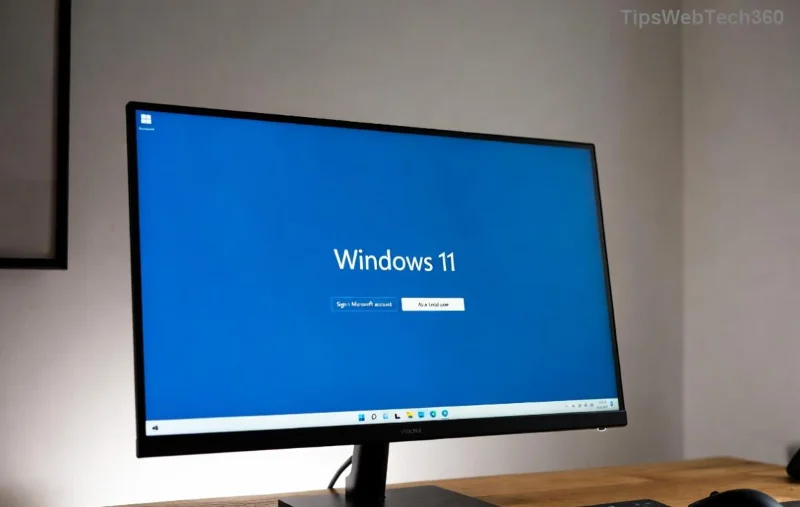
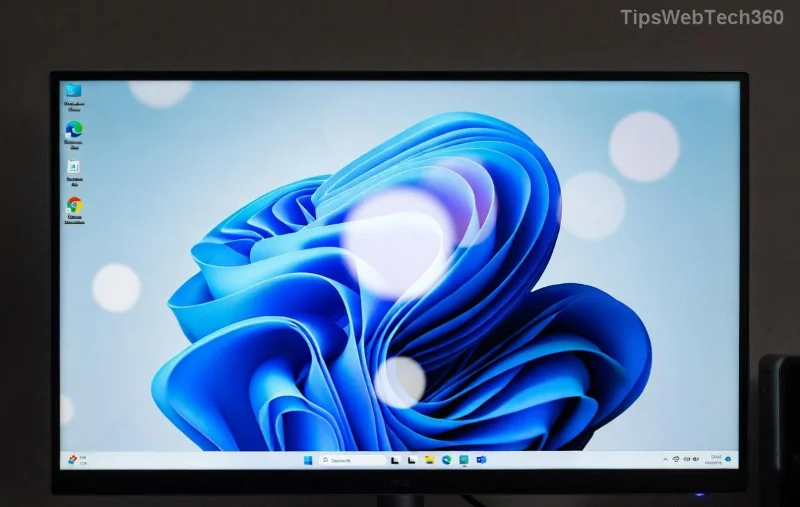
Enabling High Performance Mode in Windows 11 is a breeze—no advanced tech skills required. We'll cover the primary method via Settings, plus alternatives for power users. Let's get started!
This is the most user-friendly way to access and activate High Performance Mode. It works on all Windows 11 editions, including Home and Pro.
Pro Tip: If High Performance doesn't appear, it's likely because Windows 11 hides it on some systems to promote energy efficiency. No sweat—jump to Method 2 for a deeper dive.
Sometimes, the modern Settings app keeps things too streamlined. The classic Control Panel offers more visibility into power plans, making it perfect for enabling Windows 11 High Performance Mode when it's not immediately available.
This method ensures you see all available plans, including the elusive High Performance Mode. It's especially handy on newer Windows 11 updates where Microsoft emphasizes balanced defaults.
If you love command-line efficiency, powercfg commands can enable High Performance Mode in seconds. This is ideal for scripting or remote setups.
powercfg /list and press Enter. Note the GUID for High Performance (it looks like a long string starting with something like 8c5e7fda...).powercfg /setactive [GUID], replacing [GUID] with the High Performance one. For example: powercfg /setactive 8c5e7fda-e8bf-4a96-9c85-a6e23a351c68.Bonus: To make High Performance the default, use powercfg /setactive [GUID] after every boot via Task Scheduler. This keeps your system primed for peak performance.
Enabling the mode is just the start—tweak it to match your needs. In the Advanced Power Settings (from Method 2), adjust:
These adjustments can shave seconds off load times and boost FPS in games. Always test with tools like Cinebench or UserBenchmark to measure gains—expect 10-20% improvements in CPU-bound tasks.
While enabling Windows 11 High Performance Mode is straightforward, watch out for these snags:
| Issue | Solution |
|---|---|
| Mode Not Available | Update Windows 11 via Settings > Windows Update. If still missing, use Command Prompt method. |
| Increased Heat/Fan Noise | Ensure good airflow and update BIOS/drivers. Consider undervolting for efficiency. |
| No Noticeable Boost | Check for background apps via Task Manager. Optimize storage with Disk Cleanup. |
| Laptop Battery Drain | Switch modes based on power source—use Balanced on battery. |
Avoiding these keeps your setup running cool and efficient. If issues persist, consult Microsoft's official support for tailored advice.
With High Performance Mode active, amplify your gains:
These steps ensure Windows 11 High Performance Mode shines, turning your PC into a powerhouse. Feeling the speed yet? Stick around for our final thoughts.
Changed your mind? Switch back to Balanced anytime via the same menus. For deeper issues, run the System File Checker with sfc /scannow in admin Command Prompt. If you're on the latest Windows 11 builds, these features are more refined than ever, supporting modern hardware like Intel's 14th-gen or AMD's Ryzen 7000 series seamlessly.
For official guidance, check Microsoft's power management docs.
Enabling Windows 11 High Performance Mode is a simple yet transformative step that can revitalize your computing experience. From lag-free workflows to immersive gaming, the boost is palpable and rewarding. We've covered everything from basics to pro tips, so you're equipped to optimize without hassle. Now, go ahead—flip that switch and watch your system soar! If you have questions, drop a comment below. Happy computing! 🎉
Learn the exact three-glass recipe, smelt sand into glass, and fill your Minecraft bottles with water for brewing.
Control who can join, see channels, and find your Discord server with role permissions, invite links, and Discovery settings.
Create a Discord server in the desktop app or browser, organize channels, set permissions and safety tools, then share an invite that fits your group.
Build a renewable lava farm with pointed dripstone, one lava source, and a cauldron. Follow the setup, collection steps, and fixes for a cauldron that will not fill.
Fix a Minecraft skin that will not load by checking Bedrock Dressing Room, your Microsoft account, Marketplace downloads, updates, and Java skin settings.
Minecraft language options differ between Java and Bedrock. See common languages, why old counts are unreliable, and where to check your edition.
Plan a practical Minecraft survival base with the essentials for safety, food, storage, and crafting, plus useful upgrades to add as your world grows.
Update Minecraft on Nintendo Switch from the HOME Menu, enable automatic updates, and troubleshoot when the console cannot find or install one.
Learn the official ways to get Minecoins in Minecraft, redeem a prepaid code, spend coins on Marketplace content, and fix a missing balance.
Learn how to add Jira users to team-managed and company-managed projects, assign the right role, and share a board’s saved filter safely.



Phương SEA -
Game-changer for sure. I was on balanced mode forever, thinking it was hardware issue. Switched to High Performance via settings and regedit tweak you mentioned—now multitasking with Chrome tabs + Zoom + code editor is buttery smooth. No crashes either. If you're on laptop, get a cooling pad too. 10/10 guide
Tuấn 2000 -
haha windows power options hidden deeper than my socks. nice find
Huyền Lizzie -
Awesome, thanks! My work apps run smoother now
Bé Gấu -
Sharing this article everywhere. Friends need it!
Kiên Gaming -
Thanks author! Cyberpunk runs at ultra now. You're a legend 🙌
Hương Đà Nẵng -
Yes!! Been searching for this. Enabled it and Photoshop loads in seconds. So happy 😍
Duy Sinh 6789 -
Finally a simple guide! I was struggling with low power on my desktop for months. Followed this, switched to High Performance power plan via command prompt too for extra speed. Benchmarks show 15-20% boost in CPU tasks. Will share with my tech group. Thumbs up
Hương KT -
This is gold. Also, pair it with disabling background apps for max gains. My Excel sheets process data twice as fast now. Highly recommend for office workers too, not just gamers
Mèo con -
Tried it step by step, games like Valorant hit 200fps easy. Battery drains faster but worth it for gaming sessions
Linh mèo -
lol my pc was sleeping like a baby, now it's wide awake in beast mode 😂 High Performance ftw
Minh Anh -
Does this work on all Windows 11 versions? Mine is 23H2, worried about compatibility.
Lan IT -
I followed your steps exactly on my Dell laptop running Windows 11 Pro. Performance skyrocketed during video editing in Premiere Pro—render times cut in half! But yeah, plugged in always now cuz battery life sucks in this mode. Best fix for sluggish systems tho. Everyone should try it
Thùy Linh -
Great tutorial! I just enabled High Performance mode on my Windows 11 laptop and it's flying now. No more lag in videos or browsing. Thanks a ton
Việt Hà Nội -
Pro tip: Use HWMonitor to check temps after enabling. Don't want overheating.
Nam Pro -
As an IT guy, I approve. Quick and effective way to unlock Windows 11 full potential.
Phúc IT -
Worked perfectly. Cinebench score up 25%. thx dude
Quang vn -
Any tips for similar on Windows 10? Or overclocking safely