How to Set Up an Email Signature in Outlook.com
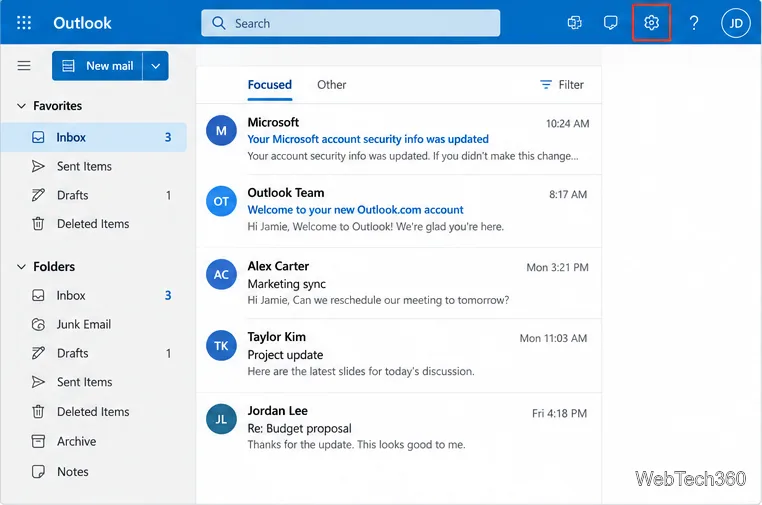
Create a reusable Outlook.com email signature, choose when it appears automatically, and insert it manually when you need a different sign-off.
Is your Windows 11 PC feeling sluggish despite its hardware potential? You're not alone. Many users face issues with the Ultimate Performance Plan, a hidden gem designed to squeeze every ounce of power from your system. This power plan prioritizes raw performance over energy savings, ideal for gamers, creators, and power users. But when it's missing, corrupted, or not working right, your device can't reach its full speed.
In this guide, we'll dive straight into practical, up-to-date solutions for 2026's latest Windows 11 builds. No fluff—just actionable steps to fix Windows 11 Ultimate Performance Plan problems and get your PC roaring back to life. Let's turn frustration into triumph! 🚀
The Ultimate Performance Plan is Microsoft's high-octane power setting, introduced to rival enterprise-level tweaks. It disables minor power-saving features that can throttle CPU and GPU performance, ensuring consistent high speeds for demanding tasks like video editing or 3D rendering.
However, in recent Windows 11 updates, users report these glitches:
These issues can stem from incomplete updates, registry errors, or even OEM customizations on laptops. The good news? Fixing them is straightforward and can boost your system's responsiveness by up to 20-30% in benchmarks. Ready to reclaim that power? Let's start with the basics.

Often, the plan is hidden by default on consumer editions of Windows 11. Enabling it via Command Prompt is a quick win—no restarts needed initially.
powercfg -duplicatescheme e9a42b02-d5df-448d-aa00-03f14749eb61. This duplicates the Ultimate scheme into your visible options.Pro tip: If the command fails, ensure your Windows 11 is fully updated via Settings > Windows Update. This fix works on builds up to the latest 2026 releases, including those with enhanced power management.
"Switching to Ultimate Performance felt like upgrading my hardware—games load faster, and renders finish in half the time!" – User testimonial from Microsoft forums.
If the plan is visible but not delivering, corruption might be the culprit. We'll reset and verify it step by step.
powercfg /list. Look for the GUID starting with e9a42b02 (that's Ultimate).powercfg -restoredefaultschemes. This resets all plans without affecting your files.For deeper issues, use the built-in troubleshooter: Settings > System > Troubleshoot > Other troubleshooters > Power. Run it to auto-detect and fix plan conflicts.
If basic steps fall short, time for precision tools. Always back up your registry first (search "regedit" > File > Export).
| Issue | Solution | Command/Tool |
|---|---|---|
| Registry Missing Keys | Add Ultimate scheme manually | Run: reg add "HKLM\SYSTEM\CurrentControlSet\Control\Power\User\PowerSchemes\e9a42b02-d5df-448d-aa00-03f14749eb61" /v FriendlyName /t REG_SZ /d "Ultimate Performance" /f |
| Driver Conflicts | Update chipset/power drivers | Visit Microsoft's driver page or your OEM site (e.g., Dell, HP). |
| SFC Scan Needed | Repair system files | Run: sfc /scannow followed by DISM /Online /Cleanup-Image /RestoreHealth |
These tweaks are safe for 2026's Windows 11, but if you're on an ARM-based device like Surface Pro, note that Ultimate might behave differently due to power limits. For laptops, balance with battery life by creating a custom plan: Duplicate Ultimate in Power Options and tweak sleep settings.
Feeling empowered yet? These fixes not only resolve issues but also teach you to maintain peak performance long-term. Keep reading for prevention tips! 💡
To avoid recurring headaches, adopt these habits:
For gamers, pair Ultimate with NVIDIA/AMD control panels to disable power throttling in games. Creators, integrate it with tools like Adobe Premiere for smoother workflows.
Fixing the Windows 11 Ultimate Performance Plan isn't just a tech tweak—it's about unleashing the beast within your machine. With these steps, you'll notice snappier multitasking, faster boots, and that satisfying hum of efficiency. If issues persist, consider a clean install or consult Microsoft's support at support.microsoft.com.
Have you tried these fixes? Share your success in the comments below—we love hearing how you optimized your setup! Your PC deserves this upgrade. 🎉
Create a reusable Outlook.com email signature, choose when it appears automatically, and insert it manually when you need a different sign-off.
Open Command Prompt with Start search, Run, File Explorer, or Windows Terminal. See how to launch it as an administrator and find it on older PCs.
Set up a Nextcloud sync server on Windows Server with the AIO virtual machine, VirtualBox, bridged networking, domain, HTTPS, and backup guidance.
Learn how to create, link, configure, and verify a Windows Server Group Policy Object with a pilot OU, a wallpaper example, and troubleshooting checks.
Learn how Windows 7 Disk Cleanup, Disk Defragmenter, System Restore, and built-in troubleshooters handle common maintenance tasks, with important safety limits.
Speed up a Windows 7 PC by finding bottlenecks, reducing startup load, clearing disk space, adjusting visual effects, and upgrading wisely.
Set up Configuration Manager as a standalone primary site with supported Windows Server, SQL Server, evaluation media, and current setup prerequisites.
Host GitLab Self-Managed on Windows Server by running Ubuntu Server in Hyper-V, then configure its network, HTTPS address, first login, and backups.
Install Abyss Web Server X1 on Windows Server, create the console login, publish a test page, and configure the service to start at boot.
Install SharePoint Server Subscription Edition on Windows Server with current hardware, SQL, prerequisite, setup, and farm-configuration guidance.