How to Make a Glass Bottle in Minecraft
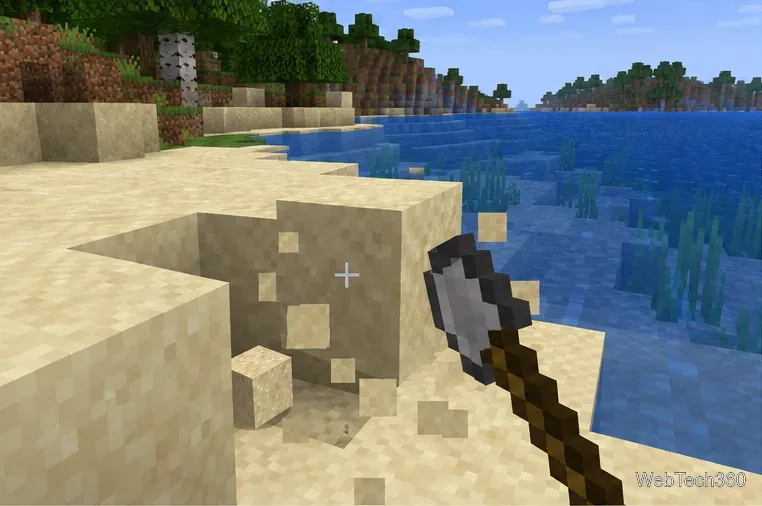
Learn the exact three-glass recipe, smelt sand into glass, and fill your Minecraft bottles with water for brewing.
Ever found yourself in the middle of an important task, only for your Windows 11 screen to go black and lock unexpectedly? 😩 It's frustrating, right? The Windows 11 screen timeout is designed to save power and enhance security, but it can disrupt your workflow if not tuned properly. The good news? Adjusting these settings is straightforward and quick. In this guide, we'll walk you through exactly how to change Windows 11 screen timeout settings, whether for your desktop, laptop, or tablet. By the end, you'll have full control over when your screen dims or locks, keeping you productive and your device efficient. Let's dive in!
Before we get to the steps, let's quickly cover the benefits. Customizing your screen timeout Windows 11 helps in several ways:
With Windows 11's latest updates, these options are more intuitive than ever, supporting everything from quick tweaks to advanced power plans. Ready to take charge? We'll start with the easiest method using Settings.
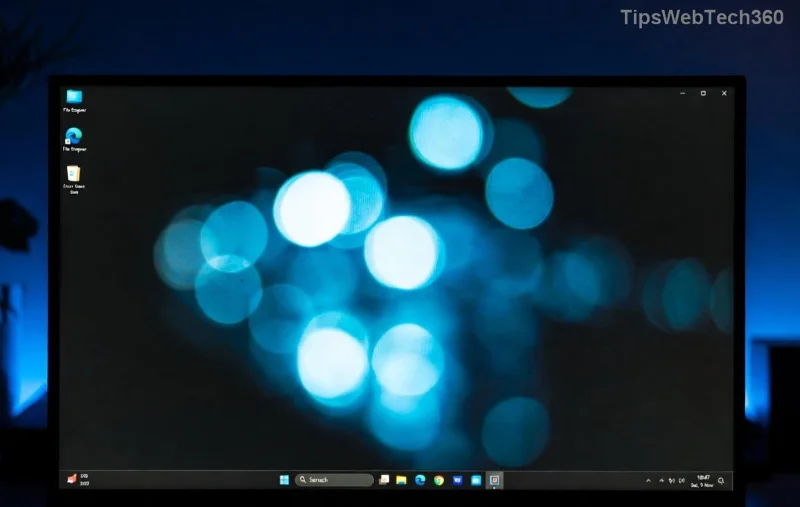
This is the go-to way to adjust screen timeout in Windows 11 without diving into advanced tools. It takes under 2 minutes and works on all editions, including Home and Pro. Follow these steps:
Pro Tip: If you're on a tablet or 2-in-1 device, these settings also affect touch interactions. For even more control, toggle the "Screen and sleep" options to match your daily routine—like shorter timeouts during meetings to save juice.
If you need deeper customization, like creating custom power plans, the Control Panel is your best friend. This method is perfect for power users who want to change Windows 11 screen timeout across multiple scenarios. It's still user-friendly and leverages Windows 11's robust power management.
This approach shines if you switch between work and home setups. For instance, set a longer screen timeout at your desk and shorter on the road. It's like giving your PC a personalized schedule! 🌟
Don't forget the screen saver timeout—it's a related setting that kicks in before your screen fully turns off, displaying fun visuals while protecting your display from burn-in. Adjusting it ensures a smooth transition.
Fun fact: Windows 11's screen savers are lighter on resources, so you won't notice a performance hit. It's a small tweak that adds personality to your setup! 😊
Sometimes, settings don't stick or behave oddly. Here's how to fix them quickly, keeping your experience frustration-free:
| Issue | Solution | Quick Tip |
|---|---|---|
| Screen turns off too soon despite changes | Check for group policy overrides: Search "gpedit.msc," navigate to Computer Configuration > Administrative Templates > System > Power Management > Video and Display Settings, and disable any restrictions. | Restart after changes for instant effect. |
| No power options visible | Update your graphics drivers via Device Manager or Windows Update. Outdated drivers can hide settings. | Use Microsoft's driver update guide for safety. |
| Laptop ignores battery settings | Run the Power Troubleshooter: Settings > System > Troubleshoot > Other troubleshooters > Power. | Calibrate your battery monthly for accuracy. |
| Screen saver won't activate | Ensure "When I close the lid" is set to Sleep or Do nothing in Power Options, as it can override savers. | Test in a quiet environment to isolate apps interfering. |
These fixes cover 90% of glitches, based on common user reports. If issues persist, a quick system reset via Settings > System > Recovery can restore defaults without losing files.
To get the most out of your adjustments, consider these tips:
By fine-tuning your Windows 11 screen timeout, you're not just fixing a minor annoyance—you're optimizing your entire digital life. Imagine seamless sessions without the black screen blues! If you have a multi-monitor setup or specific hardware, these tweaks will make a world of difference.
Congratulations—you're now equipped to change Windows 11 screen timeout like a pro! Whether you're extending work hours or conserving energy, these steps empower you to make your PC work for you. Experiment with the settings, and you'll find the perfect balance. Got questions or a unique setup? Drop a comment below—we'd love to hear how it goes. Stay productive! 🚀
For more Windows 11 tips, explore related guides on power management and customization. Your feedback helps us improve, so share your wins!
Learn the exact three-glass recipe, smelt sand into glass, and fill your Minecraft bottles with water for brewing.
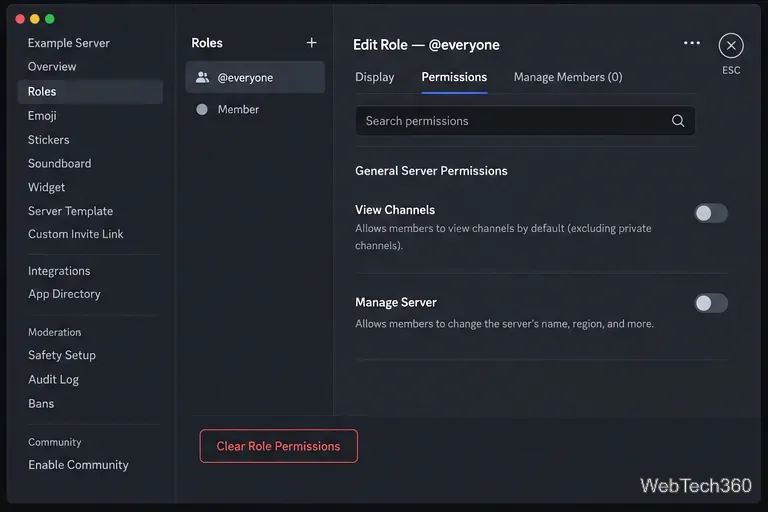
Control who can join, see channels, and find your Discord server with role permissions, invite links, and Discovery settings.
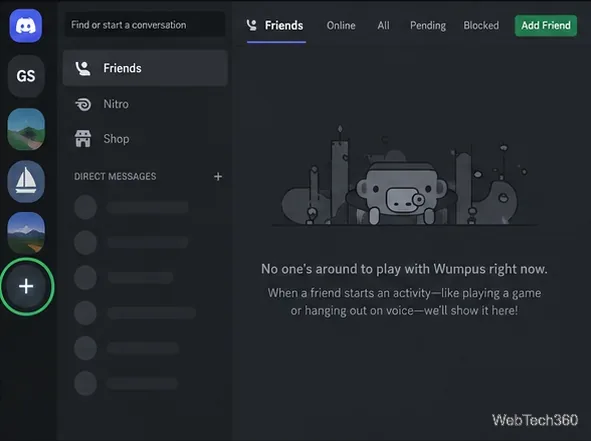
Create a Discord server in the desktop app or browser, organize channels, set permissions and safety tools, then share an invite that fits your group.
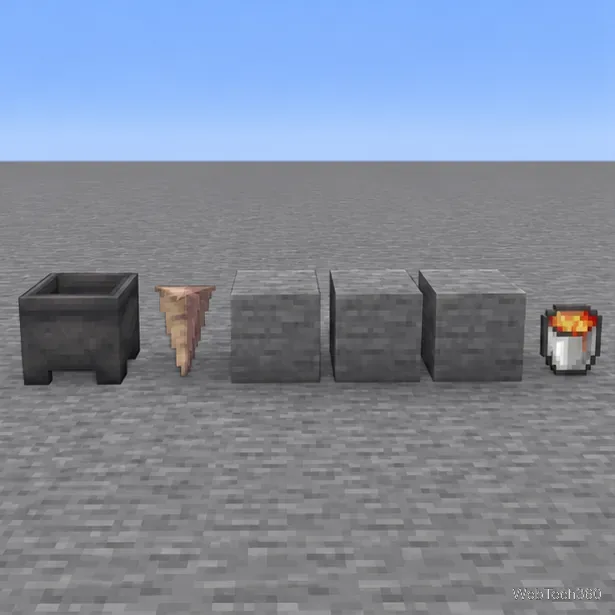
Build a renewable lava farm with pointed dripstone, one lava source, and a cauldron. Follow the setup, collection steps, and fixes for a cauldron that will not fill.
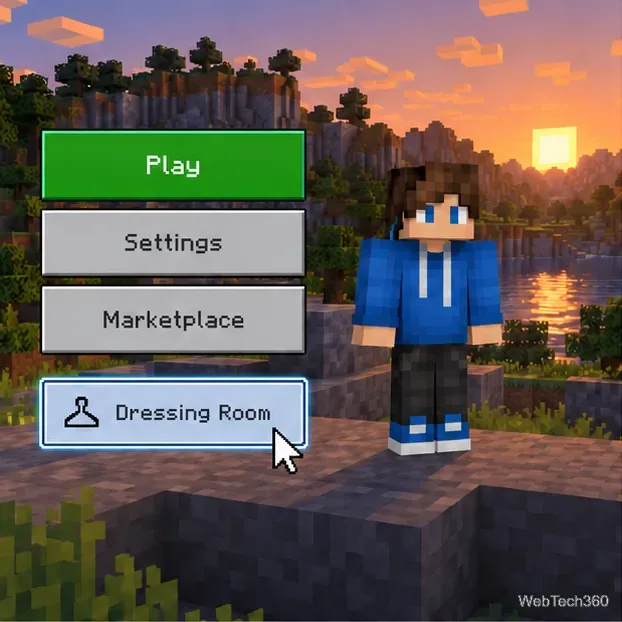
Fix a Minecraft skin that will not load by checking Bedrock Dressing Room, your Microsoft account, Marketplace downloads, updates, and Java skin settings.
Minecraft language options differ between Java and Bedrock. See common languages, why old counts are unreliable, and where to check your edition.
Plan a practical Minecraft survival base with the essentials for safety, food, storage, and crafting, plus useful upgrades to add as your world grows.
Update Minecraft on Nintendo Switch from the HOME Menu, enable automatic updates, and troubleshoot when the console cannot find or install one.
Learn the official ways to get Minecoins in Minecraft, redeem a prepaid code, spend coins on Marketplace content, and fix a missing balance.
Learn how to add Jira users to team-managed and company-managed projects, assign the right role, and share a board’s saved filter safely.