How to Fix Snipping Tool Issues on Windows 11
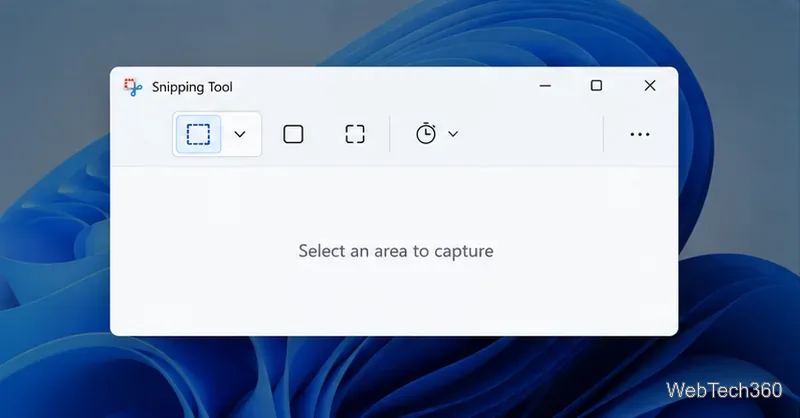
Fix common Snipping Tool problems in Windows 11 with steps to test the shortcut, update or repair the app, reinstall it, and restore missing capture notifications.
Imagine launching your favorite apps, files, or websites with a single click right from your desktop—no more digging through menus or search bars. If you're diving into Windows 11, setting up desktop shortcuts pro is a game-changer for streamlining your workflow. This guide will walk you through how to setup Windows 11 desktop shortcuts pro, from basics to advanced customizations, ensuring you feel empowered and excited about your optimized setup. Whether you're a busy professional or a tech enthusiast, these steps will save you time and reduce frustration.
Desktop shortcuts aren't just relics from older Windows versions; in the latest Windows 11 updates, they've evolved into powerful tools for quick access. Think of them as your personal launchpad—customizable icons that open apps, folders, or even specific documents instantly. Pro users love them for boosting productivity, especially with Windows 11's Snap Layouts and multitasking features. Plus, they're lightweight and don't clutter your taskbar. Ready to transform your desktop? Let's dive in! 😊
Setting up desktop shortcuts in Windows 11 is straightforward, but we'll focus on pro techniques to make them shine. Follow these steps to create your first shortcut—it's easier than you think!
That's it for basics! Test it by double-clicking—your app or site should launch instantly. Feeling the efficiency boost already? Keep reading for pro-level enhancements that take your setup to the next level.
Now that you've nailed the fundamentals, let's elevate your game with pro customizations. These tips leverage the newest Windows 11 features for shortcuts that do more than just open things—they can run commands, pin dynamically, and integrate with your workflow.
Pro tip: Organize your shortcuts into themed folders on the desktop. Right-click > New > Folder, then drag shortcuts inside. Rename folders like "Work Tools" or "Media Hub" for a clutter-free vibe. Your desktop will look sleek and professional.
A great setup is nothing without maintenance. Here's how to keep your desktop shortcuts pro tidy and efficient in Windows 11.
| Task | Steps | Pro Benefit |
|---|---|---|
| Sort Shortcuts | Right-click desktop > Sort by > Name or Size | Quick visual organization for daily use |
| Delete Unused | Right-click > Delete; empty Recycle Bin | Frees up space and reduces visual noise |
| Backup Shortcuts | Copy .lnk files to a cloud folder (e.g., OneDrive) | Easy restore if you switch PCs |
| Group with Subfolders | Create folders and nest shortcuts | Scalable for 50+ shortcuts without chaos |
This table is your quick-reference cheat sheet. Use it to maintain a setup that grows with you—imagine never losing track of your most-used tools again! 🚀
Even pros hit snags. If a shortcut won't open, check the Target path for typos—Windows 11 is picky about permissions. For broken links after updates, recreate them or use the Resolve Shortcut option in Properties. If icons go generic, refresh via F5 or restart Explorer (Task Manager > Restart explorer.exe). Stuck? Microsoft’s official support has you covered: Learn more from Microsoft.
These fixes keep your Windows 11 desktop shortcuts pro running smoothly, so you stay in the productivity zone.
Want to go beyond? Try third-party tools like AutoHotkey for scripted shortcuts that automate tasks (download from their official site). Or, integrate with Windows 11's Copilot for AI-assisted shortcut creation—ask it to generate paths! These hacks make your desktop feel futuristic and tailored just for you.
As you implement these steps, you'll notice how how to setup Windows 11 desktop shortcuts pro isn't just technical—it's liberating. Your workflow will hum with efficiency, leaving more time for what you love. Experiment, tweak, and share your custom setups in the comments below. What's your go-to shortcut? Let's keep the conversation going! 👏
Fix common Snipping Tool problems in Windows 11 with steps to test the shortcut, update or repair the app, reinstall it, and restore missing capture notifications.
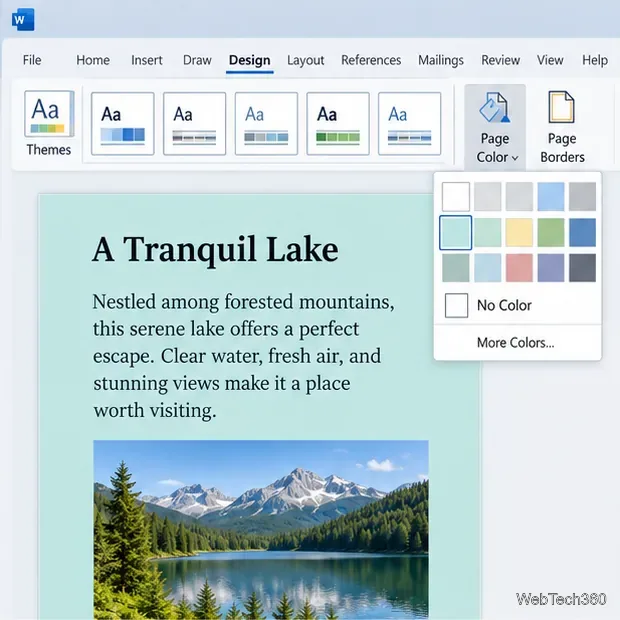
Choose a color-capable printer, enable Word’s background-print setting, and check the preview so page colors, images, and graphics print as expected.
Learn how to use WinX DVD Ripper to convert a DVD you’re entitled to copy into an MP4 file, choose the right title and destination, and troubleshoot playback problems on Windows 10 or 11.
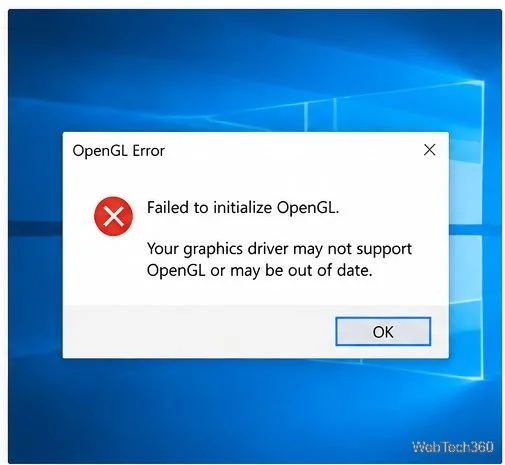
Troubleshoot OpenGL errors in Windows 10 by checking graphics drivers, repairing system files, reinstalling the affected app, and reviewing graphics settings.
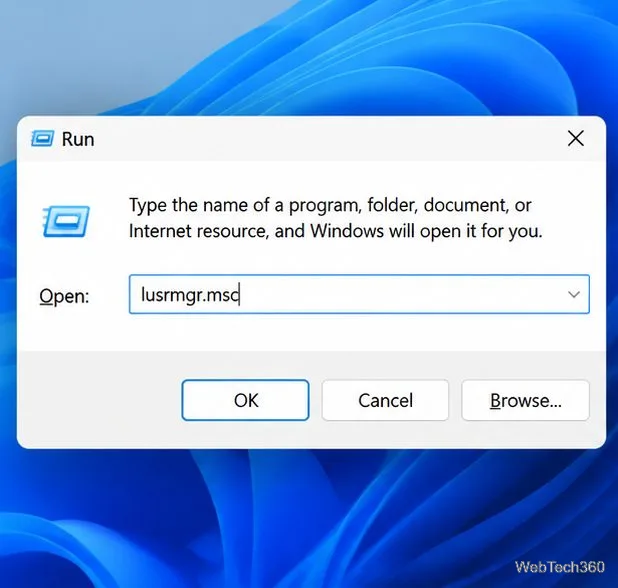
Learn when to use net user, lusrmgr.msc, and net localgroup to view, create, disable, and manage local Windows accounts safely.
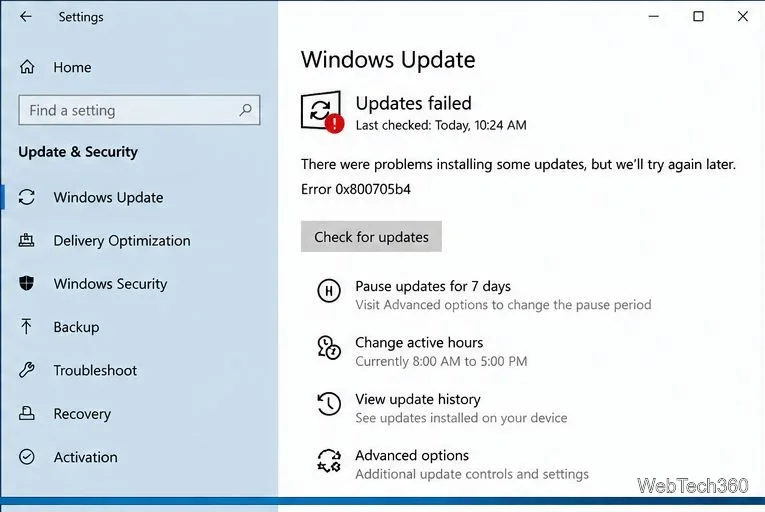
Resolve Windows Update error 0x800705b4 with practical checks for connectivity, update services, cached files, and damaged Windows system components.
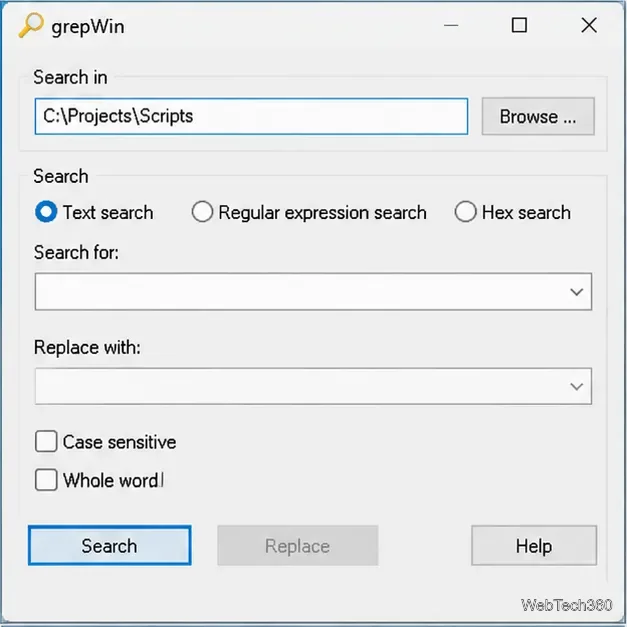
Find words or phrases across multiple text files on Windows 10 with grepWin. Learn how to choose folders, filter file types, include subfolders, and read matches safely.
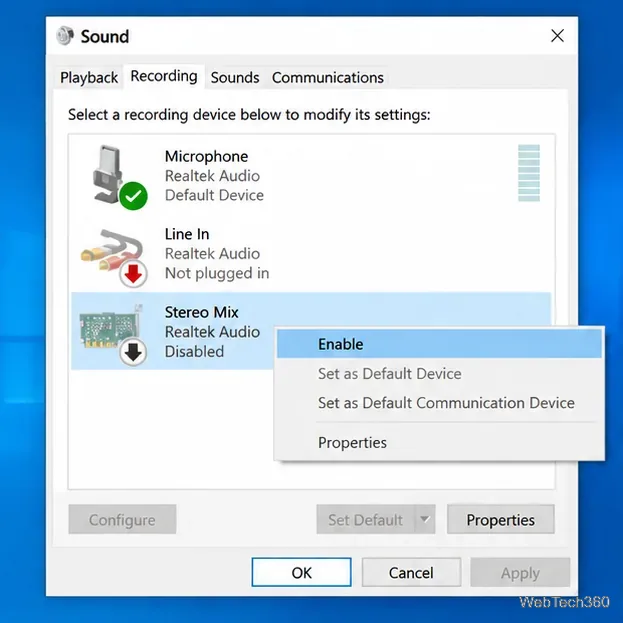
Capture your PC’s playback with FFmpeg on Windows 10. Enable Stereo Mix or use a loopback device, find its DirectShow name, and save clean audio.
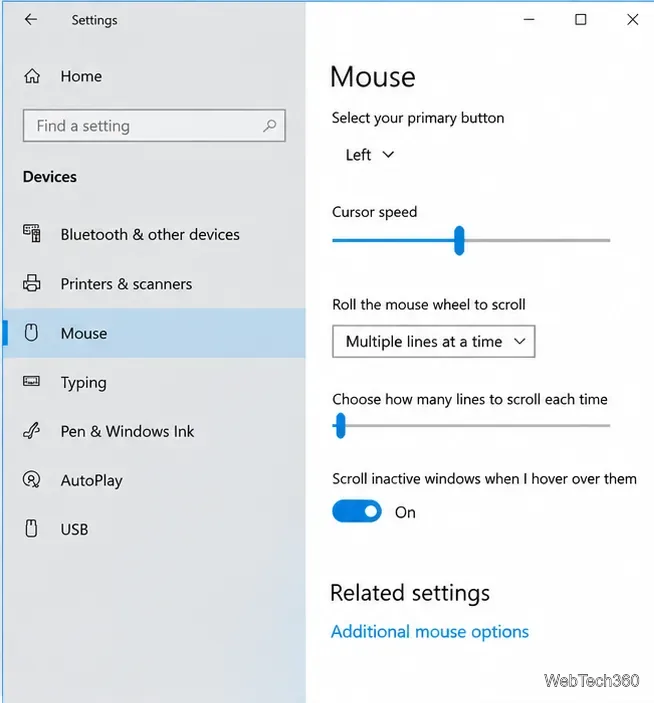
Learn how to adjust Windows 10 mouse pointer speed, change pointer precision, and set hardware DPI with a supported gaming mouse or manufacturer app.
Learn what the legacy Edge blocker registry setting does, how to set it safely, and why it will not stop updates for Microsoft Edge already installed.