How to Fix Snipping Tool Issues on Windows 11
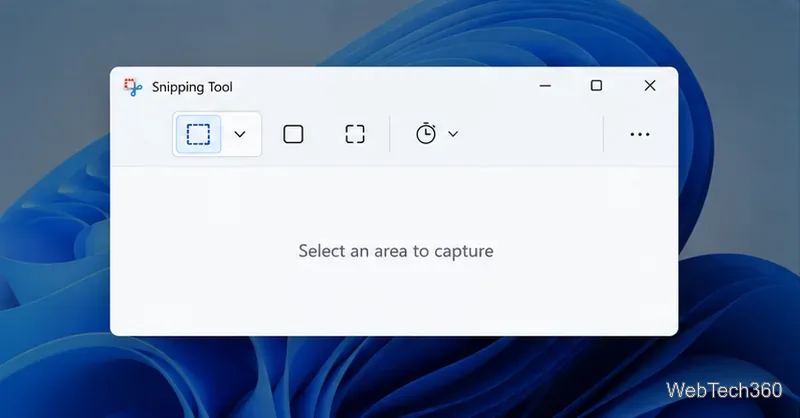
Fix common Snipping Tool problems in Windows 11 with steps to test the shortcut, update or repair the app, reinstall it, and restore missing capture notifications.
Imagine the peace of mind that comes from knowing your most important files are shielded from prying eyes. In today's digital world, where data breaches are all too common, learning how to setup Windows 11 folder encryption is a game-changer. Whether you're safeguarding personal photos, financial documents, or work projects, Windows 11 offers powerful built-in tools to keep your information safe. This guide will walk you through the process with clear, actionable steps, empowering you to take control of your privacy without the hassle.
We'll focus on the most reliable methods: Encrypting File System (EFS) for individual folders and BitLocker for broader drive protection. By the end, you'll feel confident implementing Windows 11 folder encryption and enjoy the security it brings. Let's dive in! 🚀
Before we get to the how-to, let's quickly cover why folder encryption in Windows 11 matters. Encryption scrambles your data so only authorized users with the right key can access it. This protects against theft, unauthorized access, or even ransomware attacks. According to Microsoft's latest security updates, enabling encryption can prevent up to 99% of common data exposure risks on personal devices.
Feeling motivated? Great—now let's set it up step by step. We'll start with EFS, the go-to for targeted folder encryption Windows 11.
EFS is Windows 11's native tool for encrypting individual files and folders without needing third-party software. It's ideal for users who want quick, lightweight setup Windows 11 encryption on specific items. Note: EFS works best on NTFS-formatted drives and requires a login password for your account.
That's it! Your files are now protected with EFS. But what if you need to share access? EFS allows you to add certificates for other users—right-click the encrypted folder, go to Properties > Advanced > Details, and manage permissions. For more on EFS certificates, check Microsoft's official guide: EFS Documentation.
Encountering errors? Here's a quick table of fixes:
| Issue | Solution |
|---|---|
| "Access Denied" Error | Ensure your drive is NTFS (right-click drive > Properties > File System). Convert if needed via Command Prompt: convert C: /fs:ntfs. |
| Encryption Not Applying | Run as admin: Right-click File Explorer > Run as administrator, then retry. |
| Lost Access After Encryption | Use your Microsoft account recovery or EFS recovery agent. Back up your certificate first next time! |
Pro Tip: Always back up your EFS certificate (search for "certmgr.msc" in Start menu) to avoid lockouts. With EFS in place, you're one step closer to ironclad security. Ready for full-drive protection? Let's move to BitLocker.
For users wanting more robust Windows 11 folder encryption, BitLocker is Microsoft's full-disk encryption powerhouse. It secures entire drives, which indirectly protects all folders within. Available on Pro, Enterprise, or Education editions (Home users can upgrade or use Device Encryption if eligible). BitLocker uses TPM (Trusted Platform Module) for hardware-level security, making it tougher to crack.
Once enabled, BitLocker locks your drive on boot, requiring your PIN or key. For folder-specific tweaks within an encrypted drive, combine it with EFS for layered security. Excited about the dual protection? You're building a fortress!
To maximize safety:
If you forget your key, retrieve it from your Microsoft account at account.microsoft.com. For deeper dives, Microsoft's BitLocker overview is gold: BitLocker Guide.
Why stop at one method? Pair EFS for folder-level encrypt folders Windows 11 with BitLocker for drive-wide defense. This combo thwarts both local snoopers and physical theft. For example, encrypt sensitive subfolders with EFS inside a BitLocker-secured drive.
Monitor your setup via Event Viewer (search "eventvwr") under Windows Logs > System for encryption events. If you're on a laptop, enable auto-unlock with your Microsoft account for convenience.
No tool is perfect. Encryption can slightly slow file access and requires admin rights. Older hardware might not support TPM, but you can use password-only mode. Always test decryption on a non-critical folder first to build confidence. 😊
Overcoming these hurdles leads to smoother, more secure computing. If performance dips, optimize by encrypting only essential folders.
Congratulations—you now know exactly how to setup Windows 11 folder encryption using EFS and BitLocker. These tools aren't just features; they're your shield in an unpredictable online landscape. Start with one folder today, and soon your entire system will be fortified. Feel the relief of protected data and share this guide with friends who need it. Your secure future starts now—what folder will you encrypt first? 👏
For ongoing updates, stay tuned to official Microsoft resources. Secure computing awaits!
Fix common Snipping Tool problems in Windows 11 with steps to test the shortcut, update or repair the app, reinstall it, and restore missing capture notifications.
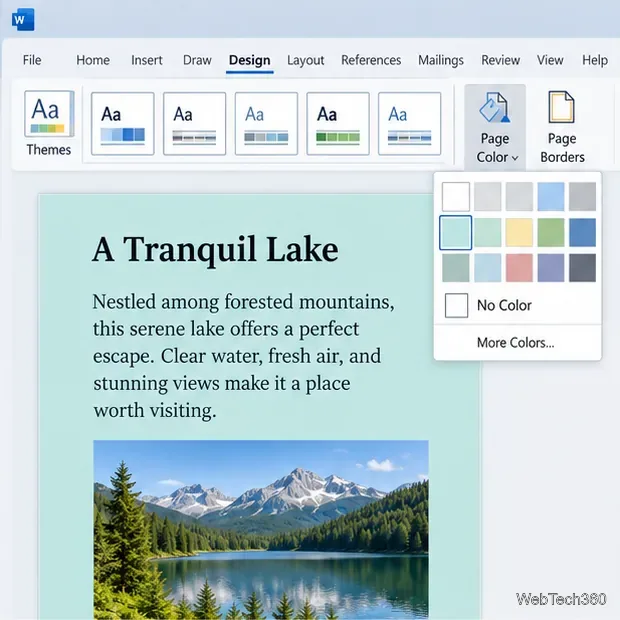
Choose a color-capable printer, enable Word’s background-print setting, and check the preview so page colors, images, and graphics print as expected.
Learn how to use WinX DVD Ripper to convert a DVD you’re entitled to copy into an MP4 file, choose the right title and destination, and troubleshoot playback problems on Windows 10 or 11.
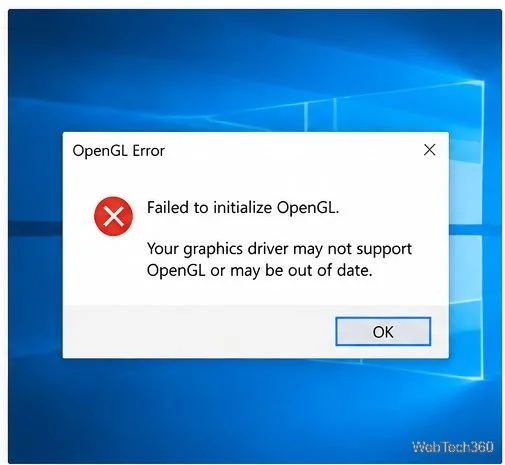
Troubleshoot OpenGL errors in Windows 10 by checking graphics drivers, repairing system files, reinstalling the affected app, and reviewing graphics settings.
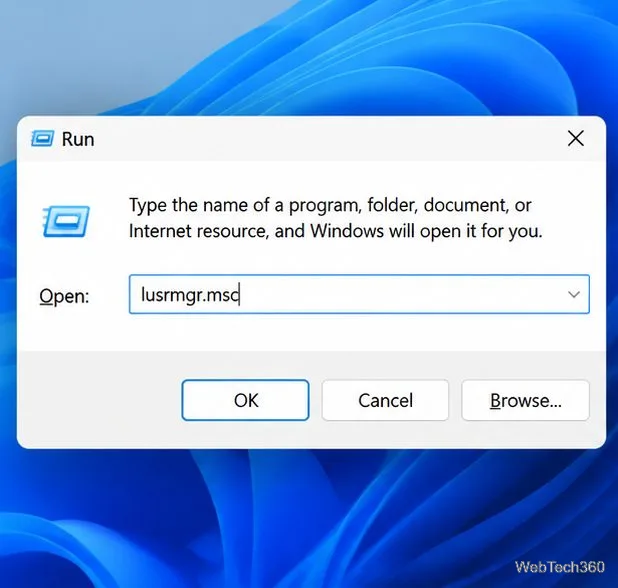
Learn when to use net user, lusrmgr.msc, and net localgroup to view, create, disable, and manage local Windows accounts safely.
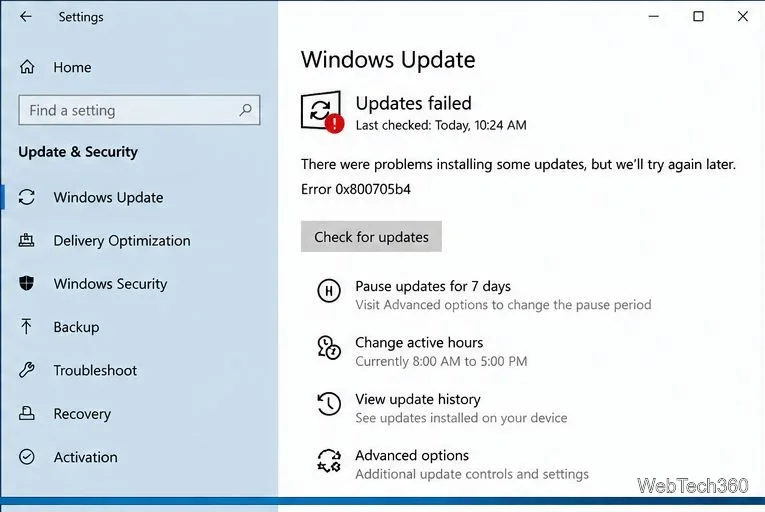
Resolve Windows Update error 0x800705b4 with practical checks for connectivity, update services, cached files, and damaged Windows system components.
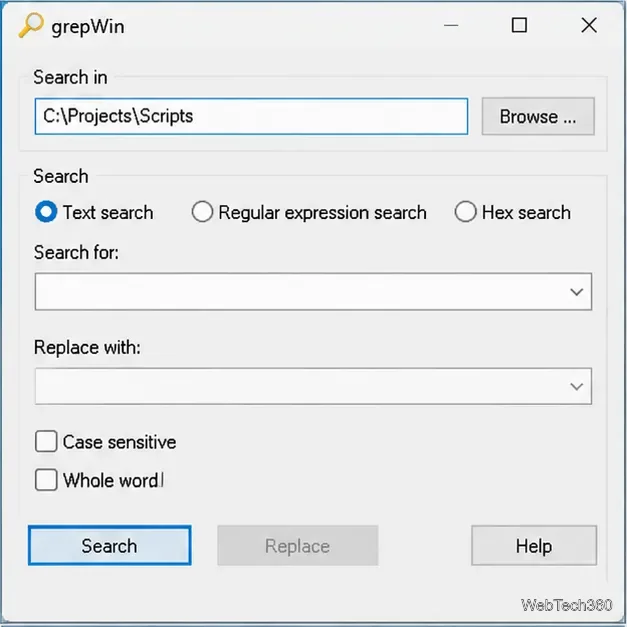
Find words or phrases across multiple text files on Windows 10 with grepWin. Learn how to choose folders, filter file types, include subfolders, and read matches safely.
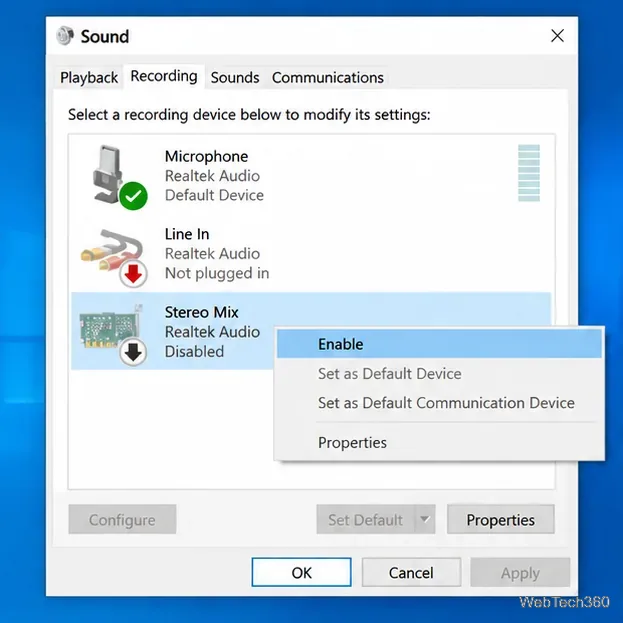
Capture your PC’s playback with FFmpeg on Windows 10. Enable Stereo Mix or use a loopback device, find its DirectShow name, and save clean audio.
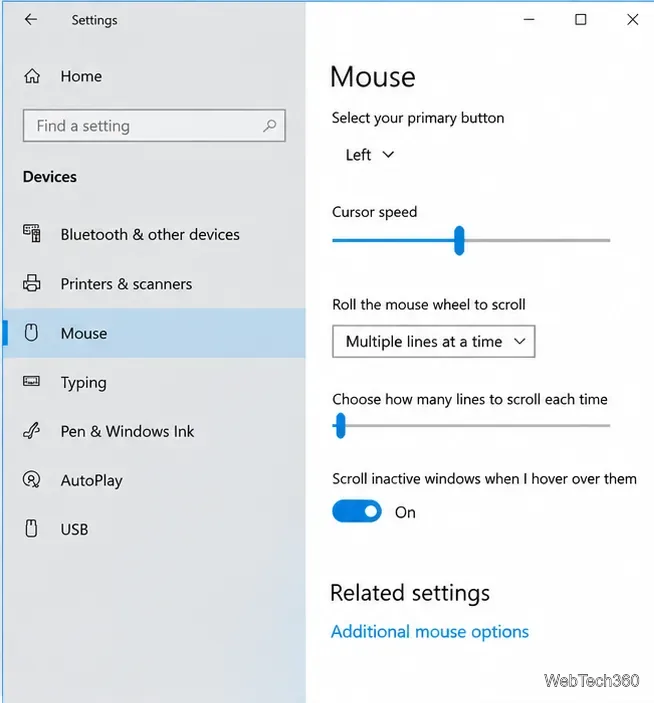
Learn how to adjust Windows 10 mouse pointer speed, change pointer precision, and set hardware DPI with a supported gaming mouse or manufacturer app.
Learn what the legacy Edge blocker registry setting does, how to set it safely, and why it will not stop updates for Microsoft Edge already installed.