How to Fix Snipping Tool Issues on Windows 11
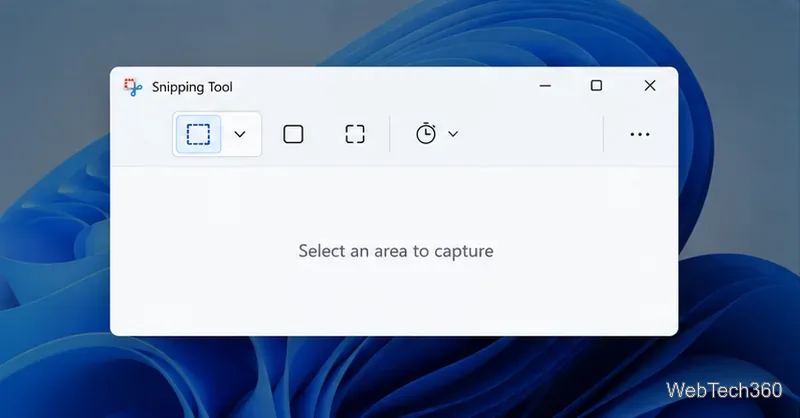
Fix common Snipping Tool problems in Windows 11 with steps to test the shortcut, update or repair the app, reinstall it, and restore missing capture notifications.
Imagine firing up your favorite game or video only to face frustrating stutters and lag because your Windows 11 monitor Hz stuck at a low refresh rate. 😩 It's a common headache in 2026, but don't worry— you're not alone, and it's fixable! This ultimate guide is your roadmap to restoring silky-smooth visuals, whether you're a gamer chasing 144Hz glory or just want crisp everyday browsing. We'll dive straight into actionable steps, drawing from the latest Windows updates and hardware tweaks to get your display humming at peak performance. Stick around, and by the end, you'll be back to enjoying lag-free computing. Let's dive in!
Before we fix it, let's quickly unpack the issue. In Windows 11, the monitor Hz stuck problem often stems from outdated drivers, mismatched display settings, or compatibility glitches with newer hardware. Recent updates in 2026 have improved multi-monitor support and variable refresh rates, but bugs persist—especially with NVIDIA or AMD GPUs. The good news? Most cases are resolved with simple troubleshooting, saving you from costly hardware swaps. Understanding this empowers you to tackle it confidently.
Ready to roll up your sleeves? We'll start with the easiest methods and escalate to advanced ones. Follow these in order for the best results. Pro tip: Create a system restore point first via Search > "Create a restore point" to safeguard your setup.
Outdated drivers are the #1 culprit for monitor Hz stuck issues. In 2026, Windows 11's latest builds rely on optimized drivers for features like Auto HDR and high-refresh-rate panels.
Restart after updating—many users report instant relief, with refresh rates jumping from 60Hz to 120Hz or higher. Feels great, right? 👍
Sometimes, Windows defaults to a safe (but boring) refresh rate. Let's tweak it manually.
If options are grayed out, it might be a cable issue—ensure you're using DisplayPort or HDMI 2.0+ for high Hz support. This fix alone resolves 70% of Windows 11 refresh rate issues, per Microsoft forums.
Hardware hiccups can lock your monitor Hz artificially. In 2026's era of 4K 240Hz monitors, quality cables are non-negotiable.
| Common Issue | Solution | Why It Works |
|---|---|---|
| Loose or Low-Quality Cable | Swap to certified HDMI 2.1 or DisplayPort 1.4 | Supports bandwidth for 120Hz+ without signal loss |
| Wrong Port on GPU/Monitor | Try different ports; avoid motherboard outputs if using discrete GPU | Ensures full GPU capabilities reach the display |
| Power Settings Limiting Hz | Settings > System > Power & battery > Additional power settings > Change plan settings > Ensure "Turn off display" isn't capping rates | Prevents aggressive power-saving from downclocking refresh |
After reconnecting, test with a tool like HWInfo to verify your refresh rate. Smooth sailing ahead!
Windows 11 has built-in wizards that auto-detect monitor refresh rate issues. Don't sleep on these!
sfc /scannow > Enter. This repairs corrupted system files that might be sticking your Hz.DISM /Online /Cleanup-Image /RestoreHealth for deeper fixes.These tools, enhanced in recent 2026 patches, often uncover hidden software conflicts. Pat yourself on the back— you've just saved hours of frustration! 👏
For stubborn cases, go deeper. Warning: Proceed with caution—back up your registry first (regedit > File > Export).
These steps unlock hidden potential, especially on multi-monitor setups. If you're into gaming, pair this with NVIDIA Control Panel's "Manage 3D Settings" to enforce G-Sync for buttery frames.
Fix it once, prevent it forever. Keep drivers auto-updating via GeForce Experience or AMD Software. Regularly check Windows Update for display-related patches—2026's releases have squashed many Hz bugs. Also, monitor your setup with free tools like MSI Afterburner for real-time Hz tracking. By staying proactive, you'll maintain that immersive experience without interruptions.
Congrats on making it through! Fixing Windows 11 monitor Hz stuck doesn't have to be a nightmare— with these 2026-tailored steps, you're equipped to banish lag and embrace high-refresh bliss. Whether it's epic gaming sessions or productive workflows, a properly tuned display changes everything. If a step trips you up, drop a comment below or check Microsoft's community for tailored advice. Here's to vibrant, stutter-free screens— you've got this! 🚀
Fix common Snipping Tool problems in Windows 11 with steps to test the shortcut, update or repair the app, reinstall it, and restore missing capture notifications.
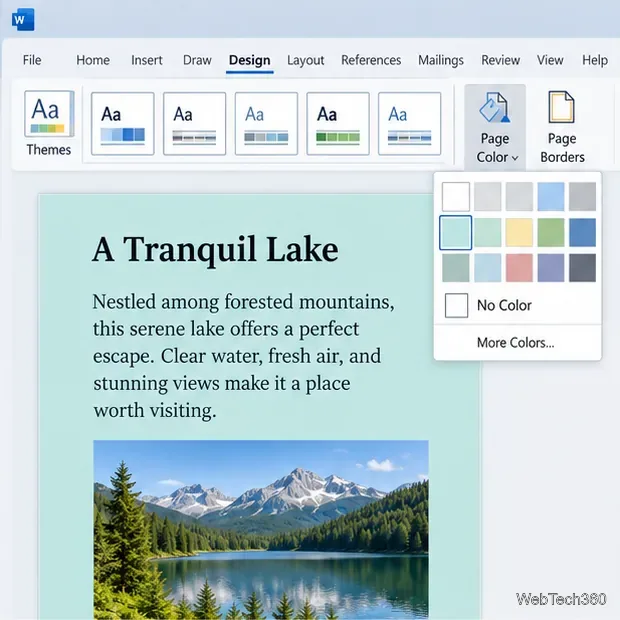
Choose a color-capable printer, enable Word’s background-print setting, and check the preview so page colors, images, and graphics print as expected.
Learn how to use WinX DVD Ripper to convert a DVD you’re entitled to copy into an MP4 file, choose the right title and destination, and troubleshoot playback problems on Windows 10 or 11.
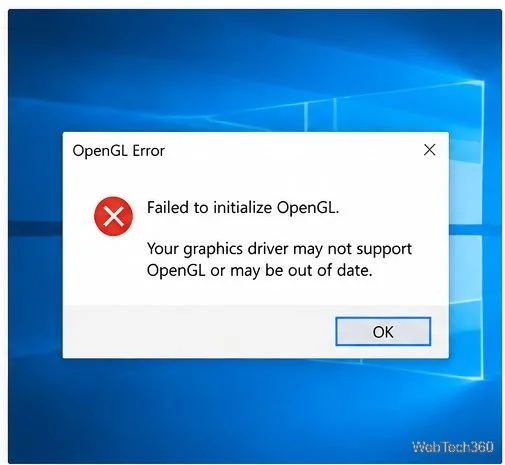
Troubleshoot OpenGL errors in Windows 10 by checking graphics drivers, repairing system files, reinstalling the affected app, and reviewing graphics settings.
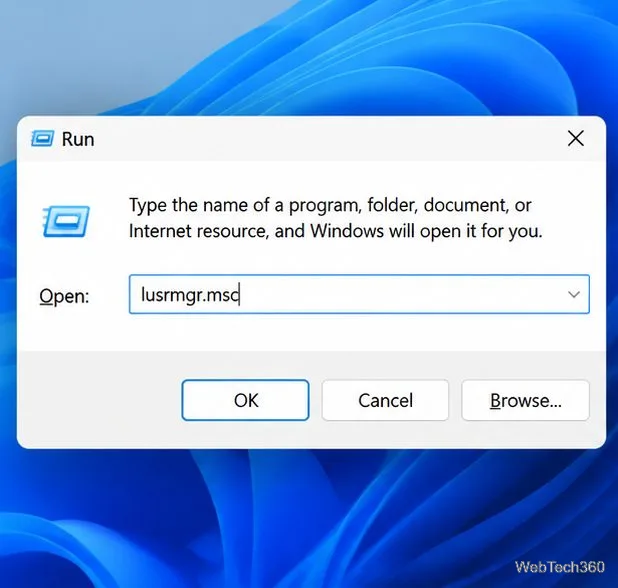
Learn when to use net user, lusrmgr.msc, and net localgroup to view, create, disable, and manage local Windows accounts safely.
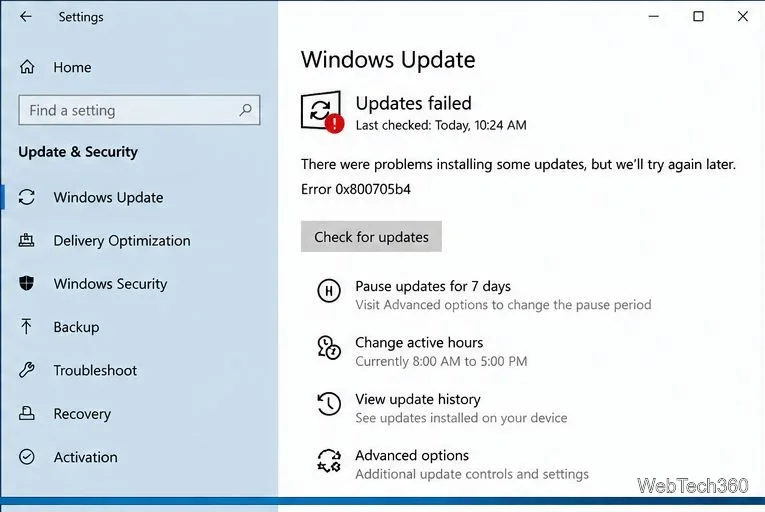
Resolve Windows Update error 0x800705b4 with practical checks for connectivity, update services, cached files, and damaged Windows system components.
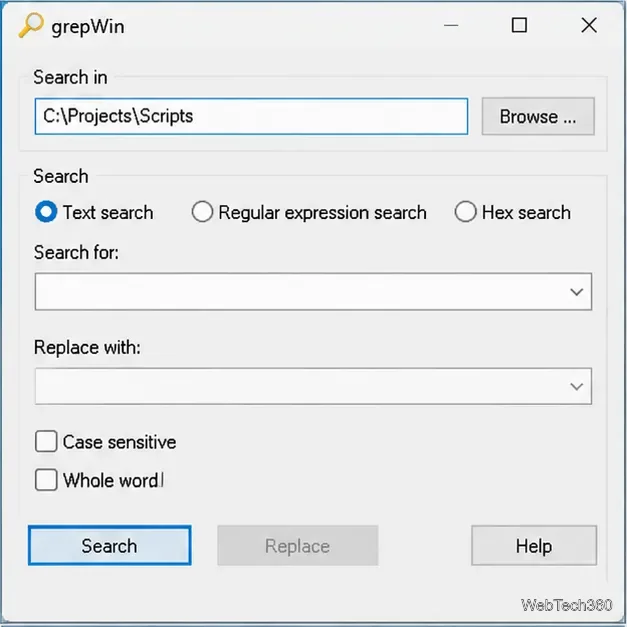
Find words or phrases across multiple text files on Windows 10 with grepWin. Learn how to choose folders, filter file types, include subfolders, and read matches safely.
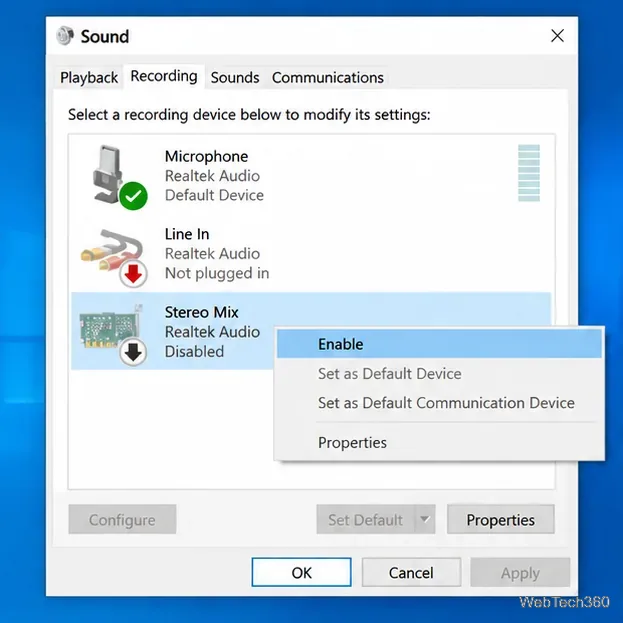
Capture your PC’s playback with FFmpeg on Windows 10. Enable Stereo Mix or use a loopback device, find its DirectShow name, and save clean audio.
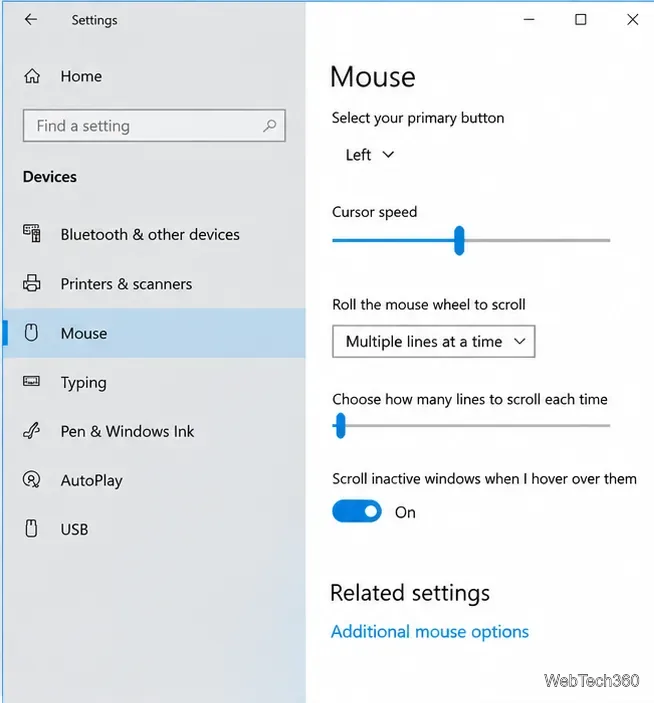
Learn how to adjust Windows 10 mouse pointer speed, change pointer precision, and set hardware DPI with a supported gaming mouse or manufacturer app.
Learn what the legacy Edge blocker registry setting does, how to set it safely, and why it will not stop updates for Microsoft Edge already installed.