How to Fix Snipping Tool Issues on Windows 11
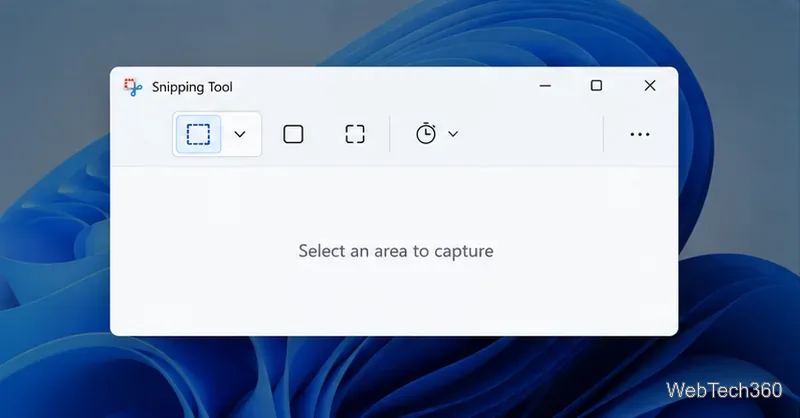
Fix common Snipping Tool problems in Windows 11 with steps to test the shortcut, update or repair the app, reinstall it, and restore missing capture notifications.
Imagine the peace of mind that comes from knowing your sensitive files are locked away from prying eyes. In today's digital world, where data breaches are all too common, enabling Windows 11 BitLocker encryption is your first line of defense. This built-in feature from Microsoft transforms your drive into a fortress, ensuring only you can access your information. Whether you're safeguarding personal photos or work documents, BitLocker encryption makes it simple and effective. Let's dive into how to enable it on your Windows 11 device, step by step, so you can feel confident and secure right away.
BitLocker is Microsoft's full-disk encryption tool designed to protect your data from unauthorized access. It encrypts your entire drive, making it unreadable without the correct key or password. On Windows 11, it's more seamless than ever, integrating with features like TPM (Trusted Platform Module) for hardware-based security.
Why bother? 👆 Think about it: if your laptop is lost or stolen, BitLocker encryption ensures thieves can't access your files. It's especially vital for professionals handling confidential info or anyone storing financial data. According to Microsoft's official documentation, BitLocker uses AES encryption algorithms, one of the strongest available, to keep your data safe. Plus, it complies with industry standards, giving you that extra layer of trust.
Enabling it isn't just smart—it's empowering. You'll sleep better knowing your digital life is protected. Ready to get started? Let's explore the prerequisites first to ensure a smooth setup.
Before jumping in, check if your setup is ready. Not every device supports BitLocker encryption out of the box, but most modern Windows 11 PCs do. Here's what you need:
tpm.msc, and hit Enter. If it's ready, you're good.If your device lacks TPM, don't worry—Windows 11 allows enabling it via Group Policy. We'll cover that next. With these in place, you're set for success. Feeling prepared? Great—now, the fun part: the step-by-step guide.
Enabling BitLocker encryption on Windows 11 is straightforward. Follow these steps carefully, and you'll have your drive encrypted in under 10 minutes. We'll focus on the most common method using the Control Panel, but we'll touch on alternatives too.
Click the Start button, search for "BitLocker," and select "Manage BitLocker" from the results. Alternatively, go to Settings > Privacy & security > Device encryption (for simpler setups) or Control Panel > System and Security > BitLocker Drive Encryption. This opens the dashboard where you can see encryptable drives. 🚀
Choose the drive you want to encrypt—usually your C: drive for the operating system. Click "Turn on BitLocker" next to it. If prompted, confirm your admin rights. Pro tip: Start with your main drive to protect the most important data first.
Windows 11 offers flexible options: Use a password, smart card, or TPM-only. For ease, select "Enter a password" and create a strong one (at least 8 characters with letters, numbers, and symbols). This adds a personal touch to your security. 😊
Opt for "Encrypt used disk space only" if it's a new or wiped drive to speed things up. For full protection, select "Encrypt entire drive." BitLocker will now start the process—grab a coffee while it works its magic. The time varies by drive size, but it's worth the wait for unbreakable security.
Once done, restart your PC if prompted. You'll enter your password on boot, confirming Windows 11 BitLocker encryption is active. Success! 🎉
If TPM isn't enabled, head to Group Policy Editor (gpedit.msc), navigate to Computer Configuration > Administrative Templates > Windows Components > BitLocker Drive Encryption, and enable the relevant policies. For detailed instructions, refer to Microsoft's BitLocker documentation.
Even with the best guides, hiccups happen. Here's how to fix them quickly, keeping your BitLocker setup smooth:
| Issue | Solution |
|---|---|
| "BitLocker is not available" | Upgrade to Windows 11 Pro or enable via Command Prompt: Run as admin and type manage-bde -protectors -add C: -TPM. |
| TPM Error | Enter BIOS/UEFI (usually F2 or Del on boot), enable TPM, and save changes. |
| Forgot Recovery Key | Retrieve from your Microsoft account at account.microsoft.com/devices/recoverykey. Always back it up securely! |
| Slow Encryption | Close unnecessary apps and ensure your PC is plugged in. It only happens once. |
These fixes are based on the latest Windows 11 updates, ensuring you're not left frustrated. If issues persist, the built-in troubleshooter in Settings can help. Now that you're equipped, let's talk about managing your encryption post-setup.
Once enabled, BitLocker encryption runs quietly in the background. To manage it, revisit the BitLocker dashboard. You can:
For multi-device users, consider syncing keys via Azure AD if you're in an enterprise setup. This keeps everything organized and accessible. The best part? Windows 11 makes these tweaks intuitive, so you stay in control without hassle.
To maximize your BitLocker encryption, follow these tips:
By incorporating these habits, you'll turn BitLocker into an unbreakable shield. It's not just encryption—it's your ticket to worry-free computing.
Enabling Windows 11 BitLocker encryption is more than a technical step—it's a proactive choice for protecting what matters. With this guide, you've got everything to set it up confidently, troubleshoot issues, and maintain top security. Your data deserves this level of care, and now it's within reach. Why wait? Head to your PC, follow the steps, and embrace the security you've always wanted. If you have questions, drop a comment below—we're here to help you stay safe. Secure on! 👏
Fix common Snipping Tool problems in Windows 11 with steps to test the shortcut, update or repair the app, reinstall it, and restore missing capture notifications.
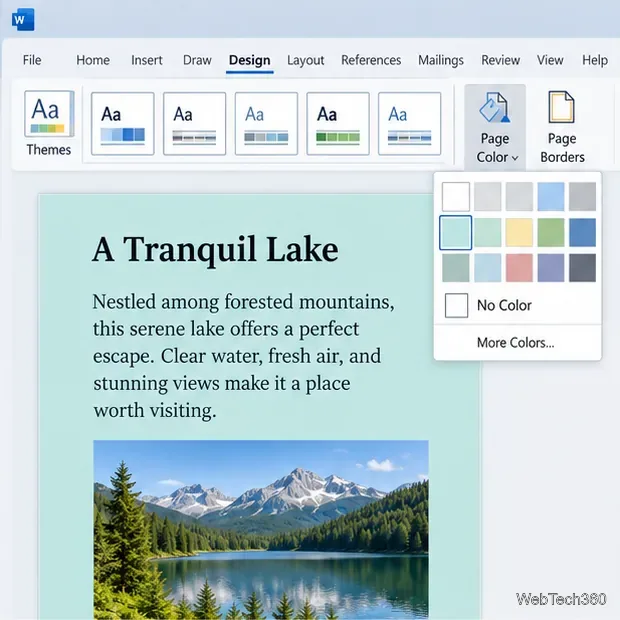
Choose a color-capable printer, enable Word’s background-print setting, and check the preview so page colors, images, and graphics print as expected.
Learn how to use WinX DVD Ripper to convert a DVD you’re entitled to copy into an MP4 file, choose the right title and destination, and troubleshoot playback problems on Windows 10 or 11.
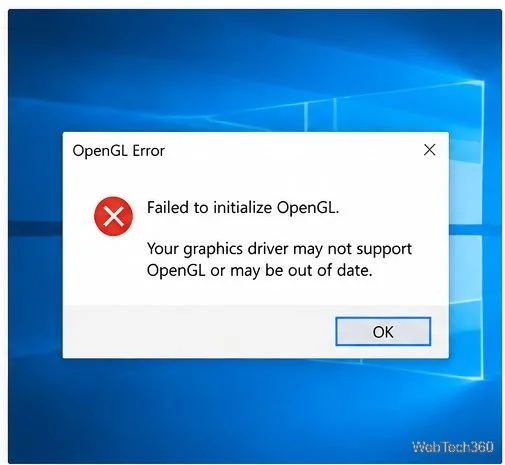
Troubleshoot OpenGL errors in Windows 10 by checking graphics drivers, repairing system files, reinstalling the affected app, and reviewing graphics settings.
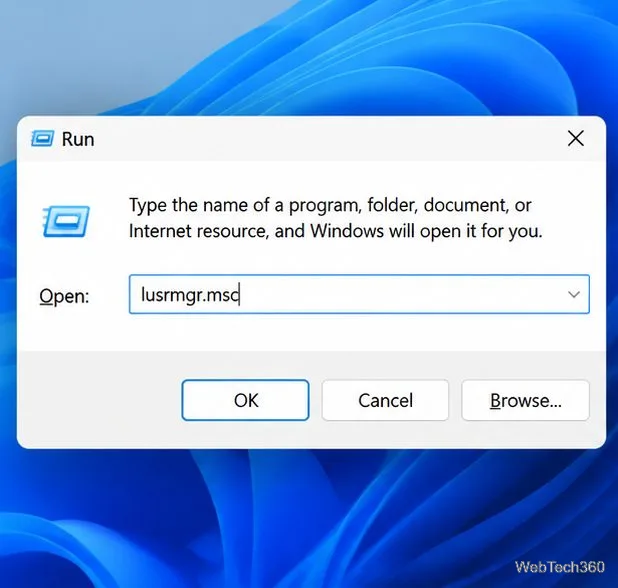
Learn when to use net user, lusrmgr.msc, and net localgroup to view, create, disable, and manage local Windows accounts safely.
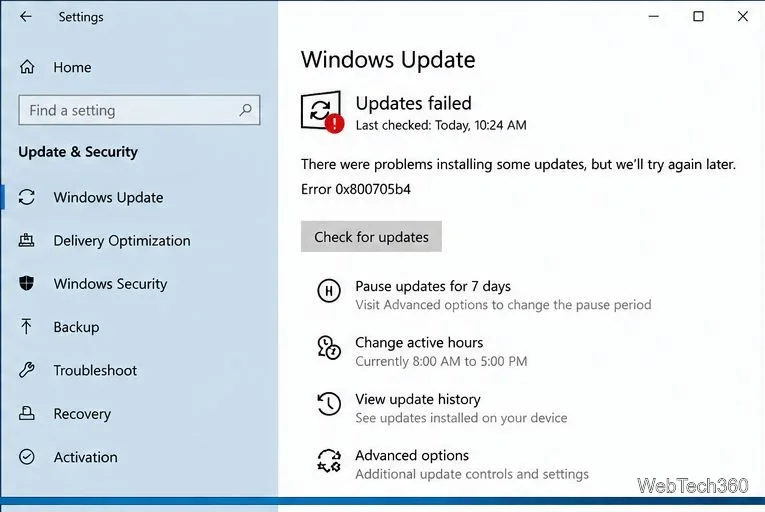
Resolve Windows Update error 0x800705b4 with practical checks for connectivity, update services, cached files, and damaged Windows system components.
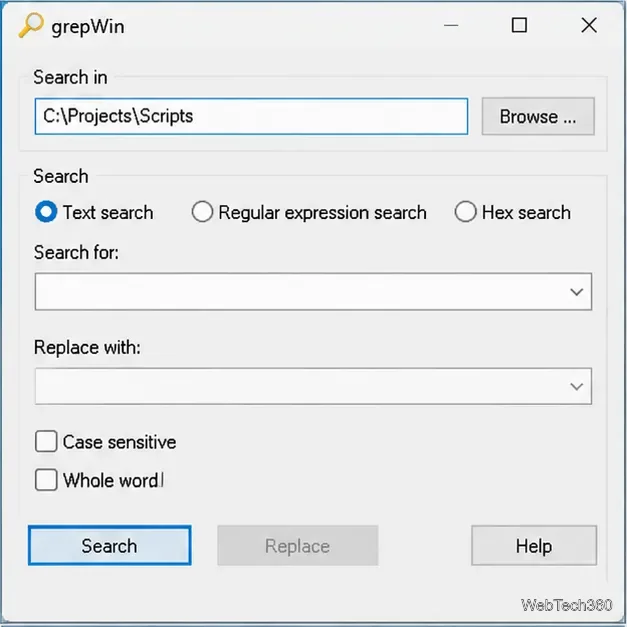
Find words or phrases across multiple text files on Windows 10 with grepWin. Learn how to choose folders, filter file types, include subfolders, and read matches safely.
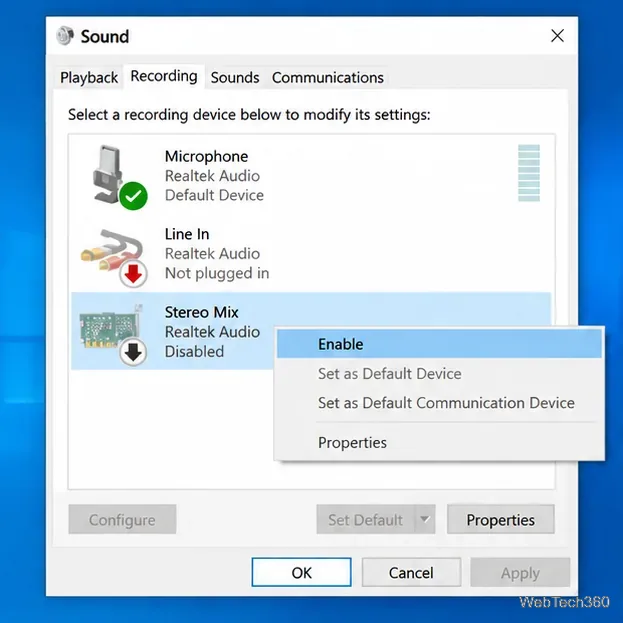
Capture your PC’s playback with FFmpeg on Windows 10. Enable Stereo Mix or use a loopback device, find its DirectShow name, and save clean audio.
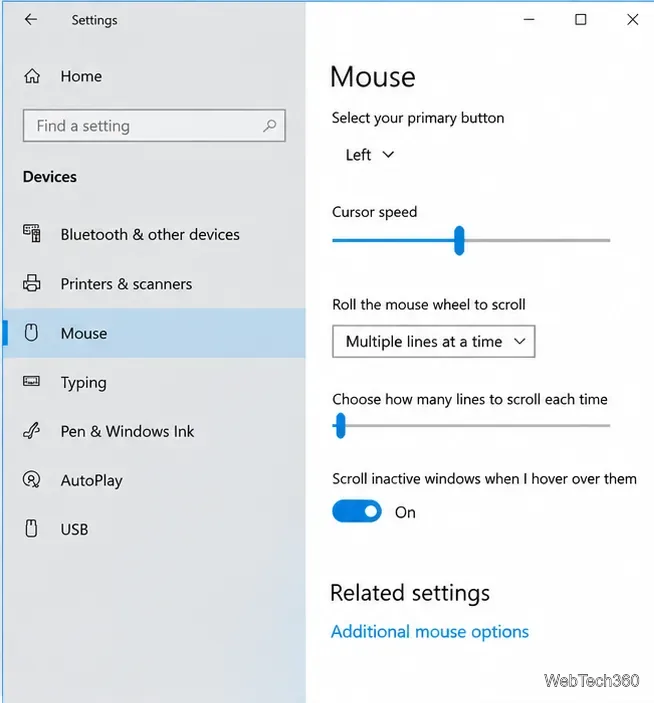
Learn how to adjust Windows 10 mouse pointer speed, change pointer precision, and set hardware DPI with a supported gaming mouse or manufacturer app.
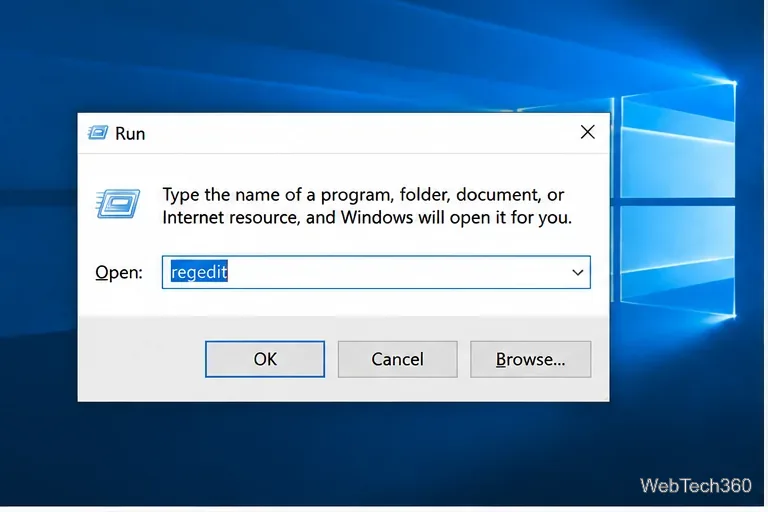
Learn what the legacy Edge blocker registry setting does, how to set it safely, and why it will not stop updates for Microsoft Edge already installed.