How to Check for Open Ports on Windows Server
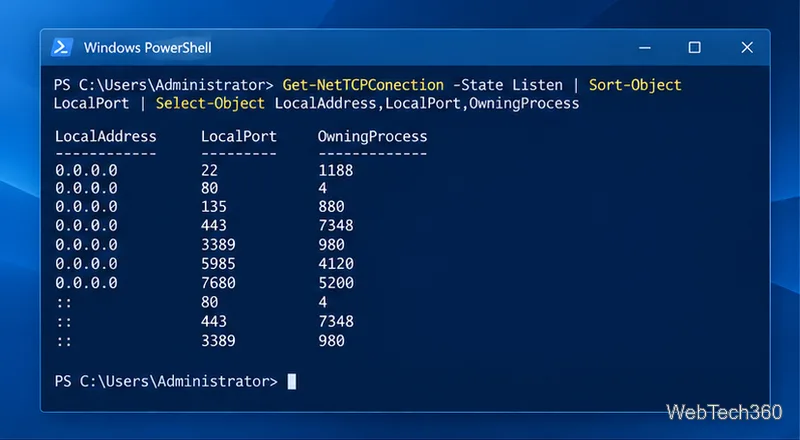
Find local TCP listeners, identify the process using a port, and test whether a Windows Server port is reachable with PowerShell, PortQry, or Nmap.
Imagine needing to tweak a crucial setting in Windows 11, only to find the Registry Editor refusing to launch. It's a common headache that can halt your workflow, but don't worry – you're not alone, and it's fixable! In this guide, we'll dive straight into practical, effective solutions to get your Registry Editor not opening issue resolved. Whether it's a permissions glitch or a deeper system hiccup, these steps will empower you to regain control. Let's jump in and restore your registry access smoothly. 😊
Before we fix it, a quick understanding of the problem helps. The Registry Editor (regedit.exe) is a powerful tool for editing Windows settings, but it can stop opening due to several reasons:
Spotting the culprit early saves time. If you see error messages like "Registry editing has been disabled by your administrator" or nothing happens on launch, proceed to our fixes. These are based on the latest Windows 11 updates, ensuring compatibility with current builds.
Start simple. Press Windows + R, type regedit, and hit Enter. No response? Try running as administrator: Right-click the Start button, select Windows Terminal (Admin), and type regedit. Still stuck? Time for action. This initial check builds confidence – you're already one step closer to solving Windows 11 Registry Editor not opening.
Often, the issue stems from damaged system files. Windows 11's built-in tools can repair them effortlessly. Follow these steps:
Pro Tip: Combine this with a quick restart for best results. Many users report instant success here, breathing new life into their system without advanced tweaks.
If policies are blocking access, tweak them directly. This is ideal for Windows 11 Pro or higher editions (Home users, skip to Fix 3).
This fix removes administrative locks, common after updates or IT setups. Feeling empowered yet? You're methodically unlocking your registry.
Tricky but effective if Group Policy isn't available. We'll use a workaround to edit a key via Command Prompt.
For deeper issues, check HKLM hive similarly: Replace HKCU with HKLM. This command-line magic bypasses the launch block, a favorite among tech enthusiasts for its precision.
Security apps love to overprotect. Temporarily disable your antivirus (e.g., Windows Defender or third-party like Norton) and test regedit.
If it works post-disable, whitelist regedit permanently. This step often uncovers hidden culprits, leaving you relieved and secure.
Sometimes, user-specific corruption is the issue. Test with a new admin account:
This fresh start can feel like a system rebirth, especially if profile glitches are at play.
For stubborn cases, boot into Safe Mode (hold Shift during restart, then Troubleshoot > Advanced > Startup Settings > Restart > Option 4). Launch regedit there to diagnose.
Or re-register via admin Command Prompt: regsvr32 /i regedit.exe. These escalate your troubleshooting, ensuring comprehensive coverage.
Once fixed, prevent recurrence:
| Tip | How to Implement | Benefit |
|---|---|---|
| Regular Updates | Enable auto-updates in Settings > Windows Update | Patches fix known registry bugs |
| Backup Registry | Use File > Export in regedit before edits | Quick restore if issues arise |
| Avoid Untrusted Tweaks | Stick to official guides for registry changes | Reduces corruption risk |
| Run as Admin Always | Right-click regedit > Run as administrator | Bypasses permission hurdles |
These habits safeguard your Windows 11 setup, making future sessions hassle-free. 👏
If none work, it might signal deeper issues like hardware faults. Consider Microsoft Support or a trusted technician. For official guidance, visit Microsoft Support.
Congrats on tackling this! Your Registry Editor should now open seamlessly, boosting your Windows 11 experience. Got more tweaks in mind? Explore our guides on system optimization next – stay tuned for smoother sailing ahead.
Find local TCP listeners, identify the process using a port, and test whether a Windows Server port is reachable with PowerShell, PortQry, or Nmap.
Map a shared folder as a drive letter in Windows 10, reconnect it at sign-in, confirm access, and fix common path, credential, and network discovery issues.
Hear your microphone through Windows 10 speakers with the Listen to this device setting. Choose the right input and output, test the route, and prevent feedback.
Change icon size on Windows 10 with desktop, taskbar, and File Explorer controls. Learn when display scaling helps and how to fix unexpected size changes.
Map an NFS share to a Windows 11 drive letter with the built-in Client for NFS. Check protocol compatibility, mount the export, and troubleshoot access issues.
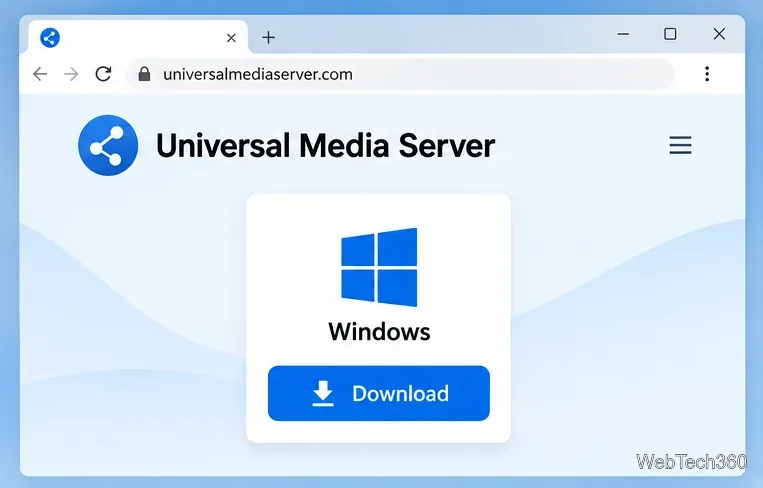
Install Universal Media Server on Windows Server, share selected folders, set LAN-only firewall access, and test DLNA playback from a TV or browser.
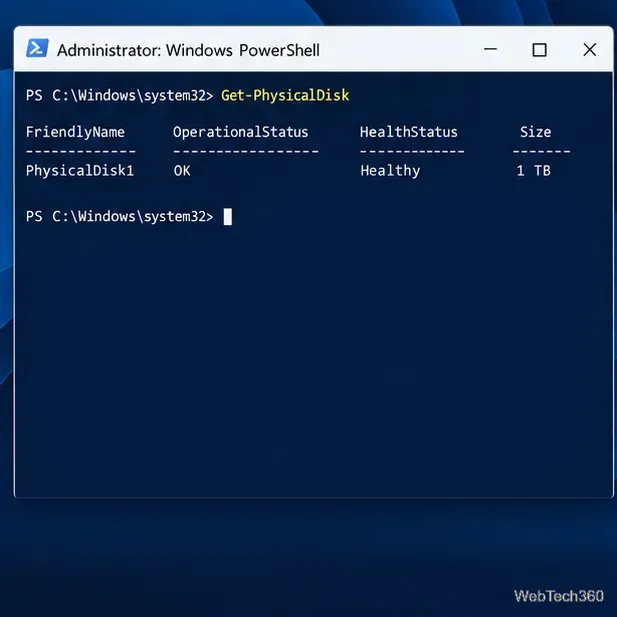
Check Windows Server disk status and reliability counters, verify SMART data when available, and separate hardware warnings from NTFS errors.
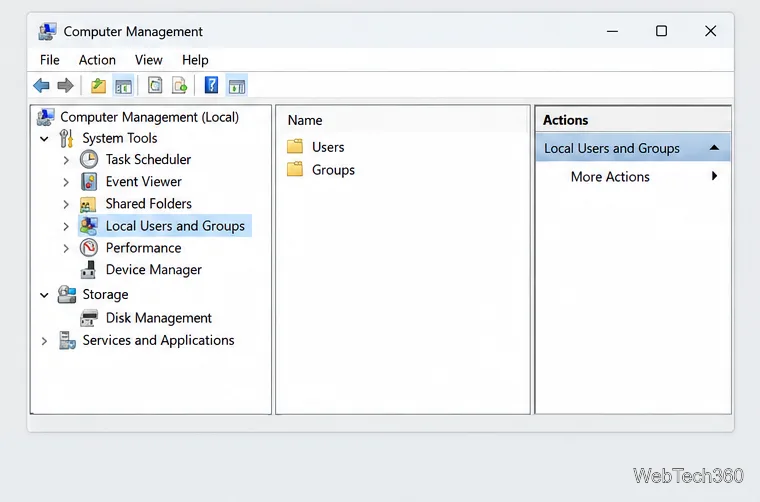
Create, grant admin rights to, disable, or remove local Windows Server users with Computer Management or PowerShell. Learn when to use Active Directory instead.
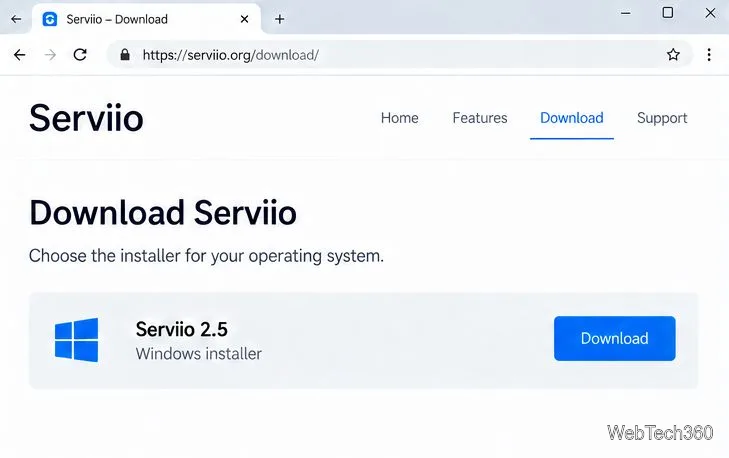
Install Serviio on Windows Server, share local or NAS media folders, and test DLNA playback. Learn how to check the Windows service, firewall, and Pro-only browser features.
Convert PNG, JPG, or BMP files to Windows ICO with GIMP. Prepare a square image, keep transparency when needed, add standard sizes, and check the export.