How to Check for Open Ports on Windows Server
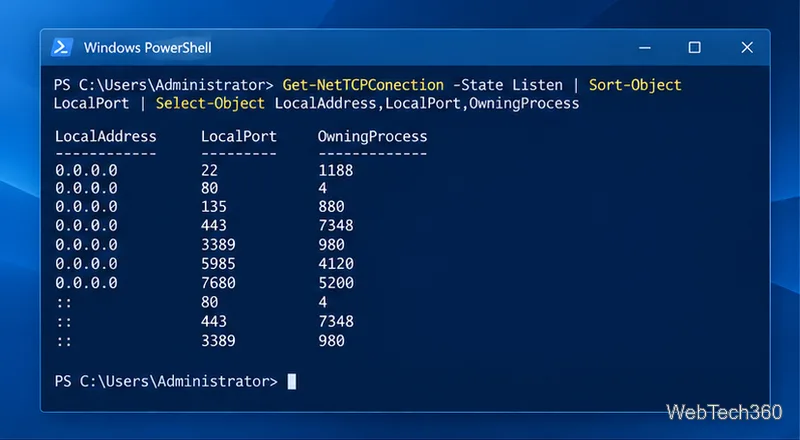
Find local TCP listeners, identify the process using a port, and test whether a Windows Server port is reachable with PowerShell, PortQry, or Nmap.
Are you staring at the frustrating "TPM Attestation Not Supported" error while trying to upgrade to Windows 11? 😩 Don't worry—this common roadblock affects many users, but it's totally fixable. Microsoft requires TPM 2.0 for security, but not every PC meets this spec out of the box. In this guide, we'll walk you through straightforward solutions to resolve the TPM Attestation Not Supported issue, enabling you to enjoy Windows 11's sleek features like enhanced security and multitasking magic. Let's get your system ready—your smooth upgrade awaits!
TPM stands for Trusted Platform Module, a hardware chip that bolsters your PC's security by handling encryption and authentication. Windows 11 mandates TPM 2.0 to protect against modern threats, but the "TPM Attestation Not Supported" message pops up when your system can't verify or enable this feature properly. This could stem from:
The good news? Most cases are software-related and fixable without buying new hardware. We'll prioritize safe, reversible methods to get you past this hurdle. Ready to dive in? Follow these steps, and you'll be running Windows 11 in no time.
We'll start with the easiest methods and escalate if needed. Always back up your data before tweaking settings—better safe than sorry! 👆
Before fixing, confirm the issue. Press Windows + R, type tpm.msc, and hit Enter. If TPM is ready, great! If not, or if you see the error, proceed.
For a visual guide, here's what a disabled TPM looks like:
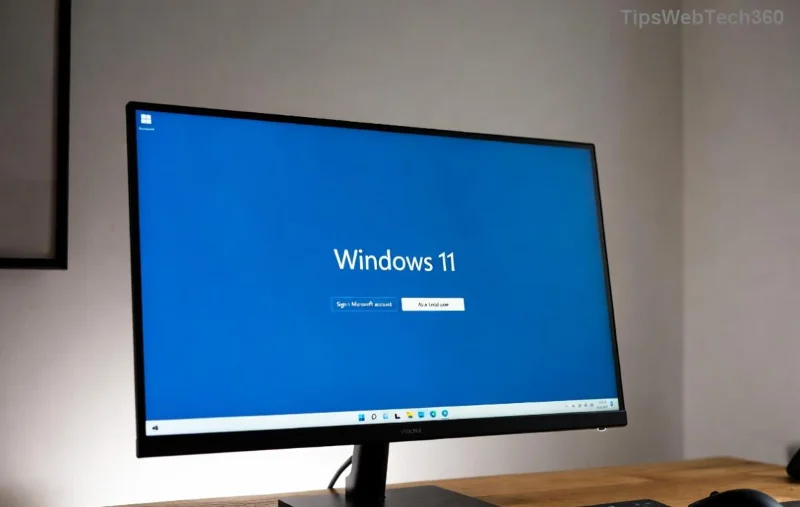
This screenshot highlights the exact error message you'll encounter. Now, let's activate it.
The most common fix is accessing your motherboard's BIOS. Restart your PC and enter BIOS (usually by pressing Del, F2, or F10 during boot—check your manual). Navigate to the Security or Advanced tab:
Reboot and run tpm.msc again. If TPM shows as ready, run the PC Health Check app from Microsoft's site to verify Windows 11 compatibility. Boom—error fixed for many users! If your hardware supports it, this alone resolves TPM Attestation Not Supported.
Outdated BIOS can block TPM attestation. Visit your motherboard manufacturer's site (e.g., ASUS, MSI, Gigabyte) and download the latest firmware update. Follow their instructions carefully—flashing BIOS is straightforward but requires caution to avoid bricking your board.
Pro tip: Use a USB drive for the update process. After updating, re-enable TPM as in Step 2. This has helped countless users in recent firmware releases achieve full TPM 2.0 compliance.
If hardware tweaks don't work, you can bypass the TPM requirement during installation. ⚠️ This is for advanced users—it's not officially recommended but safe if done right.
Open Registry Editor (Windows + R, type regedit). Navigate to HKEY_LOCAL_MACHINE\SYSTEM\Setup. Create a new key named "LabConfig" (right-click > New > Key). Inside it, add these DWORD values:
| Name | Value (DWORD) | Purpose |
|---|---|---|
| BypassTPMCheck | 1 | Skips TPM verification |
| BypassSecureBootCheck | 1 | Skips Secure Boot if needed |
| BypassRAMCheck | 1 | Overrides RAM limits (if applicable) |
Now, download the Windows 11 ISO from Microsoft and mount it. Run setup.exe—it should proceed without the TPM Attestation Not Supported block. Post-install, you can remove these keys for full security.
For visual steps on the registry tweak, check this helpful image:
Creating a bootable USB with Rufus (free tool) lets you bypass checks entirely. Download Rufus from its official site, insert a USB, select your Windows 11 ISO, and in options, choose to remove TPM/Secure Boot requirements. Boot from the USB and install—easy peasy! 🎉
This method is ideal if you're upgrading from Windows 10 or doing a clean install. Just ensure your hardware meets other Windows 11 specs like a compatible CPU.
Stuck? Here are quick hits:
sfc /scannow in Command Prompt (admin) to repair system files.If all else fails, consider a virtual TPM via software like VMware, but that's overkill for most. These steps cover 90% of cases based on community reports.
Overcoming the TPM Attestation Not Supported error unlocks Windows 11's powerhouse features: Snap Layouts for productivity, DirectStorage for gaming bliss, and AI-driven tools like Copilot. Plus, ongoing security updates keep your data safe in an increasingly digital world. Imagine ditching the error and boosting your workflow—worth the effort, right? 🚀
Stayed with us this far? You've got the tools to conquer this. If these steps worked for you, drop a comment below—sharing successes helps others! For more tech tips, explore our guides on optimizing Windows 11 performance. Happy upgrading!
Find local TCP listeners, identify the process using a port, and test whether a Windows Server port is reachable with PowerShell, PortQry, or Nmap.
Map a shared folder as a drive letter in Windows 10, reconnect it at sign-in, confirm access, and fix common path, credential, and network discovery issues.
Hear your microphone through Windows 10 speakers with the Listen to this device setting. Choose the right input and output, test the route, and prevent feedback.
Change icon size on Windows 10 with desktop, taskbar, and File Explorer controls. Learn when display scaling helps and how to fix unexpected size changes.
Map an NFS share to a Windows 11 drive letter with the built-in Client for NFS. Check protocol compatibility, mount the export, and troubleshoot access issues.
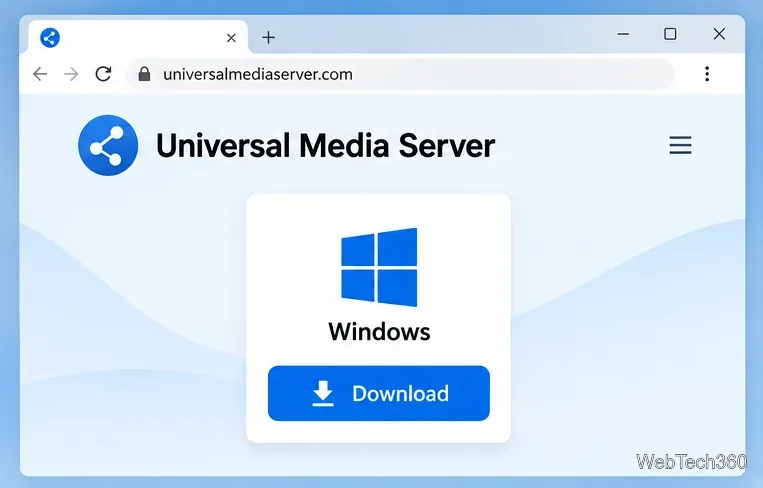
Install Universal Media Server on Windows Server, share selected folders, set LAN-only firewall access, and test DLNA playback from a TV or browser.
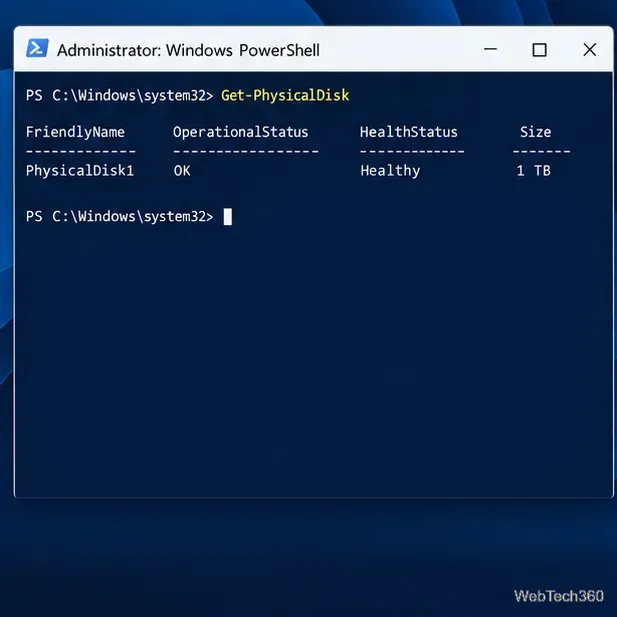
Check Windows Server disk status and reliability counters, verify SMART data when available, and separate hardware warnings from NTFS errors.
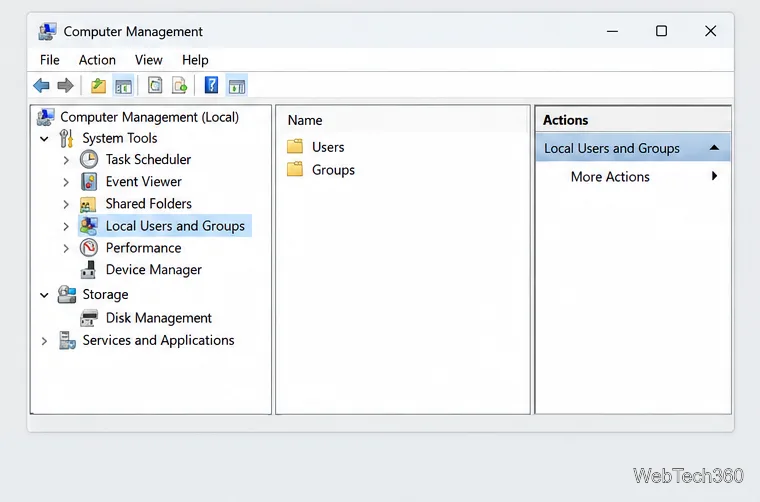
Create, grant admin rights to, disable, or remove local Windows Server users with Computer Management or PowerShell. Learn when to use Active Directory instead.
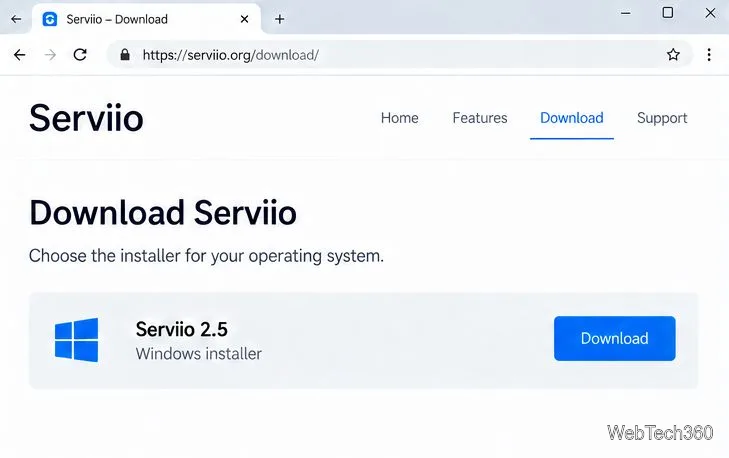
Install Serviio on Windows Server, share local or NAS media folders, and test DLNA playback. Learn how to check the Windows service, firewall, and Pro-only browser features.
Convert PNG, JPG, or BMP files to Windows ICO with GIMP. Prepare a square image, keep transparency when needed, add standard sizes, and check the export.