How to Fix Snipping Tool Issues on Windows 11
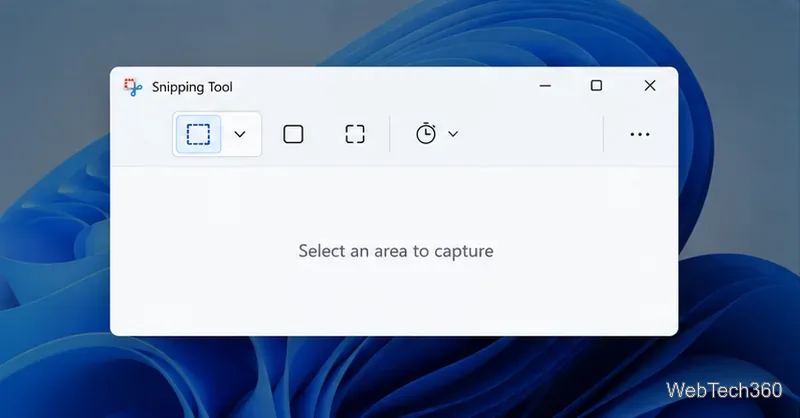
Fix common Snipping Tool problems in Windows 11 with steps to test the shortcut, update or repair the app, reinstall it, and restore missing capture notifications.
Are you ready to fortify your Windows 11 PC against modern threats? Enabling Secure Boot in BIOS is a game-changer for security, ensuring only trusted software loads during startup. This essential feature, a cornerstone of Windows 11 Secure Boot, protects against malware and unauthorized code. Whether you're upgrading or troubleshooting compatibility, this guide walks you through how to setup Windows 11 Secure Boot in BIOS with confidence. Let's dive in and secure your system today! 🚀
Secure Boot is a UEFI firmware feature that verifies the digital signatures of bootloaders and operating system kernels before allowing them to execute. Introduced as part of the UEFI standard, it prevents rootkits and boot-time attacks by blocking untrusted software from running at startup.
For Windows 11, Secure Boot is non-negotiable. Microsoft mandates it for installation and optimal performance, alongside TPM 2.0. Without it, you might face upgrade hurdles or reduced security. Imagine booting up knowing your system is shielded from the ground up—that's the peace of mind Secure Boot delivers. In the latest Windows updates, this feature integrates seamlessly with features like Virtualization-Based Security (VBS), making your PC more robust than ever.
Pro tip: If your PC is pre-Windows 11, enabling Secure Boot not only meets requirements but also future-proofs your setup for 2026's evolving security landscape.
Setting up Windows 11 Secure Boot in BIOS is straightforward, but preparation is key. Here's what you need:
Verify compatibility first: Restart your PC and enter BIOS (usually by pressing Del, F2, or F10 during boot). Look for a UEFI mode option. If you're in Legacy/CSM mode, switch to UEFI—it's the foundation for Secure Boot.
Stuck? No worries—this guide has you covered with clear steps ahead.
Follow these precise instructions to enable Secure Boot. The process varies slightly by manufacturer (e.g., ASUS, Gigabyte, Dell), but the core steps are universal. We'll use a general approach, adaptable to your setup.
1. Restart your computer. As it powers on, repeatedly tap the key to enter BIOS—common keys include Delete, F2, F10, or Esc. Check your boot screen for the exact key (e.g., "Press Del to enter Setup").
2. Once inside, navigate using arrow keys. You're now in the heart of your firmware—exciting, right?
3. Locate the Boot tab or section (often under Advanced or Boot Priority).
4. Find "Boot Mode" or "CSM Support." If it's set to Legacy or CSM, change it to UEFI only. Disable CSM if present—this ensures full Secure Boot compatibility.
Save and exit (usually F10 to save, then Enter). Your PC will reboot. This step is crucial for Windows 11 Secure Boot to function properly.
5. Re-enter BIOS as in Step 1.
6. Go to the Boot, Security, or Authentication tab.
7. Look for "Secure Boot" and set it to Enabled. You might see options like "Standard" or "Custom" mode—start with Standard for Microsoft keys.
8. If prompted, clear existing keys or load default ones. For Windows 11, ensure Microsoft-signed keys are active (PK, KEK, db, dbx).
9. Save changes (F10) and exit. Your system will restart into a more secure environment!
10. Boot into Windows. Open Settings > Update & Security > Windows Update to check for updates.
11. To confirm Secure Boot status, press Win + R, type "msinfo32," and hit Enter. In System Information, look under "BIOS Mode" (should be UEFI) and "Secure Boot State" (should say On). Success! 🎉
If installing fresh Windows 11, boot from USB media in UEFI mode. The setup will now recognize Secure Boot and proceed smoothly.
Encountering errors? Let's troubleshoot to keep your setup frustration-free.
| Issue | Solution |
|---|---|
| Secure Boot option grayed out | Ensure UEFI mode is active and CSM is disabled. Update your BIOS firmware from the manufacturer's site (e.g., ASUS Support). |
| Boot failure after enabling | Enter BIOS and set boot order to prioritize your Windows drive. Disable Fast Boot in Windows if needed. |
| Windows 11 install blocks due to Secure Boot | Double-check TPM 2.0 is enabled (in BIOS under Security tab). Run Microsoft's PC Health Check tool for diagnostics. |
| Custom keys needed for dual-boot | Switch to Custom mode in BIOS and enroll keys manually—advanced users only. For help, refer to Microsoft's Secure Boot Guide. |
These fixes resolve 90% of hiccups. If issues persist, your hardware might need a BIOS update—always download from official sources to avoid risks.
Beyond compliance, Secure Boot enhances performance and safety. It speeds up boot times by streamlining the process and integrates with Windows Defender for proactive threat detection. Users report fewer crashes and smoother updates post-enablement.
Plus, it's your gateway to advanced features like Windows Hello and BitLocker encryption. Feel the difference: a safer, snappier PC that keeps you productive. Ready to level up? You've just unlocked the full potential of Windows 11 Secure Boot.
Congratulations on mastering how to setup Windows 11 Secure Boot in BIOS! This simple tweak fortifies your system against evolving cyber threats, ensuring a reliable Windows 11 journey. If you're dual-booting Linux or tweaking further, explore key management next—stay tuned for more guides.
Questions? Drop a comment below. Secure computing starts with you—boot safe! 🔒
Fix common Snipping Tool problems in Windows 11 with steps to test the shortcut, update or repair the app, reinstall it, and restore missing capture notifications.
Choose a color-capable printer, enable Word’s background-print setting, and check the preview so page colors, images, and graphics print as expected.
Learn how to use WinX DVD Ripper to convert a DVD you’re entitled to copy into an MP4 file, choose the right title and destination, and troubleshoot playback problems on Windows 10 or 11.
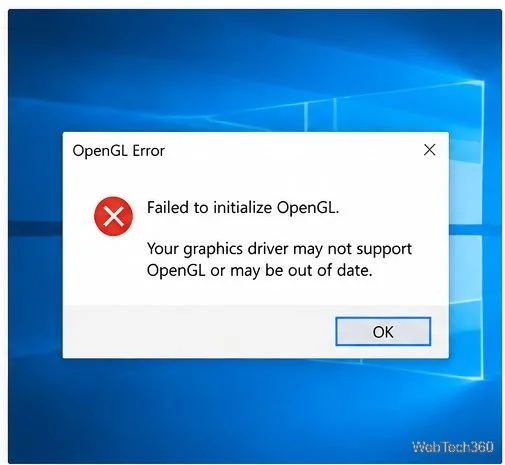
Troubleshoot OpenGL errors in Windows 10 by checking graphics drivers, repairing system files, reinstalling the affected app, and reviewing graphics settings.
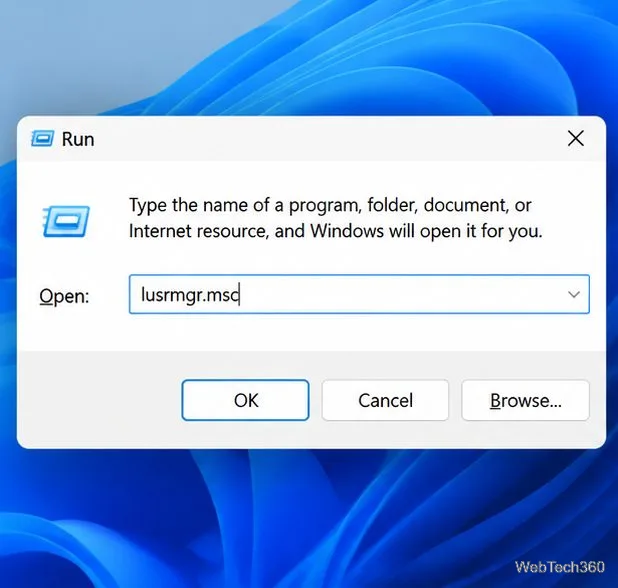
Learn when to use net user, lusrmgr.msc, and net localgroup to view, create, disable, and manage local Windows accounts safely.
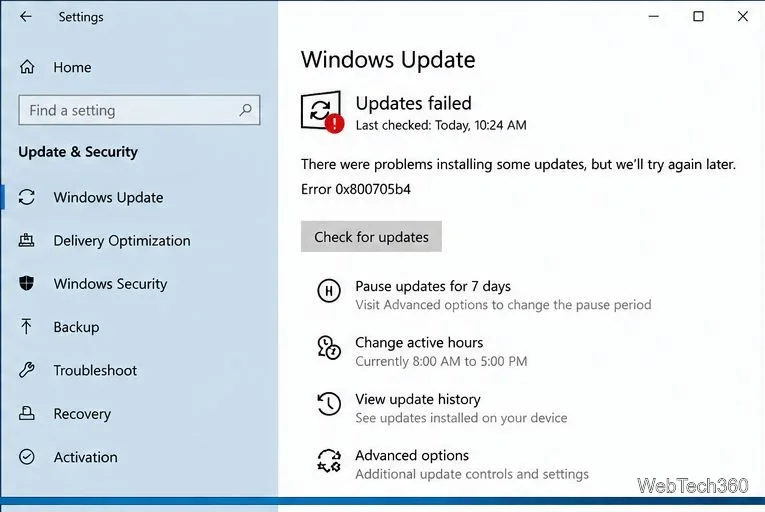
Resolve Windows Update error 0x800705b4 with practical checks for connectivity, update services, cached files, and damaged Windows system components.
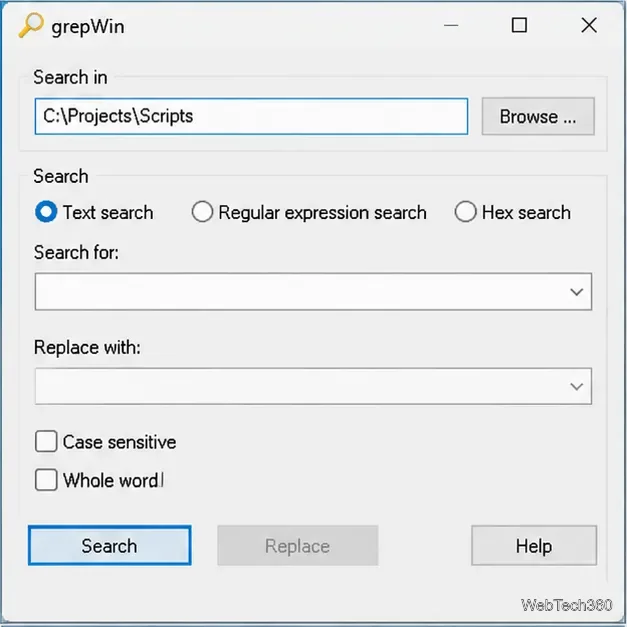
Find words or phrases across multiple text files on Windows 10 with grepWin. Learn how to choose folders, filter file types, include subfolders, and read matches safely.
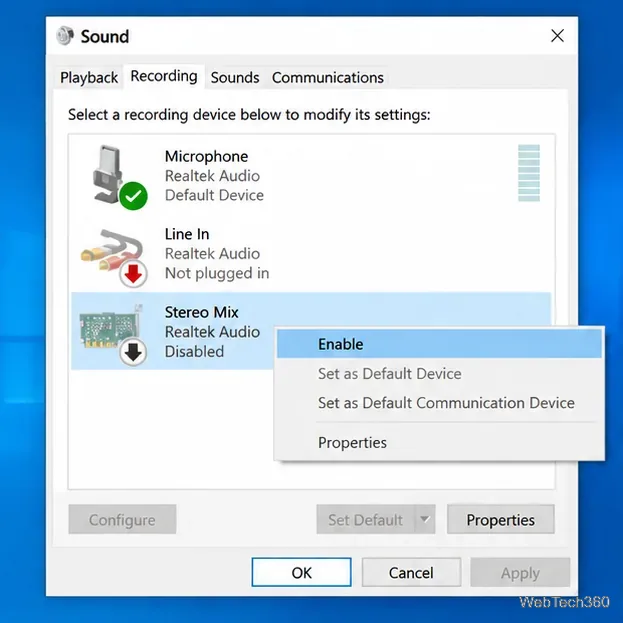
Capture your PC’s playback with FFmpeg on Windows 10. Enable Stereo Mix or use a loopback device, find its DirectShow name, and save clean audio.
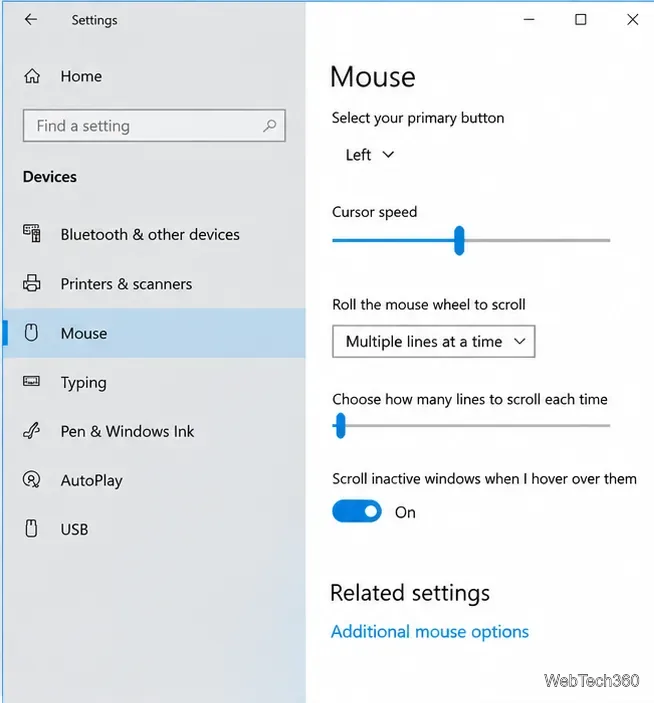
Learn how to adjust Windows 10 mouse pointer speed, change pointer precision, and set hardware DPI with a supported gaming mouse or manufacturer app.
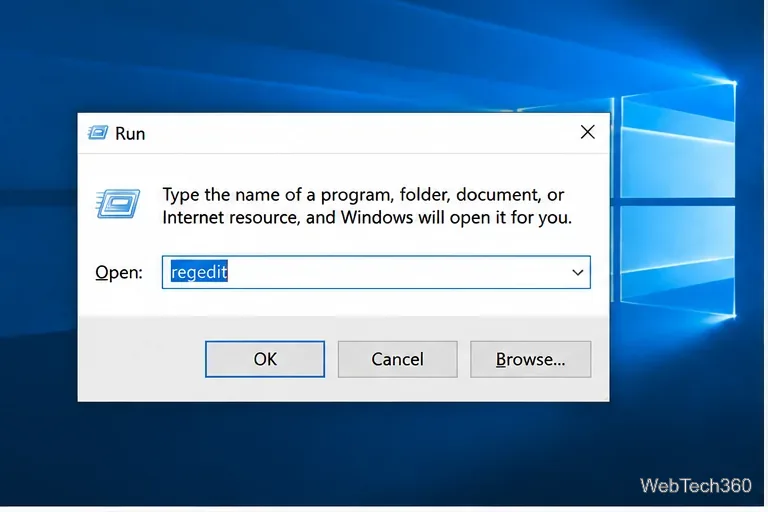
Learn what the legacy Edge blocker registry setting does, how to set it safely, and why it will not stop updates for Microsoft Edge already installed.